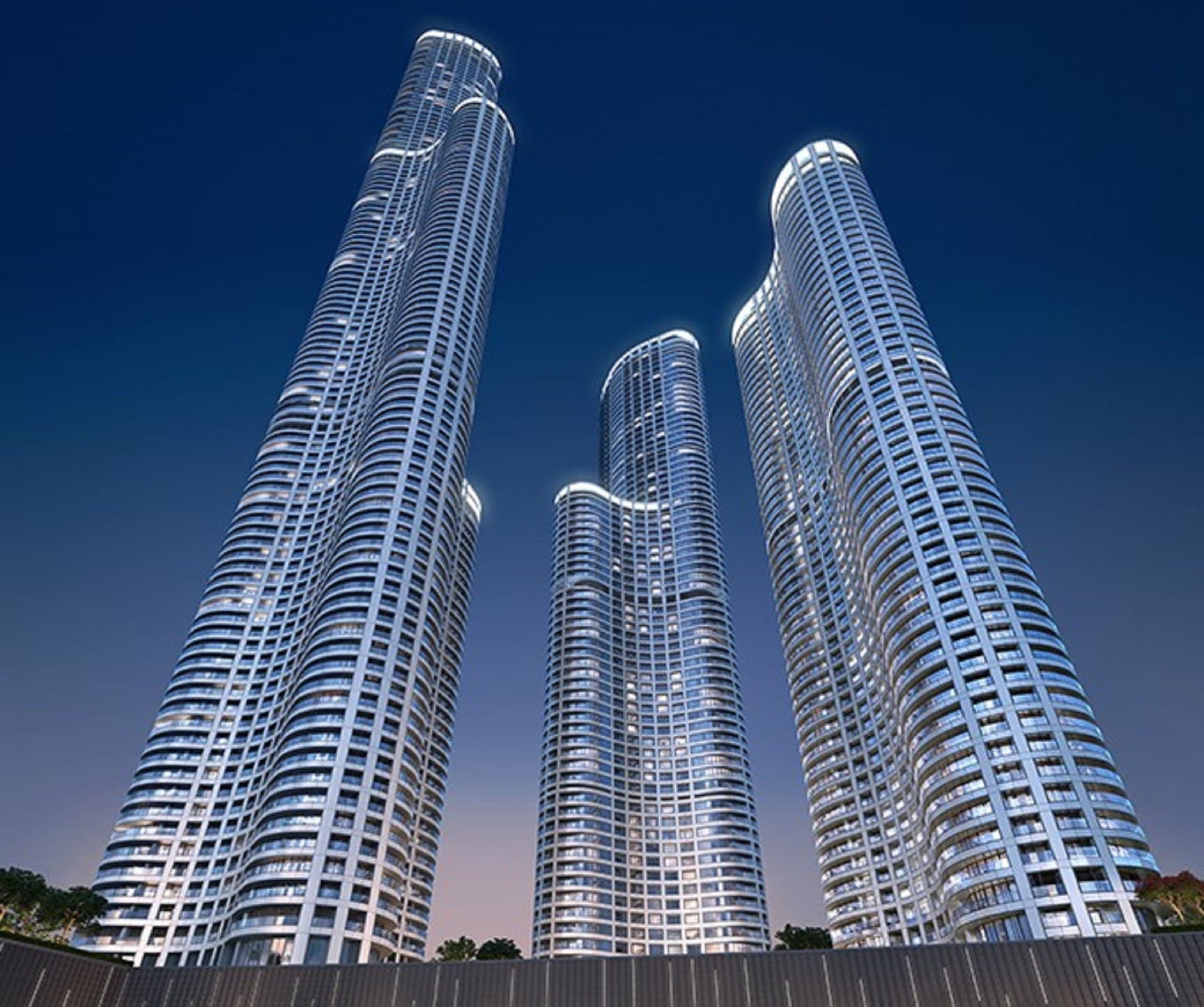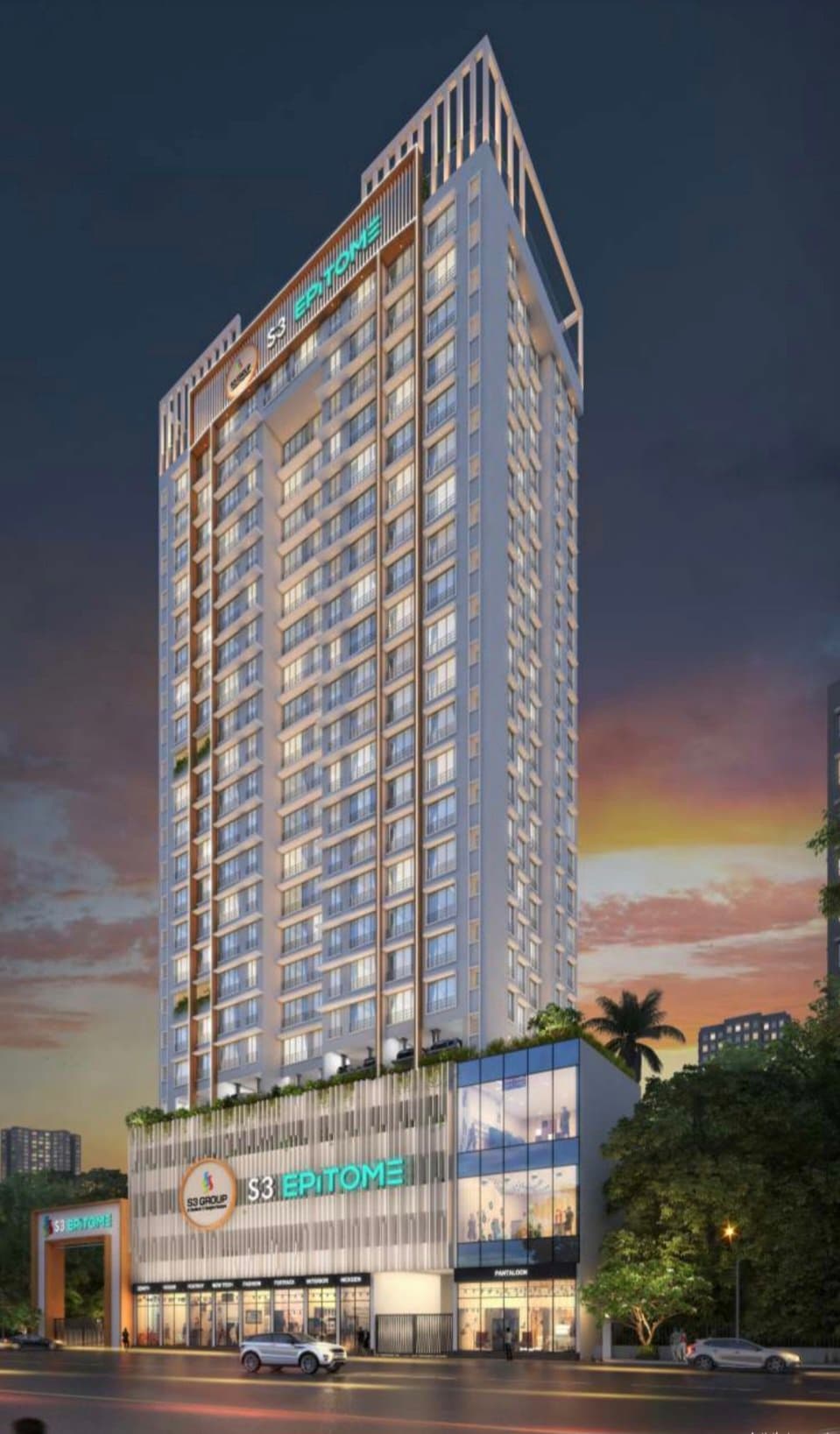
A buyer at Lodha Grandeur in Prabhadevi closed on her 3 BHK in late 2024 anchored partly on the proximity of three pre-schools within 1.2 km radius for her 2-year-old son. By the time she actually started the pre-school search in March 2025 for the June 2025 intake, two of the three target schools were fully booked, and the third had a Sept-Nov 2024 application window she had missed entirely. The pre-school decision had to wait nine months for the next intake cycle, and her son started at a less-preferred fourth option. The proximity was real. The cycle timing was not.
Pre-school, Montessori, and creche catchment is the most overlooked timing dimension for Lower Parel and Prabhadevi family buyers with children aged 1-5. The pre-K decision is structurally different from the K-12 admission cycle: catchment radius matters more (most parents will not drive 15+ minutes daily for a 3-year-old), waitlist queues are longer (sometimes 18-24 months), and intake cycles are tighter (most quality pre-schools have one or two intakes per year). Property Butler tracks pre-K availability across 22 corridor institutions because it is the highest-frequency family-buyer question that gets the least specific answer in the broker conversation.
The Headline Data Point
Of 22 surveyed pre-schools, Montessoris, and creches within 2 km of Lower Parel and Prabhadevi, 14 (64%) have application windows that close 8-14 months before the intake cycle. 9 of 22 (41%) currently maintain waitlists of 30+ children for the next intake. The decision needs to start as early as the child turns 18 months old — not at 30 months when most parents begin looking.
The Four Pre-K Institution Types
Property Butler categorises corridor pre-K options into four practical types, each with different intake mechanics and parental commitment.
| Type | Age Range | Daily Hours | Annual Fees |
|---|---|---|---|
| Premium International Pre-K | 18 months to 5 years | 9 AM - 1 PM or full day | ₹3.5-7 lakh |
| Montessori (AMI / AMS) | 2.5 to 6 years | 9 AM - 1 PM | ₹1.8-3.5 lakh |
| Local Playschool | 18 months to 4 years | 9 AM - 12 PM | ₹65,000-1.5 lakh |
| Full-Day Daycare / Creche | 6 months to 5 years | 8 AM - 7 PM | ₹1.5-4 lakh |
The Corridor Pre-K Map
Within 2 km of central Lower Parel and central Prabhadevi, the practical pre-K shortlist includes JBCN Junior School, KIDS Park, Tridha (Worli branch), Hello Kids, Eurokids, Kangaroo Kids, Maple Bear, Shree Ram Welkin, Cocoon Kids Pre-school, and several Montessori operators in Worli, Prabhadevi, and Lower Parel proper. Property Butler maintains a live availability tracker, updated quarterly with each institution's intake window, current waitlist size, and per-tower commute estimate. The combined intake capacity across 22 surveyed institutions is roughly 1,400-1,600 seats per year — against an estimated corridor demand of 1,100-1,300 family-buyer households with children in the pre-K age range. The market is tight but not impossible if the parent times the application correctly.
✓ Correct Timing Sequence (1-Year Lead)
- Child turns 18 months — begin shortlist research
- 22-24 months — physical visits to 5-6 schools
- 24-26 months — submit applications to 3-4 schools
- 26-28 months — admissions interview / observation
- 30-33 months — intake starts
- For premium pre-K, start 6-9 months earlier still
✗ Common Timing Mistakes
- Starting search 3 months before intended start
- Single-school application (no fallback)
- Anchoring to a school 25+ minutes from home
- Missing the Sept-Nov premium-school window
- Waitlisting without backup options
- Ignoring the K-12 feeder relationship
The Catchment Radius — Why 1 km Matters
For a 2-3-year-old child attending pre-K, the practical catchment radius is 1.0-1.2 km, expanding to 1.5-2 km for older 4-5-year-olds. The reason is daily-commute fatigue: a 2-year-old at the start of pre-K cannot tolerate a 25+ minute one-way drive twice daily. The catchment-radius constraint sharpens the buyer's tower shortlist considerably. A tower 1.4 km from the parent's preferred pre-K but 2.6 km from any other quality option is structurally riskier than a tower with 3 viable pre-K options inside 1 km. Property Butler maps tower-to-school distances in the diligence shortlist.
Premium Pre-K Waitlist Average
14 months
Property Butler tracking of 9 premium pre-K institutions in the corridor shows an average waitlist of 14 months from application to confirmed seat. Premium pre-K decisions need to be made when the child is 12-18 months old, not 24-30 months.
The K-12 Feeder Relationship
Several premium pre-K institutions have informal or formal feeder relationships into the K-12 anchor schools that drive the elder-child decision: JBCN Junior to JBCN Parel, Maple Bear to several IB programmes, Tridha Worli to Tridha proper for primary continuation. Parents anchoring on a specific K-12 school for grade-1 entry can sometimes accelerate the admission via the feeder pre-K relationship — not guaranteed, but a meaningful soft signal. Property Butler tracks these relationships as part of the family-buyer playbook so the pre-K and K-12 timing decisions are coordinated.
Full-Day Daycare vs Half-Day Montessori — The Working-Couple Trade-Off
For DINK + family households where both parents work full-time, the half-day Montessori / pre-K (9 AM - 1 PM) creates an after-school gap that requires either a nanny / housekeeper, a grand-parent at home, or a daycare bridge programme. Full-day daycare options solve this operationally but typically at lower educational depth than dedicated Montessori. Some corridor institutions now offer a hybrid: half-day Montessori plus an extended after-school programme until 5-7 PM at incremental fees of ₹80,000-1.5 lakh per year. Property Butler advises working couples to evaluate this hybrid availability when shortlisting both school and tower.
The Tower-Level Creche Amenity
Approximately 12 of 38 surveyed corridor towers offer some form of in-tower creche / kids' play-area programme. Of these, only 4 deliver structured pre-K curriculum credible enough to be a primary option; the rest are supplementary play-areas with informal supervision. Property Butler advises buyers not to bank on in-tower creche as a primary pre-K option without specifically verifying the curriculum and faculty credentials.
Practical Allocation By Family Profile
For families with a 12-18-month-old, the pre-K decision is a 12-18 month forward-looking choice. The right approach is to identify the 3-4 viable pre-K options within 1.5 km of the target tower, attend orientation tours when the child is 14-16 months, and submit applications during the typical Sept-Nov window for the following June intake. For families with a 24+ month-old, the decision is more time-constrained — prioritise active-intake institutions, accept that premium options may be waitlisted, and use a Plan B daycare bridge while the waitlist matures. For families relocating to the corridor with a 3+ year-old, the most predictable path is to focus on mid-year intake institutions and the local-playschool tier rather than premium pre-K with annual-intake cycles.
Frequently Asked Questions
How early should I apply for pre-K when buying a Lower Parel or Prabhadevi flat?
For premium international pre-K: as early as the child is 12-15 months old, even if intake is 18-24 months later. For Montessori and standard playschool: 6-12 months ahead of the intended start. The corridor's tight intake-to-demand ratio means late applications consistently get waitlisted rather than placed.
Does living closer to a pre-K give my application an admissions advantage?
Marginally for some institutions, immaterially for most. Premium pre-K admit by application order, observation outcomes, and parent-interview impressions. Proximity helps with logistics, not admissions priority. Some local-playschool tier institutions do prioritise local applicants, but the educational tier-difference between local and premium options usually outweighs the proximity convenience.
Should I anchor my Lower Parel or Prabhadevi property decision around a specific pre-K?
No — anchor on a corridor with 3-4 viable pre-K options within 1.5 km. Pre-K commitments are 2-3 year programmes; tying a 5-10-year property decision to a 2-year educational programme creates structural risk if the pre-K admission fails or the child needs to switch.
How do hybrid Montessori + extended day programmes work?
A growing number of corridor institutions offer half-day Montessori (9 AM - 1 PM) plus a structured after-school programme from 2-6 PM at incremental fees. The after-school includes activity-based play, art, language, and supervised rest. For working couples, this often eliminates the need for a daytime nanny and reduces overall household-staff cost.
Can Property Butler help map pre-K options to my target towers?
Yes — Property Butler maintains a live tower-to-pre-K distance map and per-institution intake-cycle tracker. As part of family-buyer diligence, we surface the 3-4 most viable pre-K options for any tower shortlist and flag any pre-K with a tight intake window relative to the buyer's possession date.
Related Reading
→ Lower Parel School Catchment Buyer Guide → School Admission Cycle & Property Purchase Timing → DINK Dual-Income Couple Buyer Playbook → Multi-Generation Flat Selection Guide → Lower Parel Area Guide → Prabhadevi Area GuideFamily with a 1-5 year old buying in Lower Parel or Prabhadevi?
Property Butler maps pre-K, Montessori, and creche options against tower distance, intake cycle, and waitlist depth. Tell us your child's age and educational preference; we'll surface tower options with 3-4 viable pre-K alternatives within 1.5 km.
Search Family-Friendly Inventory