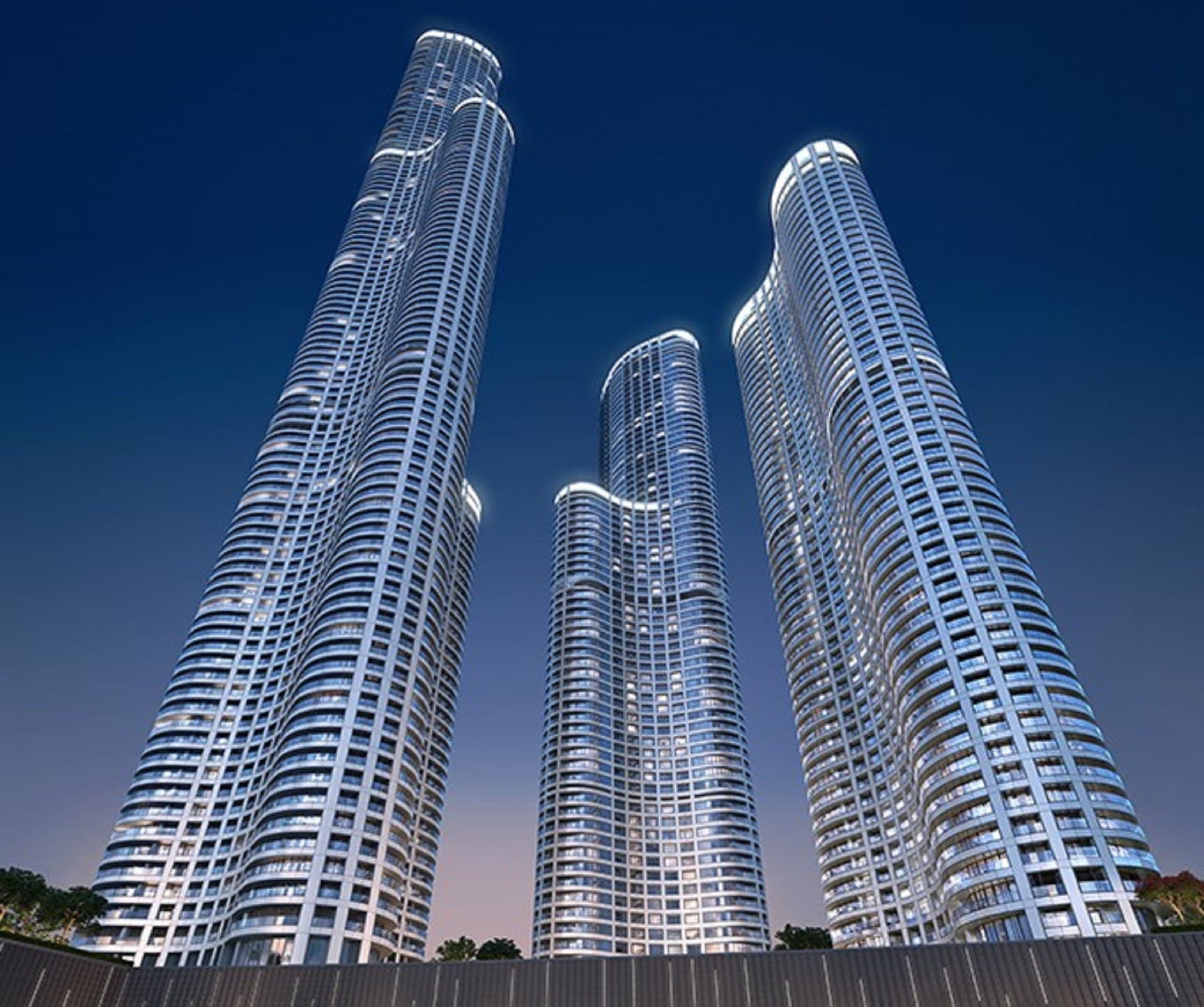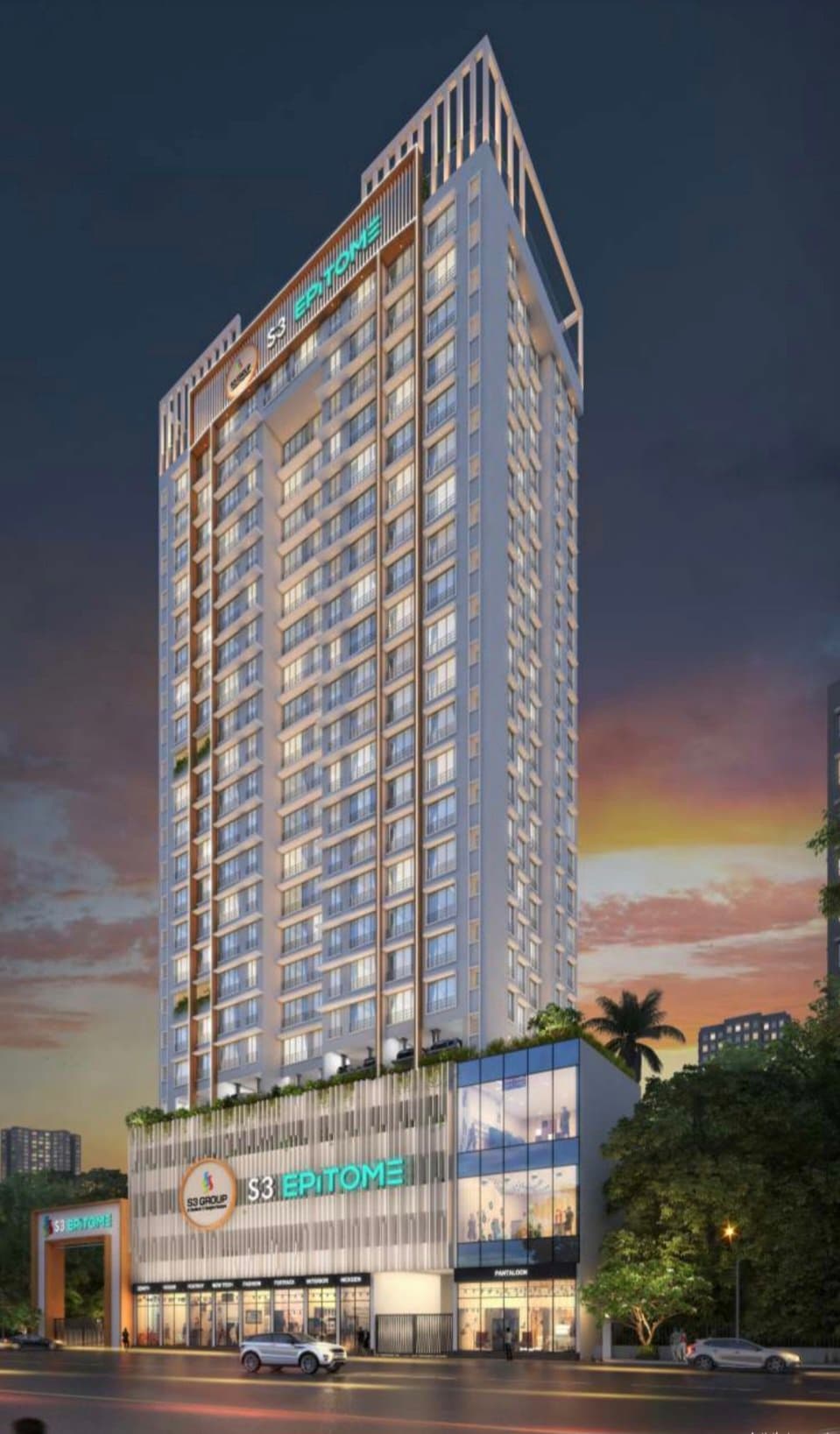
Property Butler's diligence files contain a recurring pattern across 60+ post-purchase regrets logged over the last three years in the Lower Parel and Prabhadevi corridor — and the single largest unforced error is acoustic. A buyer pays ₹14-25 Cr for a 3 BHK, moves in, and discovers within the first month that the upstairs neighbour's child's running, the adjacent bedroom's TV, or the building's chiller-room hum at 2 AM is unbearable. The flat is otherwise perfect. The view is sea. The carpet is RERA-verified. The maintenance is paid. But the sleep is gone. This is the working acoustic decoder Property Butler uses before every luxury Lower Parel and Prabhadevi purchase — the four physical specifications that determine whether a ₹50,000/sqft flat actually feels like one.
Key Insight — The 5 dB That Separates ₹35,000/sqft from ₹65,000/sqft
The Sound Transmission Class (STC) rating measures how much sound a partition blocks. STC 45 means you hear the neighbour's TV clearly when it's loud. STC 50 means you hear muffled voices only when you're paying attention. STC 55 means you don't know the neighbour exists. That 5 dB gap between STC 45 and STC 50 is the practical difference between Lower Parel's older OC stock (2010-2017) and the post-2019 luxury tier — and it is rarely disclosed in any brochure.
The Four Physical Specifications That Determine Acoustic Privacy
Property Butler classifies acoustic performance across four measurable attributes — slab thickness, party-wall construction, door and window assembly, and HVAC isolation. The four together define whether a luxury Lower Parel or Prabhadevi flat performs to its price point or leaks acoustic value.
| Specification | Luxury Benchmark | Older Stock Typical | Buyer Implication |
|---|---|---|---|
| RCC slab thickness | 225-275mm with acoustic underlay | 150-180mm, no underlay | Footfall from upstairs |
| Party wall (inter-flat) | 200mm RCC or double-skin AAC + insulation, STC 55+ | 115mm AAC single skin, STC 42-45 | Neighbour TV / voice transmission |
| Door + window glazing | Solid-core door with acoustic seals, 6+12+6 DGU windows | Hollow-core door, single-pane sliders | Corridor and external noise |
| HVAC / shaft isolation | Isolated VRV with anti-vibration mounts, lined ducts | Split AC condensers on common ledge, unlined ducts | Chiller / condenser hum, cross-talk |
Lower Parel — Tower Acoustic Profile
Property Butler's classification of major Lower Parel towers by acoustic tier, derived from in-flat decibel-meter spot-checks during open houses, resident interviews, and post-purchase complaint patterns across 200+ sale and rent enquiries handled in the corridor since 2024.
| Tower | Era | Acoustic Tier | Notes |
|---|---|---|---|
| Indiabulls Sky Forest | 2017-19 | Tier A | 225mm slabs, DGU glazing, lined shafts. Top-tier acoustic performance. |
| One Avighna Park | 2016-18 | Tier A | Solid-core entry doors, DGU windows, acoustic seals on door bottoms. |
| Lodha World Crest / World View / World Towers | 2014-17 | Tier A | Strong base spec; upper-floor units report best results given less street noise. |
| Lodha Vista | 2014-16 | Tier B | Mixed — sea-facing units perform well, road-facing units pick up Senapati Bapat Marg. |
| Marathon NextGen Era | 2017-19 | Tier B | Decent slabs, but condenser ledges on common facade create cross-flat hum on mid floors. |
| Sarvesh One | 2020-22 | Tier A | Newer luxury spec — 250mm slabs reported, premium glazing standard. |
| Ashford Casa Grand | 2012-14 | Tier B | Older mid-luxury spec; works well for upper floors, mid-tower units less so. |
| Pre-2012 Lower Parel mill-land towers | 2007-12 | Tier C | 150-180mm slabs, AAC party walls, single-pane sliders — verify on-site. |
Prabhadevi — Tower Acoustic Profile
Prabhadevi's acoustic landscape divides cleanly along the 2018 line. Towers commissioned post-2018 generally hit Tier A or strong Tier B; older trophy buildings vary. The Cadell Road sea-facing buildings tend to outperform interior buildings purely because higher-end developers concentrated there with luxury specs.
| Tower | Era | Acoustic Tier | Notes |
|---|---|---|---|
| Rustomjee Crown | 2020-25 | Tier A | Best-in-class luxury acoustic envelope — DGU, solid-core, 250mm+ slabs. |
| Lodha Grandeur | 2019-22 | Tier A | Strong window-and-door spec; party-wall construction premium. |
| Kalpataru Oceana | 2018-21 | Tier A | Cadell Road frontage with DGU envelope, condenser placement disciplined. |
| Ahuja Towers | 2014-17 | Tier B | Older trophy; some units exhibit floor-to-floor footfall on jodi units. |
| Eon One | 2019-21 | Tier A | Compact-luxury spec; quality glazing throughout. |
| 25 South (Wadhwa Hubtown) | 2018-21 | Tier A | Top-floor jodi units particularly strong; slab spec premium. |
| Sumer Trinity Towers | 2014-17 | Tier B | Decent base, but lift-shaft proximity units more exposed to motor noise. |
| The V Mansion | 2020-23 | Tier A | Boutique ultra-luxury — generously specified acoustic envelope. |
| Older Prabhadevi co-ops | Pre-2010 | Tier C | Plan to retrofit — slab and party wall typically below modern luxury benchmark. |
The Buyer's On-Site Acoustic Test — Do This Before You Bid
Property Butler runs an acoustic spot-check on every luxury Lower Parel and Prabhadevi viewing for a serious buyer. The full protocol takes 45-60 minutes, requires no professional equipment, and reliably surfaces 80% of the issues that drive post-purchase regret.
✓ What to test
- Stand below the upstairs flat — ask someone to walk overhead in normal shoes
- Place phone on neighbour wall — play music at moderate volume, listen from inside
- Close all doors and windows — listen for HVAC / chiller / lift motor hum
- Stand at entry door, ring lift / corridor — listen for door seal performance
- Test at three times of day: morning (traffic), afternoon (silent), late evening (residential life)
✗ Red flags to watch for
- Clear footfall transmission from upstairs (slab too thin)
- Audible voice / TV from neighbour walls at conversational volume
- Constant low-frequency hum that doesn't fade when AC switched off
- Audible flushing / water-flow from adjacent unit's shaft
- Lift motor / counterweight thump at top-floor units within 2 floors of overhead motor room
Acoustic Retrofit Economics — When the Flat Is Otherwise Right
Sometimes the flat ticks every other box — view, layout, building — and the acoustic envelope is Tier B. Property Butler routinely scopes acoustic retrofits in this scenario. Approximate ranges for a 2,000-2,500 sqft luxury Lower Parel or Prabhadevi flat:
Acoustic Retrofit Cost Ranges
| Acoustic underlay (entire flat resilient floor) | ₹4-7 lakh |
| DGU window upgrade (all openings) | ₹6-12 lakh |
| Solid-core acoustic entry door + seals | ₹1.5-3 lakh |
| Party-wall second-skin insulation (per shared wall) | ₹2-4 lakh |
| VRV HVAC retrofit (interior demolition) | ₹8-15 lakh |
| Full envelope retrofit (Tier B → near-Tier A) | ₹22-40 lakh |
The retrofit math becomes interesting when the price discount on a Tier B flat versus an equivalent Tier A flat in the same micro-corridor exceeds ₹40 lakh. Across Property Butler's tracked Lower Parel and Prabhadevi inventory, that gap is typically ₹60 lakh to ₹1.2 Cr on a comparable 3 BHK — making the retrofit economically rational in most cases, provided the slab thickness (the one thing you genuinely cannot retrofit) is already adequate.
The One Thing You Cannot Retrofit — Slab Thickness
Floor-to-floor footfall transmission is the only acoustic problem with no economic retrofit solution. A 150mm slab is a 150mm slab — adding an acoustic underlay on your own floor helps protect the unit below, not your own ceiling. The fix would require structural intervention to the unit above, which is functionally impossible in a multi-owner building. If the on-site upstairs-footfall test fails, walk away. Every other acoustic issue is solvable; this one is not.
Frequently Asked Questions
Why does my friend's older Lower Parel flat feel quieter than my newer one even though both cost similar?
Three likely reasons. First, the slab and party-wall construction era — some 2012-15 Lower Parel buildings used 200mm RCC throughout where 2018-20 stock cut back to 150-175mm. Second, demographic vintage of neighbours — older flats may have older quieter residents, newer flats have young families with running children. Third, ducted vs split AC — older luxury buildings tended to commit to ducted VRV which is acoustically isolated; newer cost-engineered stock often reverts to split condensers on common facade ledges. Property Butler advises verifying the slab spec with the developer's structural drawings during diligence — RERA filings include this for projects post-2017.
Will replacing my windows with DGU glazing actually make a difference in Lower Parel?
Yes — meaningfully. A standard 6mm single-pane slider has acoustic performance around STC 28-30. A laminated DGU (6mm + 12mm air + 6mm with PVB interlayer) measures around STC 36-40 — roughly equivalent to a doubling of perceived sound reduction at street-level traffic frequencies. For Senapati Bapat Marg-facing or Curry Road-station-facing units, the upgrade is the single highest-impact change a buyer can make for an envelope retrofit budget. Cost runs ₹2,500-4,500 per sqft of glazing depending on brand and acoustic spec.
Are sea-facing flats in Prabhadevi acoustically better than interior ones?
Generally yes — but with one caveat. Sea-facing facades face open ocean with no traffic on the seaward side, so the day-time acoustic environment is dominated by wind and surf rather than vehicles. However, sea-facing units take more wind load on the windows and door seals, which can lead to whistling and seal degradation over 5-7 years if the glazing system isn't premium. Top-tier Prabhadevi sea-facing towers — Rustomjee Crown, Kalpataru Oceana, The V Mansion — spec their facades for the wind load explicitly. Mid-tier buildings sometimes cut here, leaving owners with annual reseal costs of ₹40,000-80,000 per flat after year 5.
How do I check for chiller / lift motor noise before I buy a top-floor flat?
Top-floor and floor-below-mechanical-floor units are exposed to lift overhead motor rooms, water-tank pump rooms, and roof chiller plants. Property Butler's protocol is to identify the building's overhead utility deck location from the developer brochure, then schedule the viewing for a time when these systems are active — usually 6-9 AM or 6-9 PM peak demand. Sit in each bedroom with all doors and windows closed for 5 minutes. Any audible mechanical hum below 40 dB inside the bedroom at night is a deal-breaker for a sleep-sensitive buyer.
Does the building's age automatically determine its acoustic tier?
Roughly but not strictly. The 2018 boundary matters because Maharashtra building codes evolved to require thicker slabs and acoustic underlay for buildings above certain height categories. But within any cohort, individual developers' construction discipline varies significantly. Property Butler has seen 2014-vintage premium buildings outperform 2021 cost-engineered towers, and vice versa. The reliable test is on-site, not the year of OC.
Related Reading
→ Lower Parel & Prabhadevi AQI Tower Selection Decoder → Lower Parel & Prabhadevi Power Backup & DG Reliability Decoder → Lower Parel & Prabhadevi 2010-2018 OC Stock Decoder → Interior Fitout Cost Workbook — Lower Parel & Prabhadevi → Lower Parel Area GuideLooking for an acoustically premium Lower Parel or Prabhadevi flat?
Property Butler's diligence team runs the 45-minute on-site acoustic protocol on every shortlisted unit, flags Tier B and Tier C envelopes upfront, and structures retrofits where the price gap justifies the work.
Browse Premium Inventory