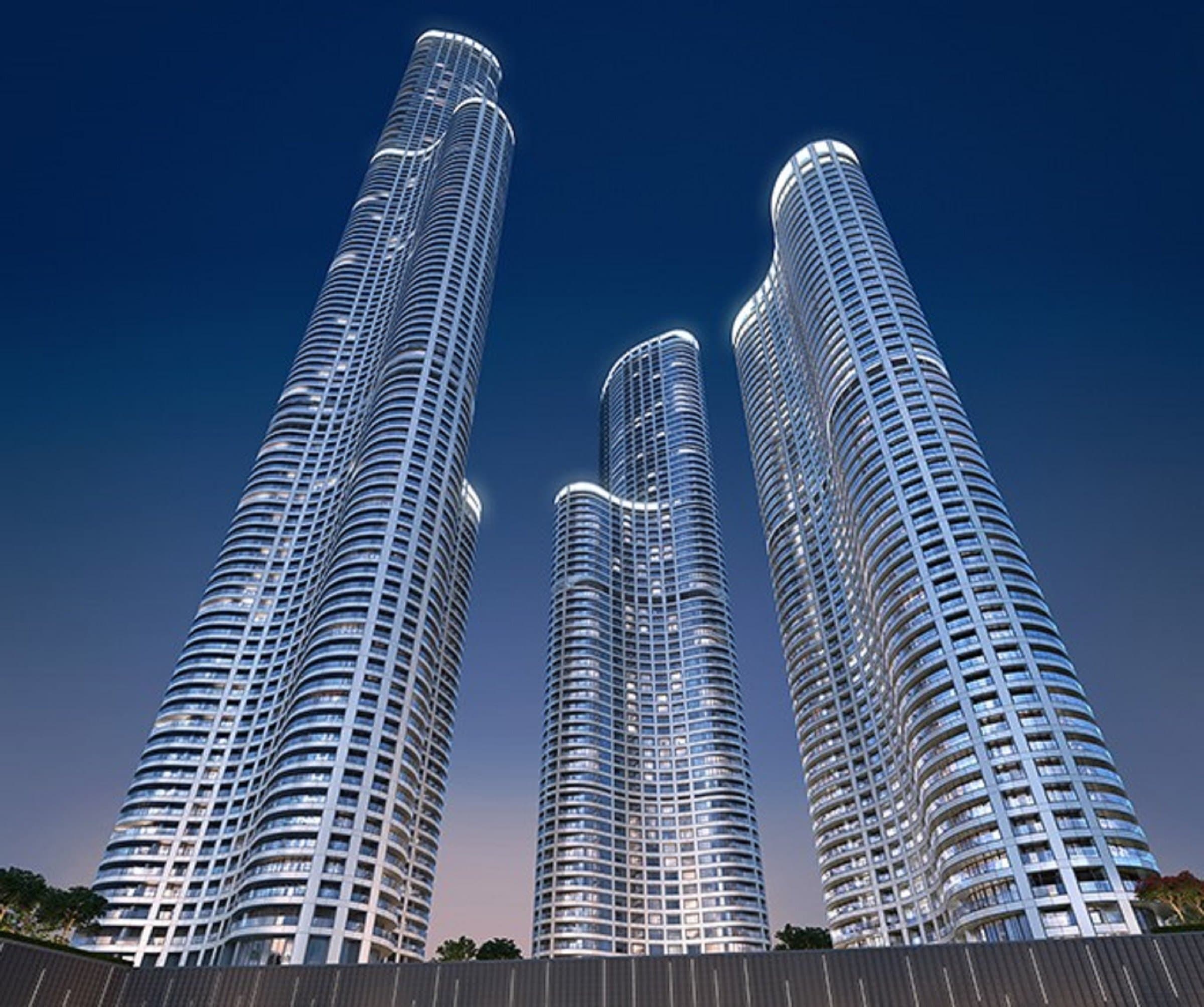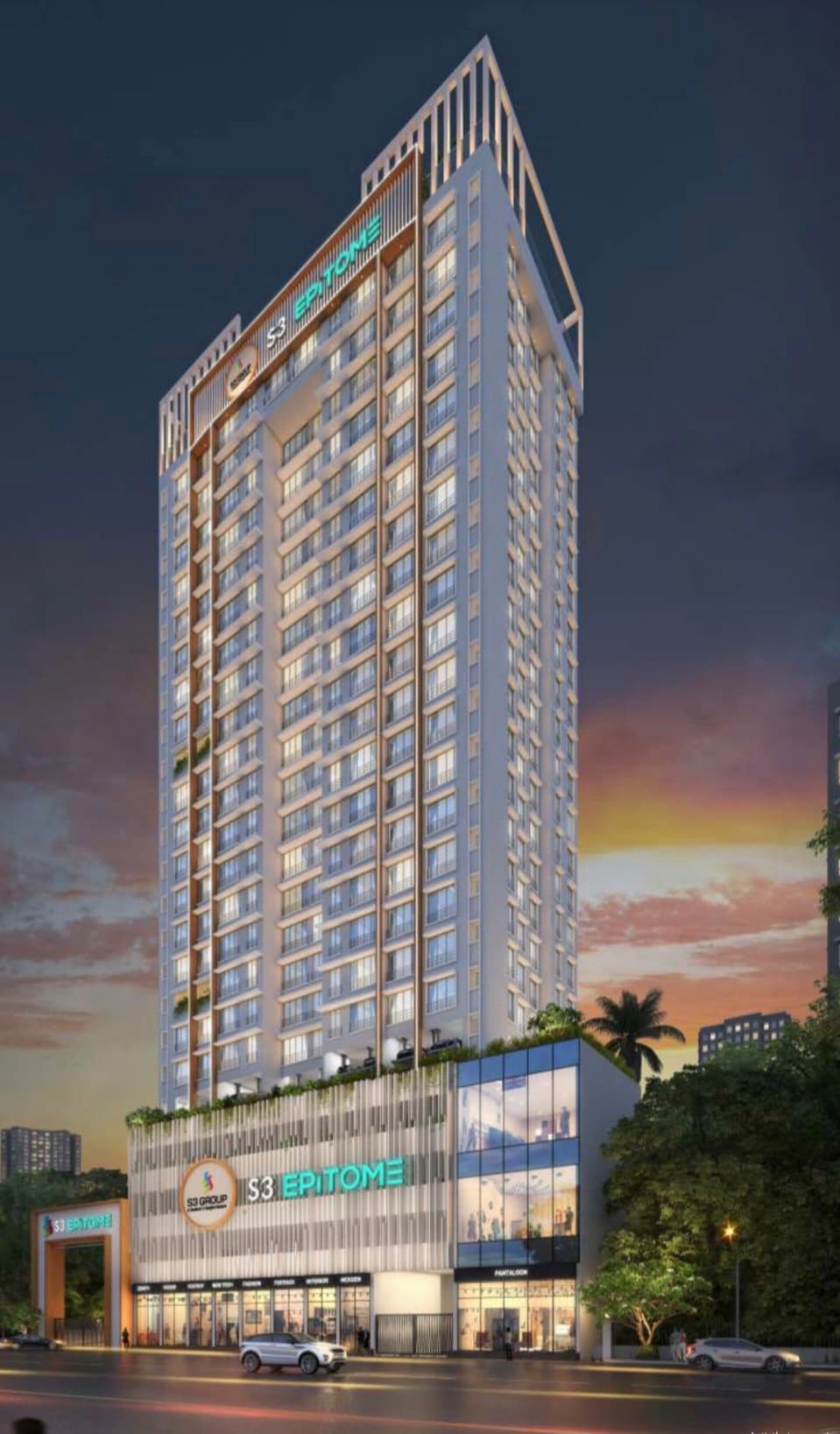
A 2024-OC tower in Lower Parel commands ₹52,000 PSF. The same 3 BHK configuration in a 2014-OC tower 800 metres away trades at ₹38,000. That ₹14,000 PSF spread — a 27% discount on the older stock — is not depreciation. It is a non-linear function of amenity vintage, OC paperwork certainty, mandatory lift modernisation timing, and the deep optionality value of pre-redevelopment cluster status. Most buyers misread this spread as either pure age decay or pure brand premium. Both readings are wrong.
Property Butler tracks 187 active sale listings across Lower Parel and Prabhadevi as of May 2026, spread across OC vintages ranging from 1998 to 2025. The age-curve patterns visible in this data are surprisingly sharp, and they cluster around four distinct buyer-decision zones.
Key Insight
The steepest PSF erosion in LP/PD does not happen in years 1-7. It happens at years 10-13 — when the original developer DLP expires, lift overhaul becomes mandatory, and the building enters its first "structural verdict" zone.
The Four-Zone Age Curve
| Age Zone | Years Since OC | Typical PSF Index (vs new) | Buyer Profile |
|---|---|---|---|
| Zone A — Brand New | 0-3 years | 100% (peak) | First buyers, end-users, NRIs |
| Zone B — Liquidity Window | 4-7 years | 88-95% | Second buyers, lifestyle upgraders |
| Zone C — Structural Verdict | 8-12 years | 70-85% | Value buyers, fit-out hunters |
| Zone D — Redevelopment Optionality | 13+ years | 60-78% (with kicker) | Cluster-redevelopment investors |
Zone A — Brand New Premium (0-3 years OC)
Towers like Lodha Ciel (Lower Parel, 2023 OC), Marathon Next Gen Era (Lower Parel, 2024 OC), and Shri Ratan Address (Prabhadevi, 2024) sit in Zone A. Buyers in this zone are paying for: (a) builder warranty intact for the full 5-year defect liability period, (b) amenity stack matching current 2024-26 spec — touchless lifts, mesh Wi-Fi, EV-ready basements, IGBC platinum certification on most newer towers — and (c) the lowest possible probability of any structural surprise. Property Butler tracks median PSF in this zone at ₹52,000-₹68,000 across the LP/PD spectrum.
The premium for Zone A is real but compresses fast. By year 4, the average tower has lost 5-8% to depreciation alone, even before considering amenity-tier obsolescence.
Zone B — The Liquidity Window (4-7 years OC)
This is the highest-velocity resale zone in LP/PD. Towers like Lodha Vista, One Avighna Park Phase 1, Indiabulls Sky Forest (depending on tower wing) sit here. First-buyers who held for the lock-in period or capital gains exemption window now exit, creating consistent secondary inventory. The discount to new is meaningful (5-12%) but the amenity stack is still current — these towers were spec'd within 24 months of today's market expectations.
Buyer playbook for Zone B: this is the highest reward-to-risk zone for end-users who want luxury without paying brand-new premium. Property Butler's data shows median deal-close time of 38 days in Zone B versus 62 days in Zone A — sellers are more flexible, fewer buyers chase each unit.
Zone C — Structural Verdict (8-12 years OC)
This is where the curve gets sharp. The original developer's defect liability period (DLP) has fully expired. The society now owns full structural responsibility. Three forces compound:
- Lift modernisation due: Elevator OEMs (Schindler, Otis, Kone) recommend major overhaul at 12-15 years. Society levy of ₹15-50 lakh per lift becomes the first major capex test of the building's reserve fund.
- Facade re-sealing cycle: Curtain-wall glazing seals degrade by year 10. Re-sealing cost: ₹2-5 lakh per floor for premium towers. Without it, monsoon ingress becomes visible.
- BMU (building maintenance unit) refurbishment: Rope-access window cleaning systems need overhaul at year 10-12.
Towers like Times Tower (Lower Parel, ~2014 OC) and older Lodha stock (Lodha Bellissimo 2008-2011) sit in this zone. PSF here trades at 70-85% of equivalent new stock — but buyer due diligence must include the society's reserve fund position, which is itself a function of past AGM discipline. Property Butler's transaction team has seen buyers walk into Zone C deals at 80% pricing only to discover ₹35 lakh in immediate capex levies queued.
Zone D — Redevelopment Optionality (13+ years OC)
This is where the curve unexpectedly flattens — and in some pockets, reverses. Buildings 13+ years old in LP/PD enter the redevelopment-readiness window. Society conveyance is complete (typically), buyer-side resistance to redevelopment has crystallised, and developers begin sniffing for cluster opportunities.
Pricing in Zone D becomes bimodal:
- Without redevelopment signal: 60-70% of new-tower PSF, reflecting age + amenity gap + maintenance cost
- With active redevelopment signal (developer offer received, ~70% society members consenting): 85-95% of new-tower PSF, because buyers are pricing in the future redeveloped flat allotment
For sophisticated investors, Zone D in LP/PD's mill-land precinct is the most asymmetric trade. The signal-to-noise ratio: which societies are 2-3 years away from a Section 79A redevelopment vote? Property Butler's locality intelligence tracks 23 such societies in Lower Parel and 11 in Prabhadevi as of May 2026.
The Lift Modernisation Shock
₹15-50 Lakh per Lift
Average society levy at year 12-15 OC — the single largest reason Zone C pricing breaks down faster than expected
Furnishing Wear — The Hidden Depreciation
Building-level age is one signal. Unit-level fitout age is another. A Zone B (5-year) tower with a Zone A (1-year) fitout is structurally different from a Zone B tower with a Zone B fitout. Property Butler's resale data shows:
- Italian kitchen cabinet finishes (Boffi, Snaidero, Poliform): retain 70-80% value at 5-7 years
- Indian premium kitchen finishes (Sleek, Hafele): 50-60% at 5-7 years
- Wood flooring (engineered): 60-70% at 7 years
- Marble flooring (Italian): 85-90% even at 10 years (replacement is structural, not cosmetic)
- HVAC (split AC): typically replaced at 7-9 years; ducted at 10-12
The buyer's effective price = building PSF × (1 + fitout premium adjustment). Property Butler's transaction team explicitly itemises fitout depreciation in pre-token diligence — it routinely moves ₹15-40 lakh on a Zone B/C deal.
✓ When To Buy Older Stock
- Reserve fund is fully built (society audit confirms)
- Lift modernisation already completed in last 24 months
- Active redevelopment signal exists
- Unit-level fitout is recent (under 3 years)
- Carpet area generosity (older stock often 8-12% more efficient)
✗ When To Avoid Older Stock
- Society reserve fund below ₹50 lakh per tower
- Pending facade or terrace repair issues
- Litigation flagged in MahaRERA portal
- Tenant-heavy mix with falling owner-occupancy
- Adjacent plot redevelopment that would obstruct view
Buyer Strategy By Age Zone
If you are an end-user with a 5-10 year hold horizon: Zone B is the value sweet spot in LP/PD. Pay 88-95% of new-tower PSF, get fully matured amenity stack with reduced building-system risk, exit before Zone C lift modernisation hits.
If you are an investor with a 7-15 year hold: Zone A still works because brand-new premium amortises into rent uplift. Avoid Zone B-to-C transitions unless paired with active fitout depreciation discount.
If you are a redevelopment-thesis investor: Zone D is the highest-reward trade in LP/PD's mill-land precinct. Requires patience (3-7 years) and tolerance for AGM politics. Property Butler tracks specific societies in Senapati Bapat Marg and Curry Road sub-clusters where the signal is strongest.
Frequently Asked Questions
Does building age affect home loan eligibility?
Yes. Most banks cap home loan tenure at "buyer's retirement age" OR "building's structural life minus current age", whichever is lower. For a 12-year-old tower, banks typically assume 38-year remaining structural life, capping loan tenure at 28-35 years depending on lender. For Zone D (13+ year) towers, some lenders refuse fresh sanction; others cap at 70% LTV.
How do I know a building is in Zone D with active redevelopment signal?
Look for: (a) registered developer offer letter to the society, (b) AGM resolutions tabled for redevelopment vote, (c) 51%+ member consent already gathered in informal poll, (d) consultant (architect/PMC) appointed. Property Butler's locality intelligence team can flag these from public AGM minutes and BMC filings where available.
Why does Zone C have steeper PSF erosion than Zone D in LP/PD specifically?
LP/PD's mill-land precinct has unusually high redevelopment potential due to FSI generosity and prime land economics. So Zone D buildings carry option value that partially offsets age depreciation. Zone C buildings (8-12 years old) are too new for redevelopment optionality but too old to escape the structural verdict — the worst of both worlds for pricing.
Are RERA carpet area norms uniformly applied across age zones?
No. Pre-2017 (pre-RERA) buildings were marketed in built-up or super-built-up area. Pre-RERA stock effectively offers 8-15% more usable carpet area than post-RERA stock at the same advertised area — making older Zone C/D stock structurally more carpet-generous than buyers realise.
Buying in LP/PD?
Property Butler maps every active listing against its building age zone, reserve-fund position, and redevelopment signal. Pre-token diligence runs faster than the seller's broker can pitch.
Explore LP/PD Inventory