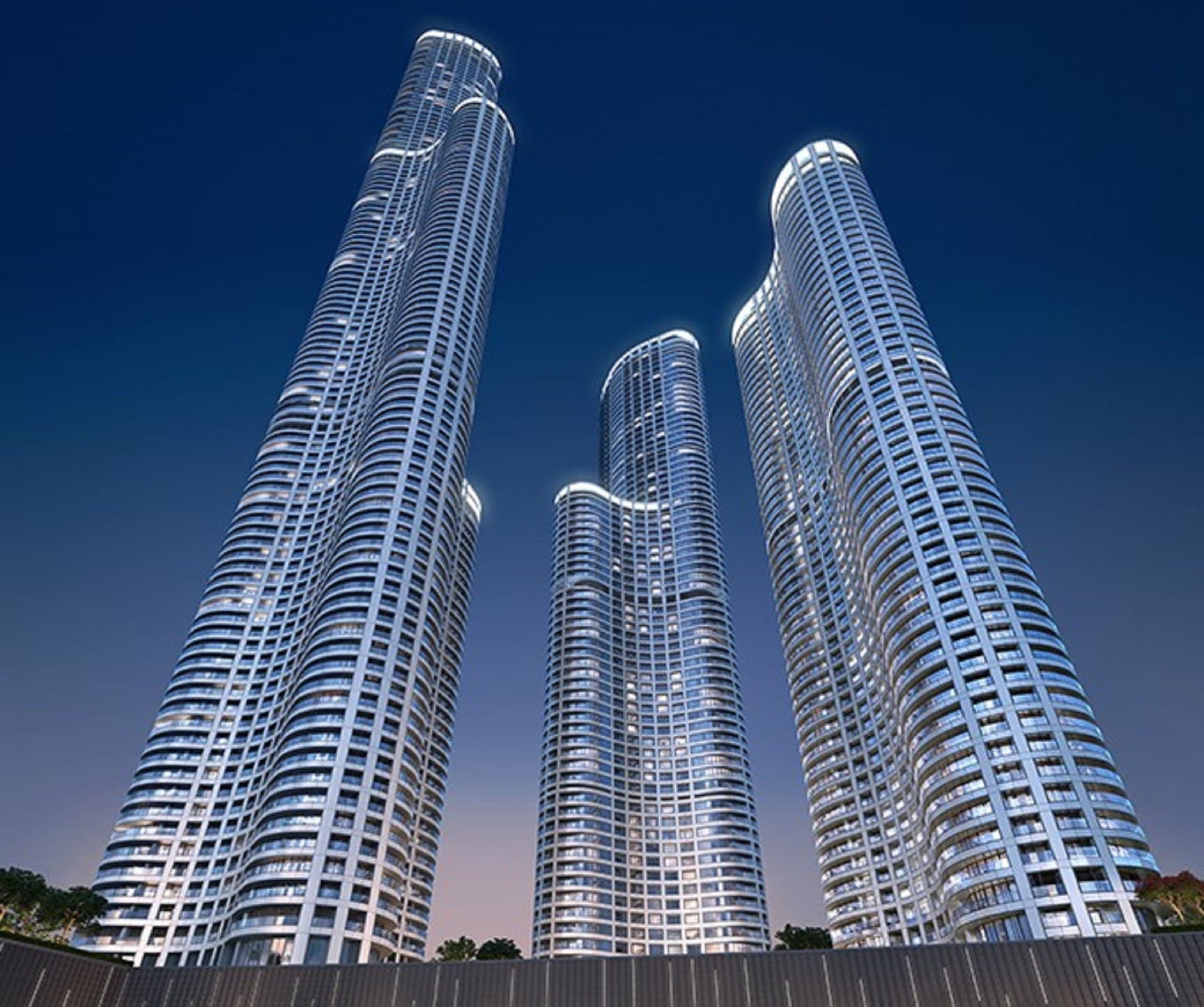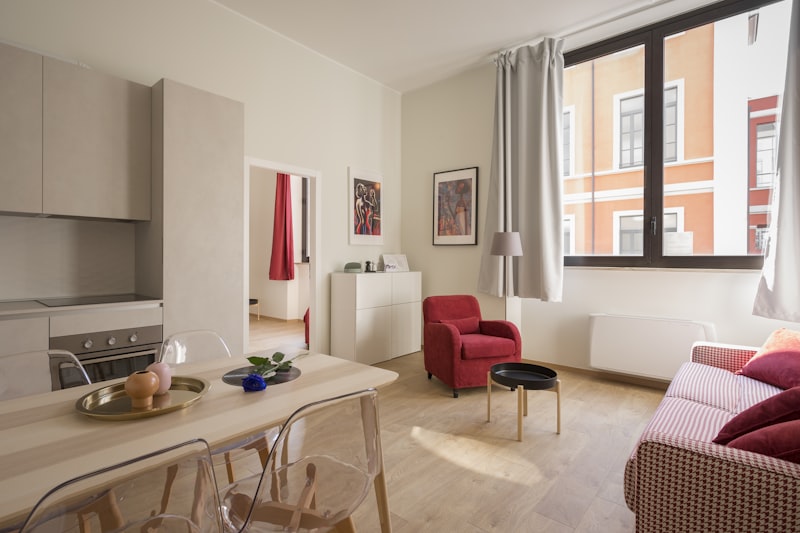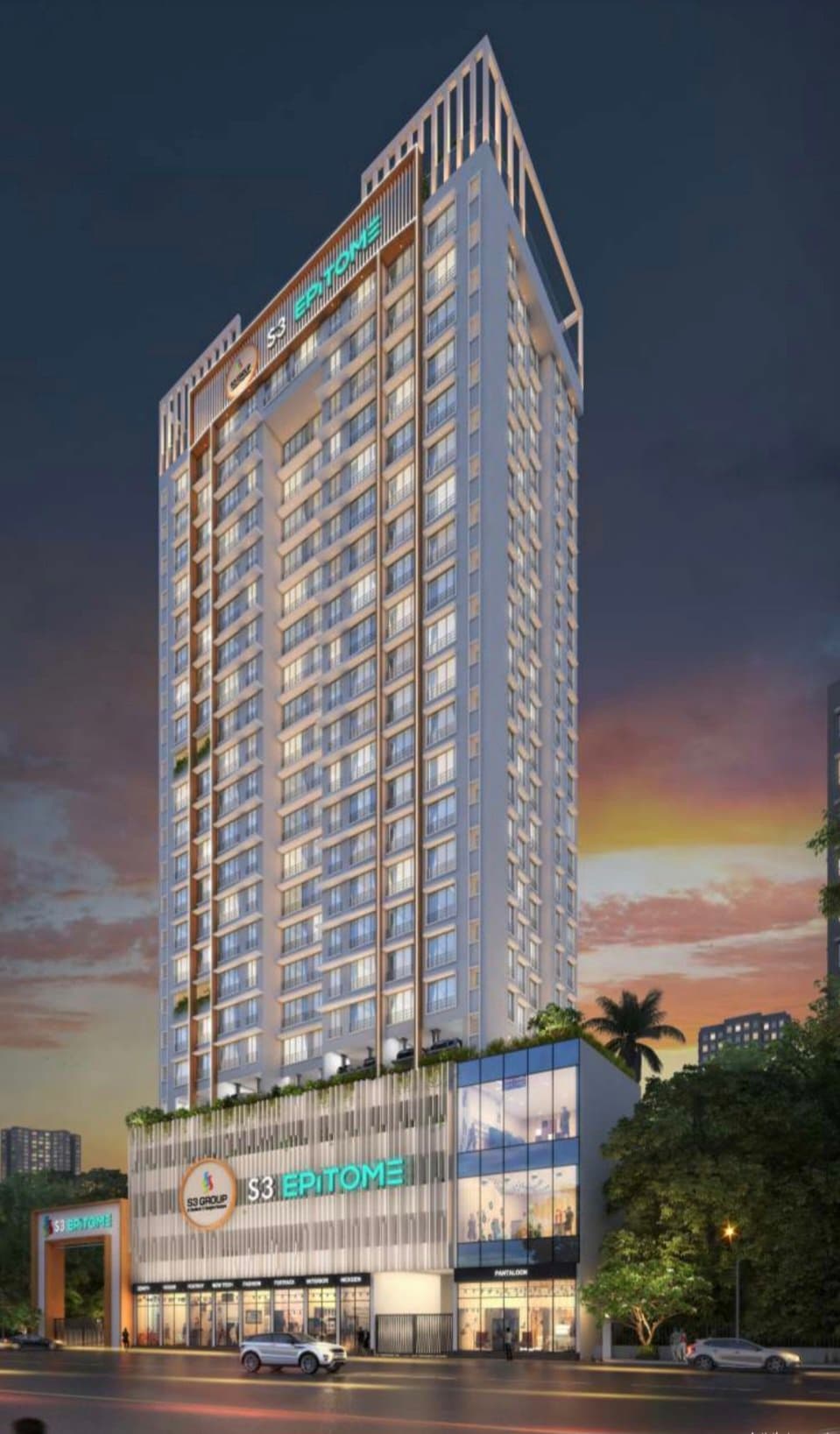
A 3 BHK at Lodha Vista in 2018 had a carpet of roughly 1,520-1,640 sqft. A 3 BHK at the same brand in Lower Parel in 2026 lists at 1,300-1,400 sqft for an equivalent price tier. Across the Lower Parel-Prabhadevi corridor, Property Butler's eight-year cohort comparison shows the median 3 BHK new-launch carpet has compressed by 180-240 sqft (roughly 12-16%) between 2018 and 2026. This is one of the least-discussed structural shifts in the corridor — and it has real consequences for resale liquidity, family-size habitability, and the developer pricing math that sets the 2026 spot quotes.
2018 vs 2026 Median 3 BHK Carpet — Lower Parel + Prabhadevi
2018 median 3 BHK carpet: 1,540-1,620 sqft | 2026 median 3 BHK carpet: 1,300-1,400 sqft | Net compression: 180-240 sqft (12-16%) | Per-sqft price 2018: ₹26,000-32,000 | Per-sqft price 2026: ₹46,992-55,935 | Effective unit price 2018: ₹4.0-5.2 Cr | Effective unit price 2026: ₹6.1-7.8 Cr at same compressed configuration.
Why Carpet Areas Have Compressed — The Three Structural Drivers
The compression is not a developer fad. It is the visible output of three structural shifts that have rewired luxury new-launch product design across South Mumbai.
Driver 1 — RERA carpet-vs-marketed area rule. Pre-RERA marketing (before May 2017) routinely sold 'super built-up' areas that included common spaces, balconies, podium share, and proportional amenity allocation. Post-RERA, sale and advertising must reference 'carpet area' only — the net usable inside-wall measurement. The same brochure that sold a 1,800 sqft 3 BHK in 2017 now sells a 1,300 sqft 3 BHK because the 500 sqft was always common-space pro-rata. Carpet-area compression is partly an optical adjustment that just made the real number visible.
Driver 2 — FSI-incentive density math. Maharashtra's 2018-2020 amendments to the Development Control Regulations gave developers density incentives for amenity-heavy podia. The new math rewards builders for spending FSI on rooftop pools, sky lounges, jogging tracks, and clubhouses — at the cost of unit-level carpet. The 2026 new-launch product offers 30-40% more amenity area per resident than its 2018 equivalent, funded by 12-16% smaller individual units.
Driver 3 — Ticket-size affordability ceiling. The corridor's spot PSF rose from ₹26,000-32,000/sqft in 2018 to ₹46,992-55,935/sqft in 2026 — a 60-75% PSF increase over eight years. To keep the absolute ticket size in a buyer-accessible range, developers had to compress unit size proportionally. A 1,540 sqft 3 BHK at 2026 PSF would land at ₹7.5-9 Cr — outside the entry-end Tier-1 brand buyer pool. By compressing to 1,300-1,400 sqft, the same brand can hold a ₹6.5-7.5 Cr entry-end ticket and stay within buyer reach.
The Configuration-by-Configuration Compression Map
| Configuration | 2018 Median Carpet | 2026 Median Carpet | Compression |
|---|---|---|---|
| 1 BHK | 580-640 sqft | 430-485 sqft | -24-26% |
| 2 BHK | 1,080-1,150 sqft | 880-960 sqft | -17-19% |
| 3 BHK | 1,540-1,620 sqft | 1,300-1,400 sqft | -12-16% |
| 4 BHK | 2,400-2,650 sqft | 2,100-2,400 sqft | -9-13% |
| 5 BHK | 3,300-3,650 sqft | 3,000-3,400 sqft | -7-9% |
The compression is most severe at the entry-end (1 BHK at 24-26%) and tapers at the ultra-luxury end (5 BHK at 7-9%). The reason: ticket-size pressure is non-linear. Affordability rolling friction is most painful at the 1 BHK / 2 BHK end where buyers are stretched at the maximum, so developers compressed those configurations hardest. At the 5 BHK end, buyers are by definition price-insensitive and the unit-size narrative drives the brand premium — so 5 BHKs held their carpet relatively well.
2018 vs 2026 — Same Brand, Same Locality, Same Configuration
Concrete example for a buyer to visualise the shift. Consider a 3 BHK at Lodha brand inventory in Lower Parel.
Lodha 3 BHK 2018 (Lodha Park / World Crest)
- Carpet: 1,540-1,620 sqft
- Living + dining width: 22-24 feet
- Master bedroom: 16x14 feet
- Servant room (utility): 60-70 sqft
- Effective price 2018: ₹4.0-5.2 Cr
Lodha 3 BHK 2026 (Lodha Vista / Lodha Allura)
- Carpet: 1,300-1,400 sqft
- Living + dining width: 19-21 feet
- Master bedroom: 14x12 feet
- Servant room (utility): 45-55 sqft
- Effective price 2026: ₹6.1-7.8 Cr
The compression is most felt in the living-dining width and the master bedroom dimension. A 1,540 sqft 2018 floor plan typically allowed 24x18 feet of living-dining run; the 1,300 sqft 2026 floor plan delivers 19x14 feet. That is the difference between a six-seater dining table fitting comfortably with a sofa run, and a four-seater dining table fitting tightly with a smaller sofa. Buyer perception of 'spaciousness' is overwhelmingly driven by this living-dining width — not by total square footage.
What Compression Does to Resale Liquidity
Property Butler's resale velocity tracking shows a clear pattern: 2014-2018 vintage 3 BHK stock with 1,540-1,640 sqft carpet trades at a 6-9% PSF premium to 2022-2026 vintage 3 BHK stock with 1,300-1,400 sqft in the same building or comparable adjacent buildings. The market is paying for carpet generosity. Older stock with more breathing room moves faster — buyers who walk through both the older and newer floor plans almost always prefer the older when they can find one.
This creates a structural arbitrage. Pre-RERA-vintage stock (2014-2018 OC) in Lower Parel and Prabhadevi is undersold relative to its functional advantages. The discount versus 2022-2026 stock is roughly ₹3-6 lakh per crore on the absolute purchase price. Buyers who prioritise living-dining width over amenity-floor abundance should specifically hunt the 2014-2018 vintage book — building-deep reviews of Lodha Allura, Marathon Next Gen, Ashford Casagrand, and the older Lodha Park towers offer this configuration.
Vintage Arbitrage
2014-2018 stock = ₹3-6 lakh/Cr discount
Versus 2022-2026 vintage stock in comparable buildings, despite larger carpets
What This Means for the May 2026 Buyer
The carpet-compression decoder reshapes the spot-quote conversation. When a developer brochure quotes a 1,300 sqft 3 BHK at ₹6.5 Cr in 2026, the comparison is not just to the 1,300 sqft units in adjacent buildings. It is also to the 1,540 sqft 3 BHKs in 2014-2018 vintage buildings at ₹6.8-7.2 Cr — which buyers can find in Property Butler's pre-RERA stock book. The implicit choice: pay a small premium for substantially more living space, or pay the spot quote for a Tier-1 brand new-launch with compressed unit size and amenity-floor breadth. For families, the answer almost always points to vintage. For investors and young professionals, the new-launch amenity-floor breadth often wins.
Across the 2026-2030 forward supply pipeline mapped in Property Butler's roadmap article, the carpet-compression trend is forecast to plateau but not reverse. The Maharashtra DCR amendments that created the compression are unlikely to be rolled back, and the FSI math continues to reward amenity-floor allocation. Buyers shopping for new-launch 3 BHKs in 2027-2028 will receive 1,250-1,380 sqft carpets on the same brand. The ceiling case is roughly 6-8% further compression at the 3 BHK level by 2030 — at which point even Tier-1 brand 3 BHKs in this corridor may price by-the-room rather than by-the-sqft.
Related Reading
Vintage 2010-2018 OC Stock Decoder RERA Carpet vs Marketed Area Buyer Audit Sub-1,500 sqft 3 BHK Prabhadevi Compact Luxury Decoder 2026-2030 Forward Supply Pipeline Roadmap Lower Parel Area GuideFrequently Asked Questions
How much smaller is today's 3 BHK versus 2018?
180-240 sqft smaller on median carpet — roughly 12-16% compression. 2018 median 3 BHK carpet in this corridor was 1,540-1,620 sqft; 2026 median is 1,300-1,400 sqft. The compression is split between the RERA carpet-vs-marketed area visibility shift, FSI-incentive amenity-floor allocation, and ticket-size affordability ceiling pressure.
Is the carpet compression a developer trick or a regulatory shift?
Mostly regulatory and structural. RERA (effective May 2017) forced 'carpet area' as the only legal sale measurement — eliminating the 25-30% super-built-up area inflation that pre-RERA brochures used. FSI-incentive amenity allocation (DCR amendments 2018-2020) further shifted builder math toward amenity-floor breadth at the cost of unit-level carpet. Affordability ceiling pressure compounds both.
Should I buy vintage stock to avoid compression?
If you prioritise living-dining width and family-sized rooms over amenity-floor abundance, yes — 2014-2018 vintage 3 BHKs in this corridor trade at a ₹3-6 lakh per crore discount to comparable 2022-2026 vintage stock despite the 200-240 sqft carpet advantage. The trade-off: older lift technology, smaller (or no) sky-lounge access, dated lobby finishes. Families typically prefer vintage; investors and young professionals typically prefer new-launch.
Which configuration has compressed the most?
1 BHK at 24-26% compression — the entry-end suffers hardest because ticket-size pressure is non-linear. 2 BHK compressed 17-19%. 3 BHK compressed 12-16%. 4 BHK compressed 9-13%. 5 BHK held best at 7-9% compression — ultra-luxury buyers are price-insensitive and unit-size is part of the brand narrative.
Will the compression continue into 2027-2030?
Forecast yes, at a slower pace. The Maharashtra DCR amendments that drive compression are unlikely to be rolled back; FSI math continues to reward amenity allocation. Projected 6-8% further 3 BHK compression by 2030 — 1,250-1,380 sqft will become the new corridor median. At that point Tier-1 brand 3 BHKs may price by-the-room rather than by-the-sqft.
Hunting larger-carpet vintage 3 BHK in Lower Parel or Prabhadevi?
Property Butler maintains the corridor's pre-RERA vintage stock book separately — wider living-dining, larger master bedrooms, real servant quarters. Tell us your room-width priorities and we shortlist.
Search Vintage 3 BHK Inventory