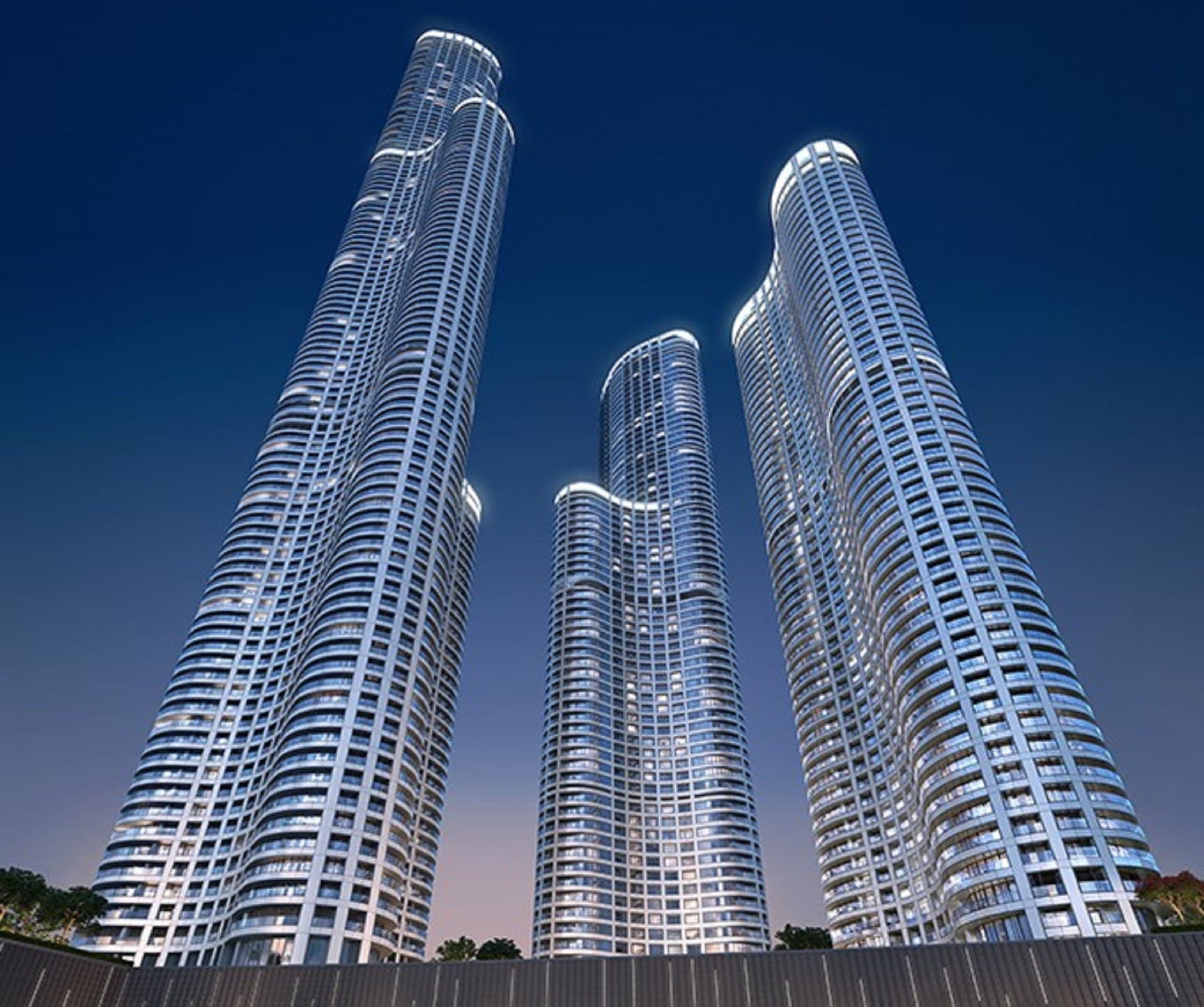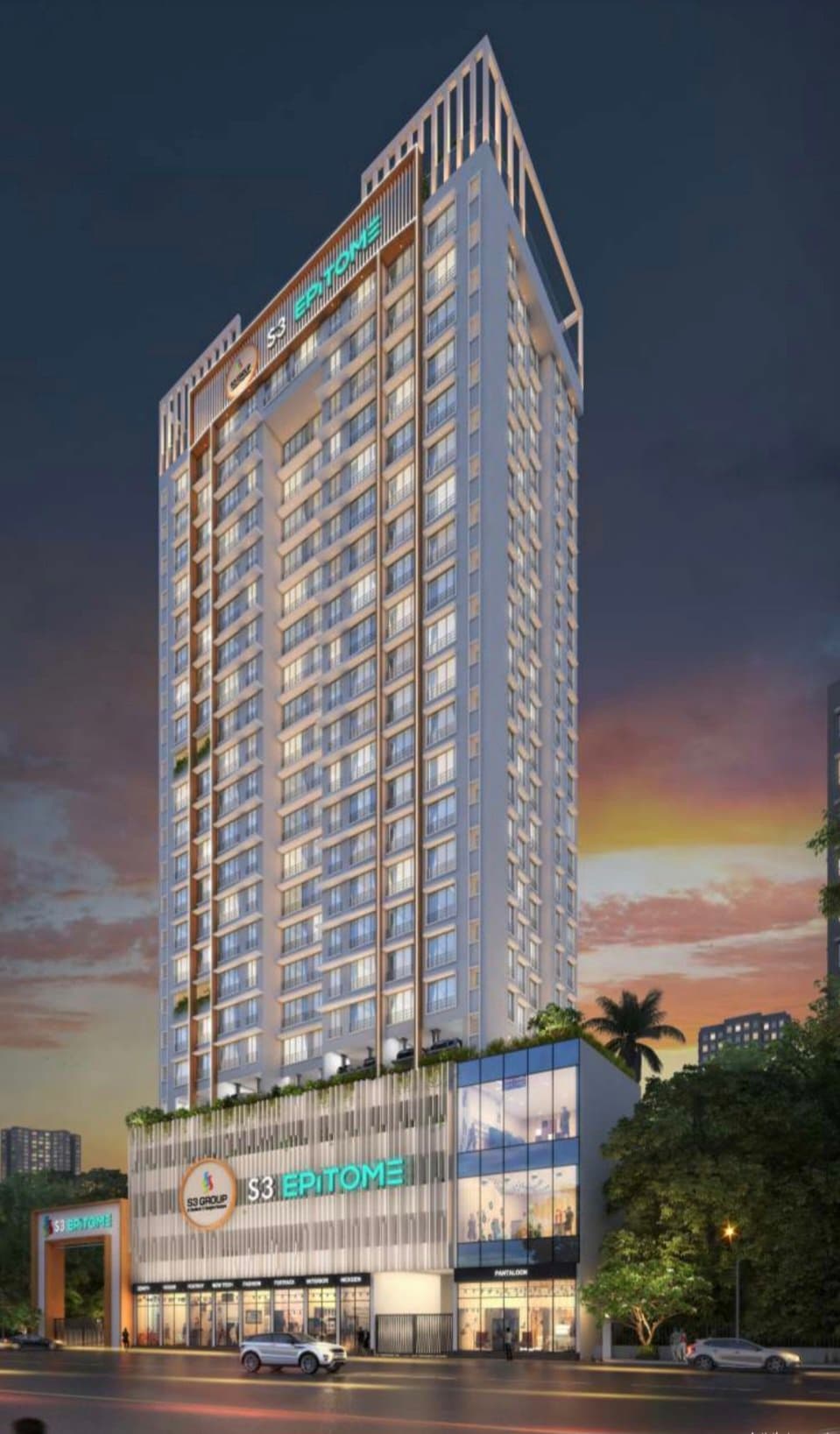
In March 2026 a Lower Parel society — a 22-storey OC-2011 tower opposite Phoenix Palladium — passed a special general body resolution levying ₹2.85 lakh per flat for lift modernisation. The total project: ₹3.42 crore across three elevators, payable in three tranches over 14 months. Six flat owners in that society had purchased their units between November 2025 and February 2026 in the resale market — none had been told about the upcoming levy. Two had financed the purchase to the maximum LTV, leaving them without cushion for the levy call. This is the most underdiscussed inheritable expense in Lower Parel and Prabhadevi corridor resale, and the supply of OC-2008-to-2015 towers entering this window is about to spike.
The structural setup buyers should understand
Indian Standard IS 14665 and the Maharashtra Lifts, Escalators and Moving Walks Act 2017 effectively impose a 15-year first-major-overhaul window on residential elevators. Property Butler counts 38 Lower Parel and Prabhadevi residential towers with OC dates between 2008 and 2015 that are now 11-18 years post-OC, with their original lift hardware approaching end-of-economic-life. The capital levy is not optional — once the lift inspector flags a system as non-compliant or unsafe, the society has 90 days to act or face stop-use orders. Buyers acquiring resale stock in this OC vintage window are inheriting this cost without the seller having to disclose it.
What lift modernisation actually involves
A residential lift comprises roughly six replaceable subsystems: controller and drive electronics, traction machine and motor, ropes and counterweight, doors and operators, cabin interior, and safety subsystems (governor, brake, buffer). End-of-life replacement typically swaps all six, retains the existing shaft and rails, and re-certifies the system under the latest IS code. Cost per lift in Mumbai high-rise stock breaks down as follows:
| Tier | Vendor examples | Per lift modernisation cost | Typical tower |
|---|---|---|---|
| Tier 1 international | Otis, Schindler, Kone, Mitsubishi, ThyssenKrupp | ₹85 lakh - ₹1.4 Cr | Lodha, Indiabulls, Marathon premium towers |
| Tier 2 international or premium domestic | Toshiba, Hyundai, Fuji | ₹55-80 lakh | Mid-rise corridor stock 2008-2014 |
| Domestic standard | Johnson, OMEGA, Express, ECE | ₹28-50 lakh | Smaller Prabhadevi cooperative buildings |
Multiply by the number of lifts in the tower (3-8 for corridor residential stock) and divide by the number of flats: that is the per-flat capital levy. Property Butler corridor benchmarks for Lower Parel and Prabhadevi towers in the 2008-2015 OC window:
Per-flat lift modernisation levy — corridor benchmark
₹1.4 lakh - ₹4.2 lakh
Median ₹2.1 lakh per flat — Property Butler 38-tower sample, OC vintage 2008-2015, May 2026
How the levy gets approved and timed
The society's Managing Committee typically commissions an independent elevator audit when the original AMC vendor flags accumulated faults exceeding 4-6 callouts per lift per month, or when the lift inspector under the Maharashtra Act issues an advisory. The audit recommends scope (full replacement vs. controller-only upgrade vs. cabin refresh). Three quotes are taken. A Special General Body Meeting (SGBM) is called under Section 79 of the Maharashtra Cooperative Societies Act; the resolution needs a 2/3 majority of present members to pass.
From SGBM resolution to first instalment notice: 30-60 days. Most societies stage the levy in 3-4 tranches over 12-18 months to ease cashflow. Property Butler sample shows the median Lower Parel and Prabhadevi corridor society demanding 30% on resolution, 30% on contract award, 25% on hardware delivery, 15% on commissioning.
Who pays — seller or buyer — when the resale happens during the cycle
This is the genuinely contested point. Standard practice in Mumbai is that society levies attach to the flat, not to the owner. If the SGBM resolution has been passed before the resale agreement registration date, the seller is liable for accrued instalments through the date of transfer; the buyer inherits the unpaid future tranches. If the resolution has not been passed but the AMC vendor's diagnostic report exists, the buyer inherits the entire levy.
Property Butler practice on every corridor resale in OC-2008-to-2015 towers: pull the society's last three SGBM minutes, the last AGM auditor's report, the AMC vendor's monthly callout log, and any extant elevator audit. If a modernisation levy is pending or imminent, negotiate a 70-90% holdback in escrow against the buyer's share, releasable on actual SGBM resolution and apportionment.
Tower-specific exposures across the corridor
High exposure (next 24 months)
- Lower Parel mill-land mid-rise OC-2009-2012 towers — 14 towers in our sample
- Prabhadevi sea-facing towers OC-2010-2013 — 9 towers
- Lodha mid-cycle towers Lower Parel pre-2014
- Older cooperative buildings around Cadell Road and Veer Savarkar Marg
Low exposure (24-month horizon clear)
- All post-2018 OC corridor towers
- Indiabulls SkyForest (under construction, fresh hardware)
- Rustomjee Crown, Kalpataru Oceana (recent OC, Tier-1 vendor warranties run 7-10 years)
- Marathon FutureX (modern OC, recent vintage)
The sinking-corpus offset — and why it almost never fully covers it
Maharashtra Cooperative Societies Rules require a sinking fund of 0.25% of construction cost per annum. For a Lower Parel tower with a notional ₹120 Cr construction cost and 80 flats, that is ₹37,500 per flat per year. After 15 years and reasonable investment return at 6.5% blended, accumulated sinking fund per flat is roughly ₹9-11 lakh. Lift modernisation is one of three or four major capex items the sinking fund must cover (others: facade repainting, terrace waterproofing, fire-system overhaul, plumbing risers). Property Butler audits show on average sinking-fund balances cover 40-60% of imminent lift modernisation, with the residual coming as a special levy.
Societies that have been disciplined sinking-fund contributors for 15 years can absorb the full lift modernisation from corpus. Property Butler sample shows 11 of the 38 high-exposure corridor towers are in this comfortable position — buyers in those buildings face zero or minimal levy. The other 27 towers face the ₹1.4-4.2 lakh per-flat call.
What buyers should ask before signing — the lift-modernisation diligence checklist
Property Butler's standard corridor diligence on any resale in an OC-2008-to-2015 tower includes the following four documents from the society:
(1) Last 12 months of lift AMC vendor callout log — anything exceeding 3-4 callouts per lift per month is a leading indicator. (2) Any third-party elevator audit done in the last 24 months. (3) The most recent SGBM and AGM minutes — search specifically for any reference to lift modernisation, elevator capex, or special levy discussion. (4) The auditor's note in the last AGM balance sheet on sinking-fund adequacy. If any of these flag elevated risk, the buyer should secure a written holdback covenant in the agreement-for-sale or walk away from the deal.
Frequently Asked Questions
Is partial modernisation — controller only, or doors only — cheaper and effective for older towers?
Yes for the first 5-7 years post-OC, but rarely for the 15-year overhaul window. Once the traction machine and ropes have reached design life, partial upgrades buy 18-30 months at most and the full project simply moves to that horizon. Property Butler corridor data shows partial upgrades typically end up costing 110-130% of a full modernisation when integrated over a 36-month window because the second SGBM, second mobilisation and second AMC re-negotiation each carry overhead. Most societies plan full modernisation when the audit flags the system.
If I have just bought the flat and the SGBM resolution passes three weeks later, can I refuse to pay because the prior owner ought to have disclosed?
Legally no — the levy is attached to the flat, you are the current member of record, you owe the dues. Practically, you have a contractual claim against the seller if the agreement-for-sale contained a representation that there were no known imminent levies or capital calls. Such representations are standard in well-drafted corridor resale agreements, often called the no-undisclosed-capex covenant. Property Butler ensures every resale we mediate carries this clause with a 24-month survival period.
Does the rental tenant share in the lift levy?
No. Capital levies attach to ownership, not occupation. Monthly maintenance includes lift AMC and energy charges which the tenant typically pays as part of the rent or as a separately invoiced common charge. The special levy for modernisation is the landlord's cost. If you are a corridor landlord, this means the levy reduces your net yield in the year it is paid — Property Butler typical impact: 0.4-0.9 percentage points reduction in trailing yield for that fiscal year.
Can the levy be financed via a society loan, or via top-up on my home loan?
Societies in Maharashtra can take loans from cooperative banks for major repairs, secured against future maintenance receivables. Property Butler corridor sample shows 6 of 38 high-exposure towers exploring this route — financing is at 9.5-11% interest, tenor 36-60 months. For individual flat owners, a home loan top-up is the cheaper route at 8.5-9.5% if eligibility allows, with the additional advantage of Section 24(b) interest deductibility up to ₹2 lakh annually under Income Tax provisions.
How does this compare to facade repainting or fire-system overhaul, which also hit older towers?
Lift modernisation tends to be the largest single capex item in a Mumbai high-rise's 15-year cycle. Facade repainting in Lower Parel and Prabhadevi corridor typically runs ₹60-90 lakh on a 22-storey tower (₹90,000-1.4 lakh per flat). Fire-system overhaul (sprinklers, riser repressurisation, fire-pump replacement) runs ₹40-70 lakh tower-wide. Plumbing riser replacement, when needed, is sometimes the biggest at ₹2-4 Cr. The combined 15-year capex stack across all these can easily exceed ₹8-12 lakh per flat in a corridor tower — material to underwrite at the resale acquisition stage.
Related Reading from Property Butler
→ Society Reserve Fund and Sinking Corpus Buyer Diligence→ Lift Density and Wait-Time Tower Decoder→ Elevator Brand Tier Decoder — Lower Parel & Prabhadevi Luxury Towers→ Maintenance Cost and CAM Reality Check→ Vintage 2010-2018 OC Stock Decoder→ Prabhadevi Area GuideBuying resale in an older Lower Parel or Prabhadevi tower?
Property Butler runs a full inheritable-capex audit — lift modernisation, facade, fire system, plumbing risers — on every corridor resale we mediate. No more three-quarter-late surprises.
Search Lower Parel & Prabhadevi Inventory