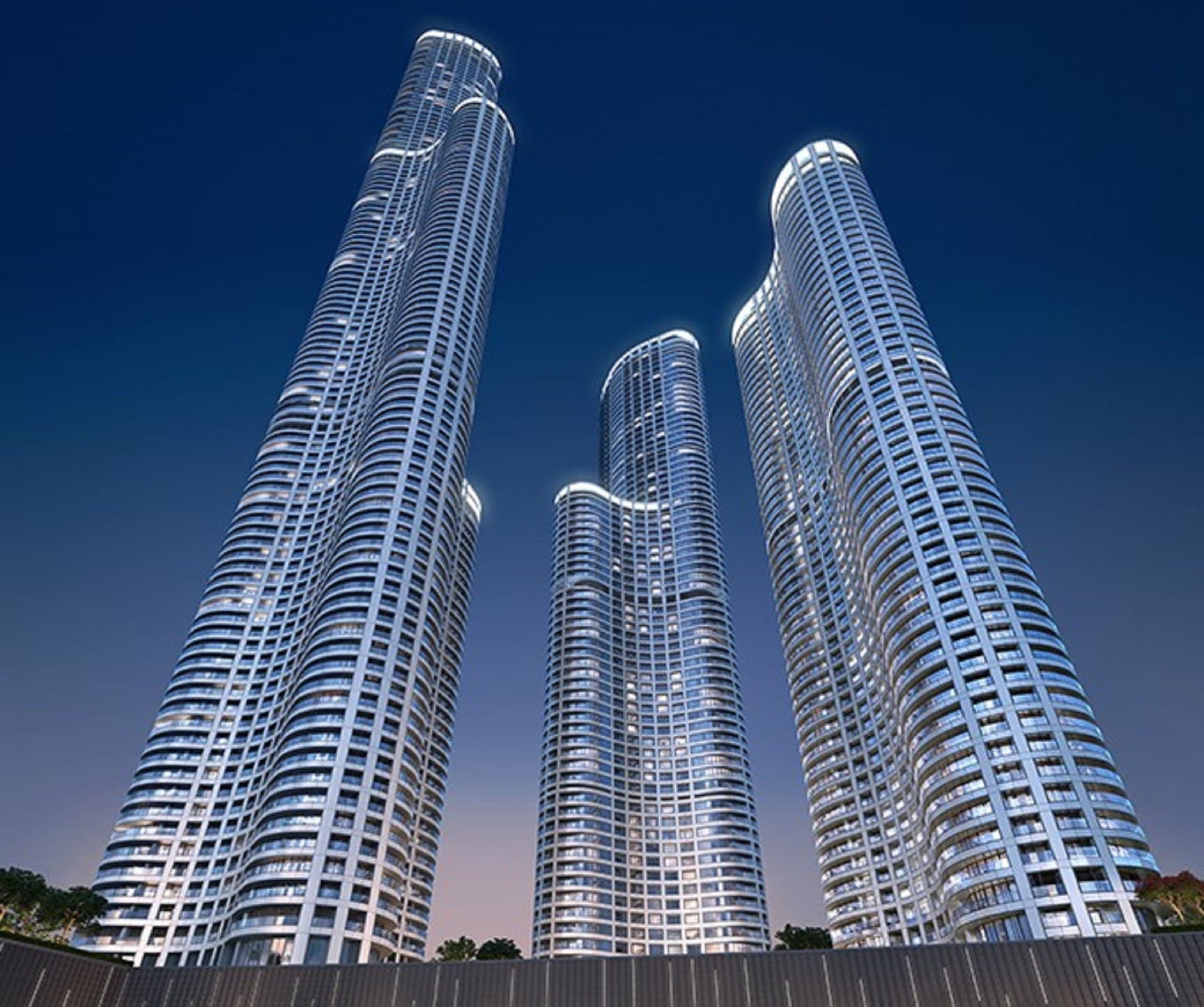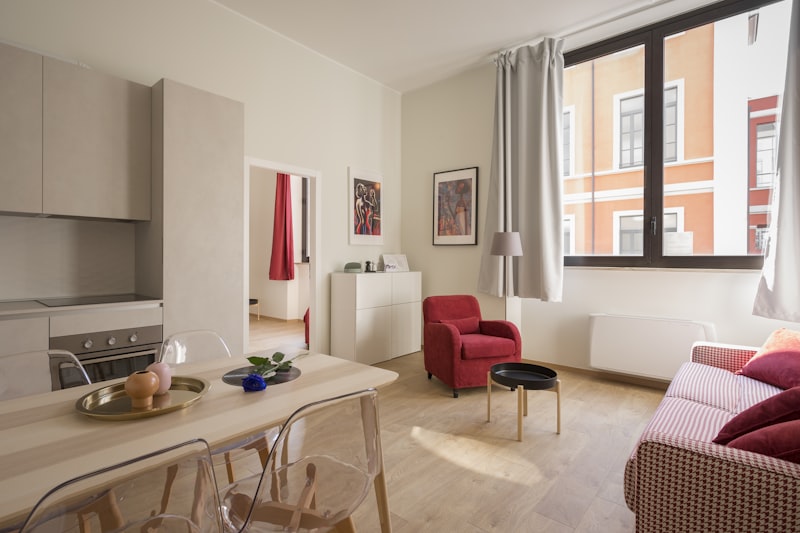
A 4BHK in Lodha Allura, Lower Parel. The first owner spent ₹2.85 Cr on fitout — Boffi kitchen with Gaggenau appliances, Poliform wardrobes, Lutron lighting, JW Marriott-grade marble flooring, custom-designed Italian leather wall panelling. Six years later, the resale closed at a ₹1.05 Cr premium over stock-condition comparable resales in the same building. The owner had spent ₹2.85 Cr; he recovered ₹1.05 Cr. The remaining ₹1.8 Cr was burnt — paid for by the seven years of personal use, not by the buyer.
This is the unspoken truth of luxury fitouts in Lower Parel and Prabhadevi. The brochure says "Italian kitchen by Boffi" as if it's a value-add. The seller's broker says "fully done up, ₹2.5 Cr fitout, please pay accordingly." The buyer's research shows the actual resale recovery on luxury fitout in this corridor is 38–62% — meaning every ₹1 Cr of fitout returns 38–62 lakh at resale and the rest is enjoyed-and-evaporated.
The Spend-Recovery Frame
Property Butler tracks 142 secondary-market transactions in this corridor over the last 18 months where the seller had documented fitout spend. Median recovery rate at resale: 51%. Top quartile: 67% (mainly clean Italian kitchens + wardrobes). Bottom quartile: 22% (heavily customised décor, custom theatres, themed rooms).
The Five Buckets of Fitout — and How Each Performs at Resale
| Bucket | Typical Spend (4BHK) | Resale Recovery |
|---|---|---|
| Italian modular kitchen + appliances | ₹35–95 L | 65–80% |
| Wardrobes (built-in, Italian/German) | ₹28–55 L | 55–70% |
| Marble/wood flooring (premium) | ₹22–48 L | 35–55% |
| Lighting + automation (Lutron, etc.) | ₹15–35 L | 30–45% |
| Décor, custom panelling, art | ₹35–1.4 Cr | 15–30% |
The lesson: kitchen and wardrobes pay back. Floors and lighting partially. Customised décor is a sunk cost. The corridor's most expensive fitout mistakes are theatre rooms, themed bedrooms (kid's space-themed, owner's hotel-themed), and high-end art-niche lighting — all of which need to be ripped out by the next buyer.
The Boffi vs Hacker vs Sleek Curve — What Indian Buyers Actually Pay For
Property Butler's empirical data on kitchen brand recovery in this corridor:
- Boffi, Poliform, Bulthaup, Arclinea (top-tier Italian/German): ₹65–95 L for an 18×8 ft layout. Recovery: 70–80%. The next buyer recognises the brand and discounts only the depreciation.
- Hacker, Häcker, Schmidt (mid-tier German): ₹35–55 L. Recovery: 55–65%. Quality holds; brand recall lower than Italian for HNI buyers.
- Veneta Cucine, Stosa, Snaidero (mid-tier Italian): ₹25–40 L. Recovery: 50–60%. Solid mid-luxury fitout.
- Sleek, Hettich Indian-made (premium Indian): ₹12–22 L. Recovery: 30–45%. The market discounts heavily because rebranded re-fits are easy.
The single highest-ROI kitchen choice for this corridor is a Boffi/Poliform mid-line layout (₹55–70 L) with Gaggenau or Miele appliances (₹15–22 L). Total ₹70–92 L, of which 70–80% transfers cleanly at resale. Going to a ₹1.4 Cr custom Bulthaup with all-imported countertops produces only marginally higher recovery — diminishing returns set in past ~₹1 Cr.
The Wardrobe Trap
High-Recovery Wardrobe Choices
- Poliform, Molteni&C, Lema, Rimadesio
- Neutral wood tones (oak, walnut, cream)
- Standard layout, soft-close hardware
- Walk-in for master, fitted for kids
Low-Recovery Wardrobe Mistakes
- Theatrical glass-front display wardrobes
- Bright lacquer in red, green, dark blue
- Custom shoe walls (women-specific)
- Built-in safes inside wardrobes (insurance issue)
The Flooring Decision
Statuario, Calacatta, Volakas — the imported Italian marble names that drive a Lower Parel show flat's brochure. ₹650–1,200 per sqft installed for premium imported stone, against ₹180–280 for Indian marble or ₹240–420 for engineered hardwood.
The recovery on imported marble is moderate: a buyer in 2026 sees Calacatta as a positive, but doesn't pay the full ₹1,200/sqft premium back at resale. Property Butler's tracked secondary-market recovery on imported flooring in this corridor is 35–55%. The exception: full Carrara marble in dining + living room with matching staircase nosing — that's still seen as a "luxury asset" rather than fitout, and recovery climbs to 60–70%.
Avoid: bright onyx with backlighting (15–25% recovery), patterned mosaic flooring in foyer (20–30%), painted concrete (8–15%). Property Butler has watched a ₹38 lakh polished onyx foyer get ripped out by the next owner because it didn't suit their aesthetic.
The Smart-Home Mirage
Lutron HomeWorks systems run ₹18–35 lakh for a 4BHK. Crestron and Savant cost more. The 2018-vintage smart-home install in a 2026 resale is now 8 years old, often running outdated firmware that may not be supported. Recovery on smart-home tech is the worst of any fitout bucket — 25–40% — because tech ages, while marble doesn't.
The smart Property Butler advice: install scene-controlled lighting in the living/dining only (the highest-impact rooms for a resale show), use a basic Lutron Caséta system (₹3–6 lakh), and skip the whole-home automation. The full whole-home install is for personal enjoyment, not resale.
The 70-Lakh Right-Sized Fitout
Property Butler's recommended fitout for a Lower Parel or Prabhadevi 4BHK aiming at strong resale recovery (3–5 year hold):
- Boffi/Poliform mid-tier kitchen + Miele/Gaggenau appliances: ₹55 L (recovery: 75% = ₹41 L back)
- Poliform wardrobes for 4 bedrooms (matching wood tone): ₹28 L (recovery: 65% = ₹18 L)
- Engineered hardwood + Indian marble in wet areas: ₹14 L (recovery: 50% = ₹7 L)
- Lutron Caséta scene control in living/dining only: ₹4 L (recovery: 40% = ₹1.6 L)
- Total spend: ₹1.01 Cr; expected resale recovery: ₹67 L (66%)
- Net "use cost" over 5 years: ₹34 L = ₹5.7 lakh/year for premium daily living
Compare to the ₹2.85 Cr extravaganza which recovers ₹1.05 Cr. The ₹1.01 Cr fitout produces nearly identical day-to-day living quality, with ₹1.84 Cr of avoided sunk cost. That ₹1.84 Cr deployed at the corridor's 7–9% historical CAGR over 5 years compounds to ₹2.6–2.85 Cr of opportunity cost.
When the Math Breaks: Long-Hold Personal Residences
This entire calculation is for buyers planning to resell within 3–7 years. If you are buying your forever-home in Prabhadevi and intend to live there 20+ years, the resale-recovery framing matters far less. At 20-year hold horizons, the daily quality of life from a ₹1.4 Cr Bulthaup kitchen is worth the ₹70 L of effective cost — you're amortising it over 20 years of personal use, not preparing for the next buyer. Property Butler's frame: spend on resale-friendly fitout for <7 year holds, and on personal-pleasure fitout for >15 year holds. The middle (8–14 year holds) is where individual preference dominates.
Frequently Asked Questions
Should I buy a "fully done up" flat or a bare-shell to design myself?
Depends on your fitout budget vs the asking premium. If a "done up" flat asks ₹85 L extra over a bare-shell comparable, and the fitout cost-to-replicate is ₹1.4 Cr, you're buying ₹1.4 Cr of fitout for ₹85 L — a clear win. But if the asking premium is ₹2.5 Cr over comparable, and the fitout cost-to-replicate is ₹2 Cr, you're overpaying. Property Butler runs this comparison on every "done-up" listing in this corridor.
Is GST applicable on furniture/fixtures bought from the seller?
No — for sale by an individual seller (not a developer), the furniture/fixtures component is treated as movable personal property and not GST-taxable. However, you must itemise the immovable vs movable consideration in the agreement. A "₹9 Cr flat with ₹50 L furniture" written as a single ₹9.5 Cr line attracts stamp duty on the full ₹9.5 Cr. Itemise it: stamp duty on ₹9 Cr only, ₹50 L paid as movable transfer separately.
Which builders include premium fitout in the flat price?
In the Lower Parel/Prabhadevi corridor, Lodha (specific premium projects), Rustomjee Crown (top floors), Indiabulls Sky Forest (select stock), and One Avighna Park typically deliver semi-fitted with premium flooring + modular kitchen included. Most other developers deliver bare-shell. Always verify the exact fitout schedule in the allotment letter — "Italian marble" can mean anything from ₹120/sqft to ₹1,200/sqft.
Can fitout cost be added to my LTCG cost base when I sell?
Yes, "cost of improvements" is added to the cost base for LTCG calculation. Keep all fitout invoices (GST-paid), bank payment proofs, and a chartered architect's certificate of work. Property Butler advises HNI buyers to maintain a fitout file from day 1 — it shelters ₹15–35 L of LTCG tax on a typical corridor resale.
Do society rules limit what fitout I can do?
Yes. Most corridor societies require an interior NOC, an approved architect-of-record, fitout-window restrictions (e.g., 8am–6pm Mon–Sat only), and typically a refundable security deposit of ₹1.5–4 lakh against damage. Heavy-impact work (e.g., breaking walls, floor reinforcement for piano, balcony glazing changes) needs separate society approval.
Related Reading
→ Interior Fitout Cost Workbook for Lower Parel & Prabhadevi → Furnished vs Bare-Shell Rental Yield in Lower Parel → Lower Parel Resale Velocity & Post-OC Liquidity Playbook → Prabhadevi Resale Velocity Post-OC → Lower Parel Area GuidePlanning fitout for a Lower Parel or Prabhadevi flat?
Property Butler reviews the resale-recovery economics of every fitout brief in this corridor before clients commit ₹1 Cr+ of spend. Spend the right ₹70 lakh, skip the wasted ₹1.5 Cr.
Explore Furnished Inventory