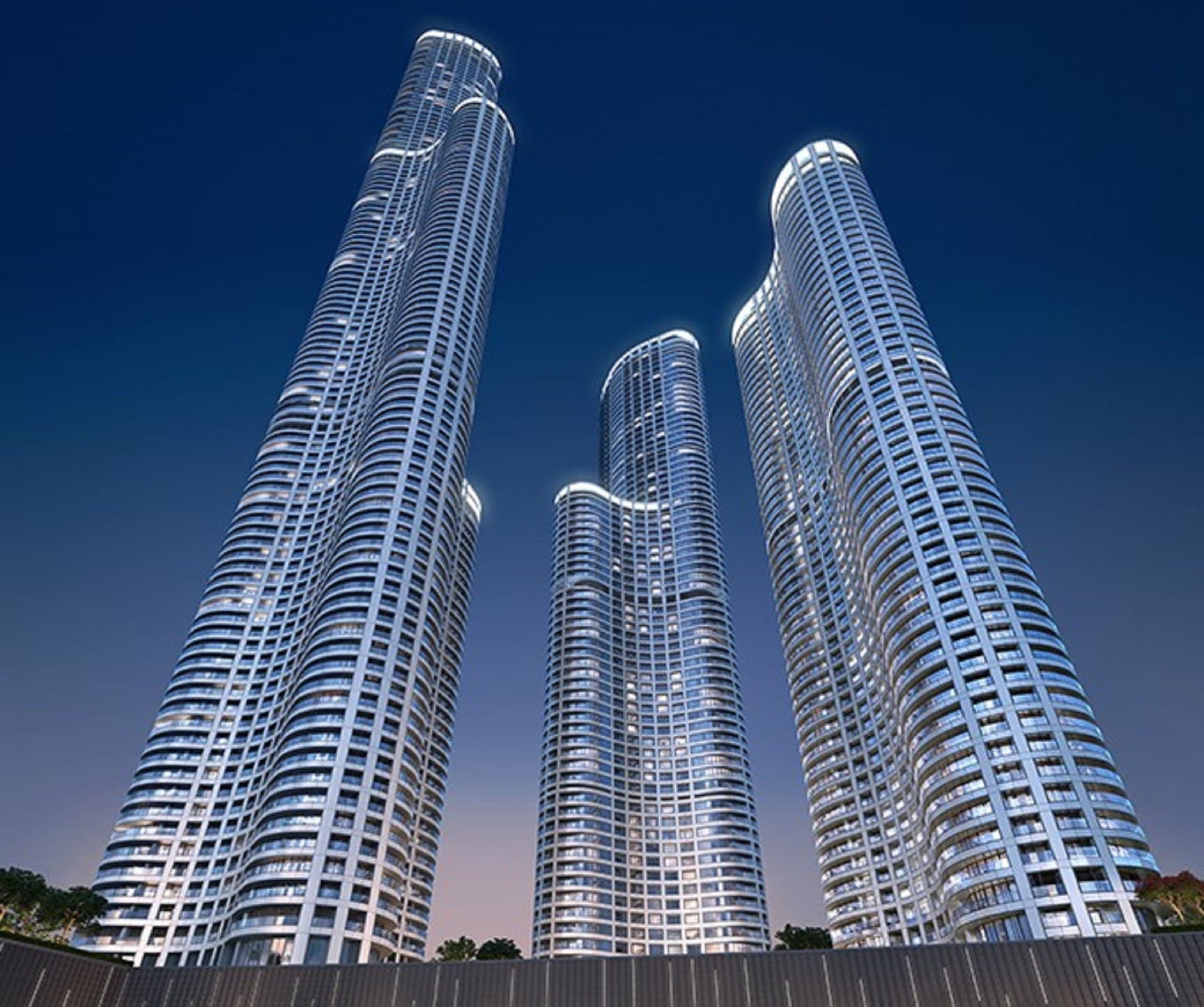
A buyer who picked up a 3 BHK at Lodha World One in 2014 for ₹7.2 Cr can sell that same unit today for ₹21 Cr. That's ₹13.8 Cr of long-term capital gain sitting in a single flat. Without structuring, the seller writes a cheque for ₹1.72 Cr in LTCG at the post-July-2024 12.5% flat rate. With the right exit playbook — Section 54 reinvestment, partial 54EC bonds, and the new indexation grandfather rule for pre-23-July-2024 holdings — that bill drops to under ₹20 lakh, sometimes to zero. This is the decision tree Property Butler walks every Lower Parel and Prabhadevi seller through before they sign an MOU.
Why This Matters Now (May 2026)
The Finance Act 2024 changed LTCG on real estate from 20% with indexation to 12.5% without indexation for properties acquired on or after 23 July 2024. For pre-23-July-2024 acquisitions, the seller can choose whichever method gives the lower tax. Most Lower Parel and Prabhadevi flats bought between 2010 and 2020 have appreciated 2.5–3.5× — indexation usually still wins. Pick the wrong route and you overpay by ₹50 lakh–₹1.5 Cr.
Step 1 — Compute the Gain Both Ways (the grandfather rule)
Every pre-23-July-2024 sale in Lower Parel and Prabhadevi has to be modelled twice. Property Butler runs both in a single workbook so the seller sees the cheaper number on screen. Here is the live arithmetic for the World One 3 BHK example:
| Computation Step | Method A: 20% with Indexation | Method B: 12.5% Flat |
|---|---|---|
| Sale consideration | ₹21.00 Cr | ₹21.00 Cr |
| Acquisition cost (FY 2014–15) | ₹7.20 Cr | ₹7.20 Cr |
| Cost Inflation Index (240 → 363, FY26) | Indexed cost ₹10.89 Cr | Not allowed |
| Stamp duty + registration capitalised | ₹50 lakh → indexed ₹75.6 lakh | ₹50 lakh (raw) |
| Brokerage paid (2% of sale) | ₹42 lakh | ₹42 lakh |
| Net taxable LTCG | ₹8.93 Cr | ₹12.88 Cr |
| Tax rate | 20% | 12.5% |
| Tax payable (before exemptions) | ₹1.79 Cr | ₹1.61 Cr |
Method B (12.5% flat) wins by ₹18 lakh on this 2014 acquisition. But the relationship flips for any flat held 12+ years — a Lodha Bellissimo 4 BHK bought in 2009 at ₹5 Cr now sells at ₹18 Cr, and indexation pulls the indexed cost to roughly ₹12.5 Cr, leaving only ₹5.5 Cr taxable at 20% (₹1.10 Cr) versus ₹1.625 Cr at 12.5%. Always run both. Property Butler's standard practice is a side-by-side workbook handed over before the agreement is drafted.
Step 2 — Section 54: Roll the Gain into Another Residence
Section 54 of the Income Tax Act lets you reinvest LTCG from one residential property into another residential property within prescribed time windows and pay zero tax on the matched amount. The mechanics:
✓ Time Windows (strict)
- Buy ready property: within 2 years AFTER sale
- Buy ready property: within 1 year BEFORE sale
- Construct/under-construction: within 3 years AFTER sale
- If not used by IT return due date: park in Capital Gains Account Scheme (any nationalised bank)
✗ Section 54 Limits Post-FY24
- Reinvestment exemption capped at ₹10 Cr per assessee since 1 April 2023
- Only ONE residential property allowed (with the two-property exception below)
- New flat must be held 3 years; selling earlier reverses the exemption
- Buying in spouse's sole name disqualifies (use joint name with PAN holder)
For a Lower Parel seller exiting at ₹21 Cr with ₹12.88 Cr gain, the typical structuring is: roll ₹10 Cr into a new under-construction Tier-1 Prabhadevi 4 BHK (Rustomjee Crown Tower 3 or Kalpataru Oceana resale) and pay residual tax only on the unmatched ₹2.88 Cr. That cuts the tax bill from ₹1.61 Cr to roughly ₹36 lakh.
Step 3 — Section 54EC: ₹50 Lakh Sponge in NHAI / REC Bonds
For sellers who don't want a second flat (or have already used the once-in-a-lifetime two-property exemption), Section 54EC parks up to ₹50 lakh of LTCG in REC, NHAI, PFC or IRFC infrastructure bonds within 6 months of sale. The bonds carry a 5-year lock-in and yield ~5.25–5.5%. The tax saved on ₹50 lakh at 12.5% is ₹6.25 lakh; for a couple holding the property jointly, both spouses can each park ₹50 lakh → ₹1 Cr sponge, ₹12.5 lakh tax saved.
Stacked Exemption — Worked Example
₹21 Cr sale → ₹12.88 Cr gain → ₹10 Cr Sec 54 + ₹1 Cr Sec 54EC = ₹1.88 Cr taxable
Final LTCG payable: ₹1.88 Cr × 12.5% = ₹23.5 lakh (vs. ₹1.61 Cr unstructured)
Step 4 — The Two-Property Exception (Once-in-Lifetime, ₹2 Cr Cap)
Where the LTCG does not exceed ₹2 Cr, Section 54 allows reinvestment into two residential properties instead of one — a once-in-a-lifetime option. This is gold for sellers exiting smaller Prabhadevi / Lower Parel 2 BHKs where the gain is moderate. A buyer who exits a Marathon NextGen Era 2 BHK at ₹4.2 Cr (acquired 2018 for ₹1.95 Cr, gain ₹2 Cr) can split the proceeds into a Bandra West 2 BHK and a Worli 1 BHK — zero tax on the entire ₹2 Cr gain.
Step 5 — Watch the Section 50C Trap (Stamp Duty Value Override)
Section 50C says if the agreement value is more than 10% below the Ready Reckoner stamp duty value, the IT Department deems the sale price equal to the RR value. Lower Parel's 2026 RR rate sits at ₹74,400/sqft for residential; Prabhadevi RR is ₹88,200/sqft. A seller who agrees a deal at ₹65,000/sqft on a Prabhadevi flat is 26% below RR — the IT Department recomputes the gain at the RR price even though the seller never received that money.
Property Butler's playbook: never under-quote on the agreement. If genuine market value is below RR (true for some Lower Parel under-construction towers), file a Form 50C valuation request with a registered government valuer to get the LTCG anchored to actual sale price.
Step 6 — NRI Sellers: TDS at 20–12.5% on Gross Sale Value
NRI sellers face a brutal upfront withholding: the buyer must deduct TDS at 12.5% on gross sale value (not gain) for indexation-method elections, or 20% with indexation if filing under that rule. On a ₹21 Cr Lower Parel sale, that's a ₹2.625 Cr TDS sitting with the IT Department until the NRI files return and claims refund — typically a 9–14 month wait.
The fix: file Form 13 with the Assessing Officer for a Lower Tax Deduction Certificate (LTDC) before sale. The LTDC computes likely actual tax (after indexation, Sec 54, Sec 54EC) and the buyer deducts only that amount. Property Butler's standard NRI exit timeline builds in 45 days for Form 13 processing before the agreement signing. Skip this and you lock up an extra ₹2 Cr of capital for a year.
NRI Exit — Critical Documentation
PAN, OCI/passport, original agreement, possession letter, society NOC, no-due certificate, RBI repatriation Form 15CA + 15CB (CA-attested), Form 13 LTDC. Without LTDC, expect 9–14 months of capital lock-in. FEMA / RERA NRI handbook →
Step 7 — Joint Ownership Splits the Gain (Saves ₹50 Lakh+)
If the property is held jointly with spouse and both contributed funds at acquisition, the LTCG splits in proportion to contribution. Two assessees can each:
- Use Section 54 separately (two new flats permissible across two assessees)
- Use Section 54EC separately (₹50 lakh each = ₹1 Cr bond sponge)
- Slot residual gain into separate slabs (relevant if either is a senior citizen with basic exemption headroom)
For a couple exiting a Prabhadevi 4 BHK at ₹32 Cr with ₹18 Cr gain split 50:50, this saves roughly ₹12.5 lakh in 54EC, plus structuring flexibility on both halves of the Section 54 reinvestment.
Step 8 — The CGAS Parking Lot (When You Don't Have a Buy Lined Up)
If you sell in May 2026 but haven't picked the next flat by 31 July 2027 (return filing date), park the LTCG in a Capital Gains Account Scheme (CGAS) deposit at any nationalised bank. Two account types: Type A (savings account, withdrawable for purchase only) and Type B (term deposit, locks earnings). The deposit must equal the unutilised LTCG. You then have the full Section 54 window to redeploy. Failure to redeploy means the parked amount becomes taxable in the year the window expires.
Live Inventory — Where Lower Parel/Prabhadevi Sellers Are Redeploying in Q2 2026
Property Butler's exit-to-redeploy desk currently sees three dominant trade patterns:
| Selling From | Reinvesting Into | Why |
|---|---|---|
| Lower Parel 3 BHK (post-OC, 10–14 yr old) | Prabhadevi 4 BHK sea-facing (Rustomjee Crown / Kalpataru Oceana) | Upgrade size + sea view, harvest LTCG into single Sec 54 buy |
| Prabhadevi 4 BHK (15+ yr old) | 2 × Lower Parel 2 BHK (rental + own use) | Once-in-life two-property option, generate ₹7 lakh/mo rental from one |
| Lower Parel 2 BHK (post-OC) | Bandra West / Worli sea-facing 3 BHK | Lifestyle relocation; LTCG < ₹5 Cr fits cleanly into Sec 54 |
Frequently Asked Questions
Can I claim Section 54 if I bought the new flat before selling the old one?
Yes — the law allows reinvestment up to 1 year before sale of the original asset. Many Lower Parel sellers identify their replacement flat (often an under-construction Prabhadevi tower with 6–12 month possession) and book it ahead of listing the existing flat. The booking date counts as acquisition date for the 54 timeline.
Does GST on the new under-construction flat count as part of cost for Section 54 matching?
Yes. GST paid on under-construction property purchase is part of acquisition cost for Section 54 purposes. On a ₹10 Cr Prabhadevi UC flat, the 5% GST (₹50 lakh on the 2/3 land-deducted base) is fully reckoned. Stamp duty (6%) and registration are also included.
What happens if my under-construction Section 54 redeploy gets delayed past 3 years?
If possession slips beyond 3 years, the IT Department has historically allowed extension where the delay is on the developer's side and the buyer can document compliance (booking + payment timeline). The CIT(A) and ITAT have ruled in favour of buyers in multiple Mumbai cases. But it's litigious — Property Butler's standard advice is to redeploy into a project with RERA-registered possession date within 30 months of your sale, leaving a 6-month buffer.
If I'm redeploying into a Lower Parel resale flat, what diligence matters most for the LTCG roll?
Section 54 requires the new flat to be a residential house in India. Commercial conversions, mixed-use floors with shop fronts, or service apartment titles disqualify. Verify CC, OC, and conveyance status before signing the new agreement — otherwise the IT Department can reopen the exemption claim. RTM diligence checklist →
My flat appreciated 4× in 12 years — indexation or 12.5% flat?
For 4× appreciation over 12 years, the CII for FY13 (200) to FY26 (363) gives an indexed cost of roughly 1.82× the original cost. Method A (20% on residual gain) typically beats Method B (12.5% on full nominal gain) by 5–8 percentage points. Run the workbook before deciding — there's no universal rule.
Related Reading
→ Jumbo Home Loan Structuring — Lower Parel / Prabhadevi → Real Buyer Cost — Stamp Duty + GST + Registration → Family Gifting + Stamp Duty Decoder → NRI FEMA + RERA Handbook → Lower Parel Area Guide → Prabhadevi Area GuideSelling a Lower Parel or Prabhadevi flat in 2026?
Property Butler's exit desk runs the dual-method LTCG workbook, structures Section 54 + 54EC, and lines up the redeploy inventory — all in one engagement. Free for sellers who list with us.
Find Your Reinvestment Flat →