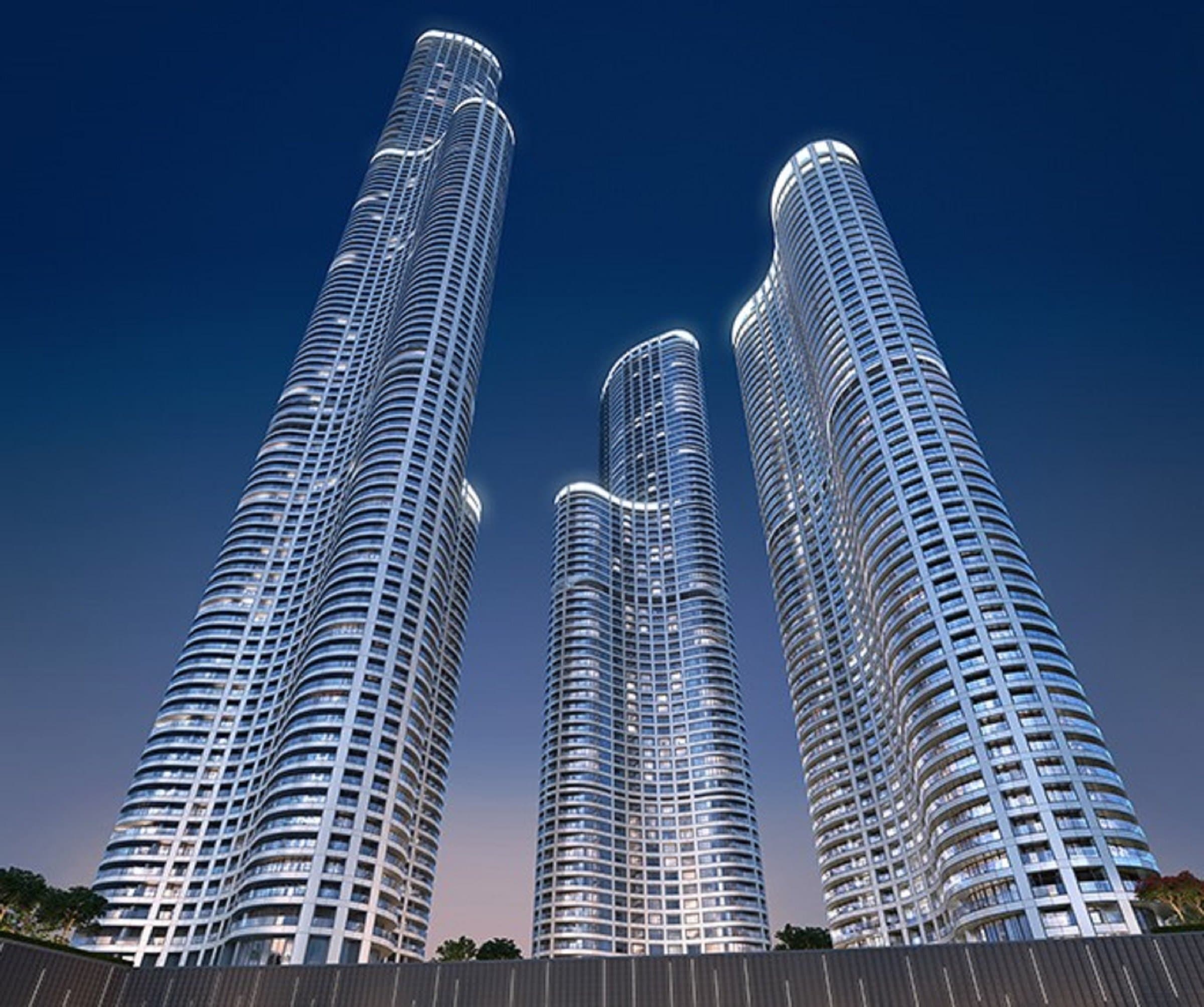
An NRI buying a ₹15 Cr 4 BHK at Indiabulls Sky Forest from Singapore deals with FEMA, RERA, the buyer's bank in Mumbai, the developer's RERA escrow, a Power of Attorney that must be apostilled or attested at the Indian consulate, the income-tax LRS (Liberalised Remittance Scheme) reverse, the TDS-on-purchase 1% deduction, and — if they ever want to take the proceeds back home — Sections 6(5) and 7 of FEMA, 1999 governing repatriation. Most of this can be navigated. Almost none of it is explained on portal sites. Here is the working playbook for NRI buyers in Lower Parel and Prabhadevi.
The single most expensive NRI mistake
Funding a Lower Parel or Prabhadevi purchase from an NRO account when you have NRE funds available. Repatriation cap on NRO routes is USD 1 million per financial year. NRE-funded purchases have no repatriation cap. A ₹30 Cr (~ USD 3.5 mn) deal funded NRO can take 4 years to repatriate. NRE-funded, the same deal repatriates in one transaction.
FEMA: what NRIs are actually allowed to buy
Under FEMA, 1999 (read with RBI Master Direction on Acquisition and Transfer of Immovable Property), an NRI / OCI is permitted to acquire any residential or commercial property in India by purchase. Permitted: apartments at Rustomjee Crown, Lodha World Towers, Indiabulls Sky Forest, Kalpataru Oceana, V Mansion. Permitted: an office plate at Marathon Futurex or One Indiabulls Centre. Permitted: a Lower Parel ground-floor retail shop. Not permitted without RBI approval: agricultural land, plantation property, farmhouse plots — none of which exist in Lower Parel or Prabhadevi anyway, so this constraint is theoretical for our market.
The funding route is the operational question. Three legal channels:
| Funding Route | Source | Repatriation | When to use |
|---|---|---|---|
| NRE Account | Foreign earnings remitted to India | Unlimited | Always preferred. Default route. |
| Inward FCNR / Direct Wire | Foreign currency wire from abroad | Unlimited | Large lump-sum, FX timing matters |
| NRO Account | Indian-origin income (rent, dividend, sale proceeds) | USD 1 mn / year cap | Only if NRE / inward isn't viable |
RERA verification — the NRI-specific traps
Every project in Lower Parel and Prabhadevi carries a MahaRERA registration ID. Before signing any allotment letter, the NRI buyer must:
1. Verify the RERA ID on maharera.maharashtra.gov.in. Not on the developer's website. Not on a portal. Direct on the regulator's site. Look for: project name match, total saleable area, declared possession date, builder's PAN, encumbrance status, and the registered project bank account. Rustomjee Crown's MahaRERA, Indiabulls Sky Forest's MahaRERA, Lodha World Towers' MahaRERA — all separately verifiable.
2. Confirm escrow account compliance. Section 4(2)(l)(D) of RERA, 2016 requires 70% of buyer payments to flow into a designated escrow used only for that project's construction. Ask the developer for the project escrow account name and IFSC. Cross-check it on the RERA-listed project bank account. Funds going to the developer's general operating account are non-compliant.
3. Pull the latest quarterly RERA progress report. RERA mandates quarterly disclosures: % construction complete, expenditure-to-date, revised possession date if any. Stale or missing quarters are a red flag. For under-construction Prabhadevi inventory (Oceana, V Mansion) this is non-negotiable.
4. Verify Form B and the architect's certificate. Both should be available via the project's RERA page. Mismatches between approved plans and the brochure floor plan are common — and very hard to fix once you've paid 20% of consideration.
The Power of Attorney question — and why it usually goes wrong
Most NRI buyers cannot fly to Mumbai for every signature. The legal vehicle is a Power of Attorney (PoA) appointing an India-based representative — typically a parent, sibling, family lawyer, or specialist real-estate counsel. The PoA must be:
✓ Valid PoA structure
- Drafted by Indian counsel — not generic templates
- Specific (limited to this property transaction) — not general
- Apostilled (Hague countries) or consularised (non-Hague)
- Adjudicated and stamp-duty-paid in Mumbai
- Registered at the local Sub-Registrar where applicable
- Carries clear principal-to-attorney revocation clauses
✗ Common PoA failures
- Notarised abroad but not apostilled / consularised
- General PoA covering all properties forever
- Drafted without recital of the specific property RERA ID
- Not stamp-duty paid in Maharashtra (₹500 + 0.1% on value)
- Attorney's PAN / address not verified
- No survival clause — lapses if principal becomes incapacitated
Home loans for NRIs — what banks actually offer in 2026
HDFC, ICICI, SBI, Axis, and Kotak all run NRI home loan programmes. As of 2026 the broad parameters are: 75-80% LTV (against 80-85% for residents), tenure capped at 20-25 years (must end by 60-65 of borrower), interest rates typically 25-50 bps above resident card rates, processing fees 0.5-1% of loan amount. Salary slips, last 2 years' tax returns from country of residence, employer letter, and an India-based co-applicant or guarantor are usually required.
For Lower Parel / Prabhadevi tickets typically ₹3-30 Cr, banks generally finance up to ₹10 Cr standalone for NRIs without lengthy escalation. Above ₹10 Cr you'll need a private banking relationship route — HDFC's private banking division and ICICI's wealth-management mortgage desk both handle this. SBI is competitive on rates but slow on documentation. Foreign banks operating in India (HSBC, Standard Chartered) offer NRI mortgages but typically only if the borrower already has a private banking relationship with them.
TDS, capital gains, and the tax surface
An NRI selling a Lower Parel or Prabhadevi property is subject to TDS at 20.8% (LTCG) or 30%+ surcharge (STCG) on the sale value (not just the gain) — to be deducted by the buyer at the time of payment. The seller can apply for a Lower Deduction Certificate (Form 13) to the income-tax department to bring TDS down to actual capital gains tax — without it, the buyer is statutorily required to deduct on gross consideration.
An NRI buying faces 1% TDS on transactions above ₹50 lakh under Section 194-IA — same as residents. The flip happens on resale: if the NRI sells to a resident, the resident-buyer must deduct TDS at the much higher NRI rates above (not 1%). This is routinely missed. The Form 13 certificate before closing is critical to avoid a 7-figure rupee block on sale proceeds for 12-18 months.
Long-term capital gains (held > 24 months) attract 12.5% (post-2024 budget revision) plus surcharge and cess. Indexation benefit was reduced post-FY 24-25 for properties acquired post-July 2024. NRIs can claim Section 54 (reinvestment in another residential property in India) and Section 54EC (REC / NHAI bonds, ₹50 lakh annual cap) exemptions on the same terms as residents.
NRI Repatriation Limit (NRO Account)
USD 1,000,000 / year
NRE-funded purchases have unlimited repatriation. Always pay from NRE if you have FX available.
The closing sequence for an NRI deal
A clean NRI close on a Lower Parel or Prabhadevi property follows this exact order: (1) due diligence and RERA verification (2-3 weeks); (2) token / earnest money via NRE wire (₹25-50 lakh typical); (3) drafting of Memorandum of Understanding by Indian counsel; (4) apostilled PoA execution at home country (4-6 weeks if Hague; 6-10 weeks if non-Hague consularisation needed); (5) bank loan sanction in parallel if leveraged (4-6 weeks); (6) Agreement for Sale execution — often by PoA holder; (7) stamp duty + registration (within 4 months of agreement); (8) 1% TDS deposit by buyer (Form 26QB); (9) handover and possession or pre-OC instalments per RERA-approved schedule.
Total timeline for an end-to-end transaction from first inquiry to registered agreement: 10-16 weeks for ready property; 16-24 weeks for under-construction. Plan around your home-country tax year if you want the deal to span into your next FY for income-tax planning.
Frequently Asked Questions
Can I buy in joint name with a resident parent or sibling?
Yes — and it's often advisable for property tax filing simplicity, India-based account operations, and for inheritance planning. Both names appear on the agreement. Each co-owner pays stamp duty proportionate to their share. The repatriation rules then apply to your share only — the resident co-owner has no FEMA constraint.
Do I need to file ITR in India just because I bought a property?
If you have no Indian income (rental, interest, dividend), purchasing a property does not by itself trigger an ITR filing requirement. However: if the property earns rent, capital gains arise on sale, or interest accrues on NRO deposits, you must file. Most NRI owners file every year as a clean record for future repatriation and Form 13 LTC certificate applications.
Can the developer accept payment from my foreign bank directly?
Yes — via inward foreign currency wire to the developer's INR account through an authorised dealer bank. The developer must issue an FIRC (Foreign Inward Remittance Certificate) confirming the source. This is treated as NRE-equivalent for repatriation purposes. Always get FIRCs in writing — they are required years later when you sell and repatriate.
What's the GST treatment for an NRI buyer of an under-construction Lower Parel flat?
Same as residents: 5% GST on under-construction luxury (above ₹45 lakh), 1% on affordable. GST applies on the agreement value, not the carpet area. NRI status does not change the rate. Once OC is received, GST does not apply on subsequent resale — that becomes a stamp-duty-only transaction.
If I'm OCI, am I treated as NRI for FEMA?
Yes. OCI cardholders enjoy the same property acquisition rights as NRIs under FEMA. The only difference is some KYC nuances at bank level — you'll need OCI card + foreign passport + a PAN. RBI treats OCIs and NRIs identically for property transactions.
Related Reading
→ Lower Parel + Prabhadevi Real Buyer Cost — Stamp Duty + GST → Prabhadevi MahaRERA Decoder Buyer Guide → Lower Parel Home Loan Eligibility Bank Matrix → NRI Property Investment Guide — Mumbai Overview → Lower Parel Area Guide → Prabhadevi Area GuideNRI buying in Lower Parel or Prabhadevi?
Property Butler runs end-to-end NRI deals — from RERA verification to PoA structuring to the registration counter. We've closed in 14 countries.
Browse SoBo NRI-Ready Inventory