Of the 372 active sale listings Property Butler tracks in Lower Parel, 282 are ready-to-move — roughly 96% of the sale market. That's a structural advantage for buyers in this corridor: you can see the actual flat, walk through the building, talk to existing residents, and avoid construction risk entirely. But it's also where 30% of Lower Parel deals quietly fall apart in the last 30 days before registration. Not because of price. Because of paperwork. The OC was provisional. Conveyance hasn't happened. Parking is unallotted. The society isn't formed. Maintenance dues from the previous owner are unpaid. This is the 14-point checklist Property Butler runs before handing over any Lower Parel ready-to-move flat.
The headline number
Roughly 30% of ready-to-move Lower Parel resale deals stall or fail in the final 30 days before registration. The four most common reasons: missing or provisional OC, incomplete conveyance, unallotted parking, and unpaid maintenance arrears from the previous owner. None of these are reflected in asking price. All four are catchable in pre-deal diligence.
Why Lower Parel needs more diligence than other Mumbai markets
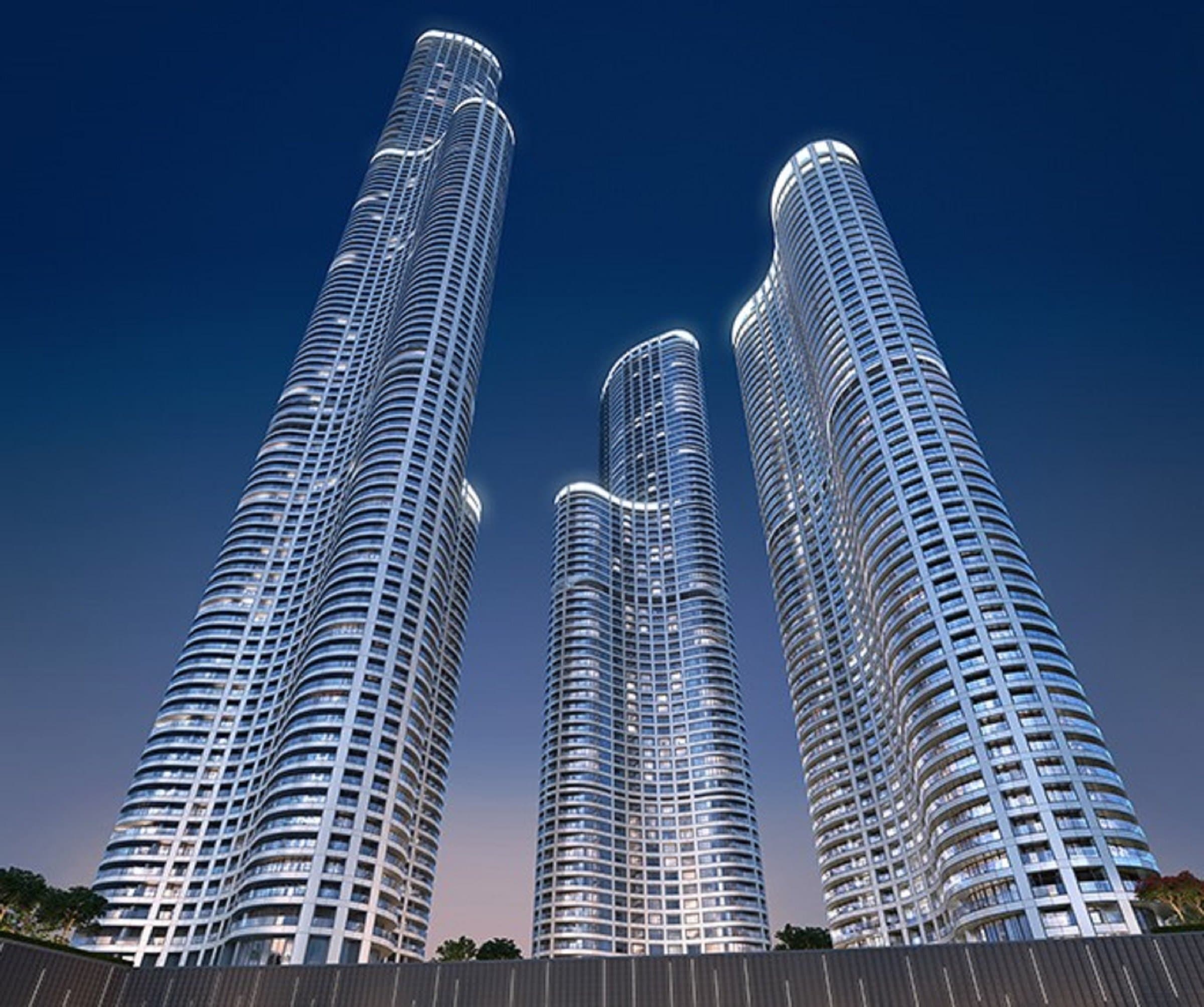
Lower Parel is mill-land redevelopment territory. The land conversion process from textile mills to residential / mixed-use commercial happened in three regulatory waves between 2001 and 2018. Each wave left some buildings with title quirks: portions of the original mill compound that were later subdivided, encroachment buffer zones, society conveyance still pending from the developer, parking that was sold separately from the main flat. The big megastructures — Indiabulls Sky Forest, Lodha World Crest, Lodha World One, Marathon NextGen Era, One Avighna Park — all carry some flavour of these legacies. Most are resolved. Some aren't. The buyer must verify, building by building.
The 14-point checklist
Pre-registration — paperwork (do all of these in days 1–14)
- Occupation Certificate (OC) — final, not part-OC. Some Lower Parel buildings received part-OC for occupied wings while the rest of the structure was still under construction. A part-OC unit has different sale-deed implications and may face issues at registration. Demand the full final OC document, dated, with all wings listed.
- Building completion certificate (BCC) and commencement certificate (CC). These verify the structure conforms to approved plans. Mismatch between approved plans and actual built area shows up here. Ask for them in PDF — many sellers don't have them on hand and need to retrieve from the developer.
- Society conveyance status. Has the developer transferred ownership of the building land to the cooperative society? In Lower Parel, conveyance is incomplete in roughly 25% of buildings even 5–8 years post-OC. Buying into an unconveyed building means the society can't formally hold title — it's a known legal exposure. Ask: is the deed of conveyance executed, registered, and stamped?
- Society formation and registration. Cooperative society must be registered under the Maharashtra Cooperative Societies Act with a registration number. Verify the number with the Registrar of Cooperative Societies. Unregistered societies have no legal standing to issue NOC, transfer share certificates, or collect maintenance.
- Share certificate of seller. The seller must hold an original share certificate issued by the society in the seller's name. If the unit was previously transferred and the share certificate was never updated, that's a red flag. Original certificate, not photocopy. The numbers on it must match the flat number and floor on the agreement.
- NOC from society for the sale. The society must issue a no-objection certificate for the transfer. Some Lower Parel societies have transfer fees, transfer charges, or membership-policy issues that can delay this. Get the NOC before you sign the agreement, not after.
- Maintenance payment ledger and dues clearance. Pull the seller's maintenance ledger from the society. Check for outstanding dues, special-purpose levies (sinking fund, repair fund), and pending society assessments. Unpaid arrears transfer to the buyer as society liability. A standard non-negotiable: seller clears all dues before agreement, society confirms in writing.
Pre-registration — physical (do all of these in days 7–21)
- Parking allotment confirmation. Mumbai building parking is one of three legal types: (a) common-area parking with no individual allotment, (b) parking sold as a separate parking-bay agreement, or (c) parking listed in the main flat sale deed. Lower Parel megastructures use all three. Verify which applies, get the parking allotment letter from the society, and confirm the bay number matches the seller's claim. Parking disputes at handover are frequent.
- Carpet area verification. The carpet area declared in the sale deed must match the actual measured carpet. Indiabulls Sky Forest 3 BHK units, for example, span 2,033 to 2,912 sqft across configurations — wide variance. Get a RERA-compliant carpet area declaration. If the seller can't produce one, measure it before agreement.
- Layout-plan match. Approved RERA / sanctioned plans for the flat layout must match the actual built layout. Some Lower Parel flats have non-approved alterations — bathroom moved, kitchen extended, balcony enclosed. These can void society NOCs or trigger BMC violation notices. Compare the approved plan to the as-built and document any differences.
- Property tax assessment and clearance. Latest BMC property tax assessment must be paid up. Outstanding property tax follows the property, not the previous owner. Verify on the BMC portal using the property's property identification number. Get a paid-up certificate from BMC for handover documentation.
- Electricity and water connection transfer. Both must be in the seller's name and ready for transfer to the buyer's name. Adani Electricity / Tata Power for electricity and BMC water department for water. Pre-handover, get both bill statements with no outstanding dues. Plan transfer paperwork to start the week before registration.
Registration day — non-negotiables
- Stamp duty and registration fee paid before agreement upload. Maharashtra stamp duty in Mumbai is 5% of agreement value or ready reckoner value (whichever is higher) plus 1% metro cess (where applicable) plus 1% registration fee. On a ₹10 Cr agreement, that's roughly ₹70 lakh of upfront tax. Pay through the e-stamping portal before agreement signing — paper challans are slower and create delays at sub-registrar.
- TDS deduction at 1% (or 20% for NRI sellers). If the agreement value is ₹50 lakh or more (which all Lower Parel deals are), the buyer must deduct 1% TDS under Section 194-IA at payment. For NRI sellers, the TDS rate is 20% under Section 195. The TDS challan number must accompany the registration paperwork. Buyers often miss this and face later notices.
Real Cost of a ₹10 Cr Lower Parel Handover
~₹70–80 lakh upfront
Stamp duty + metro cess + registration + TDS + brokerage + handover fees
Building-specific quirks Property Butler tracks
| Building | Specific diligence focus |
|---|---|
| Indiabulls Sky Forest | Verify which of the three towers your unit is in. Tower-wise parking and lift access differ. Ask for OC for the specific tower, not the project. |
| Lodha World Crest / World Towers | Society conveyance was completed in phases. Verify your wing's conveyance status. Maintenance is on the higher end for Lower Parel — pull the latest assessment. |
| Marathon NextGen Era | Some units have been re-leased and re-sold multiple times — verify the chain of title goes cleanly from developer to current seller through registered agreements. |
| Lodha Allura | Newer building — society and conveyance still maturing. Get the most recent maintenance schedule and any pending sinking-fund levies. |
| Sarvesh One | Currently in handover phase (Dec 2026). Verify each milestone — completion certificate, OC, conveyance — as it occurs. Pre-OC purchases should hold final 5% till OC issuance. |
| Marathon Futurex | Mixed-use building (offices + residential). For residential units, verify the residential FSI use approval and that the unit isn't classified as commercial in BMC records. |
The four deal-killers (and how to catch them early)
✗ Killer 1 — Missing OC
Some sellers have the part-OC and call it OC. Demand the final OC for the entire building. Banks often refuse loans against part-OC properties.
✗ Killer 2 — Unallotted parking
Society parking allotment letters not issued, or issued to the original buyer not the current seller. Verify chain of allotment and that the bay is currently in the seller's name.
✗ Killer 3 — Pending arrears
Maintenance dues, special levies, repair-fund contributions. These transfer to the buyer. Get the society to confirm zero outstanding in writing — not just from the seller.
✗ Killer 4 — Society NOC delays
Some societies take 30–60 days to issue NOC. If the buyer's loan sanction has a tighter deadline, the deal can collapse. Start the NOC process week 1, not after agreement.
Frequently asked questions
How long should the full handover diligence take?
28–35 days from initial agreement-in-principle to registration. The first 14 days cover paperwork retrieval (OC, conveyance, share certificate, maintenance ledger, NOC). Days 15–21 are physical verification (carpet, layout, parking, utilities). Days 22–28 are payment and TDS handling. Day 29–35 is registration. Compressed timelines under 21 days carry materially higher dispute risk.
Can I skip the diligence on a brand-name developer like Lodha or Indiabulls?
No. Brand-name doesn't immunise the unit from previous-owner issues. The developer's reputation covers construction quality, not the seller's maintenance arrears, parking allotment status, or transfer compliance. Run the full checklist regardless of building. The 30% deal-failure rate at handover is roughly even across building grades.
What's the actual upfront cost on a ₹10 Cr Lower Parel ready-to-move flat?
Roughly ₹71–80 lakh in addition to the agreement value. Breakdown: 5% stamp duty (₹50 lakh) + 1% metro cess where applicable (₹10 lakh) + 1% registration (₹10 lakh) + 1% TDS deducted from seller (₹10 lakh, but this is technically not a buyer cost — it's a TDS deduction) + brokerage (typically 1%, ₹10 lakh) + society transfer charges (₹0.5–1.5 lakh) + miscellaneous handover fees (₹50,000–₹1 lakh). NRI sellers add 20% TDS and additional documentation costs.
What if the seller refuses to provide all the documents on the checklist?
Walk away. A seller unwilling to produce OC, conveyance, share certificate, society NOC, and maintenance ledger is either disorganised or has something to hide. In either case, the deal is high-risk. Property Butler's experience: the time spent chasing a non-cooperative seller is better invested in the next 5 listings, of which Lower Parel has 372. Walk and re-list.
Does this checklist apply to under-construction (UC) Lower Parel buyers too?
Partially. UC buyers have a different diligence flow — RERA registration, possession-linked payment plan, sale agreement against allotment letter, possession certificate at handover. The handover-day diligence (parking, OC, society formation) still applies once OC is received and society forms. Run the post-OC checklist 30 days before final handover and possession.
Related Reading
→ Ready to Move Inventory in Lower Parel → Lower Parel Maintenance & CAM Reality Check → Indiabulls Sky Forest Buyer Decoder → Lower Parel vs Prabhadevi PSF Gap Decoded → Lower Parel & Mahalaxmi Property Guide → Lower Parel Area GuideBuying a ready-to-move flat in Lower Parel?
Property Butler runs the full 14-point handover diligence on every transaction we manage — so you don't end up in the 30% that stalls or fails at registration.
Search Lower Parel RTM Inventory