When a buyer sets a ₹10 Cr budget for Lower Parel or Prabhadevi, the most common mistake is treating that as the all-in number. It isn't. On a ₹10 Cr ready-to-move flat in this corridor, the actual cost-to-register sits between ₹10.71 Cr and ₹10.95 Cr depending on metro cess applicability, brokerage rate, and whether the seller is resident or NRI. On a ₹10 Cr under-construction flat with GST, the all-in cost climbs to ₹11.21 Cr. That's an extra ₹71 lakh to ₹1.21 Cr on top of the asking price — large enough to break a financing plan if it's not built into the budget upfront. Property Butler's full all-in cost decoder.
The headline number
All-in cost on a ₹10 Cr Lower Parel or Prabhadevi flat: ₹10.71 – ₹11.21 Cr depending on possession status (RTM vs UC), seller residency (resident vs NRI), and brokerage rate. The biggest single line item is stamp duty + metro cess + registration at ₹61–71 lakh.
The 7 cost lines on every Lower Parel / Prabhadevi purchase
1. Stamp duty — 5% of agreement value (or ready reckoner, whichever higher)
Maharashtra stamp duty in Mumbai is 5% of the agreement value or the locality's ready reckoner value, whichever is higher. On a ₹10 Cr agreement, that's ₹50 lakh. The 'ready reckoner' is a circle rate set by the state government — for both Lower Parel and Prabhadevi, the RR rate is well below current market PSFs, so almost every transaction in this corridor is stamped on agreement value, not RR. Don't try to under-state the agreement value to save stamp duty — the BMC and registrar cross-check against valuation circle rates and any deficit triggers a notice and penalty.
2. Metro cess — 1% of agreement value (where applicable)
The Maharashtra government levies a 1% metro cess on top of stamp duty in selected districts to fund Mumbai metro projects. It applies to most of South Mumbai including Lower Parel, Prabhadevi, Worli, Mahalaxmi. On a ₹10 Cr agreement, that's an additional ₹10 lakh. Verify with your registration consultant whether the cess is currently in effect at registration time — it has been periodically suspended and reinstated by the state government over 2022–2026.
3. Registration fee — 1% of agreement value (capped at ₹30,000 — but rarely matters for ₹50 lakh+ deals)
Maharashtra registration fee is technically 1% of agreement value capped at ₹30,000. But for properties above ₹30 lakh, the fee structure shifts to 1% with no effective cap for high-value transactions in practice. On a ₹10 Cr agreement in Mumbai, expect ₹10 lakh approximately. Net registration cost (sub-registrar fees + handling + minor levies) typically runs ₹10–10.5 lakh on a ₹10 Cr deal.
4. GST — 5% on under-construction (UC), 0% on ready-to-move (RTM)
GST is the single biggest swing factor between RTM and UC. Under-construction purchases attract 5% GST on agreement value (without input tax credit benefit to the buyer). Ready-to-move purchases — defined as flats with occupation certificate at the time of agreement — attract 0% GST. On a ₹10 Cr UC deal, GST is ₹50 lakh. On a ₹10 Cr RTM deal, GST is zero.
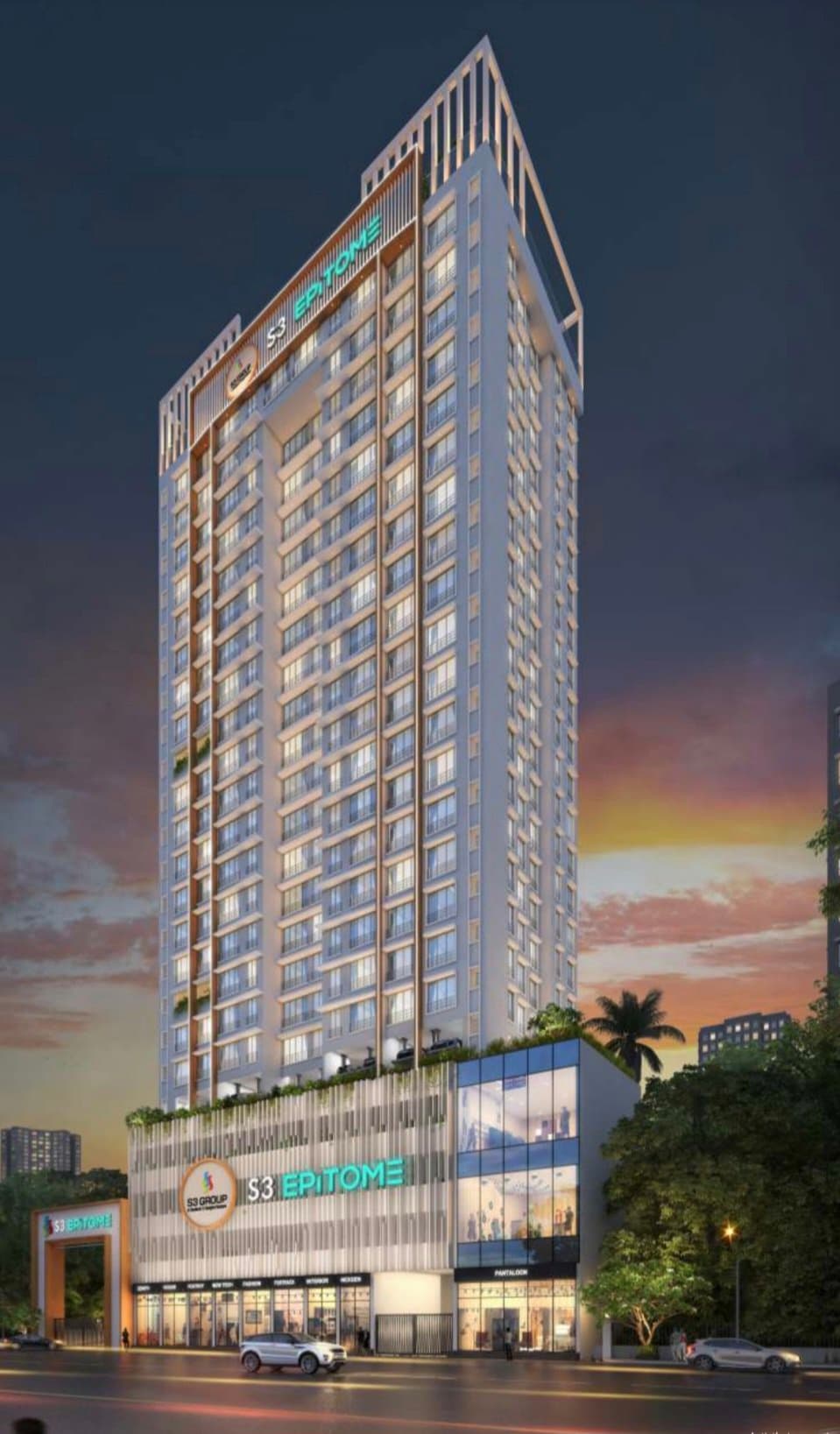
Critical buyer note: The 5% GST applies even if the building is 95% complete and the seller calls it 'almost RTM'. The legal test is OC issuance date versus agreement date. If OC is issued after the agreement, GST applies. Many buyers in Lower Parel newer launches (Sarvesh One Dec 2026 possession) will face GST at agreement. Plan accordingly.
5. TDS — 1% (resident seller) or 20%+ (NRI seller)
Section 194-IA mandates the buyer deduct 1% TDS on the agreement value at payment if the value is ₹50 lakh or more. The TDS amount is paid to the Income Tax Department in the seller's name; the buyer files Form 26QB and provides Form 16B to the seller. On a ₹10 Cr resident-seller deal, TDS is ₹10 lakh — deducted from the seller's payment, not added to the buyer's outlay. The buyer's compliance burden is simply to deduct, deposit, and provide certificate.
NRI seller scenario: Section 195 mandates a higher TDS rate of 20% (long-term capital gains) or higher, applied on the full agreement value (with refund mechanism on the seller's tax return). On a ₹10 Cr NRI deal, the buyer must deduct ₹2 Cr TDS at payment — a major cash flow hit even though the seller eventually claims it back. Pre-plan with the seller to file Form 13 for a lower TDS rate (often achievable at 1–3% for genuine long-term holdings).
6. Brokerage — typically 1% (sometimes 2% on premium / off-market deals)
Mumbai luxury market brokerage is typically 1% of agreement value, paid by the buyer (sometimes split with seller). On a ₹10 Cr deal, that's ₹10 lakh. Some off-market or specialised deals (NRI-managed sales, distressed inventory, hard-to-find configurations) carry a 1.5–2% rate. Property Butler's standard rate for direct buyer representation is 1%, with full pre-deal diligence and post-deal handover support included.
7. Society transfer fee + miscellaneous — ₹1–3 lakh
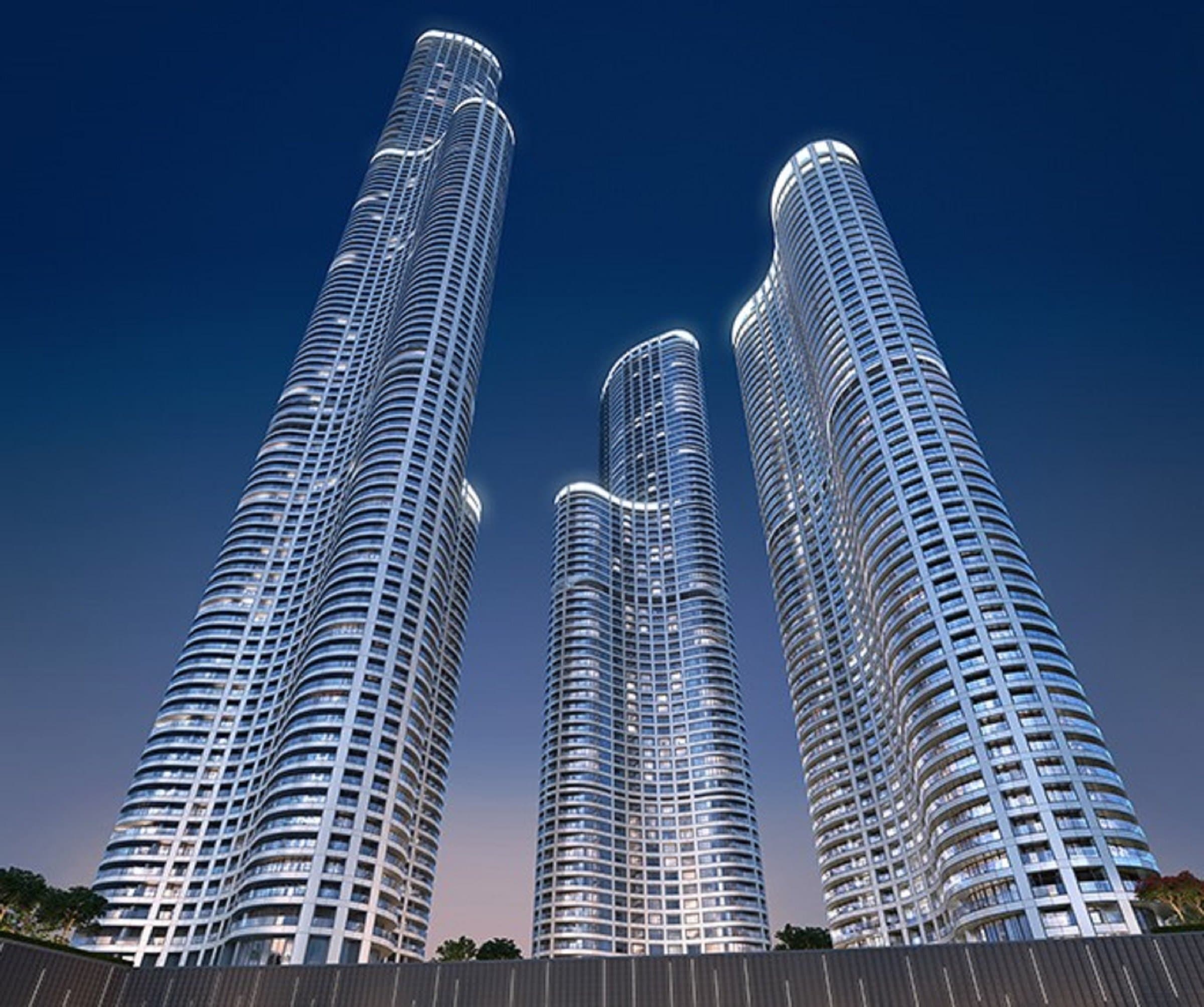
Society transfer fees vary by building: typical Lower Parel megastructures (Sky Forest, Lodha World Crest) charge ₹50,000–₹1.5 lakh as transfer fee + share certificate fee. Older Prabhadevi society redevelopment buildings may have higher transfer charges (some at 1% of agreement value). Add miscellaneous costs: agreement drafting, RERA compliance certificates, sub-registrar handling, name change in society + utilities — collectively ₹50,000 to ₹1.5 lakh.
Putting it all together — three scenarios on a ₹10 Cr flat
* Same buyer cash outlay; the NRI scenario only differs in seller's net receipt (₹2 Cr TDS withheld for refund vs ₹10 lakh for resident).
All-In Cost on a ₹10 Cr Flat
RTM ₹10.81 Cr · UC ₹11.31 Cr
The 5% GST gap is the single biggest reason RTM is winning right now
Why RTM is winning the buyer math right now
The 5% GST differential between under-construction and ready-to-move means UC buyers pay an extra ₹50 lakh on a ₹10 Cr ticket, with no input tax credit recovery. On top of that, UC carries possession risk (delayed handover, design changes), inflation risk (cost escalation passed to buyer), and emotional risk (waiting 2–3 years for handover). Lower Parel's RTM mix is 96% RTM and 4% UC for exactly this reason — buyers in this corridor have voted with their wallets.
The exception: when an UC project's launch PSF is meaningfully below comparable RTM, the GST is partially offset by the lower base price. Sarvesh One in Lower Parel (December 2026 possession) launched at ₹42,000–48,000 PSF — substantially below Indiabulls Sky Forest's resale ₹50,000–60,500 PSF. After GST, the effective Sarvesh One cost climbs back into Sky Forest's range, but the buyer gets new construction with warranty.
Cost-saving plays buyers leave on the table
- Joint registration in spouse's name + first-time-buyer concession. If you and your spouse are both first-time buyers in Maharashtra, joint registration with female ownership can shift the deduction structure and qualify for first-time-buyer concessions where applicable. Worth ₹3–6 lakh on a ₹10 Cr deal.
- Stamp duty on agreement vs RR. Lower Parel and Prabhadevi RR rates are well below market PSFs, so the 5% always applies on agreement value. But for off-market or distressed transactions priced at or below RR, stamp duty becomes the RR floor — verify with the registrar before agreement.
- Negotiate brokerage flexibility. 1% is standard but in markets with stale inventory (Lower Parel 4 BHK 200+ days, Prabhadevi smaller-tower listings), brokers will negotiate 0.5% to close. Saves ₹2.5–5 lakh on a ₹10 Cr deal.
- NRI seller? Pre-arrange Form 13 lower TDS certificate. 30 days before agreement, NRI seller can file for a Form 13 lower TDS rate, often securing 1.5–4% rate vs the 20% default. Hugely improves seller's cash flow at closing — often used as negotiation leverage.
- Time the deal around metro cess on/off cycles. Maharashtra periodically suspends and reinstates the 1% metro cess. A registration timed to a suspension period saves ₹10 lakh on a ₹10 Cr deal. Property Butler tracks current cess status — verify before registration date.
Frequently asked questions
Why is the metro cess sometimes 1% and sometimes 0%?
The Maharashtra government periodically suspends the metro cess for revenue stimulus or property market support. As of mid-2026, the 1% cess is in effect for Mumbai (including Lower Parel and Prabhadevi). Verify current status with your registration consultant 7 days before registration. The cess status often changes around state budget announcements (typically March).
Is GST applicable on under-construction even if the developer offers "GST included"?
If the developer's quoted price is GST-inclusive, the agreement value is grossed-up and the buyer's cash outlay matches the quoted number. If quoted as 'plus GST', the buyer pays GST on top. Read the agreement carefully — many UC contracts state 'agreement value plus all applicable taxes' which means buyer adds 5% on top. Always clarify before signing the booking memorandum.
Can I claim home loan interest deduction on the GST + stamp duty I pay?
Stamp duty + registration are deductible under Section 80C of the Income Tax Act, capped at ₹1.5 lakh annually (in the year of purchase). On a ₹10 Cr deal with ₹70 lakh stamp duty + registration, only ₹1.5 lakh of that is deductible — the rest is the buyer's gross cost. GST on UC is not deductible for residential buyers. Home loan interest paid on the principal is separately deductible up to ₹2 lakh annually under Section 24.
What if the seller refuses to accept TDS deduction?
The buyer is legally required to deduct TDS — the seller's preference is irrelevant. Failure to deduct TDS exposes the buyer to interest, penalty, and potential prosecution. Some sellers misunderstand the mechanism (it's a tax advance, not a tax cost) and protest. Refer them to their CA — TDS is reclaimable in their Income Tax Return. Property Butler's standard process always includes TDS pre-arrangement before agreement.
How do I plan financing around these costs?
Banks finance only the agreement value (not stamp duty, not registration, not GST, not brokerage). On a ₹10 Cr RTM with 80% LTV, the bank lends ₹8 Cr; the buyer's own funds requirement is ₹2 Cr (down payment) + ₹81 lakh (taxes + fees) = ₹2.81 Cr cash. On a ₹10 Cr UC, add ₹50 lakh GST → ₹3.31 Cr cash. Plan financing 90 days in advance and always have 5–10% buffer for unexpected costs.
Related Reading
→ Lower Parel RTM Handover Diligence Checklist → Lower Parel vs Prabhadevi PSF Gap Decoded → Ready vs Under Construction in Mumbai 2026 → Ready Reckoner Rate Mumbai 2026-27 → Stamp Duty Calculator → Lower Parel Area GuidePlan your full Lower Parel or Prabhadevi purchase budget
Property Butler runs the full all-in cost workup — stamp duty, GST, TDS, brokerage, society transfer, and ancillary costs — before you commit. No surprises at registration.
Talk to Property Butler