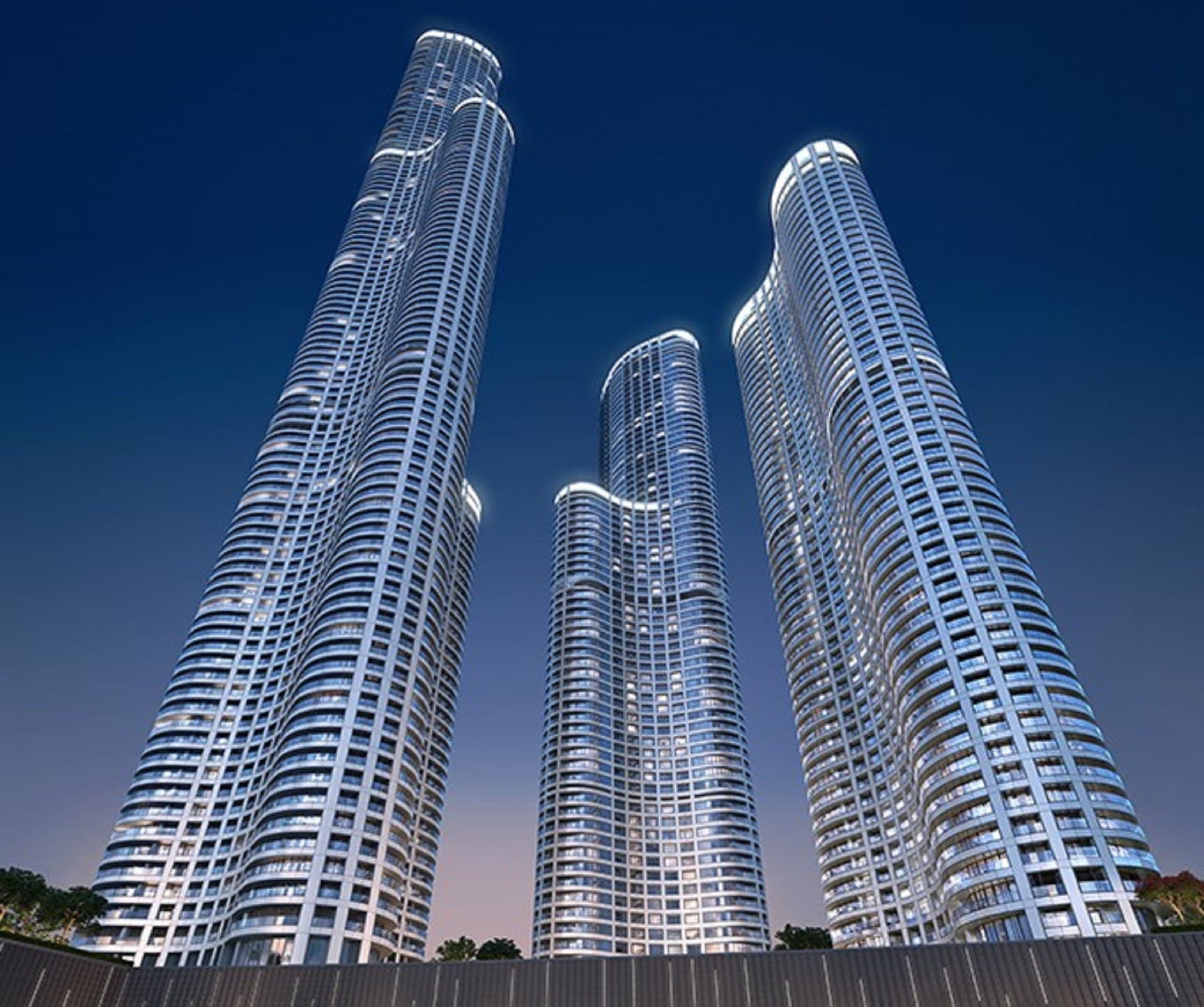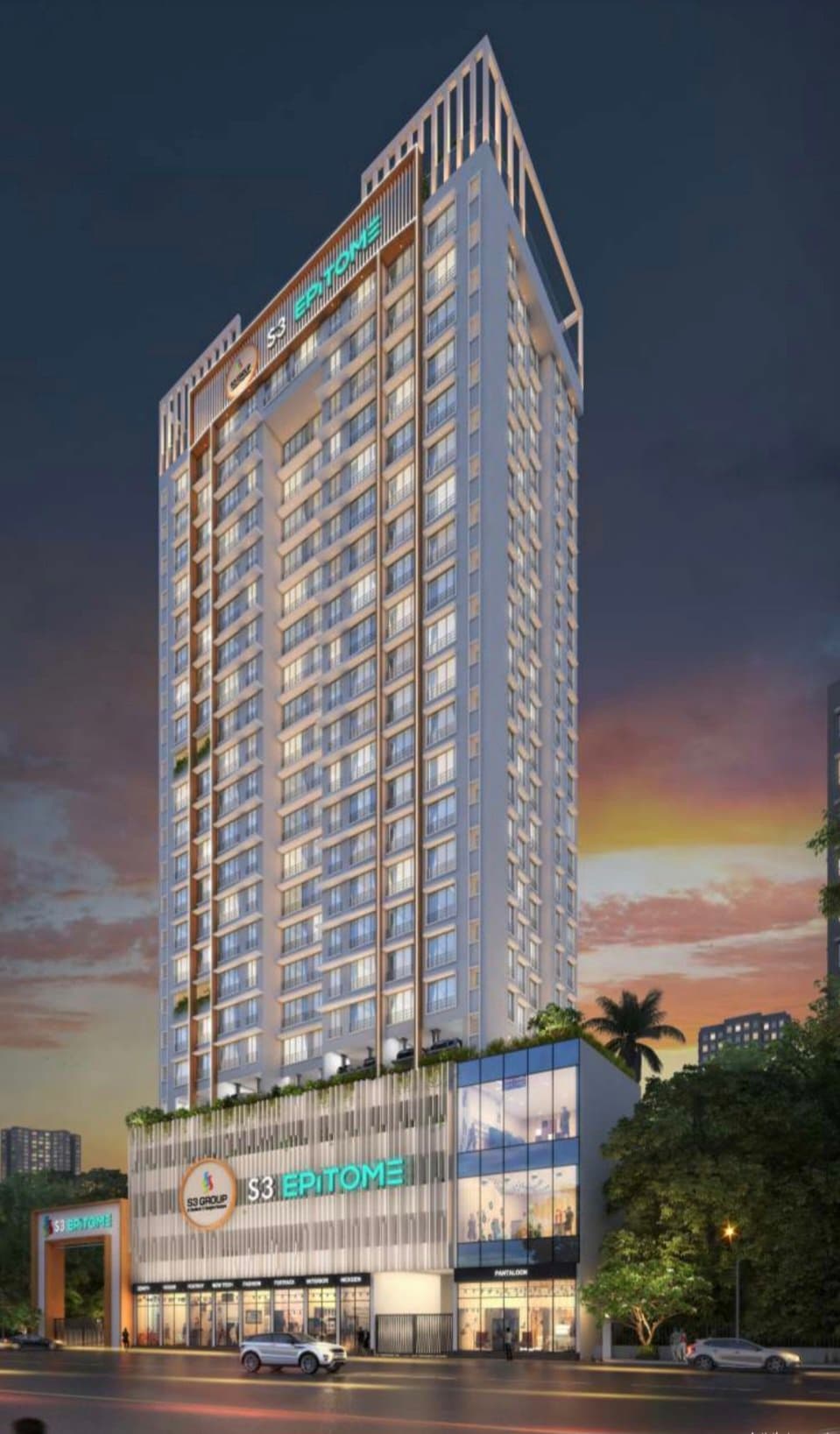
A Lower Parel sea-facing 60-storey tower's facade is exposed to wind loads of 130+ km/h during pre-monsoon nor-westerlies, horizontal rain measured in inches per hour during July downpours, and salt-laden aerosols every coastal afternoon for 25-30 years before any meaningful replacement. The single envelope component most exposed to this assault is the glass and its sealing system — and the difference between a properly specified facade and a value-engineered one is invisible at the brochure stage but unmistakable by year 7. Property Butler tracks 40+ Lower Parel and Prabhadevi towers and finds that facade quality clusters into three reasonably distinct tiers — and the bottom tier costs the cooperative society ₹15-30 Cr in unscheduled glazing repairs across a 20-year window. This is the working decoder.
Key Insight — The Three Facade Systems and Why They Behave Differently
Luxury Mumbai high-rises use three principal facade systems: aluminium-frame window openings in masonry walls (the most common, mid-tier), unitised structural glazing (true curtain-wall, top-tier), and semi-unitised stick systems (transitional). The differences in thermal performance, wind-load resistance, monsoon water-tightness, and 25-year maintenance cost are enormous — yet rarely surfaced in any brochure. Property Butler estimates the facade-system choice alone accounts for ₹500-1,500 per sqft of the price differential between comparable Lower Parel buildings.
The Three Facade Systems Explained
| System | Construction | Luxury Tier | 25-Year Maintenance |
|---|---|---|---|
| Aluminium-frame openings in masonry | Glass windows in AAC/RCC wall punctures, individually framed | Tier B | Re-seal frames every 7-10 years, replace gaskets |
| Stick-system curtain wall | Aluminium grid assembled in-situ, glass panels inserted | Tier B+ | Joint-sealant renewal year 10-12 |
| Unitised structural glazing | Factory-fabricated panels, structural silicone, hooked to slab edge | Tier A | Minimal until year 18-20 |
The Four Glass Specifications That Matter
Within any facade system, the glass itself comes in different specifications. The four critical attributes are unit composition (single vs double-glazed), low-E coating presence, solar control performance, and acoustic interlayer.
| Specification | Luxury Benchmark | Mid-Tier Typical | Reseller Impact |
|---|---|---|---|
| Glass build-up | 6mm + 12mm air + 6mm DGU laminated | 8mm single tempered | Thermal load + acoustic envelope |
| Low-E coating | Double-silver soft-coat low-E | None or single low-E | Summer AC bills, fabric fading |
| Solar control (SHGC) | SHGC 0.25-0.35 | SHGC 0.50+ | Cooling load, comfort |
| Acoustic interlayer (PVB) | Acoustic-grade PVB interlayer in inner pane | Standard PVB or none | Street-noise mitigation |
Lower Parel — Facade System Profile by Tower
| Tower | Era | Facade System | Tier |
|---|---|---|---|
| Indiabulls Sky Forest | 2017-19 | Unitised DGU curtain wall | Tier A |
| One Avighna Park | 2016-18 | Unitised DGU with stone cladding | Tier A |
| Lodha World Towers | 2014-17 | Semi-unitised structural glazing | Tier A |
| Lodha Vista | 2014-16 | Aluminium-frame DGU openings | Tier B |
| Marathon NextGen Era | 2017-19 | Aluminium-frame DGU openings | Tier B |
| Sarvesh One | 2020-22 | Unitised DGU curtain wall | Tier A |
| Ashford Casa Grand | 2012-14 | Mostly aluminium-frame openings | Tier B |
| Pre-2012 Lower Parel mill-land towers | 2007-12 | Single-pane sliders, basic frames | Tier C |
Prabhadevi — Facade System Profile by Tower
| Tower | Era | Facade System | Tier |
|---|---|---|---|
| Rustomjee Crown | 2020-25 | Unitised DGU curtain wall with metal fins | Tier A |
| Lodha Grandeur | 2019-22 | Unitised DGU curtain wall | Tier A |
| Kalpataru Oceana | 2018-21 | Unitised DGU with stone cladding accents | Tier A |
| Ahuja Towers | 2014-17 | Stick-system DGU | Tier B+ |
| 25 South (Wadhwa Hubtown) | 2018-21 | Unitised DGU curtain wall | Tier A |
| Eon One | 2019-21 | Stick-system DGU | Tier B+ |
| The V Mansion | 2020-23 | Unitised DGU + stone, sea-facing wind-rated | Tier A+ |
| Sumer Trinity | 2014-17 | Aluminium-frame DGU openings | Tier B |
| Older Prabhadevi co-ops | Pre-2010 | Single-pane sliders, plaster facade | Tier C |
Monsoon Performance — The Real Test of Any Mumbai Facade
Mumbai's July-August rainfall events deliver horizontal rain at 100+ mm/hour during peak intensity, driven by 50-90 km/h wind gusts. A facade's monsoon performance is determined by three engineering choices: the seal between glass and frame, the pressure-equalisation cavity behind the glass plane, and the drainage path for any water that penetrates the first line of defence. Tier-A unitised curtain-wall systems are designed for "rain-screen" performance with pressure equalisation and drainage; Tier-B aluminium-frame openings rely on gasket compression and silicone seals that degrade over 7-10 years; Tier-C single-pane sliders typically have minimal water-tightness from year 1.
Monsoon Leakage Patterns by Tier
Tier A: zero leakage years 1-15 · Tier B: episodic year 8+ · Tier C: persistent year 3+
Property Butler monsoon-season post-purchase complaint patterns, 2022-25
Salt Aerosol & Cleaning — Sea-Facing Towers
Prabhadevi's Cadell Road towers and Lower Parel's western-facing high floors take continuous salt-aerosol deposition from sea winds. The cleaning load on these facades is materially higher than on inland buildings — high-end buildings contract specialist facade-access teams using rope-access or building-integrated maintenance units (BMUs) to clean external glass every 2-4 months. The cost runs ₹35-75/sqft of facade per cleaning cycle. For a 60-storey tower with 80,000 sqft of facade area, a single cleaning cycle costs ₹28-60 lakh — a non-trivial annual society cost the original developer's brochure rarely highlights.
✓ What Tier-A facades feature
- Building-integrated BMU rail system on rooftop
- Pressure-equalised rain-screen design
- Anodised aluminium framing (not painted)
- Structural silicone with 20-year warranty
- Low-E and acoustic interlayer on entire glass area
✗ Red flags to spot on-site
- Visible streaking or staining on lower floors
- Open-joint plaster cracks below window frames
- Painted (not anodised) aluminium fading or peeling
- Gasket gaps or hardened silicone visible from inside
- No rooftop BMU rail — cleaning by rope-access only
Replacement & Retrofit Economics
The single most expensive component of an envelope upgrade is the facade itself. Property Butler's working ranges for a 2,000-3,000 sqft luxury Lower Parel or Prabhadevi flat with an aging or sub-spec facade:
Facade Retrofit Cost Ranges (Per-Flat, Inside-Out)
| DGU glass-only replacement (within existing frame) | ₹2,500-4,000/sqft |
| Frame-plus-glass upgrade (single window) | ₹4,000-7,500/sqft |
| Full flat envelope retrofit (Tier B → Tier A glass) | ₹15-28 lakh |
| Acoustic interlayer add | + ₹800-1,200/sqft |
| Building-level facade replacement (society-driven) | ₹3,500-6,000/sqft of facade |
A flat-level retrofit is feasible only on aluminium-frame openings (where you can change the window without touching the building envelope). On unitised curtain-wall buildings, individual flats cannot retrofit because the glazing is part of the structural envelope — the entire building's facade must be replaced together, which is a 20-30 year cycle decision driven by the cooperative society's AGM.
Frequently Asked Questions
How do I tell if a Lower Parel tower has unitised curtain-wall or aluminium-frame windows from outside?
Look at the facade from across the street. If the glass surface appears continuous with thin vertical and horizontal grid lines and the entire facade reads as glass, it's a unitised curtain-wall system. If you can see clear masonry walls between window punctures with each window framed individually, it's an aluminium-frame opening system. Sky Forest, One Avighna Park, Rustomjee Crown, 25 South are the former; Marathon NextGen Era, Lodha Vista, Ashford Casa Grand are the latter. Both can be luxury — the curtain-wall is typically more premium but commands higher CAM costs and limits flat-level retrofit options.
My windows are single-pane sliders — should I upgrade or move?
Depends on the building. If you're in a Lower Parel or Prabhadevi building with aluminium-frame openings, individual window replacement is feasible — typically ₹2.5-4 lakh per large opening for a DGU+acoustic upgrade. The investment is recoverable through better noise, lower AC bills (15-25% summer reduction), and resale premium of roughly ₹800-1,500/sqft on the upgraded unit. If you're in a building with broader facade issues — peeling paint, joint cracks, water-ingress complaints — the window upgrade alone fixes only part of the problem and the building-level decision will dominate eventually.
Does low-E coating actually matter in Mumbai's climate?
Materially yes — particularly for west-facing or south-facing units. Low-E coatings block infrared (heat-carrying) wavelengths while allowing visible light through. A west-facing Lower Parel 3 BHK with low-E DGU experiences afternoon cooling-load reductions of 25-40% versus uncoated single-pane glass. Annual AC electricity bill reduction is typically ₹35,000-80,000 per flat depending on floor area and AC usage pattern. Fabric and furniture fading is also dramatically reduced. The luxury cost is ₹150-300/sqft of glass over uncoated glass — recovered within 3-5 years on AC savings alone.
Why do some Lower Parel buildings have rainwater seepage from windows by year 8?
Three typical causes. First, the silicone or gasket seal between glass and frame has degraded — UV exposure and salt aerosols accelerate this. Second, the cavity drainage path was blocked by debris or never properly designed. Third, the building has settled slightly over the years and the framing alignment is no longer perfect, allowing water to channel between joints. The remedy is a building-level facade re-sealing programme — typically every 8-12 years for aluminium-frame buildings and every 15-20 years for unitised curtain-wall systems. Property Butler checks AGM minutes for any facade-sealing budget allocation in the last 5 years as a positive signal during diligence.
Is a sea-facing facade more expensive to maintain in Prabhadevi than an inland one?
Yes — meaningfully. Salt-aerosol corrosion and wind-load fatigue on sea-facing facades cumulatively shorten the maintenance cycle by roughly 25-35%. A sea-facing Cadell Road tower will need facade re-sealing 2-3 years earlier than an inland Prabhadevi tower of similar construction. CAM line items for facade cleaning, anodised-finish touch-up, and gasket renewal are typically 30-50% higher on sea-facing buildings. Buyers paying the sea-view premium should expect to pay the sea-view CAM premium too — typically ₹3-5/sqft/month higher than inland equivalents.
Related Reading
→ Acoustic Privacy & Sound Transmission Decoder → Prabhadevi Sea-Spray Salt Corrosion Tower Selection Decoder → Monsoon Flood Resilience Buyer Guide → Seismic & Structural Diligence Decoder → Lower Parel Area GuideLooking for a tower with a Tier-A facade?
Property Butler verifies facade system, glazing spec, and BMU access infrastructure on every shortlisted luxury Lower Parel or Prabhadevi unit. We flag towers heading for a facade replacement cliff and steer buyers toward 25-year envelopes.
Browse Premium Inventory