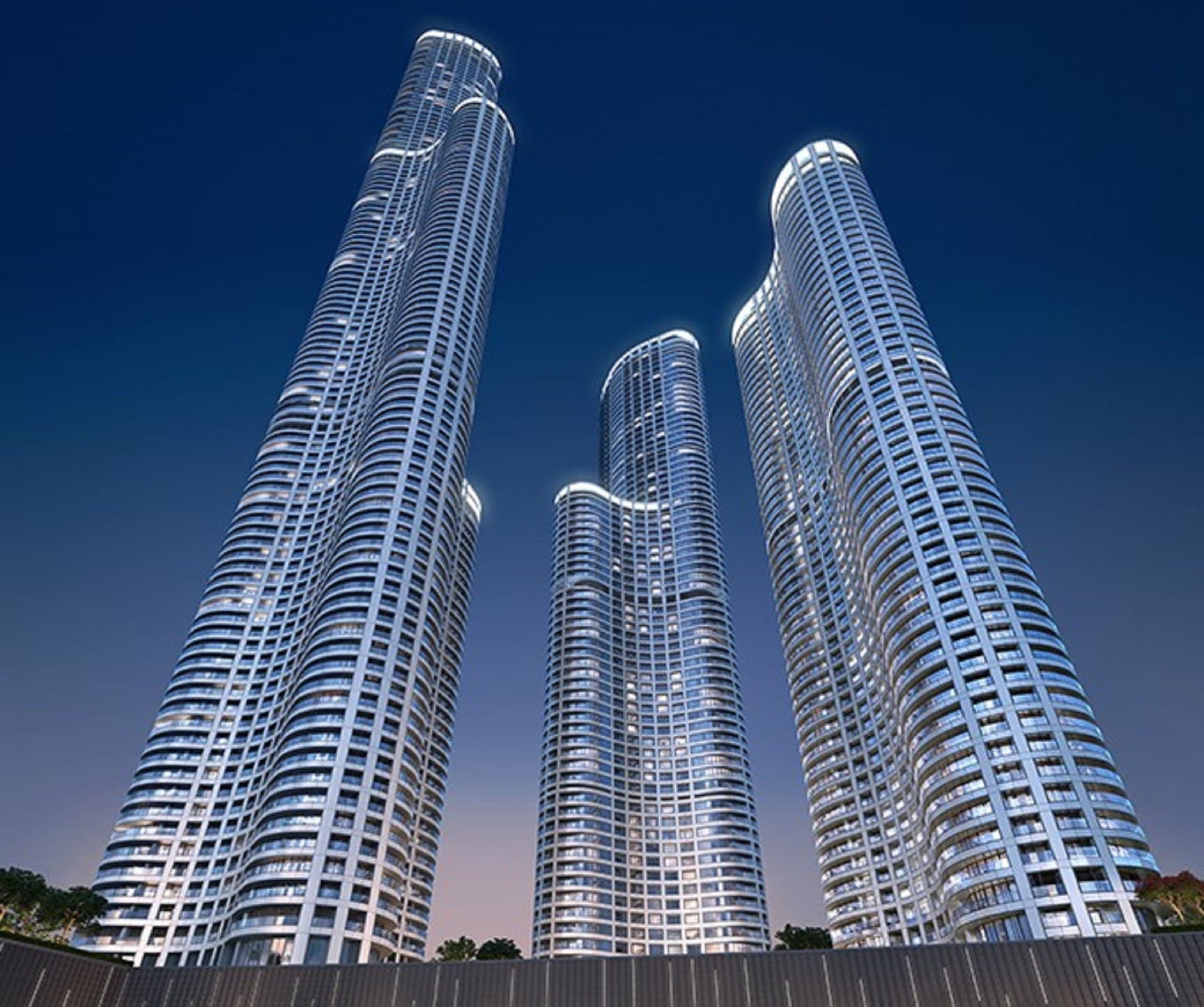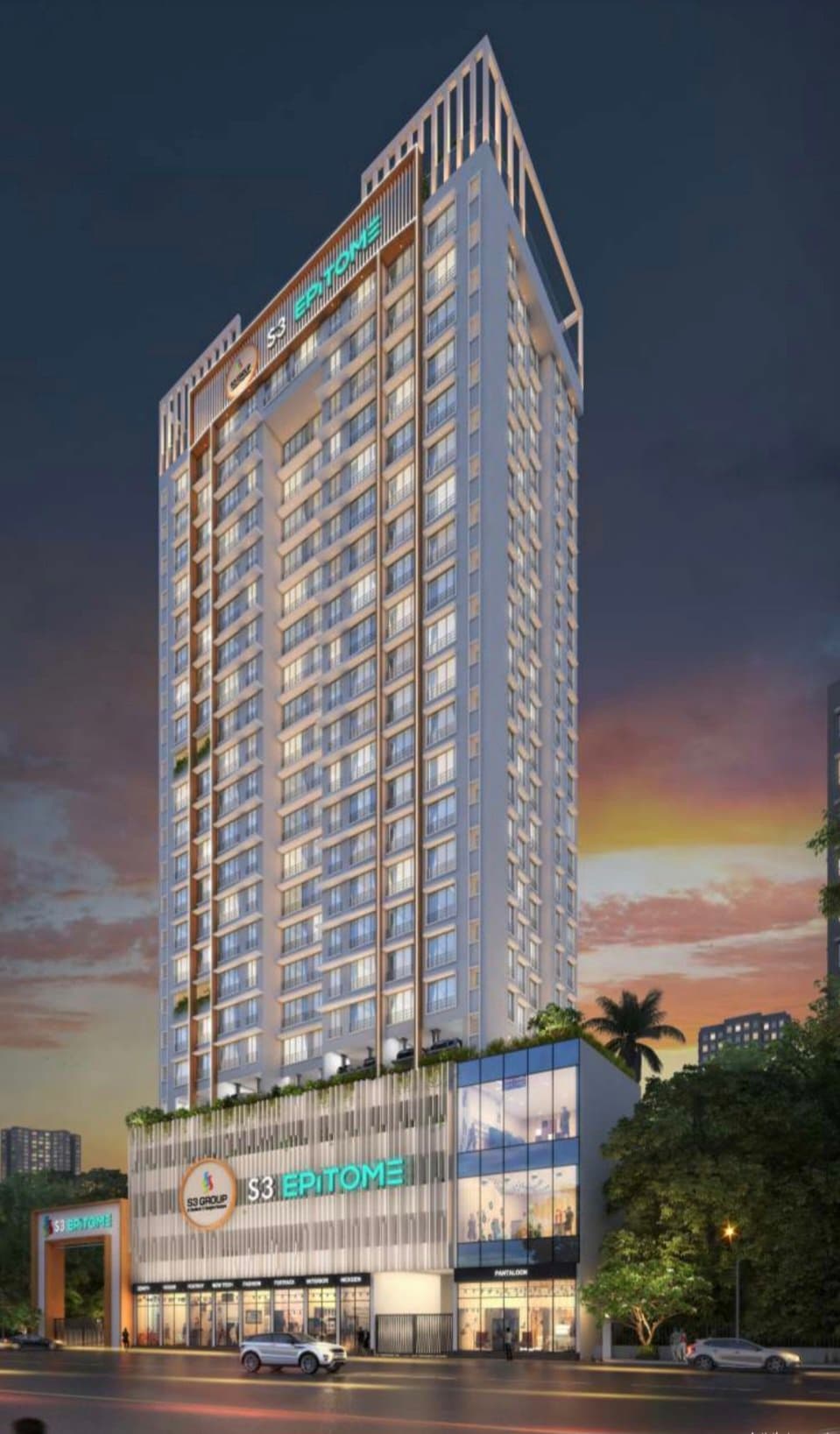
Mumbai had its biggest grid outage in 13 years on 12 October 2020. Power was down for 10-12 hours across South Mumbai. In a Lower Parel high-rise tower, residents on the 35th floor learned, that day, the precise meaning of a 100% backup specification. The unit owners whose societies had upgraded their DG (diesel generator) plant to handle full load were running ACs, lights, lifts, and water pumps within 90 seconds of grid failure. The unit owners whose societies had cut corners on DG capacity sat in 32-degree humidity, climbing 30 floors of stairs, with bathwater rationed for 11 hours. Both buildings were marketed at the same price point. Both had "DG backup" in the brochure. The difference was a single line item on the original BOQ — and it's invisible to 95% of buyers.
DG Reality Check — May 2026
100% DG > 50% DG > partial-load DG > common-area only
A 4-tier hierarchy that determines whether your ₹15 Cr property functions in a 6-hour outage. Property Butler tracks this for every LP/Prabhadevi tower we transact in — most listings don't disclose the spec, but it can be reverse-engineered from BOQ + name-plate + AGM minutes.
The four DG capacity tiers — what each one means in a 6-hour outage
| Tier | DG capacity vs peak demand | What runs during outage | CAM impact (₹/sqft/month) |
|---|---|---|---|
| 100% backup | DG ≥ 110% of est. peak demand | All lifts, all flat lights/fans/ACs/appliances, all pumps, all amenities | +₹4-7 |
| 50-75% per-flat | DG ≈ 60-80% of peak | Common-area + 1-2 ACs + lights/fans per flat (load-shed switches) | +₹3-5 |
| Partial-load (load-shed) | DG ≈ 40-55% of peak | Common-area + 5A circuit per flat (lights/fans only, no AC, no kitchen) | +₹1.5-3 |
| Common-area only | DG sized for lifts + lobby only | Lifts, water pumps, lobby lights — flats are dark | +₹0.5-1 |
Property Butler's tower-tier observation (LP/Prabhadevi)
Among 60+ LP/Prabhadevi towers we've transacted in: approximately 35% are full 100% DG backup, 30% are 50-75% per-flat, 25% are partial-load load-shed, and 10% are common-area-only. The split varies dramatically by developer tier — Tier 1 newer projects (Lodha World Towers, Rustomjee Crown, Indiabulls Sky Forest, V Mansion, Kalpataru Oceana) consistently deliver 100% backup. Mid-tier and older redevelopment stock often falls into the partial-load or common-area-only bucket. The marketing brochures rarely distinguish.
The math behind "peak demand" — why most buildings underspec
Peak demand for a luxury 1,500 sqft 3 BHK in 2026 is approximately 12-18 kVA — 5 ACs running simultaneously (5 × 1.5 kVA = 7.5 kVA), kitchen appliances, water heater, lighting, electronics, induction cooking. A 22-tower building of 250 flats at ~75% diversity factor needs DG capacity of ~3,300-4,500 kVA for full backup. The original developer DG often comes in at 2,000-2,500 kVA — sized for an older, less-electricity-hungry lifestyle and to control upfront capex. Result: when buildings actually populate to 80%+ occupancy and peak load hits, even the "75% backup" spec turns into "loadshed every flat to 5A circuits during outage".
Property Butler's diligence advice: don't trust the brochure. Verify three numbers from the actual nameplate during pre-purchase site visit, ideally with the society maintenance head present:
- DG total installed kVA: Stamped on the nameplate of each genset. Add up if multiple. Document this.
- Number of flats × estimated 9 kVA per flat: Quick proxy for peak demand at ~50% diversity. A 250-flat building's estimated peak: 250 × 9 × 0.5 = 1,125 kVA. Anything above 1.1× is good; below = will load-shed during outage.
- DG service contract status + last full-load test date: A DG that hasn't been load-tested for 12+ months is unlikely to deliver nameplate capacity. AGM minutes should reference annual full-load tests.
The fuel and noise reality of South Mumbai DGs
South Mumbai DGs run on diesel. A 2,500 kVA DG burns ~600 litres of diesel per hour at full load. At ~₹95/litre (May 2026 Mumbai retail), that's ₹57,000/hour of fuel. A 6-hour outage costs the society ~₹3.4 lakh in diesel — billed to all flats via emergency DG levy or absorbed into next month's CAM. On a 250-flat building, that's ~₹1,360/flat for one 6-hour outage. Buildings that experience 3-4 such outages a year see DG-fuel CAM spike to ₹4-5,000/flat/year.
Beyond fuel cost, there are emissions, noise, and BMC compliance overlays:
| Compliance overlay | Typical society impact |
|---|---|
| CPCB Stage IV/V emissions norms | Mandatory exhaust upgrades on DGs >15-yr-old; ₹4-12 lakh per genset retrofit cost; due 2027 for legacy units |
| MoEF noise norms (75 dB at 1m) | Acoustic enclosures on outdoor DGs; ₹3-8 lakh per unit; required for residential buildings |
| BMC operating permit + MPCB consent | Annual renewal; lapse can result in NOC issues for fire/conveyance; check current status |
| Diesel storage limits (1,000L per tank, max stored) | Buildings with multiple DG often need multiple tanks + petroleum dept approvals; legal compliance gap is common |
Tower-tier observations on actual DG performance in LP/Prabhadevi
✓ 100%-backup standouts
- Indiabulls Sky Forest LP: 4× 2,500 kVA DG plant + UPS for elevators; sustained 8+ hour outage handling
- Rustomjee Crown Prabhadevi: Multi-DG plant designed for 100% load + AC at 65 floors; tested annually
- Lodha World Towers LP: Tier-1 DG redundancy + grid-tie inverters; proven in 2020 outage
- Kalpataru Oceana Prabhadevi: DG + sea-breeze passive cooling; minimal AC dependency in mild months
✗ Partial-backup buildings to verify
- Vintage 2010-2014 mill-land redevelopment (any single-tower building <200 flats with original-spec DG)
- Mid-tier developer projects where DG was downsized at construction phase
- Mixed-use towers (commercial + residential) where commercial floors get priority during DG load
- Older Prabhadevi mid-rises (pre-2017) with single 750-1,000 kVA DG sized for lifts + lobby
The grid-tie inverter / battery-storage retrofit option
An emerging upgrade path for LP/Prabhadevi societies is hybrid DG + lithium-ion battery storage with grid-tie inverter. Adds 2-4 hours of silent, fuel-free backup before DG kicks in — useful for short outages (most South Mumbai outages are <90 minutes), eliminates DG fuel cost on these, reduces DG run-hours and emissions. Capex: ~₹1,500-3,000 per kVA of backup, so ~₹40-100 lakh for a 250-flat building's coverage. Most newer 2020+ LP/Prabhadevi towers either include this or have wired-in upgrade slots. Older buildings can retrofit, but only if the DG room and electrical bus structure has been future-proofed.
For buyer diligence: ask if the building has an HSD-only DG plant or a hybrid with battery + solar PV. Hybrid systems signal a forward-thinking society that's invested in operational resilience and lower CAM long-term.
The outage frequency reality — what to expect on the LP/Prabhadevi grid
Tata Power and Adani Electricity (the two main South Mumbai distribution licensees) report ~18-25 outages per year averaging 90 minutes in the Lower Parel / Prabhadevi grid network. Most outages are 30-90 minutes (transformer/feeder issues). Severe outages (4+ hours) occur 2-3 times a year typically due to underground cable faults during monsoon or cyclone events. Property Butler's recommendation: assume 3-4 hours of cumulative DG running per month, peak 8-12 hours during rough monsoon weeks.
Property Butler's DG diligence checklist (pre-purchase)
- Verify DG nameplate kVA total and compare to flat count × 9 kVA × 0.5 diversity
- Pull last 24-month AGM minutes — look for special-levy items, DG repair entries
- Ask society for last full-load test report and emissions compliance certificate
- Verify diesel-storage permit + storage capacity (need ≥4 hours runtime at peak)
- Check during a site-visit for DG room cleanliness, leak indicators, exhaust position
- Speak to 2-3 existing residents about their last 3 outage experiences
Frequently Asked Questions
Is the "100% DG backup" in brochures legally enforceable?
Only if it's in the agreement of sale. Brochure claims are marketing puffery in legal terms. Buyers should require the spec to appear in the agreement's amenity schedule with kVA numbers attached, and verify against the actual installed nameplate at OC. Post-OC, if the society modifies (downgrades) the DG, that's the society's call and is binding on subsequent owners. Pre-OC, RERA filings often disclose DG specifications — pull the developer's RERA registration for the project to verify what was promised.
Can I install my own UPS / inverter for additional backup?
Yes — most LP/Prabhadevi societies allow personal-flat inverters for refrigerator/router/critical electronics, typically 1-2 kVA capacity (10-15K capex), sized for 4-6 hours of essentials. Society NOC required for tubular battery storage on common balconies. Lithium-ion is increasingly preferred (smaller footprint, no off-gassing). For 5+ kVA solutions covering AC and full load, society NOC is harder — most societies refuse on safety/load grounds, expecting you to rely on building DG.
How much does "100% DG" vs "partial DG" impact resale value?
Property Butler's resale data shows ~3-5% PSF premium for verified 100% DG buildings vs partial-DG buildings of equivalent age and developer tier. This is a quiet premium — not advertised, but consistently observed. On a ₹15 Cr property that's ₹45-75 lakh of value premium, more than enough to justify the ₹4-7/sqft incremental CAM. Sophisticated buyers correctly price this risk; uninformed buyers don't, which is why the gap exists. Resale liquidity playbook here.
Will Tata Power's underground-cabling rollout in SoBo eliminate the DG need?
It will reduce frequency and severity but not eliminate. Underground cabling cuts weather-related outages by ~60-70%, but transformer / feeder failures, planned maintenance, and substation events still occur. Property Butler's view: even after full UG rollout (estimated 2028 for full LP/Prabhadevi coverage), buildings should plan for 8-12 hours of DG runtime per year. The DG asset and CAM line are not going away.
For lift wait time during outage, does DG capacity matter?
Indirectly. All buildings run lifts on DG. But buildings with full DG backup don't load-shed flat AC during outage — so resident cooling demand stays equal to grid-on demand. Buildings with partial DG load-shed AC, residents cluster in lobby/clubhouse for relief, lift demand spikes, wait times go up to 6-10 minutes during outage. Full-DG buildings stay around 60-90 second wait times. Lift density decoder here.
Related Reading
→ LP highrise utility infrastructure decoder (water, sewage, MEP) → LP & Prabhadevi monsoon flood-resilience buyer guide → Lift density / wait-time tower decoder → EV charging society readiness decoder (DG vs grid charge)Want to verify DG specs before you sign?
Property Butler's diligence team pulls DG specs, tests reports, and society capex schedules for every LP/Prabhadevi tower we transact in. The brochure gloss isn't enough — get the operational truth.
Browse fully-backed LP & Prabhadevi inventory