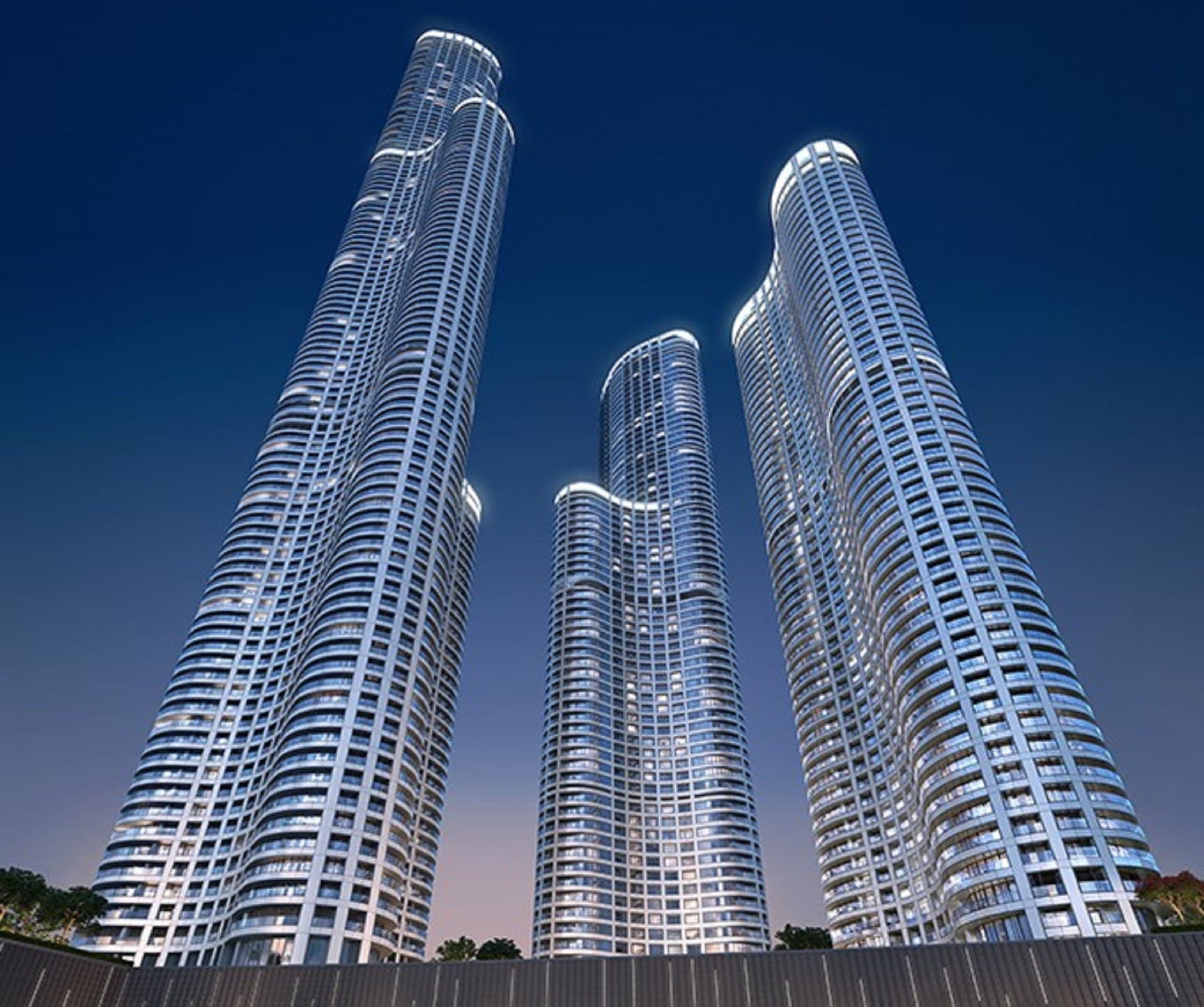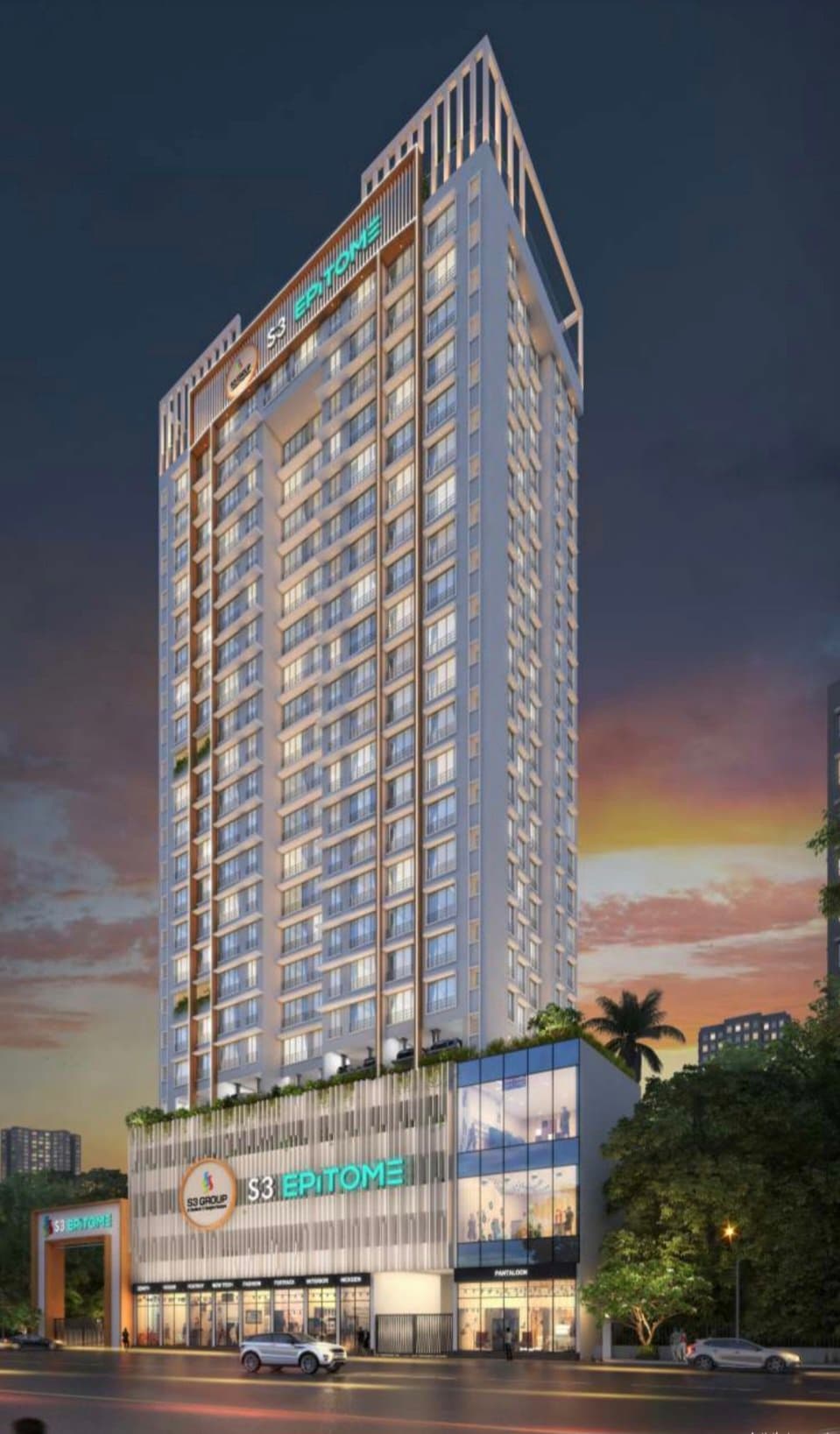
A ₹15 Cr Lower Parel flat with reliable 24x7 BMC water and a ₹15 Cr flat with tanker dependency for 30% of monthly demand are not the same asset. The first carries no hidden cost; the second carries ₹40,000-1,20,000/month of tanker procurement that flows through to CAM, plus an annual May-June water-stress event when supply fails for 3-7 days and luxury residents queue up behind tanker delivery schedules. Across Property Butler's tracked Lower Parel and Prabhadevi luxury inventory, water-source dependency is the single most under-disclosed building cost — and it shows up plainly in the CAM bill once you own the flat. This is the working decoder.
Key Insight — The Three Water-Source Architectures
SoBo luxury towers run on one of three water-source architectures: (1) 100% BMC piped supply with adequate underground + overhead storage, (2) BMC primary with regular tanker top-up for amenity and peak-demand months, or (3) BMC partial with bore-well augmentation. The architecture is invisible in a single viewing but is recorded plainly in the society's annual water-expense ledger. Property Butler's diligence checks this for every Lower Parel and Prabhadevi luxury purchase — the cost differential between architectures is meaningful and often determinative.
The Three Architectures Explained
| Architecture | Primary Source | Backup Layer | Monthly Tanker Cost (50-flat tower) |
|---|---|---|---|
| Tier A — BMC self-sufficient | 100% BMC piped, 24x7 | Bore-well + emergency tanker contract | ₹0-15,000 |
| Tier B — BMC primary + tanker top-up | BMC 70-85%, tanker 15-30% | Multiple tanker vendors on contract | ₹2.5-7 lakh |
| Tier C — Tanker-dependent | BMC under 60%; tanker daily routine | Bore-well used for non-potable | ₹6-18 lakh |
How BMC Supply Actually Works in Lower Parel and Prabhadevi
Brihanmumbai Municipal Corporation supplies water to the corridor primarily from the Tulsi-Vihar-Tansa-Bhatsa system (north Mumbai water) plus the Modak Sagar reservoir, distributed through ESR and GLR storage at neighbourhood substations. Lower Parel and Prabhadevi sit on the central spine of the network with relatively reliable supply, but the per-day quantum allocated per building is fixed in the BMC water-meter sanction at the time of OC — and is a deterministic, building-specific number.
The standard BMC water-sanction rule allocates roughly 135 litres per person per day at residential rates, with luxury buildings often petitioning for higher sanctions on the basis of amenity demand. The sanction is not automatic — it depends on what the developer applied for at the OC stage, and how robustly the society has renewed and extended the sanction in subsequent years. Tier-A buildings have over-sanctioned for amenity load; Tier-C buildings under-sanctioned or never renewed.
Lower Parel — Tower Water Reliability Profile
| Tower | Primary Source | Tier | Notes |
|---|---|---|---|
| Indiabulls Sky Forest | BMC + bore-well + tanker contract | Tier A | High storage capacity, low routine tanker need |
| One Avighna Park | BMC dominant, tanker occasional | Tier A | Adequate sanction, professional FM monitoring |
| Lodha World Crest / World View | BMC + bore-well | Tier A | Large complex, robust water infrastructure |
| Lodha Vista | BMC primary + tanker top-up | Tier B | Tanker reliance higher in May-June stress months |
| Marathon NextGen Era | BMC primary + tanker top-up | Tier B | Moderate routine tanker procurement |
| Sarvesh One | BMC + bore-well | Tier A | Newer building with modern water infrastructure |
| Ashford Casa Grand | BMC + occasional tanker | Tier B+ | Adequate sanction, low routine top-up |
| Pre-2012 mill-land towers | BMC + recurring tanker dependency | Tier C (varies) | Tanker reliance can be material; verify CAM history |
Prabhadevi — Tower Water Reliability Profile
| Tower | Primary Source | Tier | Notes |
|---|---|---|---|
| Rustomjee Crown | BMC + bore-well + tanker contract | Tier A | Large complex, robust storage |
| Lodha Grandeur | BMC + bore-well | Tier A | Modern building with adequate sanction |
| Kalpataru Oceana | BMC primary, tanker occasional | Tier A | Cadell Road frontage, professional water management |
| Ahuja Towers | BMC + tanker top-up | Tier B | Mature building, established tanker rhythm |
| 25 South (Wadhwa Hubtown) | BMC + bore-well | Tier A | Modern infrastructure, low routine tanker |
| Eon One | BMC + occasional tanker | Tier B+ | Compact tower, adequate sanction |
| The V Mansion | BMC + bore-well + premium tanker | Tier A+ | Boutique ultra-luxury, premium reliability |
| Sumer Trinity | BMC + tanker top-up | Tier B | Mature complex with established water routine |
| Older Prabhadevi co-ops | BMC + recurring tanker | Tier C (varies) | Verify monthly tanker procurement in society books |
The May-June Water Stress Test
Mumbai's pre-monsoon May-June window is the annual stress test for water infrastructure. BMC reservoir levels reach annual lows, supply quanta to buildings are sometimes reduced, and weekly maintenance shutdowns become more frequent. Tier-A buildings absorb this through expanded storage and bore-well capacity; Tier-B buildings increase tanker procurement by 40-80% during these months; Tier-C buildings experience 3-7 day supply interruptions where amenities are restricted (no pool top-up, washing-machine restrictions, gym towel programmes suspended).
Property Butler's diligence advice: ask the listing agent or managing committee for the building's water-expense line items for May 2024 and May 2025 specifically. The difference between a Tier-A and Tier-C building shows up most plainly in those two month-end statements.
The Storage Capacity Math
Storage Capacity Benchmarks (Days of Demand)
| Tier A — luxury benchmark | 2.0-3.0 days underground + 1 day overhead |
| Tier B — mid-luxury typical | 1.0-1.5 days underground + 0.5 day overhead |
| Tier C — under-spec | Under 1 day storage |
| Tier A+ — ultra-luxury (resilient against 5-day outage) | 4-5 days underground + bore + amenity reserve |
Bore-Well Reality — Non-Potable, Not Drinking
Most Lower Parel and Prabhadevi luxury buildings have at least one bore-well sunk on the building plot. The bore-well water is used for landscaping, cooling-tower top-up (where chillers exist), flushing, and external cleaning — but is not drinking-grade. Treated bore-well water can be used for non-drinking domestic purposes after RO + UV treatment, and Tier-A buildings invest in this to reduce BMC supply pressure. Tier-C buildings use untreated bore-well for non-drinking purposes only and rely entirely on BMC for kitchen-and-drinking supply.
The other consideration is bore-well salinity. Prabhadevi's coastal proximity means many bore-wells yield brackish water unsuitable for laundry or skin contact — Tier-A buildings install softening and treatment infrastructure. Tier-C buildings may use untreated brackish water in flushing, leading to corrosion of pipe fittings and recurring plumbing problems.
✓ Tier-A water infrastructure signals
- Dual-source BMC + bore-well piping clearly visible in service area
- Underground storage tank capacity 2x daily building demand
- RO/UV treatment plant on premises for drinking lines
- Bore-well water softening unit for laundry/cleaning
- Annual tanker procurement under ₹5 lakh for 50-flat building
✗ Tier-C red flags
- Tanker trucks parked at building entrance daily
- Society books showing monthly tanker spend over ₹1 lakh
- Underground tank below daily demand capacity
- No bore-well, no RO/UV treatment, brackish water complaints
- Resident WhatsApp groups discussing supply-failure days
Frequently Asked Questions
How do I find out whether a Lower Parel tower depends on tanker supply?
Three diligence steps. (1) Ask the listing agent and managing committee directly — Tier-A buildings will state "BMC self-sufficient" without hesitation; Tier-B and C will hedge. (2) Request the last 12 months of society water-expense line items — tanker costs are itemised separately. (3) Visit the building on a Tuesday or Thursday morning between 9-11 AM (Mumbai's high-demand window) and observe whether tanker trucks are entering the basement. Tankers running 3-4 times a week on routine days is a Tier-B signal; daily delivery is Tier-C.
Why is BMC supply not 100% reliable even in central locations like Prabhadevi?
Three reasons. First, BMC's allocation per building is fixed at OC and may not have kept pace with the building's actual amenity load (pool, gym, banquet, increased per-flat occupancy). Second, the BMC water-distribution network has scheduled maintenance shutdowns that can last 6-12 hours weekly. Third, distribution pressure varies — a high-rise on the upper end of a distribution loop may receive less pressure than required for adequate flow to overhead tanks. Tier-A buildings hedge against all three with redundant storage and a tanker emergency contract; Tier-C buildings absorb the variance directly.
Is bore-well water safe for cooking?
Untreated bore-well water in coastal Mumbai is not recommended for cooking due to salinity, hardness, and potential biological contamination. After RO and UV treatment, bore-well water becomes drinking-grade and is routinely used in Tier-A buildings as a BMC supplement. The treatment plant adds ₹15-30 lakh to original build cost and ₹3-6 lakh per year in maintenance and consumables. Buildings that have invested in this infrastructure can largely de-risk BMC supply disruption; those that have not depend fully on tanker procurement when BMC fails.
How much does water-related CAM contribute to total monthly maintenance?
In Tier-A buildings: roughly 8-15% of total CAM is water-related (BMC bill + tanker reserve + bore-well operations + treatment plant). In Tier-B buildings: 18-28% of CAM. In Tier-C buildings: can exceed 35% of CAM during May-June stress months. For a 3 BHK paying ₹15,000/month CAM in a Tier-A building, water-related cost is roughly ₹1,200-2,200/month; in a Tier-C building, it could be ₹5,000+/month. Over a 10-year ownership, the differential is ₹4-5 lakh — non-trivial.
Can a Tier-B or Tier-C building be upgraded to Tier-A?
Partially. The society can install or expand bore-well capacity (₹10-25 lakh), add a treatment plant (₹15-35 lakh), increase underground tank storage (constrained by plot area), and renegotiate BMC water-sanction (long process, sometimes denied). What it cannot easily do is increase the building's footprint to host more underground storage — that constraint is set at construction. Property Butler observes that buildings successfully upgrading from Tier-B to Tier-A typically take 18-30 months of MC effort and ₹40-90 lakh in society capex. The cost is recovered through reduced tanker dependency within 3-5 years.
Related Reading
→ Lower Parel CAM & Maintenance Reality Check → Monsoon Flood Resilience Buyer Guide → Power Backup & DG Reliability Decoder → Facility Management Vendor Tier Matrix → Prabhadevi Area GuideLooking for a water-resilient Lower Parel or Prabhadevi tower?
Property Butler verifies BMC sanction, underground storage capacity, bore-well presence, and 12-month tanker procurement on every shortlisted building. We know which towers will sail through May-June and which will queue up behind tanker trucks.
Browse Premium Inventory