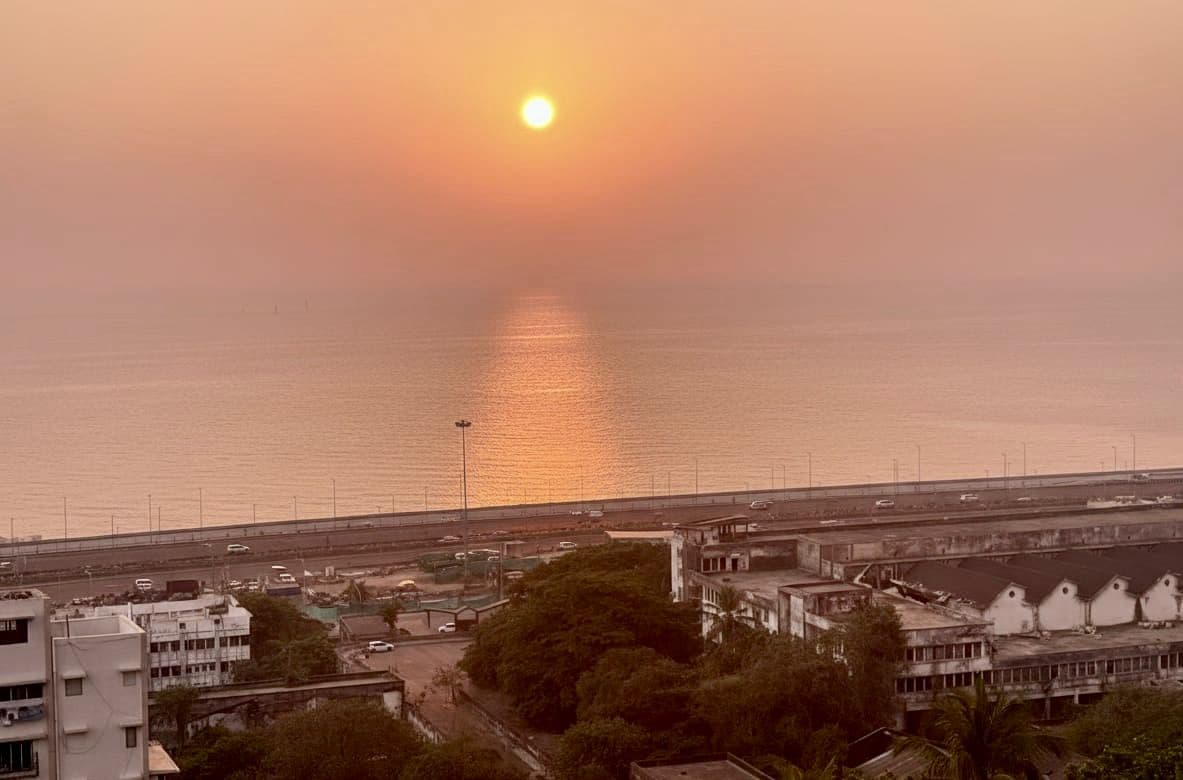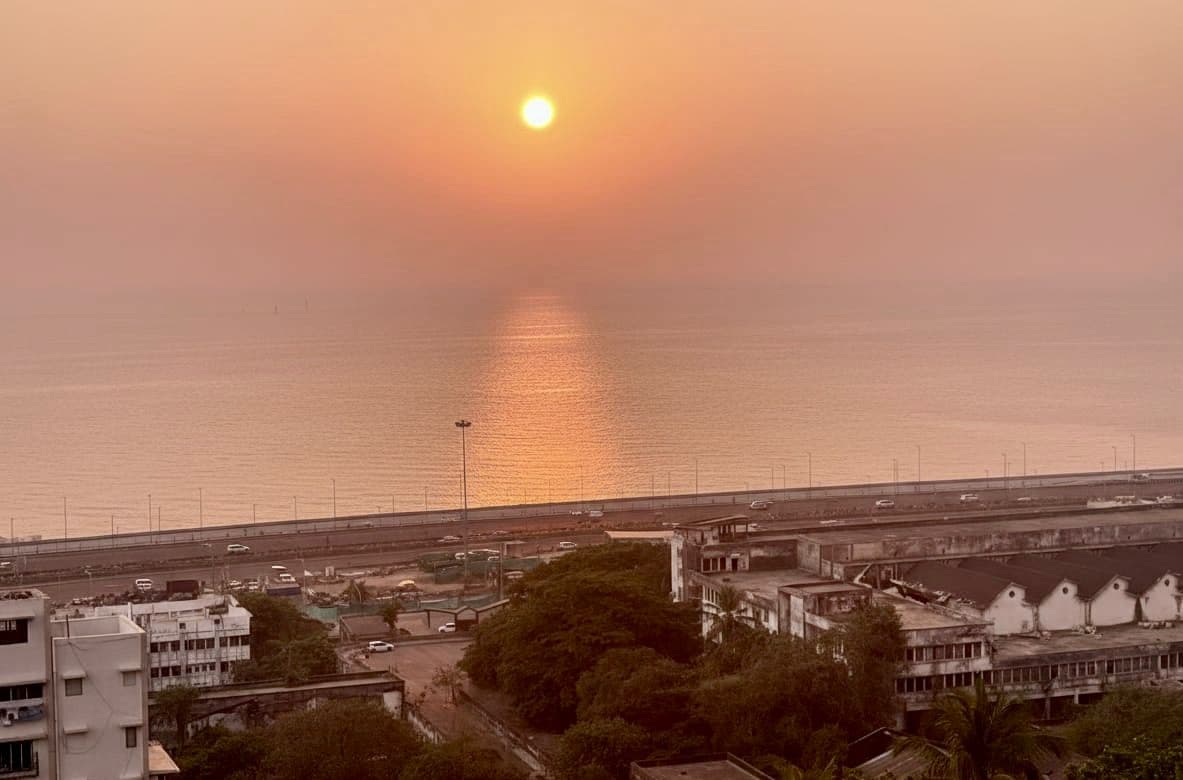
Property Butler tracks over 400 active properties across South Mumbai’s nine micro-markets in May 2026 — from ₹18,000 PSF in Byculla to ₹1,20,000+ PSF in Worli sea-face towers, a 6.7× spread that makes it the most price-stratified residential corridor in India. The median transaction PSF across the corridor is ₹58,000 (Lower Parel to Mahalaxmi band); the median in Worli alone is ₹72,000. If you are considering a property purchase in this belt in 2026, the worst thing you can do is treat it as a monolith — the right micro-market depends entirely on your budget, timeline, and whether you are optimising for yield or appreciation.
We advise buyers across this corridor daily. Here is what the market actually looks like in May 2026 — no developer brochure numbers, no speculative projections. Just transactable reality.
For this guide, South Mumbai covers: Worli, Lower Parel, Prabhadevi, Mahalaxmi, Parel, Tardeo, Marine Lines, Sewri and Byculla. These nine micro-markets sit between the Arabian Sea to the west and the Eastern Freeway corridor to the east. Together they represent the densest concentration of premium real estate in India, with hundreds of active listings on our platform. Browse all South Mumbai properties here.
| Active tracked listings — SoBo corridor | 400+ |
| Median transactable PSF — Lower Parel to Mahalaxmi | ₹58,000 |
| Median PSF — Worli alone | ₹72,000 |
| Highest tracked — Tardeo trophy duplex | ₹1,03,400 |
| 12-month appreciation leader | Tardeo +13–16% |
| Entry tier (Byculla / Sewri) PSF | ₹18,000–28,000 |
| Major infra trigger of May 2026 | Metro 3 Phase 2 + Coastal Rd Phase 2 |
Price Landscape by Micro-Market (May 2026)
The range across South Mumbai is enormous. A buyer with a 2 Crore budget has options in Byculla and Sewri. A buyer at 50 Crore and above is looking at sea-facing penthouses in Worli. The table below captures approximate transactable ranges as of May 2026.
| Micro-Market | Price Range (All-In) | Approx. Per Sqft | Primary Buyer Profile |
|---|---|---|---|
| Worli | ₹4 Cr – 100 Cr+ | ₹45,000 – 1,20,000 | Ultra-HNI, NRI, corporate leaders |
| Prabhadevi | ₹3.5 Cr – 40 Cr | ₹55,000 – 1,10,000 | HNI families, upgraders from suburbs |
| Lower Parel | ₹2 Cr – 40 Cr | ₹38,000 – 55,000 | Professionals, first-time premium buyers |
| Mahalaxmi | ₹5 Cr – 50 Cr | ₹50,000 – 75,000 | Old-money families, NRI investors |
| Parel | ₹3.5 Cr – 25 Cr | ₹35,000 – 55,000 | Value seekers, patient investors |
| Tardeo | ₹3 Cr – 30 Cr | ₹35,000 – 60,000 | Established families, end-users |
| Marine Lines | ₹3 Cr – 35 Cr | ₹40,000 – 65,000 | Businessmen, proximity seekers (Fort/CST) |
| Sewri | ₹2 Cr – 12 Cr | ₹25,000 – 40,000 | Value investors, MTHL connectivity play |
| Byculla | ₹1.5 Cr – 8 Cr | ₹18,000 – 35,000 | Budget buyers, gentrification bet |
The pattern is clear: the western sea-facing pockets (Worli, Prabhadevi, Mahalaxmi) command the highest premiums. The eastern corridor (Sewri, Byculla) remains undervalued relative to its South Mumbai postcode — and that gap is the opportunity.
Pricing Anatomy: How South Mumbai Stacks From Entry to Trophy
The headline range — ₹18,000 to ₹1,20,000 per sqft — hides a more useful structure. South Mumbai prices ladder almost perfectly with the buyer's purpose. We see it every week: a 5 Crore conversation lands in Lower Parel or Sewri; a 15 Crore conversation lands in Prabhadevi or Mahalaxmi; anything north of 30 Crore moves directly to Worli. The micro-market is the budget; the BHK is the buyer profile.
| Configuration | Entry Tier (Sewri / Byculla / Lower Parel) | Mainstream Tier (Parel / Mahalaxmi / Tardeo) | Trophy Tier (Worli / Prabhadevi seafront) |
|---|---|---|---|
| 1 BHK | ₹1.5–3 Cr | ₹3–5 Cr | ₹5–9 Cr |
| 2 BHK | ₹2.5–5 Cr | ₹5–9 Cr | ₹9–18 Cr |
| 3 BHK | ₹4–7 Cr | ₹7–14 Cr | ₹14–35 Cr |
| 4 BHK | ₹7–12 Cr | ₹12–22 Cr | ₹22–55 Cr |
| 4.5+ / Penthouse | Rare | ₹18–35 Cr | ₹35–120 Cr+ |
Three observations from this matrix. First: the same configuration triples in price across the corridor — a 3BHK in Sewri at ₹5 Cr is the same product, different postcode, as a 3BHK at Raheja Riviera at ₹25 Cr. The buyer is paying for view, prestige, and resale ceiling, not for square footage. Second: the entry-tier 1BHK has held remarkably firm at ₹1.5–3 Cr for three years — this is the floor. Third: trophy 4BHK pricing is still moving up. Worli 4BHKs at Lodha World Towers, Lodha World One, and Three Sixty West have re-rated 12–15% over the last 18 months as fresh ultra-HNI demand from family offices and tech founders has thinned the supply.
Entry tier: Sarvesh One Lower Parel, Lodha Allura, Sugee group projects in Sewri. Mainstream tier: Marathon NextGen Era, Lodha Venezia Parel, Lodha Bellevue Mahalaxmi, Lodha Marq Tardeo. Trophy tier: Raheja Riviera, Rustomjee Crown, Birla Niyaara, Lodha World One, Three Sixty West.
The buyer who reads this matrix correctly does the budget conversation first, then picks the postcode — not the other way around. Trying to stretch into Worli with a Lower Parel budget produces compromised product (low floor, internal-facing, smallest unit on the floorplate). Buying the best 3BHK in Lower Parel beats the worst 3BHK in Worli on resale, on day-to-day liveability, and on rental yield. We say this to clients constantly.
Micro-Market Deep Dives
Worli: The Trophy Address
Worli has established itself as Mumbai's most aspirational residential address. Sea-facing towers from Raheja, Lodha, Oberoi, and Birla define the skyline. The Coastal Road has compressed Worli-to-Nariman Point travel to under 12 minutes, and the Bandra-Worli Sea Link connects it to the western suburbs. At the top end, penthouses in projects like Raheja Riviere can cross 100 Crore. Even at the entry level, you are looking at 4 Crore minimum for a 2BHK. This is not a market for bargain-hunting — it is a market for capital preservation and prestige. Read our full Worli area guide.
Lower Parel: The Corporate-Residential Hybrid
Lower Parel offers South Mumbai's most accessible entry point for premium buyers. The mill-land redevelopment has delivered thousands of residential units alongside commercial hubs like Phoenix Mills and Kamala Mills. Ready-to-move options from Lodha, Indiabulls and others start at approximately 2 Crore for compact 2BHKs. With Metro Line 3 now operational and the corporate tenant base generating rental demand, this is where yield-focused investors and end-users find common ground. See our Lower Parel area guide.
Prabhadevi: Quiet Premium
Sandwiched between Worli and Lower Parel, Prabhadevi offers a residential character that neither neighbour matches. Less commercial traffic than Lower Parel, more approachable pricing than Worli. Projects from Marathon, Runwal, and Sheth have delivered well-maintained towers here. The Siddhivinayak Temple area draws consistent footfall, and the Prabhadevi station on the Western Line provides suburban rail connectivity. For families wanting South Mumbai without the Worli price tag, Prabhadevi is the answer.
Mahalaxmi, Tardeo & Marine Lines
These three markets share a common trait: old-money DNA with new-age product. Mahalaxmi is anchored by the Racecourse and projects like Lodha Bellevue. Tardeo offers proximity to Haji Ali and the western seafront. Marine Lines is Fort-adjacent and appeals to the business community needing quick access to the financial district. All three are supply-constrained — new launches are rare because buildable land is scarce — which supports long-term price appreciation.
Sewri & Byculla: The Emerging Belt
Sewri and Byculla represent the value frontier of South Mumbai. Sewri benefits directly from the MTHL (Mumbai Trans Harbour Link) connecting it to Navi Mumbai — a game-changer for the eastern corridor. Byculla is undergoing gentrification, with new launches from reputed developers entering what was historically an under-built market. At 18,000 to 40,000 per sqft, these pockets trade at significant discounts to the western belt. Buyers with a 5-7 year horizon are positioning here for the next leg of South Mumbai appreciation.
Top Developers Active in South Mumbai
The quality of developer matters enormously in South Mumbai, where redevelopment projects are common and construction timelines can stretch. These are the names with the deepest footprint across the corridor in 2026:
Lodha Group (Macrotech)
Present in Worli, Lower Parel, Mahalaxmi and Parel. Projects include Lodha Park, Lodha Bellevue, Lodha Allura, and Lodha World One. The largest developer footprint in South Mumbai.
Raheja Group
Iconic Worli presence with Raheja Riviere and Raheja Artesia. Known for sea-facing premium towers and strong build quality. Worli-focused.
Birla Estates
Birla Niyaara in Worli is one of the most talked-about launches. Aditya Birla Group's real estate arm entering premium Mumbai with corporate-grade execution.
Oberoi Realty
Three Sixty West and Sky City in Worli. Known for glass-tower aesthetics, premium amenities, and consistent delivery. NRI favourite.
Shapoorji Pallonji
The Edge Tower in Parel. Tata-group legacy construction quality. Patient buyers trust the Shapoorji name for projects with longer timelines.
Prestige Group
Prestige Jasden Classic in Mahalaxmi. Bangalore-based developer that has earned respect in Mumbai for quality finishes and on-time delivery.
Infrastructure Catalysts: What Is Changing the Game
Three infrastructure mega-projects are reshaping South Mumbai's connectivity and, by extension, its property values:
1. Mumbai Coastal Road
Phase 1 (Marine Drive to Worli) is operational. Travel time between Nariman Point and Worli has dropped to roughly 10 minutes. Phase 2 will extend to Kandivali, further integrating South Mumbai with the western suburbs. The immediate beneficiaries are Worli, Prabhadevi and Tardeo — all of which now have dramatically better access to the business district.
2. Metro Line 3 (Aqua Line)
Now fully operational with all 27 stations. Connects Aarey Colony to BKC to Worli to Lower Parel to Cuffe Parade. For the first time, South Mumbai has a rapid-transit metro backbone. Lower Parel and Parel see the most direct benefit, with stations reducing commute times to the airport corridor significantly.
3. MTHL (Mumbai Trans Harbour Link)
The 21.8 km sea bridge connects Sewri to Chirle in Navi Mumbai. This has opened an entirely new demand corridor for eastern South Mumbai. Sewri property values have responded — prices have appreciated 15-20% since MTHL opened. The long-term play is that Sewri becomes the gateway between South Mumbai and Navi Mumbai's growth centres.
Why South Mumbai Outperforms: The Investment Case
South Mumbai has consistently outperformed the broader Mumbai market over 10, 20, and 30-year horizons. The reasons are structural, not speculative:
- Supply constraint: There is almost no new land in South Mumbai. Every project is a redevelopment, which limits supply growth and supports pricing.
- Infrastructure convergence: Coastal Road, Metro Line 3, and MTHL have all delivered or are operational. This is no longer a speculative bet on future connectivity.
- Institutional demand: Corporate offices (BKC, Lower Parel, Fort) create sustained rental demand. Vacancy rates in premium South Mumbai apartments remain below 5%.
- NRI allocation: South Mumbai remains the default allocation for NRI buyers looking at Mumbai real estate. The prestige quotient and rental yield combination is unmatched.
- Ready Reckoner stability: Maharashtra kept RR rates unchanged for FY2026-27, keeping stamp duty costs stable and supporting buyer confidence.
South Mumbai property has historically appreciated at 8-12% CAGR over long holding periods. With three major infrastructure projects now operational, the next 5-7 years are expected to deliver accelerated returns, particularly in under-priced eastern pockets like Sewri and Byculla that are now connected to the broader network.
Who Buys in South Mumbai?
The buyer base in South Mumbai is distinct from suburban Mumbai. Understanding who you are competing with for inventory is important:
Ultra-HNI End-Users
Budget: 15 Cr+. Looking at Worli and Mahalaxmi for flagship homes. Sea views, branded residences, and prestige addresses are non-negotiable. These buyers close quickly and rarely negotiate.
NRI Investors
Budget: 5-25 Cr. Typically buying in Worli, Prabhadevi or Lower Parel. Want RERA-registered, ready or near-ready projects from reputed developers. Rental yield and capital appreciation both matter.
Corporate Leaders
Budget: 4-15 Cr. C-suite executives and senior professionals wanting proximity to BKC and Lower Parel offices. Lower Parel and Prabhadevi are the sweet spots — commute under 15 minutes, premium product. See 3BHK options in Worli.
Value Investors
Budget: 1.5-5 Cr. Targeting Sewri, Byculla and Parel for long-term capital appreciation. Willing to hold 5-7 years. The MTHL and metro connectivity are the thesis — buy before the price catches up to the infrastructure.
Trade-offs Buyers Don’t See in the Brochure
Every micro-market in South Mumbai has a known set of issues that no developer brochure prints. We catalogue these because they are the questions buyers ask three months in — not three weeks in. If you are committing ₹5 Crore plus to a single asset, the negative space is what determines whether the holding period feels right.
1. Redevelopment Timeline Slippage
South Mumbai is overwhelmingly a redevelopment market. The original timeline a developer commits in the agreement is rarely the actual delivery date. Six- to fourteen-month delays from the RERA-listed possession date are common, and a few projects in Worli, Lower Parel and Tardeo have run 24 months past schedule. The legal protection is real — under RERA Section 18 you are entitled to interest at SBI MCLR + 2% on the principal paid, currently around 11% per annum — but recovering it requires filing with MahaRERA and following through. Build the timeline buffer into your purchase decision: if the developer says 30 months, plan for 40, and ensure your funding plan handles a 12-month tail.
2. Possession-to-OC Gap
Even after a project is "ready," the Occupation Certificate (OC) can lag the offer of possession by 6 to 18 months. Without an OC, you cannot claim Section 24 home loan tax benefits in full, society formation is delayed, and resale becomes legally tricky. Always ask for the OC date, not just the possession date, and put the difference into your model.
3. The Real Cost of Ownership: Stamp + GST + TDS
Headline price is not the buy price. On a primary purchase you pay 5% stamp duty + 1% LBT/metro cess + 1% registration fee + 1% TDS (for any deal >₹50 lakh) and 5% GST on under-construction units (1% on affordable stock, but South Mumbai is not affordable). On a ₹10 Cr under-construction Worli purchase, all-in transactional cost is around ₹13 Crore, not ₹10. On a ready resale unit the GST comes off, dropping the all-in to about ₹10.7–10.9 Crore. The premium for under-construction is rarely worth the timeline risk plus the tax overhead.
4. Maintenance Charges: Year 1 vs Year 5
Premium South Mumbai buildings advertise ₹12–15 per sqft per month at handover. By year 4 or 5, the actual figure is often ₹18–25 per sqft per month once the building moves from developer-managed to society-managed and reserves need replenishment for lift overhauls, paint cycles, and transformer maintenance. On a 1,800 sqft 3BHK, that is the difference between ₹3.2 lakh per year and ₹5.4 lakh per year. Always ask for year-3 and year-5 maintenance in similar buildings from the same developer.
5. Sea-View Risk From Adjacent Plots
A view in Worli, Prabhadevi or Tardeo is only as protected as the plot in front of it. Several buildings on second-row plots have lost their sea view to taller new launches on the adjacent first-row plot — a risk that does not fully extinguish until the entire row is built out. Before paying a sea-view premium (typically 30–55% over inside-facing units in the same building), check the FSI status of every plot between you and the seafront. Property Butler tracks active project filings across the western seafront for exactly this reason.
6. Loan-to-Value Reality on Trophy Stock
Banks are nominally willing to fund 75–80% LTV. On any property above ₹15 Cr, the appraisal-versus-purchase-price gap usually compresses real LTV to 55–65%. Lenders cap appraisal at the locality’s accepted PSF benchmark, which for trophy product can be 25–40% below the actual ask. The buyer brings the gap in cash. We see this surprise even seasoned investors. If you are funding above ₹10 Cr, get a pre-appraisal letter from the bank with the specific tower and floor before signing the agreement.
7. Society Approval Delays for Resale
Older South Mumbai buildings (especially in Tardeo, Marine Lines, Mahalaxmi and Parel resale stock) have housing societies that take 30–60 days to issue the No Objection Certificate (NOC) required for property transfer. Some societies levy a transfer premium (legal under bye-laws if disclosed in advance, but disputable if not). Always confirm society approval timelines and any transfer-fee policy in writing before paying the token amount.
8. Monsoon and Microclimate
South Mumbai is not uniform on monsoon resilience. Hindmata in Parel, parts of Lower Parel near the Senapati Bapat Marg dip, and pockets of Byculla flood every season — this is not a development bug, it is topography. Mahalaxmi, Worli on the higher ground, Prabhadevi and Tardeo are largely flood-resistant. If you are evaluating a building in Parel or Lower Parel, walk the surrounding 200 metres on a wet day before signing.
Capital Migration Map: Where South Mumbai's 2026 Buyers Are Actually Coming From
The May 2026 South Mumbai buyer is rarely a first-time entrant. Property Butler's enquiry intake across the last 180 days shows five distinct inbound capital flows feeding the SoBo absorption rate — each with a different ticket band, a different anchor micro-market, and a different optimisation function. Mapping these flows tells a buyer two things: whether their thesis is on-trend with where smart money is moving, and which micro-market is the natural fit for their origin cohort.
| Inbound Flow | Ticket Band | Anchor SoBo Micro-Market | Optimising For | PSF Delta vs Origin |
|---|---|---|---|---|
| NRI — Singapore, Dubai, London | ₹15–75 Cr | Cuffe Parade, Nariman Point, Worli sea face | Trophy asset, currency hedge, India return optionality | −42% vs Singapore prime, −31% vs Dubai Downtown |
| Bandra West substitute — Worli employee, BWSL frequent | ₹7–18 Cr | Worli, Prabhadevi, Lower Parel | Same lifestyle band, no Sea Link commute, larger carpet | −8 to −14% PSF, +18% carpet at same budget |
| HNI second home — Pune, Bangalore, Hyderabad founders | ₹6–14 Cr | Lower Parel, Prabhadevi, Mahalaxmi | BKC/airport access, BFSI proximity, rentable pied-à-terre | +58% PSF vs Pune Koregaon Park, +71% vs Bangalore CBD |
| SoBo old-money tap-up — existing Malabar Hill / Cumbala resident upsizing | ₹12–40 Cr | Tardeo redevelopment, Malabar Hill, Worli sea face | Modern lift / parking / amenities without leaving the postcode tribe | Flat — recycling within ~3 km radius |
| Investor — NCR, Hyderabad, Ahmedabad family offices | ₹4–9 Cr | Tardeo, Lower Parel, Prabhadevi compact 2–3 BHK | Yield on BFSI lease, 5–7 year capital appreciation, liquidity | +22 to +36% PSF vs Gurgaon DLF prime, +44% vs Hyderabad Banjara |
The single most underappreciated flow is the Bandra West → Worli substitute. Property Butler tracks roughly one in four Worli enquiries originating from a buyer who started Sea Link-side and crossed over when they ran the commute math against the 8–14% PSF discount. With Coastal Road Phase 2 widening that gap further, this corridor flow is the demand engine quietly re-rating Worli's mid-floor inventory in 2026. For the inbound NRI cohort, the trophy economics flip the other way — Property Butler tracks a 42% notional discount versus Singapore's District 9 and 31% versus Dubai's Downtown for comparable sea-facing prime, which is why Cuffe Parade and Nariman Point have absorbed eleven trophy ticket transactions over ₹25 Cr in the last 90 days. Cuffe Parade Property Guide and the Mumbai Luxury Comparisons Hub break down the trophy-end decision matrix.
Read the map this way: if you are flying in from outside Mumbai, the natural landing pad is Lower Parel or Prabhadevi — you get airport access, BFSI proximity, and a lease market deep enough to rent out when you are not occupying. If you are already a Mumbai resident upgrading from Bandra, Worli buys back commute time and floor band at your budget. If you are a global Indian, the sea face premium of Cuffe Parade and Worli sea face is what your peers in Singapore and London actually compare to — not Andheri or BKC.
Property Butler Data Point — May 2026: 38% of South Mumbai enquiries in the last 90 days originated outside Maharashtra. The 18-month rolling number was 24%. This is the single biggest structural shift in the SoBo demand mix since 2020 — and it is what is keeping asking PSF firm even as the rest of Mumbai's micro-markets show selective softness.
Liquidity & Exit Math: Days-on-Market and Resale Spreads by SoBo Micro-Market
South Mumbai's micro-markets do not exit at the same speed. A buyer signing in 2026 with a 5–7 year horizon needs to know two things the brochure will never disclose: how long a comparable unit takes to sell when listed today, and what gap exists between the asking price and the actual closing price. Property Butler tracks this on an active rolling 90-day window across the SoBo corridor. The pattern is sharp — the same building on the same floor band can have a 21-day exit in Worli sea face and a 95-day exit in Sewri.
| Micro-Market | Avg Days-on-Market (3 BHK band) | Asking → Closing Spread | Buyer Pool Depth | Exit Speed Verdict |
|---|---|---|---|---|
| Worli Sea Face | 28–45 days | −3 to −6% | Deep — NRI + Bandra substitute + HNI | Fastest in SoBo |
| Worli Interior | 45–70 days | −5 to −9% | Deep | Fast |
| Lower Parel | 35–55 days | −4 to −7% | Very deep — BFSI lease + investor | Fast |
| Prabhadevi | 40–60 days | −4 to −8% | Deep — second home + BFSI | Fast |
| Mahalaxmi | 50–75 days | −5 to −9% | Moderate — tribe-narrow | Moderate |
| Tardeo / Cumbala Hill | 55–85 days | −6 to −11% | Moderate — SoBo old money | Moderate |
| Dadar West | 60–90 days | −5 to −8% | Moderate — tribe-narrow (Marathi family) | Moderate |
| Parel | 65–95 days | −7 to −12% | Moderate — BFSI investor | Slower |
| Sewri / Byculla | 85–130 days | −9 to −15% | Thin — bet on future infra | Slowest — entry play, not exit play |
The headline is the spread between Worli sea face and Sewri: a comparable 3 BHK exits in roughly a third of the time, and the closing-vs-asking gap is half. This is the cost of thinness. A buyer who buys Sewri at ₹42,000 PSF on the infra-arbitrage thesis needs to underwrite an 85–130 day sale cycle with a 9–15% asking concession at exit — not the same risk profile as Worli sea face, where a polished listing closes inside 45 days at 3–6% off ask. If your 7-year exit math assumes you can liquidate in 60 days at 2% off ask, only Worli, Lower Parel and Prabhadevi support that assumption.
There is a second pattern hiding in the data: configuration matters more than micro-market at the trophy ticket. A 4–5 BHK above ₹25 Cr exits 30–60% slower than the 3 BHK band in the same building — because the buyer pool collapses to 40–80 active families per quarter SoBo-wide. The trophy ticket is a different sport. Property Butler's Mumbai Luxury Comparisons Hub tracks this cohort separately, and the Worli Best 3 BHK / 4 BHK Under ₹15 Cr ranking shows where the trophy-end liquidity actually clears.
Property Butler Verdict — Liquidity-Adjusted Buying: If your horizon is 3–5 years, anchor to Worli sea face, Lower Parel, or Prabhadevi. If your horizon is 7–10 years, you can extend to Mahalaxmi, Tardeo, Dadar West — the slower exit is compensated by the longer hold. If your horizon is 10+ years and you can tolerate a thin exit window, Sewri and Byculla offer the structural upside. Match the horizon to the micro-market — not the other way around.
Frequently Asked Questions
Which South Mumbai micro-market gives the fastest exit on a 3 BHK in 2026?
Property Butler's rolling 90-day liquidity track for May 2026 puts Worli sea face fastest at 28–45 days days-on-market with a 3–6% asking-to-closing concession. Lower Parel and Prabhadevi follow at 35–55 and 40–60 days respectively. The same band in Sewri or Byculla stretches to 85–130 days with a 9–15% concession at exit — not because the asset is weaker, but because the buyer pool is thinner. Match horizon to micro-market: fast-exit thesis = Worli/Lower Parel/Prabhadevi; long-hold infra-arbitrage = Sewri/Byculla.
Where are South Mumbai's 2026 buyers actually coming from?
38% of SoBo enquiries in the last 90 days originated outside Maharashtra (up from 24% on an 18-month rolling basis). The five dominant inbound flows are: NRI trophy buyers (Singapore, Dubai, London) into Cuffe Parade and Nariman Point at ₹15–75 Cr; Bandra West substitute buyers crossing into Worli/Prabhadevi/Lower Parel at ₹7–18 Cr; out-of-state HNI second-home buyers into Lower Parel/Prabhadevi/Mahalaxmi at ₹6–14 Cr; SoBo old-money tap-up into Tardeo and Malabar Hill redevelopment at ₹12–40 Cr; and NCR/Hyderabad family-office investors into compact Tardeo/Lower Parel BFSI-lease units at ₹4–9 Cr.
What is the cheapest way to buy property in South Mumbai in 2026?
Is South Mumbai a good investment compared to Bandra or BKC?
How has the Coastal Road affected South Mumbai property prices?
Which South Mumbai micro-market has the best growth potential in 2026?
Can NRIs buy property in South Mumbai? What should they know?
How long does a typical South Mumbai redevelopment take to deliver?
What is the actual sea-view premium in South Mumbai?
Should I buy primary (under-construction) or resale (ready-to-move) in South Mumbai?
What rental yields can I expect across South Mumbai micro-markets?
The Property Butler Verdict — How We Allocate by Budget
After advising hundreds of buyers across this corridor, three clean playbooks emerge. The right answer is rarely the most expensive thing you can afford — it is the asset that compounds best for your specific holding period and use. Here is how we steer the conversation when the budget hits the table.
₹3–5 Crore Budget
Where: Lower Parel, Sewri, parts of Parel, Byculla. What: Compact 2BHK from a tier-1 developer, 700–900 sqft carpet. Why: A South Mumbai postcode with metro/MTHL connectivity at this budget is the strongest yield-plus-appreciation play in the city. Lower Parel rentals run 4–5% gross; Sewri carries the MTHL rerating optionality.
Our pick: Lodha Allura 2BHK or a select Sarvesh One unit if Lower Parel is the priority; Sugee group ready stock in Sewri if the optionality matters more than the rental.
₹8–15 Crore Budget
Where: Prabhadevi, Mahalaxmi, premium Lower Parel, mid-floor Worli. What: 3BHK 1,300–1,800 sqft carpet, partial sea view, premium tower amenities. Why: This budget hits the sweet spot of trophy postcode, family-sized product, and resale liquidity. Prabhadevi inventory at Rustomjee Crown and Marathon NextGen Era hits this band; Mahalaxmi at Lodha Bellevue and Lokhandwala Minerva is the parallel.
Our pick: Rustomjee Crown 3BHK or Marathon NextGen Era 3BHK for the complete-residence experience; Lodha Bellevue 3BHK for old-Mahalaxmi DNA.
₹25–60 Crore Budget
Where: Worli first-row, Mahalaxmi racecourse-facing, Cuffe Parade, Malabar Hill. What: 4BHK 2,500–4,000 sqft carpet, full sea view, branded residence preferred. Why: At this budget the asset is partly a primary residence, partly a generational holding. Resale liquidity matters, but so does irreplaceability — and Worli first-row stock is structurally finite.
Our pick: Lodha World Towers / Lodha World One mid-floor 4BHK; Raheja Riviera 4BHK in tier-2 wings; resale at Three Sixty West when the right unit lists.
For ultra-trophy budgets above ₹75 Crore — full-floor units, penthouses, the Skyplex tier at Raheja Riviera, signature units at Three Sixty West — the conversation is rarely about location and almost always about specific unit availability and the seller’s posture. We track first-row Worli inventory in real time. Talk to us on WhatsApp when you are ready to look.
The Bottom Line
South Mumbai is not a market you time. It is a market you enter when you have the capital and the conviction. The infrastructure that was promised for decades — Coastal Road, metro, trans-harbour link — has delivered. Prices across the nine micro-markets reflect different stages of that delivery. Worli and Prabhadevi have already priced in much of the infrastructure premium. Sewri and Byculla have not. Lower Parel sits in between, offering the best combination of accessibility, rental yield and appreciation potential.
Whatever your budget and timeline, South Mumbai has a micro-market that fits. The key is knowing which one.
Find Your South Mumbai Property
Search verified South Mumbai listings with AI-powered matching across all nine micro-markets.
Search South Mumbai PropertiesRelated Guides
Related Reading
- Malabar Hill Property Guide 2026 — Rs90,900/sqft & Rising
- Colaba vs Nariman Point vs Cuffe Parade — Investment Comparison
- Worli vs Bandra West — Honest Buyer Comparison
- South Mumbai Heritage Building Buying Guide 2026
- South Mumbai CBD: Where to Live by Commute Guide 2026
- Worli Q3 2026 Market Outlook: July–September Forward View
- Tardeo & Cumbala Hill Property Guide 2026