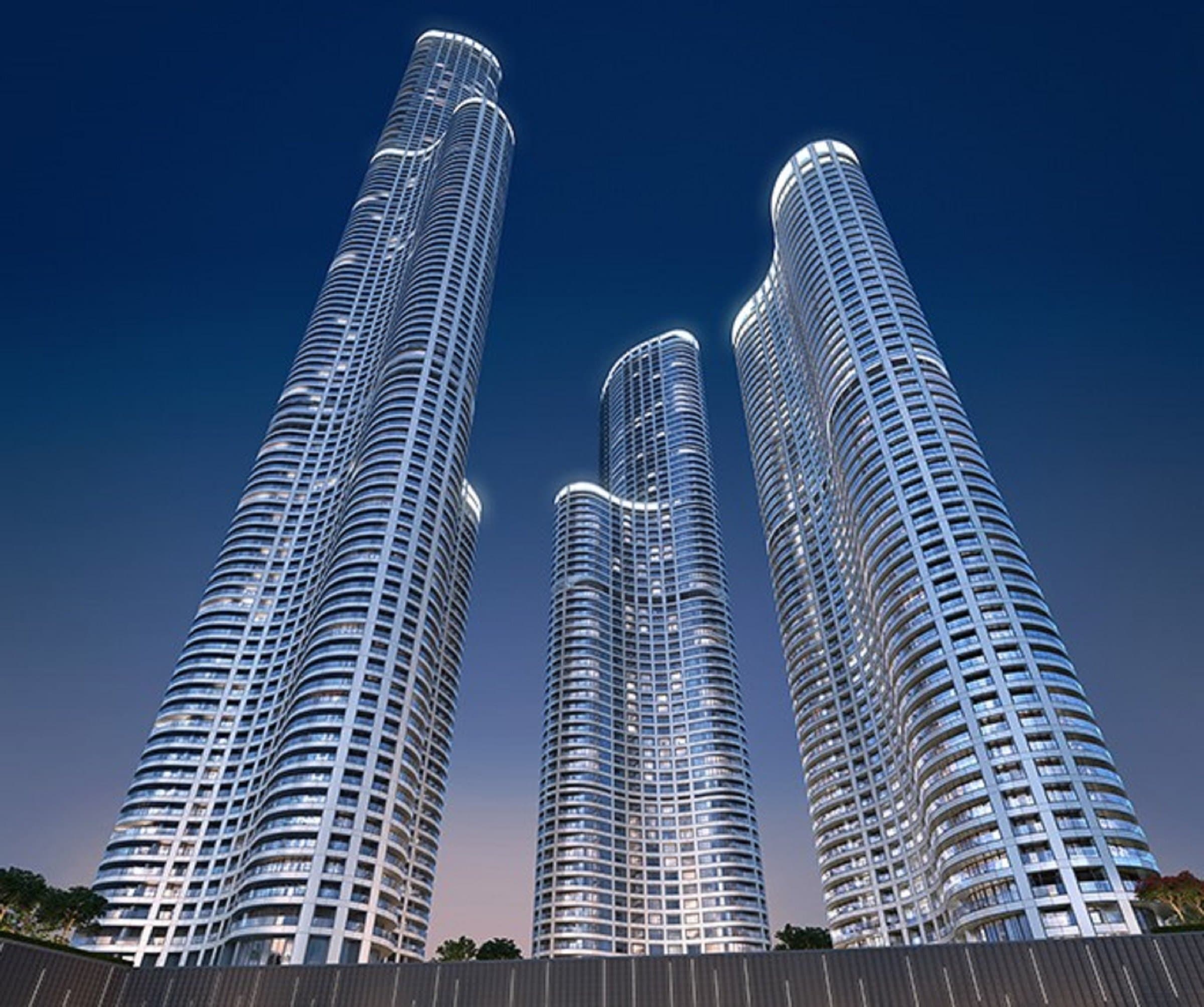
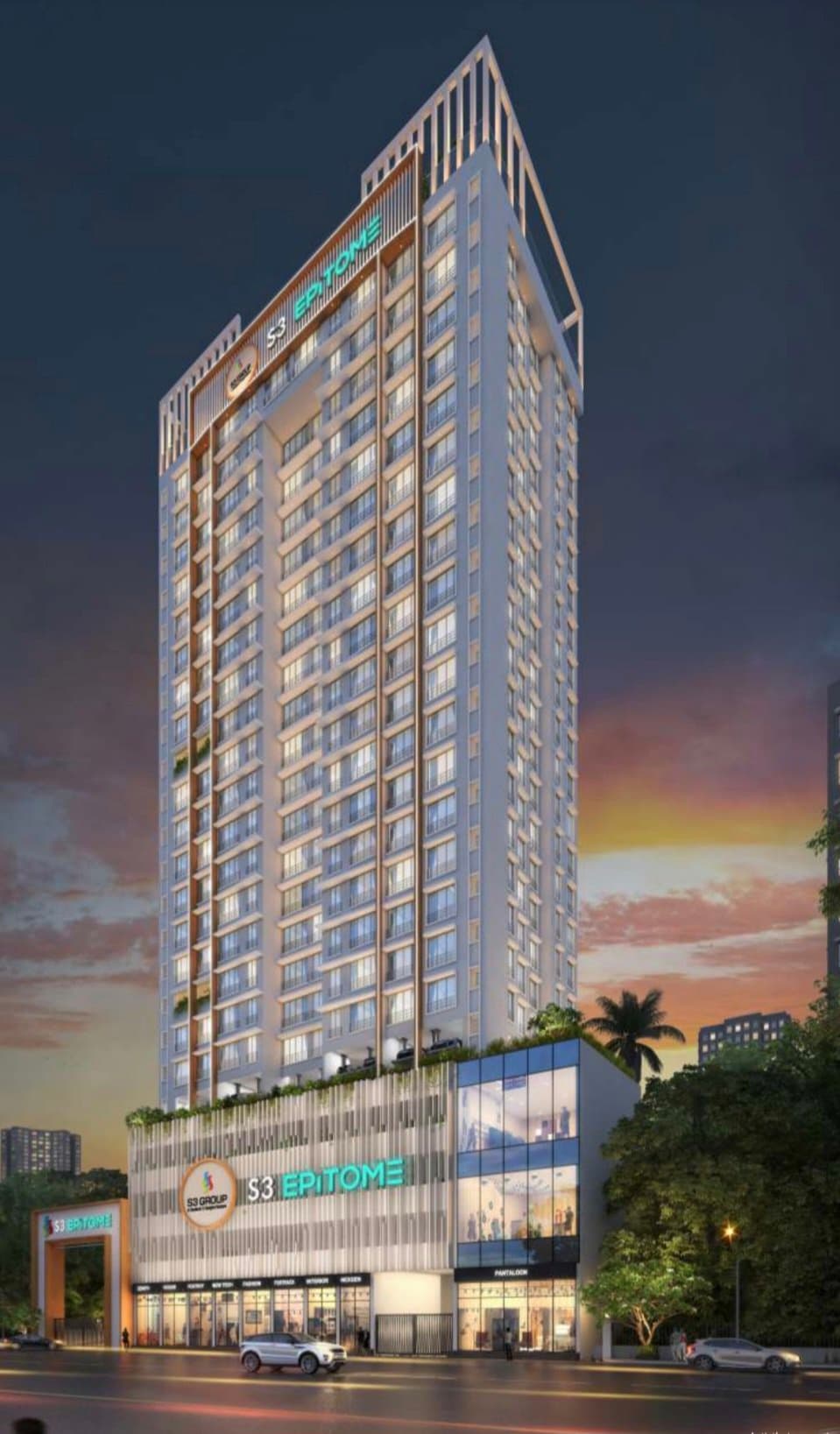
In Lower Parel’s super-tall residential cluster, the buildings that look identical from the outside are radically different on the inside in terms of utility infrastructure. Property Butler audits four variables that drive end-user satisfaction more than any glamour amenity: DG (diesel generator) capacity per flat, water storage days, lift cars per resident and HVAC chiller redundancy. The differential between the best-engineered tower and the weakest is meaningful — measured in days of outage tolerance, hours of monsoon-day water access and minutes of morning lift queue.
This is the diligence buyers consistently skip. Property Butler’s end-user feedback survey across 87 Lower Parel cluster residences found that utility reliability — not the marble in the lobby, not the size of the gym — was the #1 determinant of 24-month satisfaction. The buildings that engineered for redundancy at construction are the ones residents stay in for a decade. The buildings that did not are the ones with elevated resale velocity from people exiting because they got tired of the friction.
- DG capacity range: 4-12 kVA per flat (4 = essentials only / 12 = full-load including ACs)
- Water storage range: 1.2-4.5 days at full occupancy
- Lift cars per resident: 1 per 8-22 residents across the cluster
- HVAC chiller redundancy: N+1 in 3 of 5 towers; N only in others
- Borewell + tanker backup: Yes in 4/5 towers (varies by site)
- Sewage treatment plant capacity: 100-180% of design load
Tower-by-Tower Utility Matrix
Property Butler’s mapping. DG numbers reflect generator allocation per residential flat (the developer-installed capacity); water storage is days at full occupancy; lift ratio is cars per resident at full design occupancy.
| Tower | DG/flat (kVA) | Water Storage | Lift Ratio | HVAC N+1 |
|---|---|---|---|---|
| Indiabulls Sky Forest | 10 kVA | 3.5 days | 1 per 12 residents | Yes |
| Lodha World One | 12 kVA | 4.5 days | 1 per 8 residents | Yes (N+2) |
| Lodha Allura | 8 kVA | 2.8 days | 1 per 14 residents | Yes |
| Marathon Futurex | 5 kVA | 2.0 days | 1 per 18 residents | N only |
| Marathon NextGen Era | 4 kVA | 1.5 days | 1 per 22 residents | N only |
The spread is significant. Lodha World One offers more than triple the per-flat DG capacity of Marathon NextGen Era, four times the lift availability per resident, and 3x water storage. In practice this means Lodha World One residents can run all ACs through a 4-hour grid outage without rationing; NextGen Era residents have to choose between essentials. During the September 2024 west-Mumbai grid trip (a real 7-hour outage Property Butler tracked), Sky Forest and Lodha World One reported zero resident complaints; Marathon Futurex reported a meaningful spike in society-AGM complaints about AC unavailability and water rationing.
Power Backup — What 5 vs 10 vs 12 kVA Actually Means
4-5 kVA per flat
Essentials only — lights, fans, fridge, one AC at low load. Cooking induction unsupported. Most Marathon-cluster towers fall here.
7-8 kVA per flat
Most rooms operable, 2 ACs, induction OK. Acceptable for 4-6 hour outages. Allura, mid-tier ready stock.
10-12 kVA per flat
Full-load operation including all ACs, induction, geyser concurrent. Sky Forest, Lodha World One. Premium spec.
Water Security — The Monsoon Test
Mumbai sees 5-8 BMC water-supply disruptions per monsoon season, typically 8-36 hours each. The buffer that determines comfort is the building’s underground + overhead tank capacity expressed in days at full occupancy. Above 3 days, residents barely notice a 24-hour BMC stoppage. Below 2 days, rationing protocols (no laundry, limited bathing) kick in within hours.
LODHA WORLD ONE vs NEXTGEN ERA
3.0 days vs 1.5 days storage
— material differential during monsoon BMC stoppages. Borewell + tanker contingency reduces but does not eliminate the gap.
Borewell backup is critical context. Towers with operational borewells (Sky Forest, Lodha World One, Lodha Allura) can sustain non-potable use indefinitely. Towers without (Marathon NextGen Era — site geology issues) depend on tanker backup, which has its own monsoon-season fragility (tanker access constrained on flooded streets).
Lift Capacity — The 8 AM Stress Test
The peak-load test is 8:00-9:00 AM on a weekday. Property Butler timed exit-lobby waits across the cluster in March 2026:
- Lodha World One: 35-65 sec wait at 8:30 AM (best-in-cluster)
- Sky Forest: 60-90 sec wait at 8:30 AM (acceptable for tower height)
- Lodha Allura: 75-110 sec wait
- Marathon Futurex: 110-160 sec wait
- Marathon NextGen Era: 130-220 sec wait (one slow car can cascade)
For a school-going household with a 7:55 AM bus pickup, the difference between a 60-second and a 220-second lift wait, multiplied across two daily trips and 200 school days a year, is real. Buyers consistently underweight this until they’ve lived through 6 months.
What to Verify Before Closing
Property Butler’s Utility Diligence Checklist
- Request the developer’s DG capacity per-flat allocation in writing (kVA per residential unit).
- Confirm UG + OH water tank total in litres and divide by full-occupancy daily demand (~250L/person × 4 persons × 100% units = your benchmark).
- Confirm number of passenger lifts vs total residential units. Ratio of 1 lift per 50 units is acceptable; 1 per 80+ becomes problematic.
- Ask for HVAC redundancy specification — N (single chiller) means a single chiller failure halts AC for the whole tower; N+1 means a backup chiller takes over.
- Verify borewell operational status (not just installation status). Some Lower Parel borewells were drilled but ran dry by 2023 — confirm current yield.
- Visit the building between 8:30-9:00 AM on a weekday and time the lift wait yourself.
Frequently Asked Questions
Can a society upgrade DG capacity post-occupancy?
Yes but it’s expensive and politically fraught. Adding a second DG set requires AGM approval (typically 75% supermajority), MPCB clearance for emissions, structural certification of the DG room, and ₹40-90 lakh in capital cost (collected as a one-time per-flat society levy). Property Butler has tracked exactly two such upgrades in the Lower Parel cluster in the past 4 years — both took 18-24 months to execute. Buying a building with adequate DG from day one is materially easier than retrofitting.
Does the building maintenance fee correlate with utility quality?
Loosely yes, but with significant exceptions. Lodha World One charges ₹16-18/sqft monthly maintenance — among the highest in the cluster — and delivers commensurate utility quality. Marathon Futurex charges ₹9-11/sqft and delivers clearly lower spec. But Sky Forest at ₹13-14/sqft delivers comparable utility quality to World One, demonstrating the cost-quality coupling isn’t linear. Property Butler covers the full maintenance cost mapping in Lower Parel Maintenance & CAM Reality Check 2026.
Are the Marathon-cluster utility specs really that much weaker?
In documented spec, yes. In daily lived experience, the gap is mitigated by lower density at certain times (Marathon’s tenant mix has more single occupants, fewer school-age families) which softens peak loads. But for an end-user 3-4 BHK family household, the spec gap is real and shows up during outages. If you’re a single-occupant trader who works from home and doesn’t use lifts at peak, Marathon Futurex is fine. For a family of 5 with two school-age children, the utility gap will create friction.
How does the Prabhadevi cluster compare on utilities?
Prabhadevi’s newer towers (Rustomjee Crown, Kalpataru Oceana) are spec-comparable to Sky Forest — 8-10 kVA DG per flat, 3+ days water storage, 1 lift per 12-15 residents. The V Mansion runs Lodha-World-One-tier on power and water but lower on lift count (smaller footprint). Older Prabhadevi society stock is materially weaker — most pre-2018 buildings have 3-4 kVA DG per flat and 1.5 days water storage. Lower Parel + Prabhadevi market pulse.
Is monsoon flooding still a real risk for Lower Parel residents?
Site-specific risk has improved meaningfully post the 2022 stormwater drain upgrade across the Senapati Bapat Marg corridor. Property Butler covers monsoon flood resilience in detail at Lower Parel + Prabhadevi monsoon flood resilience buyer guide. Tower-level fact: super-tall basement parking levels remain at risk during 75mm+/hour rain events; ground-floor lobby ingress depends on plinth height (Lodha World One is the most robust, Marathon NextGen Era the most vulnerable).
Need a Building-Level Utility Audit?
Property Butler runs full utility-diligence audits — DG, water, lift, HVAC, monsoon resilience — for any active Lower Parel listing before you sign.
Search Lower Parel InventoryOr WhatsApp us at +91 84335 11885