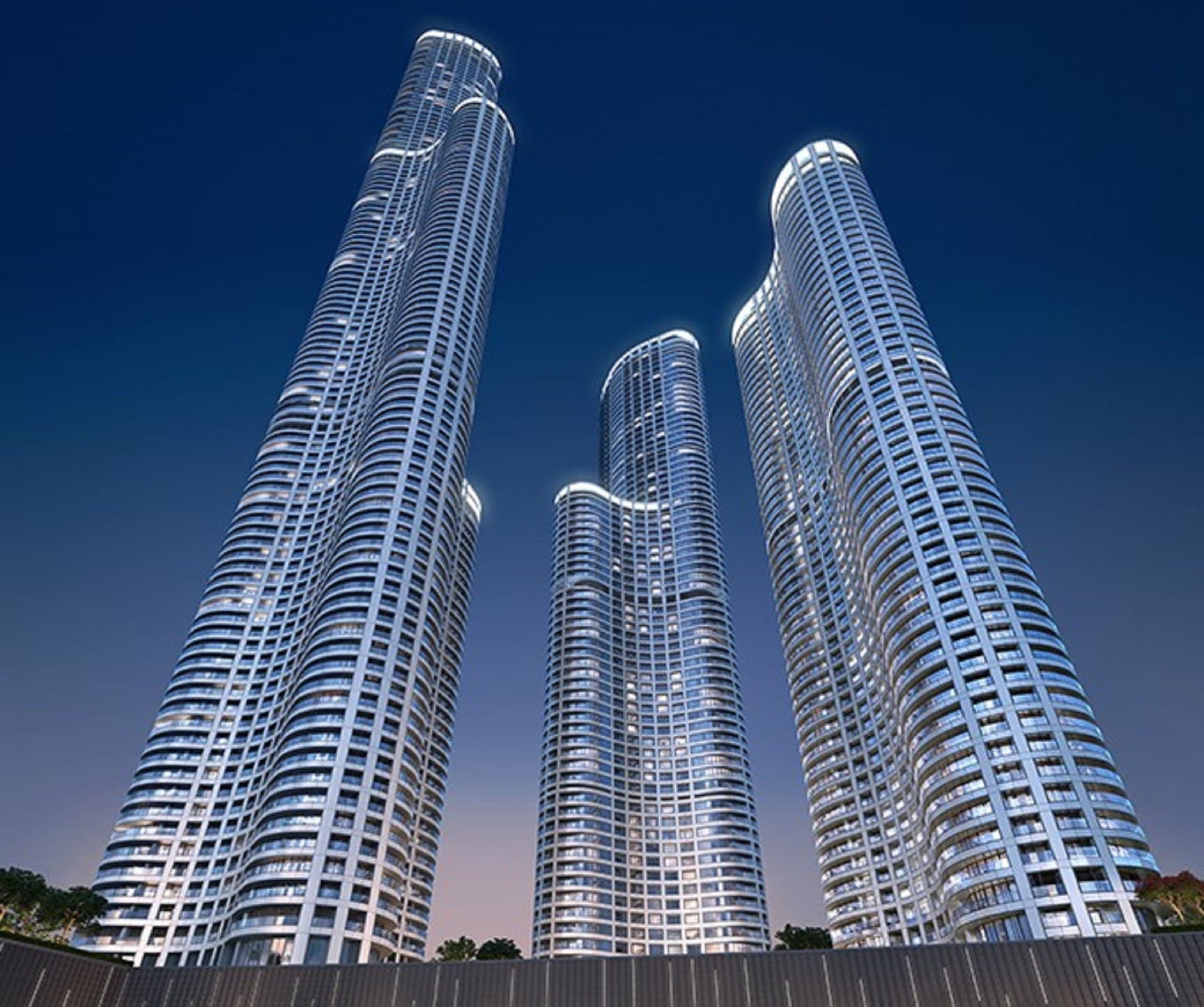
A buyer who tokened a 3 BHK at Indiabulls Sky Forest in Lower Parel for Rs 11.5 Cr moved in with his 38 kg Labrador retriever. Day three, the society manager flagged a bye-law capping pets at 12 kg. The owner was given 30 days to either rehome the dog or seek a Special General Body Meeting (SGBM) exemption. The exemption passed by majority vote with three conditions: (1) Rs 2 lakh refundable pet-damages deposit, (2) restricted lift access between 7-9 AM and 6-8 PM resident peak hours, (3) leashed and muzzled in all common areas. A pet that the family had owned for 8 years and that defined the household’s daily rhythm became a contested negotiation in the first month of possession.
Across Lower Parel and Prabhadevi, pet policy is the single most under-investigated lifestyle variable in tower selection for the 32% of corridor buyers who own at least one pet. Property Butler tracks the full pet-policy stack across 38 luxury towers in the corridor as standing pre-token diligence. The variance is not subtle — it spans no-pet societies through to UHNI-grade buildings with on-site veterinary tie-ups.
The Headline Data Point
Across 38 surveyed corridor towers: 6 (16%) operate no-pet societies; 17 (45%) permit pets with weight or breed caps (typically 12-25 kg); 12 (32%) permit unrestricted pets within standard noise / hygiene bye-laws; and 3 (8%) actively market pet-friendly amenities including on-site grooming, dog walks and veterinary tie-ups. The legal Bombay High Court precedent is clear — societies cannot blanket-ban pets — but corridor practice still includes 6 buildings that operate de-facto pet bans through fees and friction.
The Five Pet-Policy Tiers
| Tier | Policy Stack | Suitability | Corridor Examples |
|---|---|---|---|
| Tier 1 — Pet-Marketed Building | On-site grooming room, dog park, vet tie-up, no breed / weight cap | Multi-pet households, large breeds | 3 corridor towers (top-tier 2022+ launches) |
| Tier 2 — Open Permission | No weight / breed cap, standard noise / hygiene rules, pet lift access | Most pet households | 12 of 38 corridor towers |
| Tier 3 — Capped Permission | 12-25 kg cap, breed-restriction list, peak-hour lift restriction, deposit Rs 50K-2L | Small to mid-sized breeds | 17 of 38 towers (the median) |
| Tier 4 — Restrictive Permission | Existing-pet grandfathered, no new pets permitted; or 1 pet / flat cap | Single-pet end-user households | Several vintage co-op societies |
| Tier 5 — No-Pet Society | Bye-law prohibition; legally challenged but practically enforced via friction | No pet households | 6 of 38 corridor towers |
The Eight Variables Beyond Headline Permission
Headline pet permission is the start. The day-to-day liveability with a pet depends on eight operational variables. Property Butler audits each one before recommending a building to a pet-household buyer.
✓ Variables That Shape Daily Life With A Pet
- Pet lift access: dedicated lift, peak-hour restriction, or shared
- Common-area leash + muzzle bye-laws
- On-podium / rooftop dog-walking permission
- Garbage-disposal protocol for waste bags
- Pet damages deposit (refundable / non-refundable)
- Visitor-pet day-permit (for boarding-replacement scenarios)
- Pet-grooming vendor entry policy (mobile groomers)
- Behaviour-complaint grievance and warning workflow
✗ Common Pain Points
- Weight cap discovered post-token, dog rehoming forced
- Lift-restriction during 7-9 AM peak, owner climbs 22 floors with dog
- Dog-walking restricted to perimeter sidewalk during heavy traffic
- Single-noise-complaint triggers Rs 25K-50K society fine
- Mobile-groomer entry denied; full-service salon trips required
- No designated pet-relief area; podium / amenity floor off-limits
The Dog-Walking Infrastructure Within The Corridor
Property Butler maintains a dog-walking-infrastructure index for the corridor across four parameters: (1) safe sidewalk continuity within 500 metres, (2) traffic-density at typical walk hours (6-8 AM, 7-9 PM), (3) green-space access (Worli Sea Face, Five Gardens periphery, Cadell Road waterfront), and (4) on-podium / on-rooftop walk permission within the building. The Worli-end of Prabhadevi scores highest in the corridor, with the Sea Face promenade and Worli Garden providing 1.8 km of continuous walk space within 800 metres of most sea-strip buildings. Lower Parel scores lower because Senapati Bapat Marg and Tulsi Pipe Road traffic load makes early-morning and evening walks adversarial for both walker and dog.
Within-building walk options matter because corridor walks become impractical 4-5 months a year (heavy monsoon), during evening peak traffic, and when the AQI spikes. Tier 1 pet-marketed buildings include a small podium dog-park (typically 600-1,500 sqft of artificial turf with a perimeter mulch strip). Tier 2 buildings often permit podium walking subject to leashing. Tier 3 buildings often restrict dogs to perimeter sidewalks only.
Cat & Small-Pet Households — A Quieter Variable
Cat owners and small-pet households (rabbit, hamster, indoor birds) generally face less restrictive policy than dog owners. Most corridor societies do not enforce weight or breed restrictions on cats. The variables that matter for cat households are: (1) balcony netting permission (typically allowed with society NOC for safety), (2) groomer / vet visit entry workflow, and (3) the 30-day-overnight-visitor rule that some societies apply to pet-sitters. For households with multiple cats or aviary birds, Property Butler still recommends explicit pre-token policy review because some bye-laws cap total pet count at 2 per flat regardless of species.
Corridor Pet-Household Density
32% of buyers
Property Butler buyer-profile sample, 2024-25 transactions in Lower Parel + Prabhadevi. 32% of buyer households own at least one pet at the time of purchase. Of those, 71% own a dog; 22% a cat; 7% other small pets.
The Legal Position — And Why It Doesn’t Always Help
The Bombay High Court has repeatedly held that housing societies cannot ban pets outright. The Animal Welfare Board of India (AWBI) advisories support pet ownership in housing societies subject to standard hygiene and noise norms. In practice, however, corridor pet households face friction from majority-vote bye-law amendments and informal enforcement that the legal position cannot easily counter without litigation. Filing a society dispute with the Registrar takes 6-18 months and creates lasting friction with the very community a household lives in. Property Butler’s practical advice is to diligence pet-friendliness before tokening and avoid relying on the legal recourse path post-purchase.
What This Means For Your Tower Shortlist
For a household with no pets and no plan to acquire one, pet policy is not material to the buying decision. For households with one small dog (under 12 kg) or a cat, Tier 2 and Tier 3 stock both work; verify the specific bye-law before tokening. For households with a large dog (above 25 kg), multiple pets, or breeds on common restriction lists (Pit Bull, Rottweiler, Doberman, Bullmastiff, Cane Corso, Akita), the corridor shortlist tightens to 12 Tier 2 and 3 Tier 1 buildings — Property Butler maintains the live list. The PSF premium between a Tier 3 building and a Tier 1 pet-marketed building is typically 6-10%; for committed multi-pet households, the daily quality-of-life delta is usually worth more than the financial differential.
Frequently Asked Questions
Can a Lower Parel or Prabhadevi society legally ban pets?
No — the Bombay High Court and AWBI advisories prohibit blanket pet bans. Societies can however impose hygiene, leashing and noise rules. In practice, 6 of 38 corridor societies operate de-facto bans through high deposits, peak-hour lift restrictions and other friction. Legal recourse exists but is slow and damages community relations.
My building permits pets up to 12 kg. My dog is 22 kg. What are my options?
Three paths. (1) Apply to the society for an exemption with a behaviour history and vet certificate, often successful for owner-grandfathered cases. (2) Trigger an SGBM motion to amend the bye-law — needs majority support and typically takes 60-90 days. (3) File a Registrar dispute citing AWBI guidelines — slow but legally clean. Property Butler’s field advice is to negotiate first; litigation is the last option.
Is a refundable pet-damages deposit legal?
Refundable damages deposits in the Rs 25,000-2,00,000 range are common in the corridor and have been upheld where the society can document a clear damage-and-refund framework. Non-refundable “pet maintenance” charges face more legal scrutiny and have been struck down in several Tribunal cases. Read the deposit clause carefully before agreeing.
Are mobile groomers permitted in Lower Parel and Prabhadevi towers?
Variable by tower. Approximately 22 of 38 corridor towers permit mobile groomers via the service-lift workflow with a single-day visitor pass. The remaining 16 require pets to leave the building for grooming. For frequent-grooming households (every 4-6 weeks), this is a meaningful operational difference.
Will my pet hurt the resale price of my flat?
Generally no, provided no documented society complaints and no visible damage to the unit. In Tier 4 / Tier 5 buildings where pets are restricted, your pool of resale buyers may shrink slightly because pet-household resale buyers will skip restrictive buildings, but the price impact is typically not measurable in corridor data.
Related Reading
→ Society AGM & Bye-Law Resolution Playbook → Society Resale NOC & Transfer Fee Playbook → Senior Citizen & Multi-Gen Flat Selection → Rooftop Sky Lounge & Private Terrace Usage Policy → Lower Parel Area Guide & Live Inventory → Prabhadevi Area Guide & Live InventoryNeed a tower built for a multi-pet household?
Property Butler maintains the corridor’s live Tier 1 and Tier 2 pet-friendly tower shortlist. Tell us your pet count, breed and walking pattern; we’ll match buildings whose bye-laws and infrastructure actually support your household.
Search Pet-Friendly Inventory