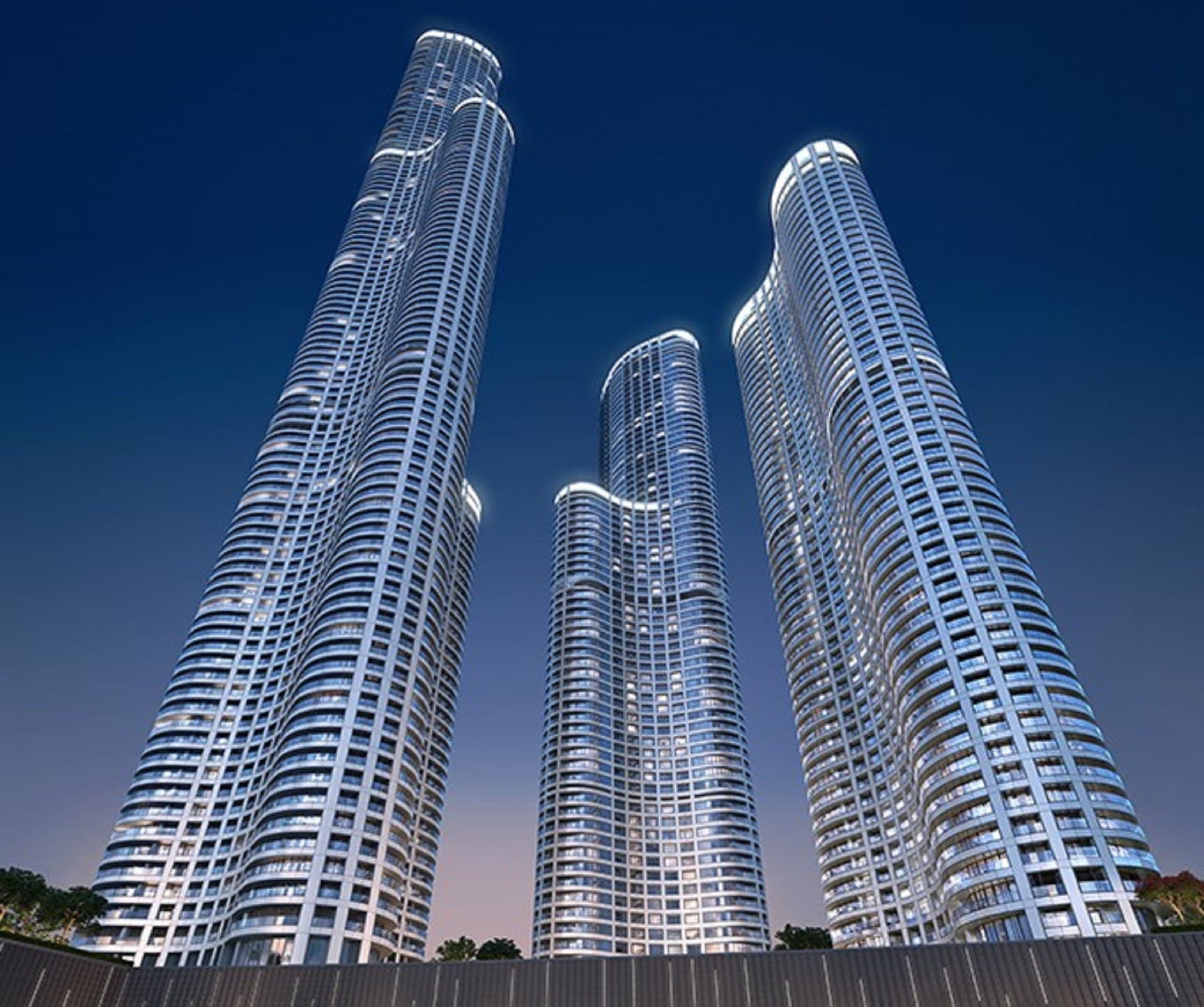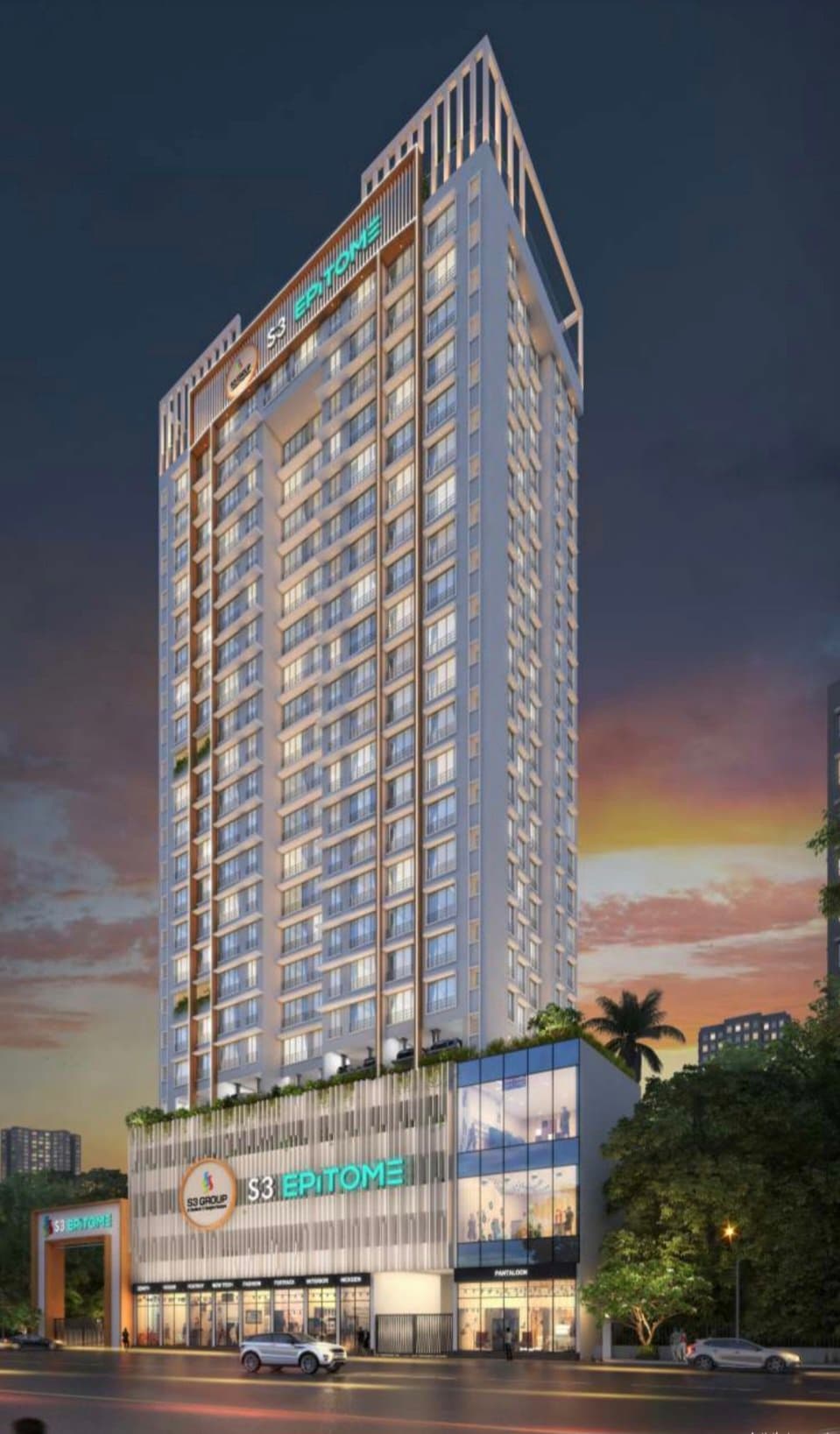
A buyer who tokened a 4 BHK at a leading Lower Parel mid-rise for Rs 13.8 Cr discovered post-possession that his Range Rover Autobiography (3,005 kg unladen) exceeded the building’s mechanical car-park weight cap by 180 kg. The vehicle was relegated to a non-allotted ground-floor visitor bay for six months until society rules forced its removal to a paid off-site valet stand 1.4 km away. Property Butler ran the post-facto diligence and confirmed: the building’s parking allotment had been signed at the carpet-area negotiation stage, no one had pulled the mechanical-car-park spec sheet, and the buyer’s vehicle — perfectly normal in the SoBo HNI segment — did not physically fit the infrastructure he had paid for.
Across Lower Parel and Prabhadevi, vehicle-envelope compatibility is the single most under-investigated parking variable. Property Butler tracks parking infrastructure across 38 corridor towers as a standing diligence point because the vehicle-buyer profile in the corridor (luxury SUV, electric premium, supercar) frequently outruns what the building was originally engineered for. The variance shows up across four parameters: bay length, bay width, vehicle weight cap and ramp clearance height. Add EV charging, and the compatibility map narrows further.
The Headline Data Point
Across 38 surveyed corridor towers, only 9 (24%) accommodate a Range Rover-class luxury SUV (length above 5.0 m, weight above 2,800 kg) in standard allotted bays without restriction. 17 (45%) accommodate it but require the buyer to surrender mechanical-car-park slots in favour of stilt or open ground-floor parking. 12 (31%) cannot accommodate vehicles above 2,500 kg or 5.0 m on standard allotted infrastructure — the buyer parks externally or downsizes the vehicle.
The Four Parking Compatibility Parameters
Property Butler diligences four specific physical parameters before recommending a tower to a luxury-vehicle household. The brochure parking allotment (typically “2 covered car parks per 4 BHK”) is the start — the parameter audit determines whether those allotments are usable.
| Parameter | Standard Indian Spec | Luxury Threshold | Typical Failure Vehicle |
|---|---|---|---|
| Bay Length | 4.5-4.8 m | 5.0-5.4 m | Range Rover LWB, Bentley Bentayga, Mercedes-Maybach |
| Bay Width | 2.3-2.4 m | 2.5-2.7 m | Tesla Model X (with mirrors), Bentley Continental GT |
| Vehicle Weight Cap (mechanical car park) | 2,200-2,500 kg | 2,800-3,200 kg | Range Rover Autobiography, Mercedes EQS SUV, BMW iX |
| Ramp / Pallet Clearance Height | 1.85-2.0 m | 2.05-2.15 m | Mercedes G-Wagen (with roof rack), Defender 110, Tesla Model X (full-extension wing doors) |
The Mechanical-Car-Park Trap
Most Lower Parel and Prabhadevi towers built post-2015 use mechanical car parking (MCP) systems — pit-and-platform, two-tier, three-tier, or full-stack puzzle systems — to fit higher car density into FSI-restricted plots. These systems have hard physical limits that no amount of operational accommodation can override. The 2,500 kg pallet weight cap is the most-frequently-violated parameter in the corridor for luxury SUV households. The 1.95 m clearance is the second-most-violated for tall-roof vehicles.
When the vehicle exceeds the MCP envelope, the corridor practical reality is one of three options: (1) the society allots a non-MCP bay (open stilt or ground-floor) but typically only 8-15% of total parking is non-MCP, so this is rationed; (2) the household stores the vehicle externally at a paid valet (Rs 8,000-15,000 / month plus retrieval friction); (3) the household downsizes the vehicle — usually the worst option because the vehicle was a deliberate choice.
The EV Charging Layer
Electric premium vehicles (Tesla Model X / Y, Mercedes EQS, BMW iX, Porsche Taycan, Volvo XC40 Recharge, Hyundai Ioniq 5) impose two additional requirements beyond the parking-envelope. (1) Per-bay 32A or 40A AC charging socket (7.4-11 kW) for overnight charging. (2) DC fast-charging access within practical retrieval distance (typically 3-5 km) for occasional fast-top-up.
Property Butler tracks EV-charging readiness across 38 corridor towers. (1) 14 of 38 towers have per-bay 32A retrofit available with society NOC and a Rs 65,000-1,40,000 install cost (cabling + sub-meter + dedicated breaker). (2) 9 of 38 towers offer society-shared charging stations — usually 2-4 chargers serving 200+ flats, requiring booking and yielding effective overnight charging only for early bookers. (3) 15 of 38 towers have no charging infrastructure and no clear retrofit pathway because the basement electrical sub-station is at full load. For households committing to a Tesla or EQS in the next 24 months, this variable is binding.
✓ Pre-Token Diligence Stack
- Pull MCP system spec sheet (weight, length, width, height)
- Walk the basement ramp with target vehicle dimensions in hand
- Check ramp clearance heights at each turn / landing
- Confirm allotted bay numbers and physical inspection
- Verify EV-charging sub-meter retrofit policy
- Confirm visitor-bay availability for guest supercars
- Check insurance: MCP-related damage liability stack
✗ Common Failure Patterns
- Brochure parking spec doesn’t mention MCP weight cap
- Bay allotment is non-physical — randomly assigned post-OC
- EV charging retrofit denied due to electrical sub-station overload
- Ramp turn radius defeats LWB sedans on first descent
- Visitor bays oversubscribed; guest supercars sent to off-site valet
- Society fines for repeated incorrect-vehicle parking attempts
The Supercar & Convertible Layer
Households running supercars or premium convertibles (Ferrari, Lamborghini, Aston Martin, Mercedes AMG GT, Porsche 911, Bentley Continental GT) face a specific clearance problem — the underbody clearance on the basement-ramp transition (typically 100-130 mm at the steepest point) damages the front splitter on most modern supercars. Property Butler has tracked corridor towers where supercar households have had to fit aftermarket nose-lift kits (Rs 4-12 lakh) or surrender the supercar to off-site climate-controlled storage (Rs 15,000-35,000 / month). The pre-token diligence point is to drive the target vehicle (or a representative low-clearance proxy) through the basement ramp before signing.
Corridor Luxury-Vehicle Compatibility
Only 24% fit a 3-ton luxury SUV
Property Butler corridor parking-envelope database, 38 surveyed Lower Parel + Prabhadevi towers. Range Rover Autobiography / EQS SUV / BMW iX class compatibility on standard allotted bays without surrender of MCP slots.
The Resale Implication
Vehicle-envelope incompatibility is one of the few diligence-failure modes that does not show up in resale-marketing photographs. Buyers who diligence the corridor specifically for luxury SUV / EV / supercar compatibility consistently downgrade non-compatible buildings, but the broad resale market does not. The seller’s practical experience is that 4 BHK / 5 BHK + units in MCP-only buildings (the typical $4 ton+ luxury vehicle profile) take 3-7 weeks longer to close to HNI buyers who run a luxury fleet, but absorb at full asking. The seller can avoid this delta by pre-arranging a non-MCP swap with the society at the listing stage.
What This Means For Your Tower Shortlist
For a household with one or two compact sedans or mid-sized SUVs (Honda City, Toyota Camry, Toyota Innova, Mahindra Scorpio-N), most corridor stock works without diligence. For a household with one or two full-sized luxury SUVs (Range Rover, GLS, X7, Defender, EQS SUV), target buildings with at least 25% non-MCP allotment and explicit per-bay EV charging readiness. For supercar / convertible households, the corridor shortlist tightens to 5-7 buildings with shallow basement-ramp transitions and oversized stilt bays. Property Butler runs the parking compatibility audit at the token stage as a standing service. The PSF premium between MCP-only stock and stilt-friendly stock in the corridor ranges 5-9% — usually less than the 10-year accumulated cost of off-site valet, splitter damage and downsized vehicle compromise.
Frequently Asked Questions
Can I get my MCP weight cap upgraded post-handover?
Almost never. MCP weight caps are structural — the steel frame, motor torque rating and pallet design are fixed at install. Society-led upgrade is theoretically possible but costs Rs 8-15 lakh per pallet pair and requires unanimous consent because the upgrade typically requires plant downtime that affects every owner. Practical reality: the cap is the cap.
Can I install an EV charger at my own bay?
In 14 of 38 surveyed corridor towers, yes — with society NOC, a sub-meter for separate billing, a dedicated 32A breaker on the basement DB and Rs 65,000-1,40,000 in cabling and install cost. In 15 of 38 towers, no — the basement electrical sub-station is at full load and any new EV connection would require a substation augmentation that the society has not approved.
Can I rent or buy an additional parking bay from another resident?
Yes for rentals (typical Rs 4,000-8,000 / month for an MCP slot, Rs 10,000-18,000 for a stilt bay) provided the society NOC framework allows internal transfers. Outright purchase of additional bays is governed by society allotment rules — some societies cap one bay per flat, others allow purchase up to 4. Confirm before tokening if your household runs 3+ vehicles.
Are visitor parking bays a viable backup for guest supercars / large SUVs?
Marginally. Most corridor societies provide visitor parking at 5-15% of total bays, often shared across 200-400 flats. During hosting peak hours (Friday-Sunday 7-11 PM), visitor bays are typically oversubscribed. Property Butler advises households who host frequently to negotiate a guest-parking arrangement with the society at the time of agreement.
My target tower has only MCP. Should I downgrade to a smaller vehicle?
Not before exhausting alternatives. Options: (1) negotiate a non-MCP bay swap from another resident, (2) lease a stilt bay from the society for additional rental, (3) park externally at a paid valet for the larger vehicle and use a smaller daily vehicle from the building. The downsizing decision should be a final option, not a first one.
Related Reading
→ Robotic / Valet / Self-Park Automated Parking Decoder → Power Backup & DG Reliability Decoder → Elevator Brand Tier Decoder → Service Lift & Staff Entry Tier Matrix → Lower Parel Area Guide & Live Inventory → Prabhadevi Area Guide & Live InventoryNeed a tower that fits your fleet?
Property Butler maintains the corridor’s parking-envelope and EV-charging compatibility database. Tell us your vehicles (make, model, weight, dimensions, EV charging needs); we’ll match buildings whose infrastructure actually fits.
Search Stilt-Parking Inventory