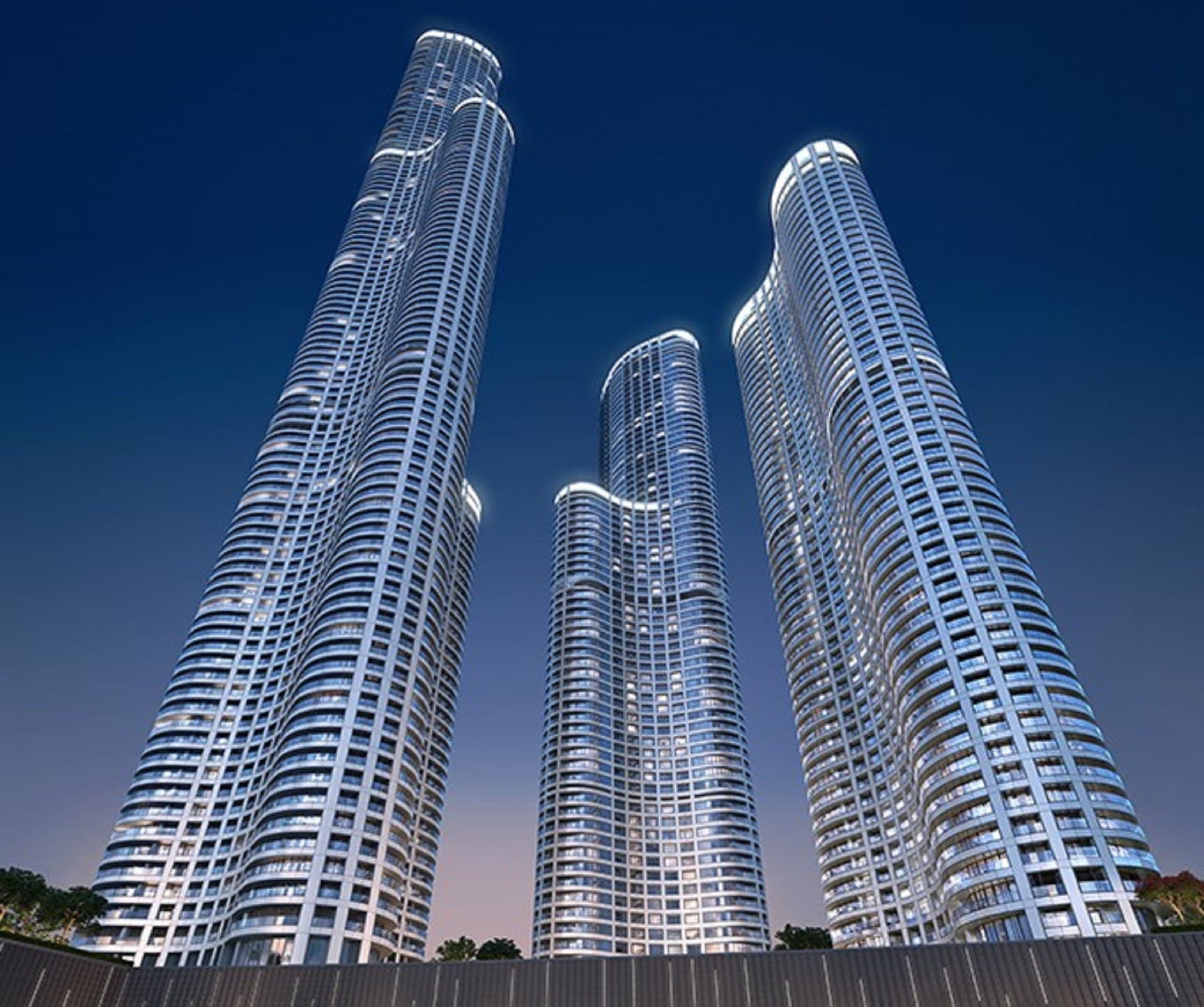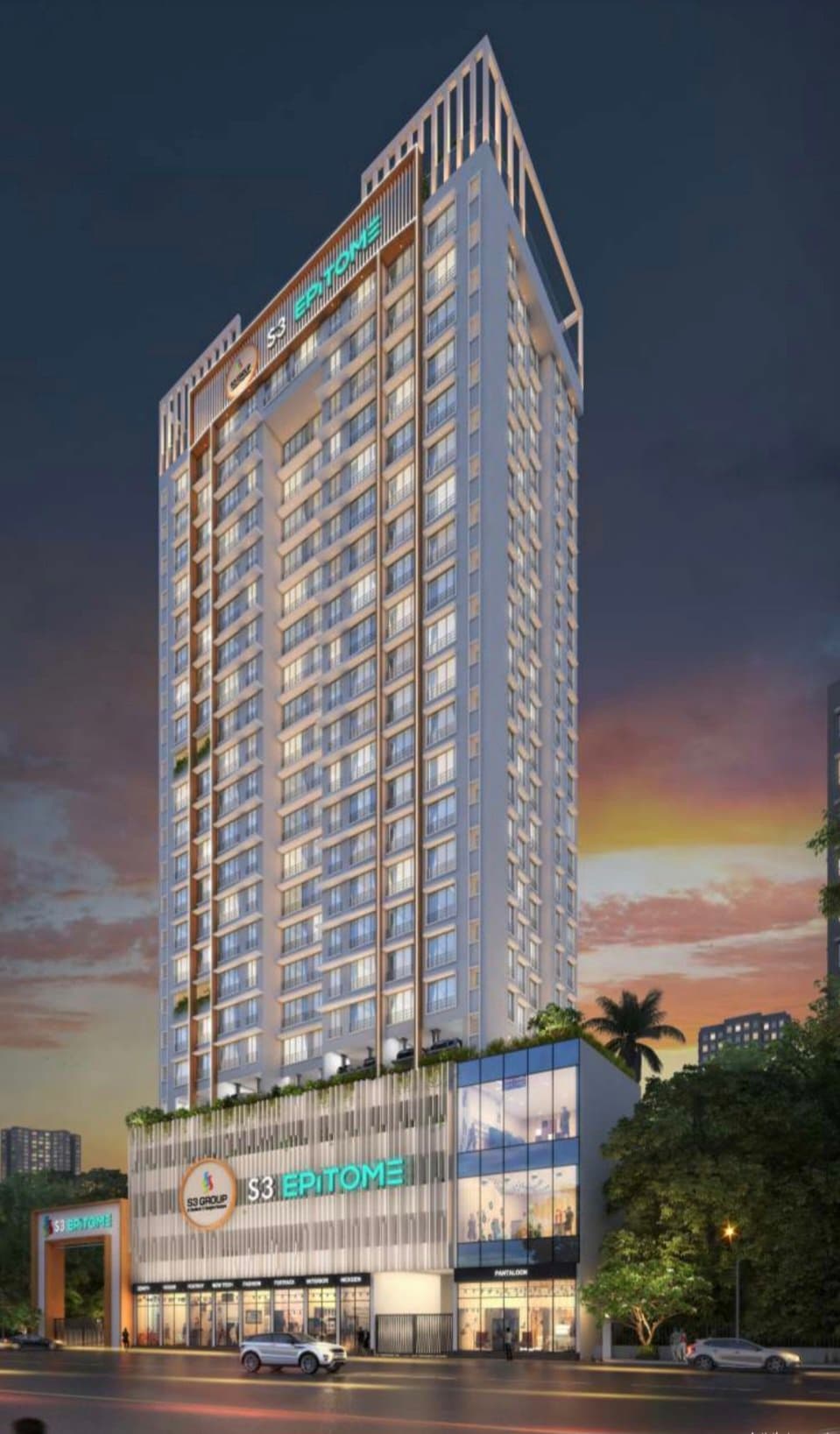
If you walk into the lift lobby of Rustomjee Crown at 8:15 a.m. on a Tuesday, you will likely encounter a fund manager, a private-equity principal, two corporate doctors, and a hospitality-business founder before you reach the parking podium. That same lobby at the same hour 1.4 km away at Indiabulls Sky Forest in Lower Parel will deliver a different mix — heavier on technology / startup founders, slightly more visible international media or fashion industry residents, and a noticeable presence of returning NRI families.
Property Butler's tracked buyer-side data, drawn from 600+ HNI enquiries and 180+ completed transactions across this corridor in the past 24 months, surfaces a strikingly clear pattern: each major tower in Lower Parel and Prabhadevi has a distinct industry-cohort fingerprint. Knowing which industries cluster in which building matters for neighbour fit, social network compatibility, after-school networks for children, and — material for investor buyers — resale liquidity profile.
Key Insight — Tower Industry Mix Shapes Resale Velocity
Property Butler observes that towers with a high concentration of long-tenure BFSI or industrialist-family buyers (above 60% of owner cohort) deliver resale velocity 20–30% faster than towers with high concentrations of recent-IPO founders or short-tenure technology buyers. The first group buys to hold (5–15 year horizons); the second group rotates faster (3–7 year horizons) which both depresses prices during exit cycles and lengthens listing times during corrections. For owner-occupier buyers the difference is invisible; for investor buyers it is material.
The Six-Industry Buyer Composition of LP-Prabhadevi HNI Cohort
Property Butler's enquiry intake (anonymised, aggregated) suggests the HNI buyer cohort in this corridor splits roughly as follows:
| Industry Cohort | Share of HNI Buyers (PB tracked) | Typical BHK Preference | Average Hold Horizon |
|---|---|---|---|
| BFSI / Private Equity / Hedge Fund | ~32% | 3–4 BHK, high-floor, sea or open | 8–15 years |
| Startup / Tech Founder | ~18% | 3 BHK, 25+ floor, open view | 4–7 years |
| Industrialist / Family Business | ~14% | 4–5 BHK, large carpet, sea view | 12–25 years |
| Doctors / Hospital-Group Founders | ~12% | 3–4 BHK, proximity to KEM/Tata/Wadia | 10–20 years |
| Returning NRI | ~11% | 3–4 BHK, branded developer, OC ready | 7–15 years |
| Media / Entertainment / Fashion | ~8% | 2–3 BHK, design-forward buildings | 5–10 years |
| Corporate executives / others | ~5% | Varied | 5–10 years |
The Industry-Cohort Fingerprint by Building
Each major tower in the corridor leans toward a particular industry mix. Property Butler's anonymised tracked-cohort observation:
BFSI / PE-Heavy Towers
Rustomjee Crown (Prabhadevi), Kalpataru Oceana, Lodha Vista. Strong concentrations of fund managers, private-equity principals, large-bank seniors. Owner-occupier dominance, long hold horizons, premium-amenity preferences.
Founder / Tech-Heavy Towers
Indiabulls Sky Forest, The Edge Tower 1 + 2, Lodha Allura. Younger founder cohort, post-IPO / post-exit liquidity buyers, design-forward preferences. Higher rotation but strong amenity engagement.
Industrialist Family Towers
Lodha World Towers high-floor, One Avighna Park penthouse, Times Tower large-format. Multi-generational family residence, ultra-long hold horizons, scale and view-axis dominance over amenities.
Doctor / Medical-Heavy Towers
Ashok Towers, Crescent Bay, Bhoomi Simana. Strong correlation with KEM Hospital, Wadia Hospital, Tata Memorial Centre adjacency. Steady owner-occupier base.
Returning NRI-Heavy Towers
Sobha Inizio, Sattva Parel, Lodha Grandeur, Ruparel Jewel. Branded national-developer preference, OC-ready emphasis, strong documentation orientation.
Media / Creative-Heavy Towers
Ruparel Ariana, Sobha Inizio, Lodha Venezia. Slightly lower price points; design-forward and lifestyle-amenity orientation; higher visibility of younger creative professionals.
These are tendency patterns, not absolutes — every tower has all six cohorts represented. The fingerprint reflects the dominant cohort.
Why Cohort Matters for the Buyer
Four Reasons Cohort Composition Actually Matters
- Resale velocity: Owner-occupier-heavy towers re-sell faster. Industrialist + BFSI-dominated buildings hold price better through cycles.
- Society governance: Long-tenure resident cohorts engage more consistently with society management, AGM decisions, redevelopment planning. Investor-heavy towers can drift on these.
- Daily-life compatibility: Lift lobby interactions, common amenity usage patterns, kids' play-area age mix, AGM meeting tones — all shaped by who else lives there.
- Network effects: Industry-cohort towers naturally generate stronger professional adjacency. A BFSI buyer in a BFSI-heavy tower has casual access to peer cohort that supports career and dealflow.
How to Read Cohort Composition Before Buying
Property Butler's diligence approach for cohort assessment, in order of effectiveness:
- Ask the selling broker for an anonymised cohort sketch. A credible broker will share rough percentages: owner-occupier vs investor, family-occupant vs rented, industry split.
- Walk the lift lobby at 8:00 and 8:30 a.m. The morning rush reveals the actual resident mix more accurately than any brochure.
- Visit the gym / pool at 7:00 and 19:00. Peak amenity hours show the active resident cohort.
- Talk to the front-desk concierge. They know who lives there, who rents, who travels, and which units are dormant.
- Check the society's last AGM attendance. AGMs with 60%+ owner attendance signal engaged-occupier cohorts; AGMs with under 30% attendance signal investor / absent-owner dominance.
Frequently Asked Questions
What's the dominant buyer industry in Rustomjee Crown?
Property Butler's tracked cohort observation suggests Rustomjee Crown skews toward BFSI seniors, private-equity principals, and hospitality / family-business founders. The combination of high floors, sea view permanence, and 3–5 BHK configurations attracts long-hold owner-occupier buyers. Younger founder cohorts are present but not dominant.
Are there a lot of foreign / NRI buyers in Lower Parel and Prabhadevi?
Property Butler estimates returning-NRI buyers at roughly 11% of HNI intake in this corridor. The share has grown over the past 24 months. Concentration is highest in OC-ready, branded national-developer towers — Sobha Inizio, Lodha Grandeur, Ruparel projects — and lower in older or RERA-pending stock.
If I'm a founder, should I avoid founder-heavy towers?
Not at all — founder-heavy towers offer strong peer-cohort access. The trade-off is shorter average hold horizons among neighbours, which can translate to slightly faster turnover and weaker price defence during corrections. Property Butler's view: if you are an end-user with a 5–10 year horizon, founder-heavy towers are good. If you are an investor seeking maximum resale stability, BFSI / industrialist-heavy towers offer more defensive characteristics.
How can I verify the cohort composition of a building before buying?
Walk the lobby and the amenity floor at peak hours, ask the selling broker for an anonymised mix, and request the society's last two AGM attendance records and minutes. Property Butler also maintains internal tower-by-tower cohort assessments based on transaction enquiry data — available to active buyer clients.
Does the cohort change after a building is fully sold out?
Modestly, yes. As resale begins after OC, the initial buyer cohort gradually rotates — investor-heavy initial sales typically convert to owner-occupier resales over 3–7 years, which strengthens the long-hold cohort. The original developer-driven first-occupier mix is rarely the same as the cohort 10 years post-OC.
Want a cohort-aware shortlist for Lower Parel or Prabhadevi?
Property Butler curates buildings based on industry-cohort fit — peer-cohort proximity for BFSI, founders, doctors, industrialist families, returning NRIs. Detailed cohort assessment available to active buyer clients.
Explore Curated Inventory