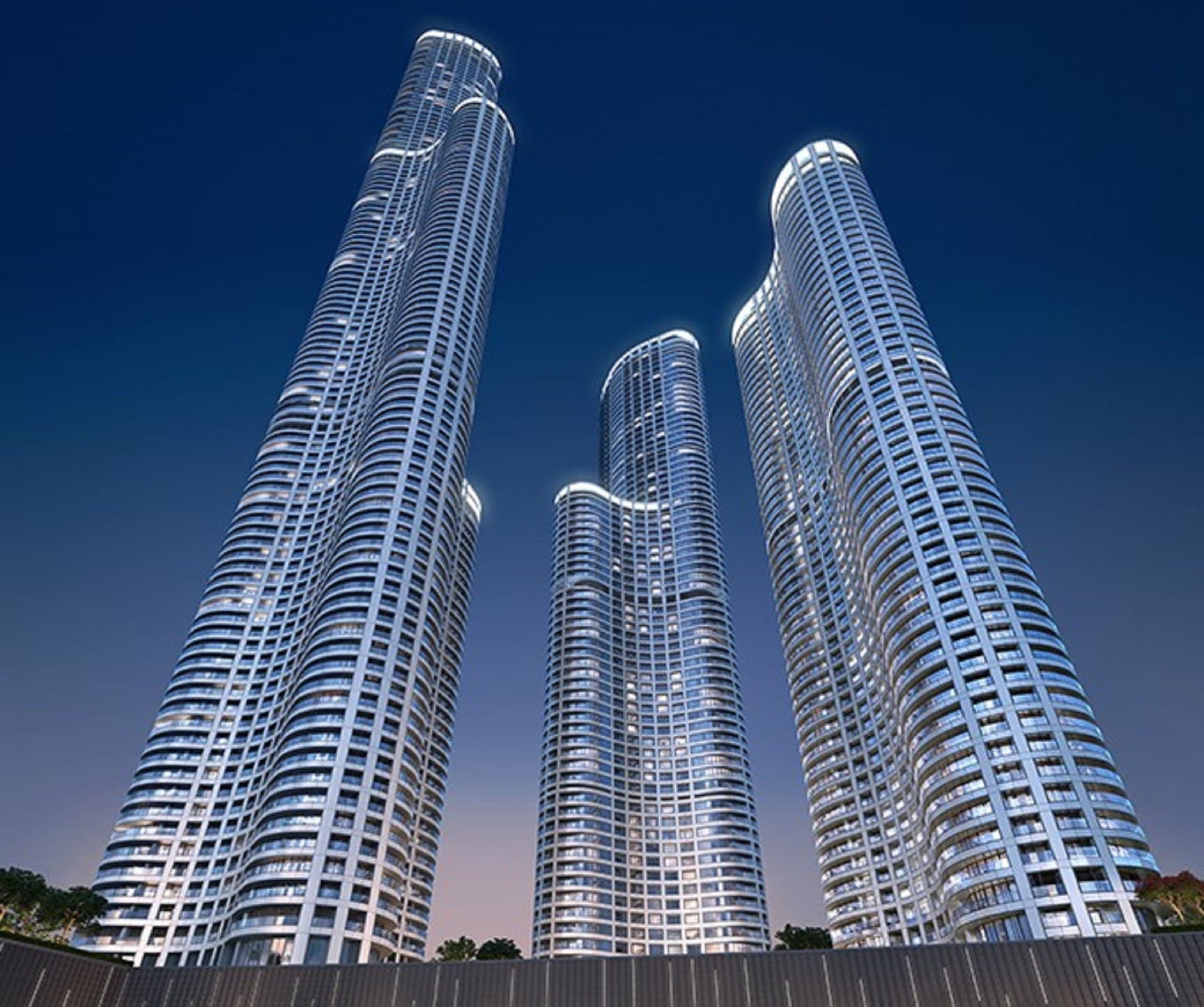
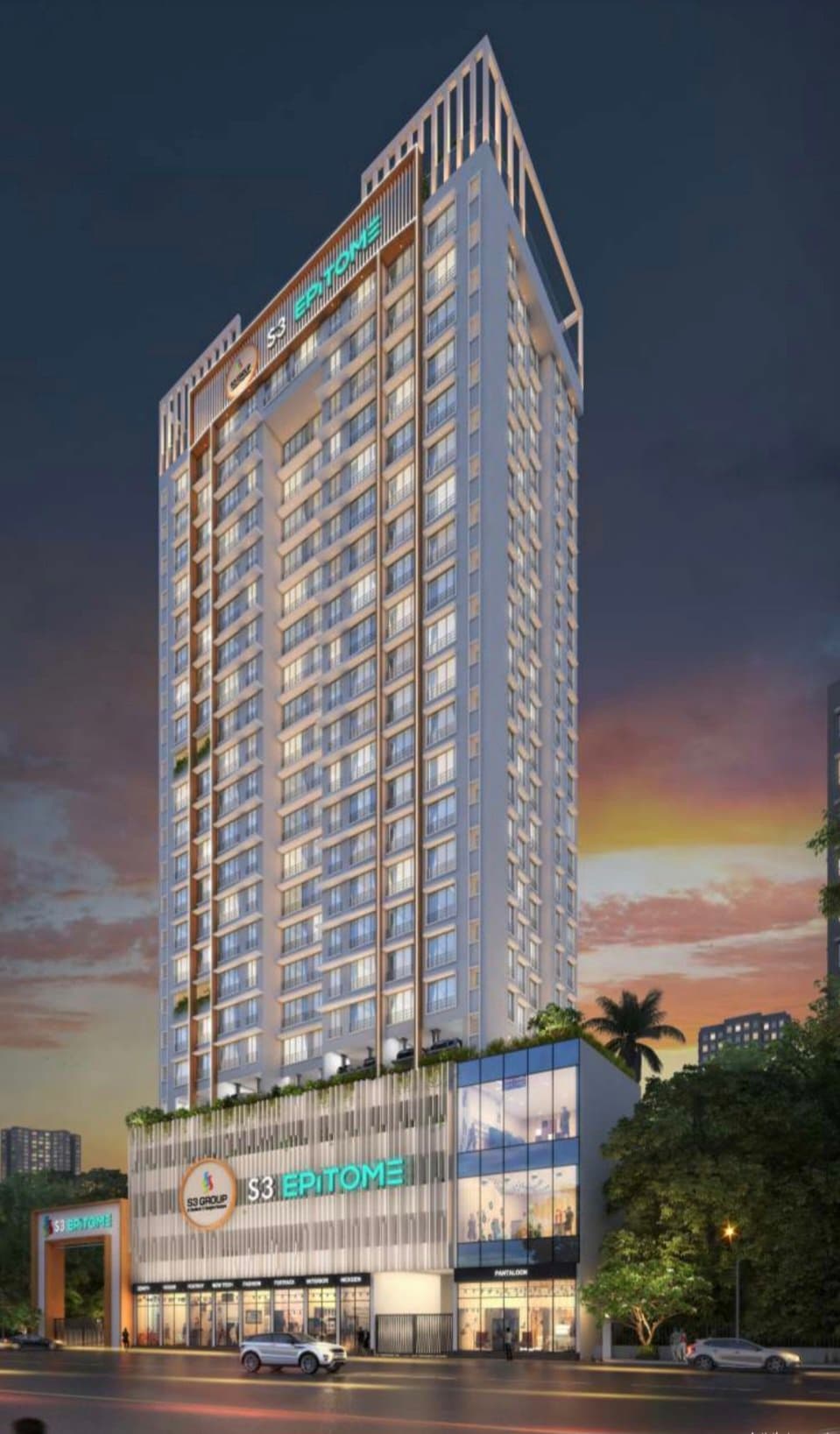
The Lower Parel-Prabhadevi upgrader has a specific liquidity problem. The buyer typically lives in a ₹7-12 crore 2 BHK they bought 6-9 years ago, wants to upgrade to a ₹18-30 crore 3-4 BHK in the same corridor, and needs to fund the new purchase before the old one sells. Their existing apartment is the largest single asset on their balance sheet — it cannot be carried at zero capital cost. Selling first creates a temporary-housing problem and timing mismatch on a hot market. Buying first creates a capital-gap problem that home loans alone cannot solve cleanly. The bridge loan, lease-back, partial-token chain and developer-rollover structures are the four tools that solve this — and the choice between them is the difference between a smooth upgrade and a six-month financial scramble. Property Butler decodes the math.
The headline numbers
A typical Lower Parel-Prabhadevi upgrader buying ₹22 crore inventory while sitting on a ₹9 crore existing apartment needs to bridge a capital gap of ₹13-18 crore over the 90-180 day sale window. Bridge loan interest rates run 9.5-12.5% annualised (versus 8.5-9.2% for standard home loans). Total bridge cost on a ₹13 crore gap held for 120 days lands at ₹40-55 lakh in interest plus ₹3-7 lakh in processing fees. Lease-back from the buyer of the existing apartment, where structurally available, eliminates most of this cost.
The four upgrader structures, decoded
| Structure | Typical cost | Best for |
|---|---|---|
| Bridge loan (against existing property) | 9.5-12.5% annualised; 0.4-0.6% processing | Standard cases; old property has clean title; bridge period 60-180 days |
| Lease-back from buyer of old property | Market rent for 60-180 days; zero capital cost | When buyer of old property accepts delayed occupancy |
| Token-chain coordination | Effectively zero (coordination cost only) | When old-property buyer and new-property seller can be paced |
| Developer instalment rollover | Embedded in construction-linked plan | Under-construction new purchase with milestone payments |
Structure 1 — the standard bridge loan
A bridge loan is a short-tenor secured loan against the existing property, designed specifically to fund a new property purchase before the old one sells. Three lenders in the Lower Parel-Prabhadevi corridor structure these regularly — typically as 6-12 month loans with bullet repayment, secured by mortgage on the existing apartment, with the new property as additional collateral.
The economics are real but manageable. On a ₹13 crore bridge held for 120 days at 11% annualised, the interest cost is ₹47 lakh. Processing fee of 0.5% adds another ₹6.5 lakh. Total ₹53 lakh. On a ₹22 crore upgrade, that is roughly 2.4% of new purchase value — meaningful but not deal-breaking.
The qualification gates are: clean title on existing property, minimum 50% loan-to-value capacity (the lender will not lend more than 50% of the existing property's open-market value as bridge), demonstrable repayment plan from the upcoming sale, and clean credit profile of the borrower. Lower Parel-Prabhadevi buyers typically clear all four gates without difficulty, but the lender will independently appraise the existing property and may apply a 10-15% haircut on the buyer's expected sale price.
Structure 2 — lease-back from the buyer of the existing apartment
The cleanest structure when it works. The buyer of the existing apartment takes title and pays full consideration on day zero. The seller (the upgrader) leases the apartment back for a fixed 60-180 day window at market rent. The upgrader uses the sale proceeds to fund the new purchase immediately, then moves to the new apartment when ready.
Property Butler has structured several such transactions in the LP-PD corridor. The lease-back rent is typically priced at the rolling 12-month rental yield for the building — for a ₹9 crore Lower Parel 2 BHK, that is roughly ₹4.8-5.8 lakh per month. The upgrader pays this rent for the bridge window, but eliminates entirely the bridge loan interest, processing fees and loan documentation drag.
The structure works when the new-apartment buyer is investor-led (does not need immediate occupancy), NRI (typically defers occupancy in any case), or another upgrader on a similar timeline. Property Butler's relationship managers filter the buyer pool for lease-back-amenable profiles specifically when the seller flags an upgrade-in-progress.
Structure 3 — the token-chain coordination
The most elegant structure when fully coordinated. The upgrader simultaneously: (a) accepts token from the buyer of their existing apartment, (b) pays token to the seller of the new apartment, (c) negotiates agreements with mutually-locked timelines so that both registrations close on the same day or within a 5-7 day window. The upgrader's capital from the existing-property sale flows directly into the new-property registration via the seller's account.
The risk is timing slippage. If either chain participant — the buyer of the existing apartment or the seller of the new — has documentation issues, the chain breaks. Property Butler handles this risk by acting as the central coordinator across both transactions and by inserting indemnity provisions into both agreements that protect the upgrader if either side slips.
Cost is effectively zero capital cost. Coordination cost includes legal review fees and Property Butler's coordination effort. For upgraders sitting on ₹8-15 crore existing property and buying ₹18-30 crore new property, this is the highest-leverage structure when chain coordination is feasible.
Structure 4 — developer instalment rollover
Specific to under-construction new-purchase scenarios. The developer offers a construction-linked payment plan (typically 20-25% at booking, 50-60% across construction milestones, 15-20% at OC). The upgrader can structure the payment timeline so that the bulk of the construction-linked payments come due after the existing-property sale closes — eliminating bridge requirement entirely.
This works only for under-construction inventory. For ready-to-move purchases, full consideration is due at registration, which forces back to bridge loan, lease-back or token-chain. Buyers targeting ready-to-move 3-4 BHKs in Crown, Sky Forest or Lodha World Towers cannot use this structure.
The trade-off is the time lag — under-construction purchase typically pushes possession 2-4 years out from booking, versus immediate possession on ready-to-move. For buyers who can wait, the capital efficiency is meaningful.
The four mistakes Property Butler sees upgraders make
Mistakes to avoid
- Optimistic timing — assuming the existing apartment will sell in 30-45 days
- Paying full token on the new before any token is received on the old
- Not negotiating lease-back option into the existing-property agreement
- Stacking standard home loan on new purchase + bridge on old — double interest
What works
- Realistic 90-180 day sale window with bridge or lease-back contingency
- Token-chain coordination through a single relationship manager
- Pre-approved bridge loan facility before the new-property token moves
- Lease-back optionality always negotiated into the old-property agreement
The capital gains tax interaction
Section 54 of the Income Tax Act allows the upgrader to defer long-term capital gains from the sale of the old property by reinvesting the gain into the new property within specified windows: 1 year before sale, or 2 years after sale for ready-to-move purchase, or 3 years after sale for under-construction. The bridge structure has to accommodate this window — buying the new property before selling the old generally qualifies for Section 54 protection as long as the timing constraint is met.
For Lower Parel-Prabhadevi upgraders, this is a meaningful tax — a ₹9 crore property sold with ₹3.5 crore of indexed long-term capital gain attracts ₹43-87 lakh of tax without Section 54 reinvestment. The bridge structure preserves the optionality to claim Section 54 cleanly because the new purchase is already executed within the 1-year-prior window.
Frequently asked questions
Can I stack a standard home loan on the new property and a bridge loan on the old?
Technically yes, but it is usually suboptimal. The combined interest cost can exceed ₹70-90 lakh over 120 days on a typical upgrade. The cleaner structure is bridge loan against the existing property covering the equity gap on the new, with a smaller home loan on the new for the long-term financed portion. Property Butler's mortgage desk runs the comparison for each upgrader.
How long does a bridge loan take to approve?
Pre-approval can be done in 3-5 weeks if title documents on the existing property are in order. Final disbursal is typically 6-8 weeks from application. This is why Property Butler recommends initiating the bridge conversation before token money is paid on the new property — not after.
What if my existing property does not sell within the bridge window?
Bridge loans typically have a 12-month outer maturity with extension options up to 18-24 months at penal rates. The extension is expensive — interest rates step up by 150-250 basis points. The realistic mitigation is to price the existing property aggressively for a 90-120 day clearance window from day one, not to start at top-of-market and then discount when timing pressure rises. Property Butler's pricing-strategy review on the existing property is paired with the bridge structure.
Can I use the Loan Against Property (LAP) instead of a bridge?
LAP is a longer-tenor mortgage product (5-15 year) versus bridge which is short-tenor. LAP rates are typically lower (9.0-10.5%) but the loan-to-value is similar (40-60% of existing property). The trade-off is LAP often requires the borrower to retain ownership of the LAP-secured property for the full LAP tenor, which conflicts with the upgrader's goal of selling the existing property. Bridge is generally structurally cleaner for the upgrade-and-sell use case.
Does Property Butler arrange the bridge loan directly?
Property Butler's mortgage desk works with three private banks and two NBFCs that have standing bridge-loan offerings in the SoBo luxury segment. We coordinate documentation, valuation and disbursal alongside the transaction itself, so the bridge and the new-property registration are sequenced cleanly. The bridge facility is between the buyer and the lender; Property Butler does not earn a direct fee on the bridge itself.
Related Reading
→ Loan Against Property (LAP) Decoder→ Jumbo Home Loan Structuring→ Capital Gains Exit Playbook→ Token to Registration Closure Timeline→ Lower Parel Resale Velocity Playbook→ Lower Parel Area Guide→ Prabhadevi Area GuideUpgrade without the six-month financial scramble
Property Butler structures the upgrade — bridge, lease-back, token-chain or developer-rollover — so both transactions close cleanly without forced timing on either side.
Browse Upgrade Inventory