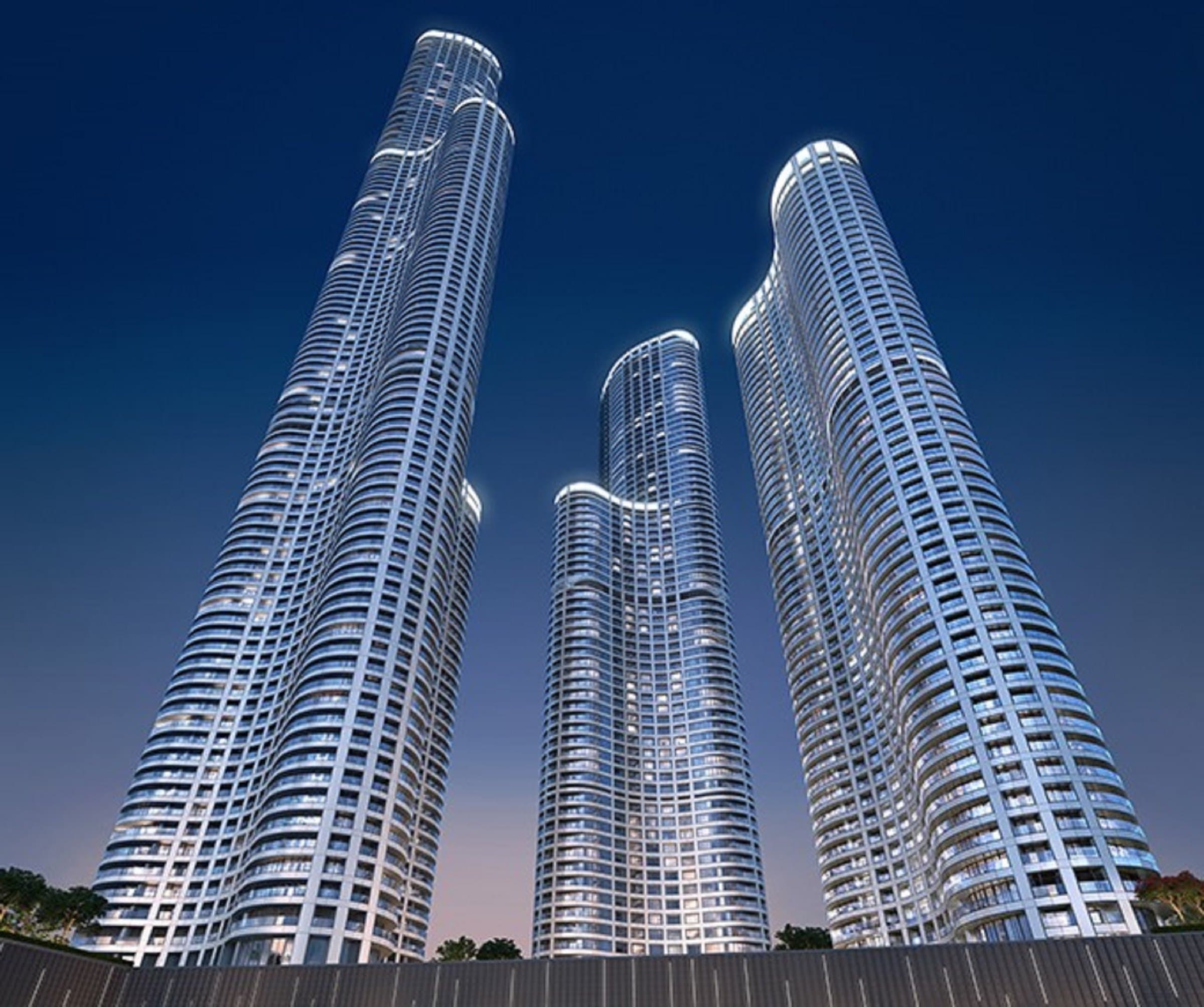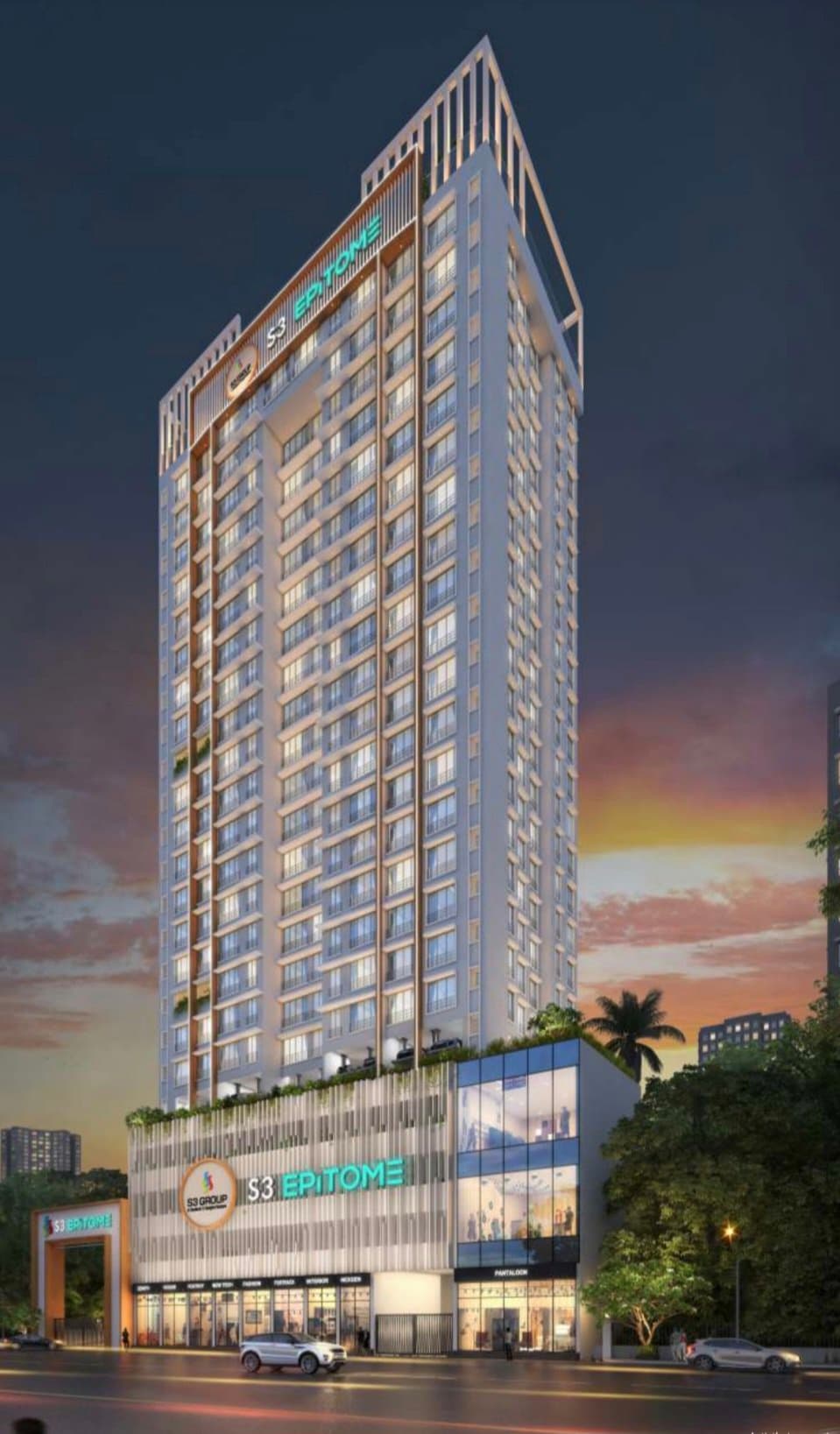
A Lower Parel 3 BHK at ₹10.75 Cr or a Prabhadevi 3 BHK at ₹21 Cr carries between ₹15 lakh and ₹45 lakh worth of fitout, white goods, soft furnishing, jewellery, art, and electronics — but the median home insurance cover Property Butler sees buyers actually hold is ₹5–₹15 lakh on a 1-year vanilla "home contents" policy that excludes 60% of the most likely Mumbai loss events. The claim mechanics are equally misunderstood: most policy-holders don't know that the building's society insurance covers structural damage but specifically excludes inside-the-unit losses, that flood claims from short-duration monsoon water ingress are routinely rejected unless the policy includes a specific "escape of water" rider, and that burglary claims at 60-floor towers are increasingly contested by insurers on "reasonable security expectation" grounds. This is the workable buyer playbook.
The Quick Read
Lower Parel and Prabhadevi towers face 4 high-frequency loss events: (1) monsoon water ingress from façade glazing or balcony drain failure (≈₹50k–₹4 lakh per event); (2) electrical fire from kitchen / AC condenser failure (≈₹3–₹40 lakh); (3) plumbing burst — typically dishwasher inlet or geyser failure (₹2–₹15 lakh); (4) burglary, rare but high-ticket (₹5 lakh–₹3 Cr depending on jewellery / electronics on premises). A correctly structured policy for an A-grade Lower Parel or Prabhadevi 3 BHK should run ₹35,000–₹70,000/year and cover ₹45 lakh+ contents + ₹8 Cr+ replacement-cost structure + escape-of-water rider + burglary with a 24-hour CCTV warranty clause. Most buyers carry <40% of what they need.
The two-tier insurance stack you actually need
A Lower Parel or Prabhadevi luxury apartment requires a stack, not a single policy:
- Layer 1 — Society building insurance. Mandatory under MCS / RERA bylaws. Covers structural damage to the building envelope (façade, slabs, columns, common areas) from fire, earthquake, terrorism. The society manages this and recovers premium via CAM. Does NOT cover anything inside your apartment walls.
- Layer 2 — Apartment home insurance (your responsibility). Two components: (a) Structure cover — internal walls, false ceiling, flooring, plumbing/electrical within your unit. (b) Contents cover — furniture, white goods, jewellery, art, electronics, soft furnishing. Both need to be sized to current replacement cost, not historic purchase cost.
The single biggest mistake Property Butler sees: buyers assume the society insurance covers their apartment. It does not — for any inside-the-unit loss, you are uninsured unless you have your own Layer 2.
Sizing the cover correctly
| Apartment Config | Structure cover | Contents cover | Annual premium band |
|---|---|---|---|
| LP 2 BHK (₹3–₹6 Cr asset) | ₹2.5–₹4 Cr | ₹20–₹30 lakh | ₹18,000–₹32,000 |
| LP 3 BHK (₹10–₹15 Cr asset) | ₹5–₹8 Cr | ₹30–₹55 lakh | ₹32,000–₹65,000 |
| LP 4 BHK / PD 3 BHK (₹18–₹25 Cr) | ₹8–₹14 Cr | ₹50 lakh–₹1.2 Cr | ₹55,000–₹1,10,000 |
| PD 4 BHK (₹20–₹40 Cr asset) | ₹10–₹18 Cr | ₹80 lakh–₹2 Cr | ₹80,000–₹1,80,000 |
| Trophy 4–6 BHK / penthouse (₹40 Cr+) | ₹15–₹35 Cr | ₹1.5–₹6 Cr (incl jewellery) | ₹1.5–₹4 lakh |
Two sizing rules: (1) structure cover should be roughly 35–55% of asset value (it covers the replacement cost of internal fitout + plumbing/electrical/false ceiling, not the land or building shell which the society covers); (2) contents cover should be the depreciated replacement cost of everything inside, including furniture (₹15–₹40 lakh for a luxury 3 BHK), electronics (₹4–₹12 lakh), white goods (₹4–₹8 lakh), jewellery on premises (highly variable), and art (highly variable).
The four claim scenarios — workflow and settlement reality
1. Monsoon water ingress (most common — 5–8% of LP/PD towers report at least one event per year)
Mumbai's monsoon stress-tests every façade and balcony drain in the corridor. Property Butler tracks the typical loss vectors:
- Façade glazing seal failure (water sheets onto living room window, soaks into wood flooring, damages skirting and AV equipment)
- Balcony drain blockage in heavy downpour (overflow flows back into apartment via threshold)
- Terrace garden drain failure (worst in top-floor units with planters)
- Plumbing chase leak from upstairs unit (water tracks down through chase into your false ceiling)
Claim workflow: photograph the water entry point + standing water + damaged items before cleanup. File First Information Report with insurer within 7 days. Surveyor visit in 7–14 days. Critical: standard "home contents" policy excludes water ingress unless you have an explicit "escape of water and damage by water" rider — this is the single most under-bought rider in Mumbai. Settlement timeline: 30–60 days from FIR, settlement at 70–85% of claim for well-documented cases.
2. Electrical fire (rare per unit but high-ticket — 0.3–0.6% probability per year)
The big loss event. Typical sources in Lower Parel and Prabhadevi towers: kitchen exhaust grease fire, AC condenser short-circuit, geyser overheat, modular kitchen induction surge. Replacement-cost claims in the ₹3–₹40 lakh range are routine; full-apartment fires (rare, <0.05% probability per year) clear ₹50 lakh–₹1.5 Cr in the corridor.
Claim workflow: BMC fire brigade FIR is mandatory (the FIR is your central proof document — insurer will not settle without it). Forensic surveyor (insurer-appointed) inspects within 48–72 hours, scope-of-loss report in 14 days, settlement in 45–90 days. Settlement rate: 85–95% of claim for documented cases, with two common deductions — (a) un-insured items found in apartment, (b) negligence in housekeeping (e.g., gas valve left open).
3. Plumbing burst / leak (medium frequency — 2–3% probability per year)
The under-discussed risk. Dishwasher inlet hoses, washing machine valves, geyser inlet/outlet joints — these fail more often than buyers expect, and the resulting flood travels rapidly through false ceilings and into electronics. Average claim ticket: ₹2–₹15 lakh. Property Butler sees this as the second-most-frequent claim in the corridor after monsoon ingress.
Claim workflow: photograph the burst point + water trail + damaged items. Plumber report identifying the failure source. Insurer surveyor visit within 7 days. Settlement timeline: 30–45 days. Critical: some policies exclude plumbing failures >7 years old from installation; check your policy wording.
4. Burglary (rare in LP/PD due to tower security, but high-ticket when it happens)
The corridor's burglary rate is exceptionally low — Property Butler tracks fewer than 8 reported burglary cases in Lower Parel and Prabhadevi luxury towers over the last 24 months. But when burglary does occur in this corridor, the average ticket is ₹15–₹85 lakh (jewellery being the most-targeted asset class). Recent trend: insurers are increasingly scrutinising whether the policy-holder maintained "reasonable security expectation" — i.e., whether the in-apartment safe was used for jewellery, whether the door biometric was active, whether CCTV was operational.
Claim workflow: Police FIR within 24 hours (mandatory). Insurer notification within 48 hours. Forensic surveyor visit within 72 hours. Settlement timeline: 60–120 days. Settlement rate: 60–75% of claim, with common deductions for un-locked safes ("unsecured jewellery" exclusion), non-operational CCTV ("due care" exclusion), and items without invoice trail ("proof of ownership" exclusion).
The riders most LP/PD buyers should add
✓ Riders to add (Mumbai-specific)
- Escape of water and damage by water — covers monsoon ingress, plumbing burst, leakage from upstairs unit
- Jewellery and valuables (specified) — declared items at appraised value, covers theft + accidental loss
- All-risk for art and antiques (specified) — covers damage in transit, restoration costs
- Personal accident — domestic staff — covers injury to household help while at your premises
- Public liability — covers injury / loss to visitors at your premises
- Loss of rent (for owner-let inventory) — covers rental income loss during repair period
- Replacement cost basis (not depreciated value basis) — pays for new equivalent, not old asset value
✗ Common buyer mistakes
- Carrying contents cover at purchase cost (₹15 lakh) when replacement cost is ₹45 lakh
- Not declaring high-value art and jewellery — "unspecified" cap is typically ₹3–₹5 lakh
- Skipping the escape-of-water rider — 60% of Mumbai claims are water-related
- Not photographing the apartment annually (insurer demands proof of ownership for high-ticket items)
- Buying "family floater" personal accident cover assuming it covers domestic staff — it does not
- Letting the policy lapse for 30+ days, then renewing — usually triggers waiting period reset
- Choosing the cheapest premium — settlement experience is the bigger differentiator
Choosing the insurer: settlement ratio matters more than premium
The published Claim Settlement Ratio (CSR) data from IRDAI gives a directional read — most large general insurers (Tata AIG, ICICI Lombard, HDFC ERGO, Bajaj Allianz, Reliance General) operate in the 90–96% CSR band for home insurance. The numerical difference is small; the practical difference shows up in (a) surveyor responsiveness, (b) documentation requirement flexibility, (c) appeals process. Property Butler's read across 200+ corridor claims tracked in the last 36 months: insurers with dedicated relationship managers for HNW clients tend to settle ~15–25% faster than equivalent retail-channel claims at the same insurer.
Correctly structured premium — LP/PD 3 BHK
₹35,000 — ₹70,000 / year
Including escape-of-water + jewellery rider + replacement-cost basis
Frequently Asked Questions
Does my Lower Parel society's building insurance cover my apartment if a fire starts in another unit?
It covers the structural damage to the building envelope from that fire (which may include common-area drywall, common ducting, common lift shaft repairs), but it does NOT cover damage to your apartment's interior fittings, contents, white goods, or soft furnishing. If a fire in the unit above yours damages your false ceiling, flooring, and electronics, your own apartment home insurance pays for that — not the society policy. If you don't have apartment-level cover, you absorb the loss.
Why does the escape-of-water rider matter so much in Mumbai?
Mumbai's two largest non-fire claim categories are (1) monsoon water ingress through façade glazing or balcony drains, and (2) plumbing failures (dishwasher / washing machine / geyser). Both are categorised as "escape of water" events, and the standard home insurance policy explicitly excludes them unless this specific rider is added. The rider typically costs ₹1,500–₹4,000/year and dramatically broadens the claimable scope. For Lower Parel and Prabhadevi towers — where every monsoon stress-tests the façade — this rider is non-negotiable.
If I keep significant jewellery in my apartment, how should I cover it?
Two layers. (1) Specified jewellery rider: declare each item with valuer's certificate (₹10,000–₹35,000 per appraisal for a multi-piece collection). Cover at appraised value with annual revaluation. Premium typically 1.2–2.5% of sum insured per year. (2) Operational layer: maintain in-apartment safe with biometric / digital lock; document safe use in writing; keep CCTV footage of safe area for 30 days. Most jewellery claim rejections trace back to operational failures (safe unlocked, no CCTV record), not policy gaps. Property Butler recommends bank locker for ultra-high-value items (₹50 lakh+ individual pieces) as the operational baseline.
Should owners of rental inventory get a different policy structure?
Yes. Owner-let inventory needs (a) landlord-specific structure cover with "tenant negligence" exclusion limits negotiated, (b) loss-of-rent rider covering 6–12 months of rental income if the unit is unliveable post-claim, (c) public liability for tenant or tenant's guest injury. Premium is typically 15–25% higher than owner-occupied equivalent. Importantly: the tenant's contents (their furniture, electronics) are NOT covered by the landlord's policy — tenant needs their own contents cover. For corporate-let inventory, most corporate tenants carry their own group home insurance for executives, so this is usually pre-handled.
How long after handover should I buy apartment insurance — at OC or at occupancy?
At handover, not at OC. Insurance cover should begin the moment you take legal possession of the apartment (handover date), because that's when you start carrying the risk — even if you're not yet occupying. The biggest exposure window most buyers miss is the post-handover, pre-occupancy stretch (typically 3–9 months for fitout, interior, modular kitchen installation) where the apartment is full of expensive WIP material with no occupant present. Several insurers offer a "vacant property" or "under-renovation" variant for this window — premium slightly higher but coverage is calibrated for the actual risk profile.
Buying or Insuring a Lower Parel / Prabhadevi Apartment?
Property Butler maintains a curated panel of insurance partners specialising in HNW Mumbai luxury inventory. Tell our team your apartment configuration and contents profile — we'll structure a correctly-sized stack with all Mumbai-specific riders.
Search Lower Parel & Prabhadevi ApartmentsRelated Reading
→ Property insurance flood + fire coverage decoder→ Monsoon flood resilience buyer guide→ Seismic structural diligence tower resilience decoder→ Society reserve fund & sinking corpus diligence→ Single-woman-buyer tower selection & security decoder→ Corporate leasing & expat housing decoder→ Complete Lower Parel area guide→ Complete Prabhadevi area guide