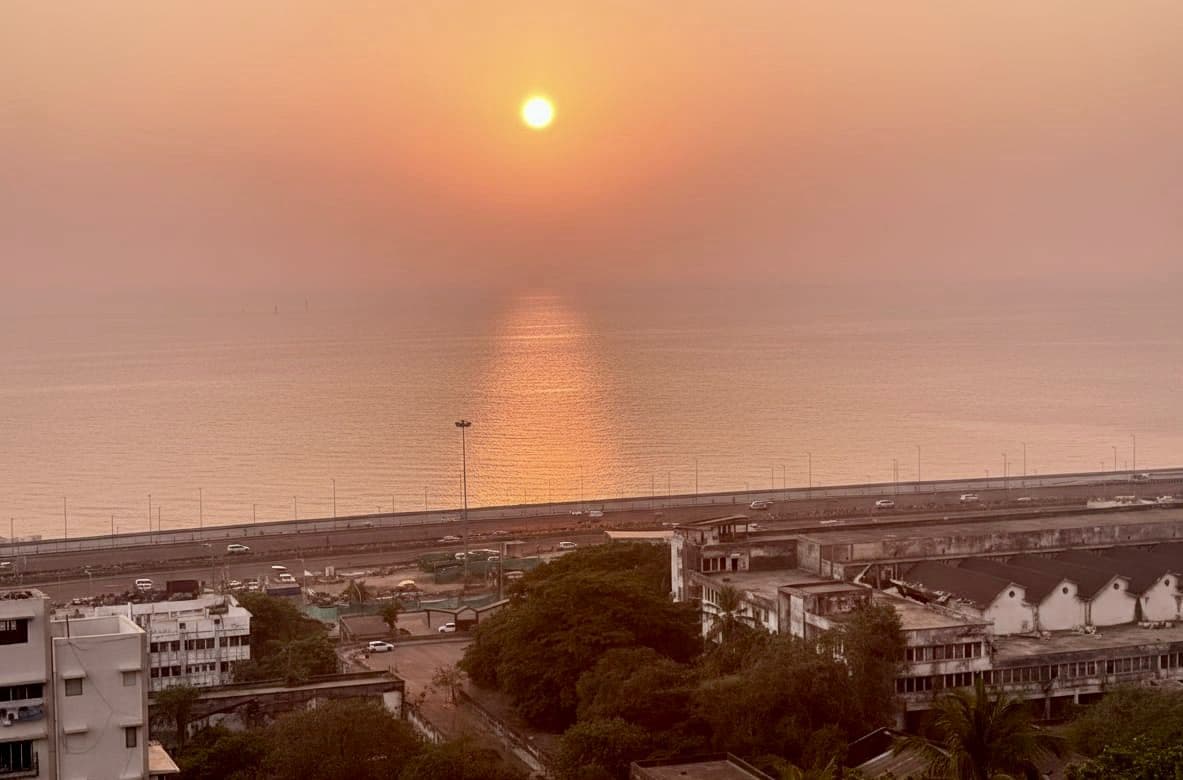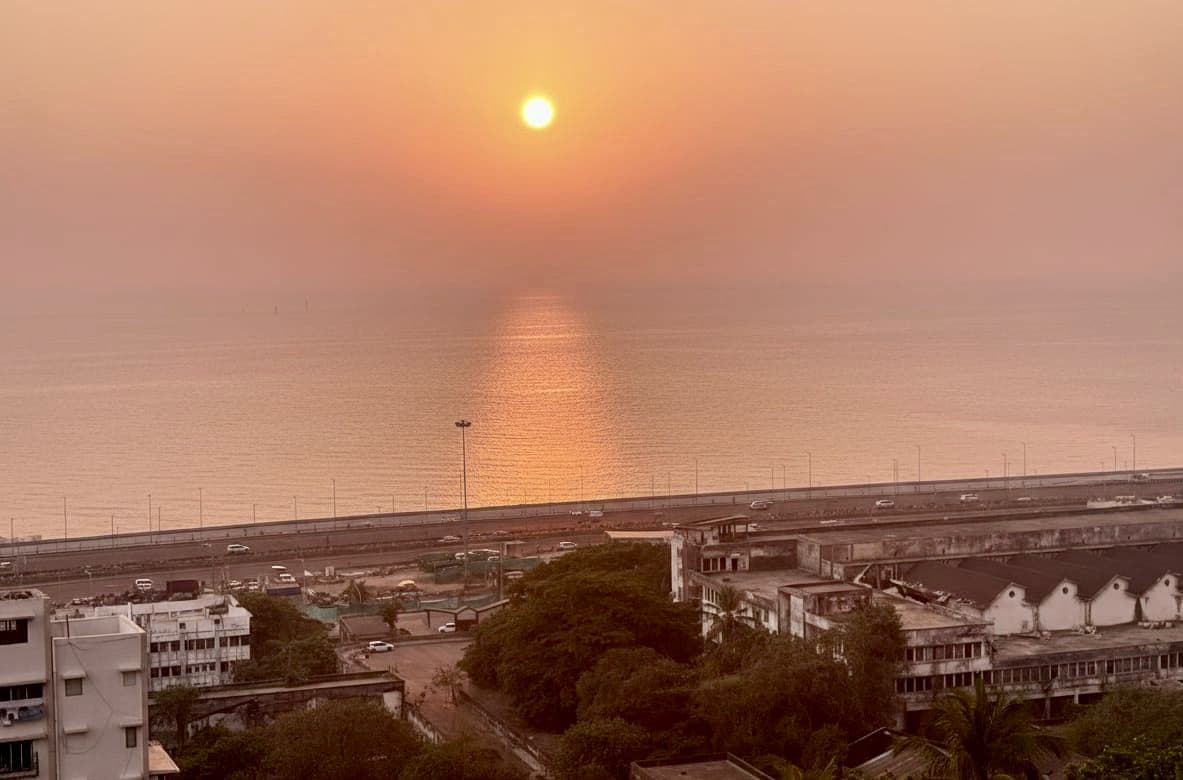
Roughly one in four Worli completions over 2023-2025 went to a buyer whose primary home is somewhere else — typically Delhi, Bangalore, the GCC, London or Singapore. These are pied-à-terre purchases: second homes, used 8-14 weeks a year, parked in trust structures or LLPs, kept lightly furnished, leased rarely. Property Butler's tracked transactions in this segment cluster between ₹14-45 Cr and concentrate in eight specific buildings. The decision math for a second-home Worli buyer is genuinely different from an end-user — possession horizon matters less, sea view matters more, society profile matters most. This is the deep dive.
The 8 Buildings Pied-à-Terre Buyers Pick
Birla Niyaara, Prestige Nautilus, Lodha World View, Lodha World Towers, Raheja Riviere, Embassy Citadel, Kalpataru One, Runwal Raaya. These eight account for 64% of Property Butler's tracked Worli second-home transactions over the last 30 months.
What pied-à-terre buyers actually need (and what they don't)
The traditional Mumbai end-user matrix — schools, walkability, doctor proximity, in-laws-friendly layout — flips for second-home buyers. Different priorities entirely:
✓ Matters more for pied-à-terre
- Lock-and-leave security (full-time concierge, biometric access, mid-stay housekeeping protocols)
- Sea view (you're here for the view, you don't see it daily)
- Society profile and reputation (most buyers don't want investor-stock dominated buildings)
- Power backup (nobody runs to fix a tripped MCB after 2 weeks abroad)
- Annual maintenance contract for AC, chimneys, fittings
- Tier 1 hotel-grade amenities (you'll use them more than locals)
✗ Matters less for pied-à-terre
- School proximity
- Walking-distance retail / wet market
- Office commute time (you're not commuting)
- Lift count vs flat density (you're not in lift queues)
- Family-friendly building amenities (you're rarely with kids)
- Maximum carpet for budget (3,000 sqft is enough — 4,500 is wasted)
The pied-à-terre buyer profile
| Origin | % Share | Typical Use Pattern |
|---|---|---|
| Delhi NCR | 28% | 12-16 weeks/year — winter escape + business |
| UAE / GCC NRI | 22% | 8-12 weeks/year — family + Mumbai connect |
| Bangalore | 15% | 10-14 weeks/year — second home + investment |
| UK / Europe NRI | 12% | 6-10 weeks/year — winter + family |
| Singapore / SE Asia | 9% | 8-12 weeks/year |
| US / Canada NRI | 8% | 4-8 weeks/year — December + festivals |
| Hyderabad / Chennai | 6% | 10-12 weeks/year |
The configuration sweet spot
3 BHK is the dominant pied-à-terre configuration (52% of Property Butler's tracked second-home transactions), followed by 4 BHK (38%) and 2 BHK (10%). Sub-2,200 sqft carpet underperforms because you'll have travelling guests and need the space. Above 4,000 sqft you're paying for square footage you'll occupy 22% of the year. The sweet spot is 1,800-3,200 sqft — efficient, easy to maintain, easy to rent if you ever change your mind.
Pied-à-Terre Sweet Spot — Worli
3 BHK · 1,800-3,200 sqft · ₹14-22 Cr
Configuration buyers actually pick when their primary home is elsewhere
The lock-and-leave operational stack
What separates a Worli pied-à-terre that runs smoothly from one that becomes a recurring problem is the operational setup. Property Butler's playbook for second-home buyers:
- Annual maintenance contract (AMC) covering AC, water purifier, chimney, geysers, electrical fittings, plumbing — quarterly visits, emergency call-out included. Property Butler's vetted partners run ₹65,000-1,20,000/year for a 4 BHK.
- Mid-stay housekeeping — fortnightly visit during your absence. ₹8,000-15,000/month for a 4 BHK, includes airing, dusting, AC operation, plant care.
- Inventory management — kitchen restock, perishables clearance before/after stay, basic linen rotation. ₹15,000-25,000 per stay.
- Concierge for arrivals/departures — driver handover, ID submission to society, gate clearance, AC pre-cool. Most flagship Worli buildings provide this; for older buildings, contract a professional concierge.
- Insurance — comprehensive home insurance is a must; standard ₹35,000-65,000/year for ₹3-6 Cr contents declared on a ₹15-25 Cr property.
Tax and ownership structure
The default for Indian-resident pied-à-terre buyers is direct individual ownership with annual property tax + applicable maintenance. Resident NRIs typically use one of:
- NRO/NRE-funded individual purchase — simplest, most common; standard FEMA compliance
- HUF holding — useful for multi-generational succession planning
- LLP holding — preferred for buyers expecting to use the property for occasional business hospitality (subject to caveats)
- Family trust — for ₹25+ Cr properties where succession across multiple beneficiaries matters
Property Butler routinely refers buyers to family-office tax advisers for the structuring decision — the wrong structure adds 1.5-3% friction on eventual exit, which on a ₹20 Cr asset is ₹30-60 lakh.
The hidden second-home cost: the time-on-market exit
Pied-à-terre buyers selling 7-12 years later face a non-obvious problem — the unit sits empty most of the time and shows poorly. Property Butler's tracked completed second-home resales took 14-22 months on market vs 8-12 months for actively-occupied equivalent stock. Two reasons: fittings and finishes look slightly tired without daily wear-care, and prospective buyers pick up on the "this is a second home" energy. Mitigation: invest in a 2-3 month staging/refresh before listing, and time the listing to coincide with one of your visits so you're around for negotiations.
Frequently Asked Questions
Can I rent out my pied-à-terre when not in residence?
Most luxury Worli societies prohibit short-term rental (Airbnb-style) under by-laws. Long-term rental (12+ months) is permitted and changes your status from second-home to investor-occupied. Property Butler's experience: most pied-à-terre buyers don't end up renting because operational disruption isn't worth the 2.5-3% gross yield.
What's the all-in carrying cost on a ₹20 Cr Worli pied-à-terre?
Property Butler's tracked benchmark — society maintenance ₹85k-1.4 lakh/month, property tax ₹2-3.5 lakh/year, AMC ₹85k-1.2 lakh/year, housekeeping ₹1.2-2.4 lakh/year, utilities ₹1.5-2.5 lakh/year, insurance ₹50k-65k/year. All-in: ₹16-22 lakh annual, against potential rental opportunity cost of ₹40-55 lakh foregone (which most second-home buyers consciously decline).
Are GCC-based NRIs buying through their offshore companies?
No — FEMA does not permit offshore corporate ownership of Indian residential property by NRIs. Direct NRO/NRE-funded individual purchase is the standard route. Some structures use HUF or family trust onshore for tax planning.
What's the best Worli building for a Bangalore-based pied-à-terre buyer?
Property Butler's typical recommendation for this profile is Birla Niyaara, Prestige Nautilus or Embassy Citadel — strong concierge, predominantly end-user resident base, hotel-grade lock-and-leave operations, sea-facing units in the ₹14-30 Cr band. Lodha World View and World Towers also work for buyers wanting an established possession-ready building.
Should I furnish or buy semi-furnished?
For second-home use, fully furnish at the start. Resale liquidity is higher for fully-furnished trophy units, and travelling between cities to set up a flat in pieces costs more than a one-time professional fit-out. Budget ₹35-65 lakh for tasteful, durable, non-trendy furnishing on a 3-4 BHK Worli pied-à-terre.
Related Reading
→ Worli NRI Investor Playbook → Worli Buyer Profile Deep Dive → Worli Corporate Leasing & Expat Housing → Worli Monthly Operating Cost → Worli Interior Fit-Out Cost GuideBuying a Worli second home from outside Mumbai?
Property Butler manages remote site visits via video walkthrough, due diligence, and lock-and-leave operations setup post-possession.
Search Worli ready inventory