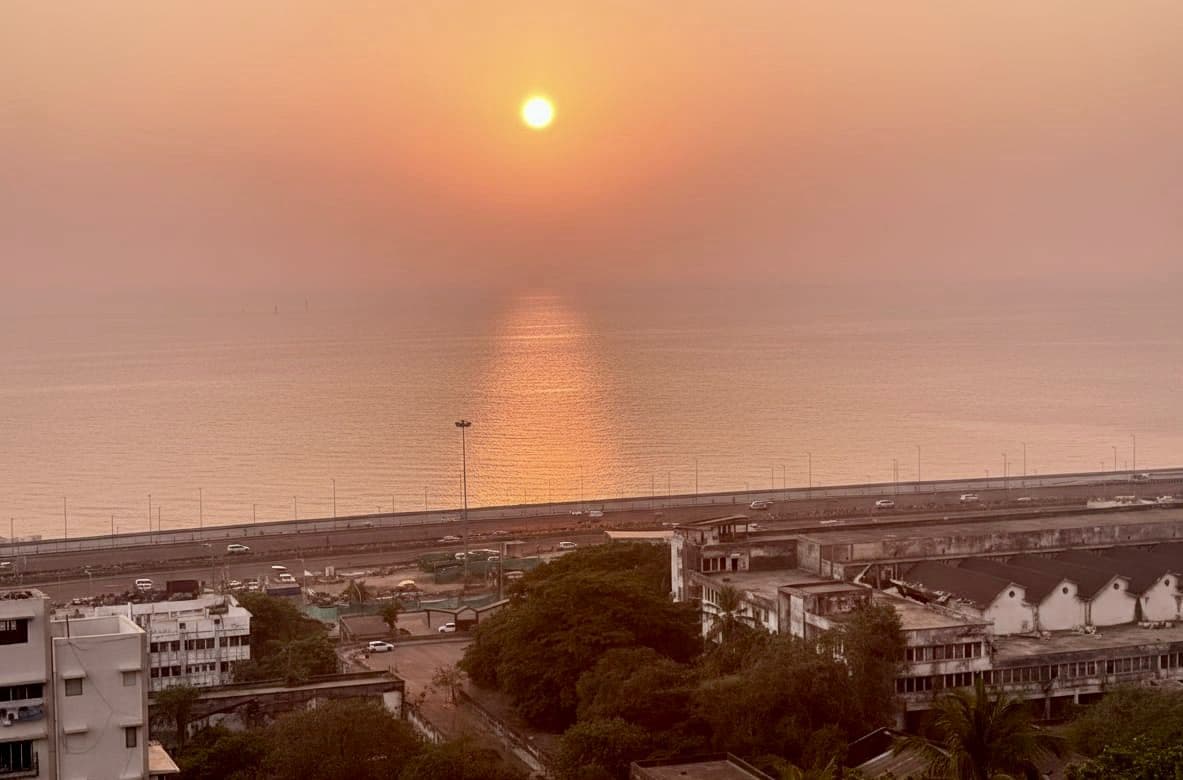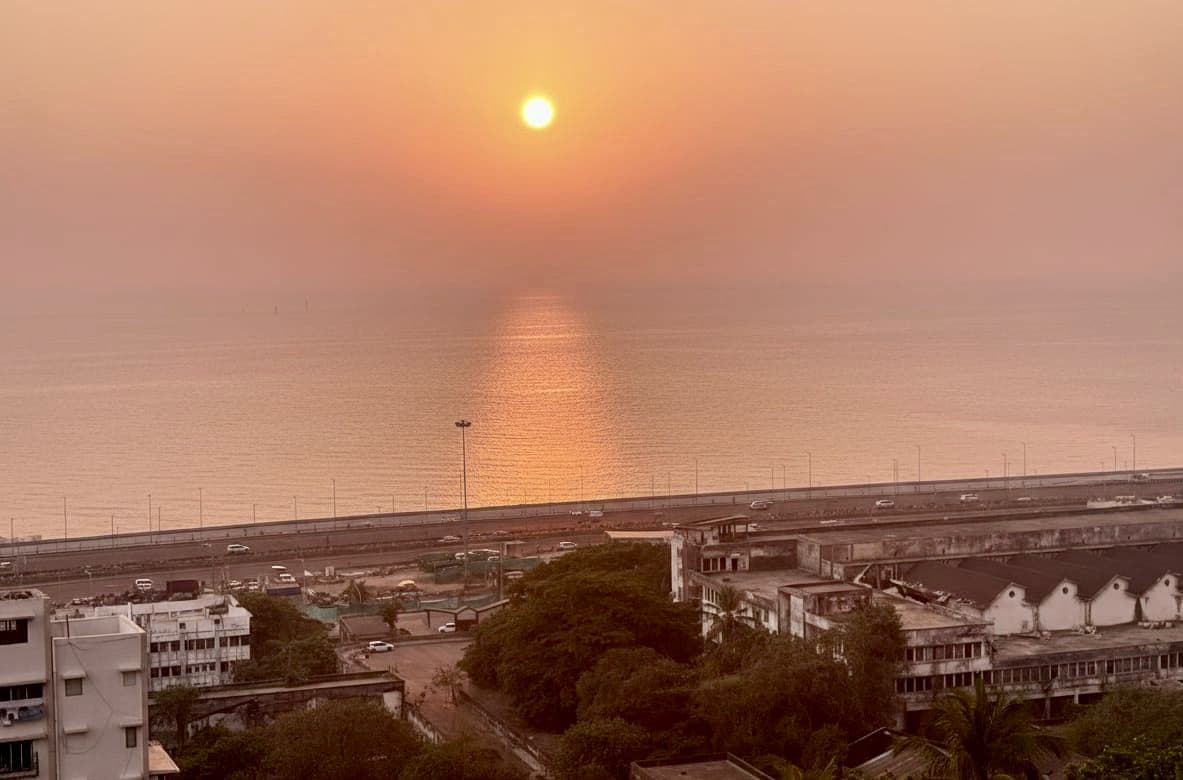
Worli's geographic position — between the Bandra-Worli Sea Link, Lower Parel, and Lalbaug — places it at the centre of Mumbai's largest annual festival flows. The Lalbaugcha Raja Ganesh pandal, one of Mumbai's most-attended religious gatherings (3.5-5 million devotees over 11 days), sits 2.4 km from the Worli buildings cluster. The Anant Chaturdashi visarjan procession routes through Lower Parel and Worli on its way to the Worli Sea Face immersion point — a single-day event that brings 1.5 million people into the corridor and shuts traffic for 14-18 hours. Holi at the Worli Sea Face draws 20,000-40,000 attendees. Diwali is quieter but air-quality-impactful. None of these are listed in the brochure. Property Butler's tower-by-tower festival liveability decoder, drawn from 2022-2025 resident surveys, lets buyers underwrite year-round liveability — not just the 354 non-festival days.
THE 4 FESTIVAL EVENTS THAT MATERIALLY CHANGE WORLI LIVEABILITY
1. Ganesh Chaturthi — 10-11 day window, late August or early September. Lalbaugcha Raja sees 3.5-5M devotees. Continuous foot traffic, parking strain, ambient music. 2. Anant Chaturdashi visarjan — single day, end of Ganesh window. 1.5M people, 14-18 hour traffic shutdown across Worli, Lower Parel, Prabhadevi. 3. Holi — March, daylong celebration at Worli Sea Face and Holi-themed events in pubs / clubs. Music, traffic, water shortages. 4. Diwali — late October / early November. Firecracker noise + air-quality dip (PM2.5 spikes 3-5x baseline for 48-72 hours).
Ganesh Chaturthi — the 11-day pattern
Ganesh Chaturthi runs 10-11 days from Bhadrapada Shukla Chaturthi to Anant Chaturdashi (in 2026: 14 September to 24 September). Lalbaugcha Raja, India's most famous Ganesh pandal, is hosted at Putlabai Chawl in Lalbaug — 2.4 km southeast of the Worli buildings cluster. Devotee footfall over the 11 days totals 3.5-5 million (Mumbai police estimates). The flows have predictable diurnal patterns: light morning footfall (7-11 AM), heavy afternoon to late-night (2 PM to 1 AM), with peak crush on Sundays and the final 4 days. The impact on Worli buildings depends on geographic position.
Worli buildings ranked by Ganesh Chaturthi impact
| Cluster / Tower | Distance to Lalbaugcha Raja | Ganesh Chaturthi liveability impact | Anant Chaturdashi (visarjan day) |
|---|---|---|---|
| Lower-Parel-side Worli (Lodha World One/Crest, Lodha Park, Indiabulls Blu) | 1.6-2.0 km | High — direct route to Lalbaug, evening parking pressure | Severe — visarjan procession passes within 800m |
| Sea Face Worli (Embassy Citadel, K Raheja Atlantis, Ahuja Towers, Marquee) | 3.2-3.8 km | Moderate — buffered from pandal but visarjan endpoint at Worli Sea Face | Severe — Sea Face is the immersion endpoint, full road closure |
| Annie Besant Road Worli (Lodha Trump, Lodha Adrina, Lodha World View) | 2.0-2.4 km | Moderate-high — main artery sees devotee footfall and parking strain | Moderate-severe — visarjan procession passes Annie Besant junction |
| North Worli / Worli Naka (Birla Niyaara, Raheja Imperia) | 2.6-3.0 km | Moderate — quieter than Lower Parel side but BWSL approach traffic | Moderate — Sea Link approach impacted but interior streets passable |
| Sea-front first-line (Sugee Marina Bay, Prestige Nautilus location) | 3.5-4.0 km | Low to moderate — geographically buffered, visarjan endpoint nearby | Severe — final immersion procession arrives at sea-front |
The Anant Chaturdashi visarjan — Worli's most disruptive single day
The Lalbaugcha Raja idol is taken in procession from Lalbaug to Girgaum Chowpatty (the official immersion site for the largest Mumbai pandal idols), with secondary processions converging at Worli Sea Face for sea immersion. The procession typically begins at 11 AM, moves at walking pace, and concludes between 2-6 AM the following morning. Traffic in the Worli, Lower Parel, Prabhadevi, and Tardeo corridor is essentially shut for 14-18 hours. Mumbai Police closes vehicular traffic on Annie Besant Road, Dr. E. Moses Road, and several arterial streets. Practical implications for Worli residents on visarjan day: school is closed, office attendance is impossible, hospital access is limited (ambulance only via designated emergency corridor), grocery delivery is suspended, and the building security is on heightened alert. Many Worli residents leave the city for the long weekend; some local resident WhatsApp groups coordinate "visarjan trip" mass-bookings at Lonavala / Alibaug hotels in advance.
Holi at Worli Sea Face — the underestimated event
The Worli Sea Face is one of Mumbai's most popular Holi gathering spots, drawing 20,000-40,000 attendees from across the city for daylong colour celebrations. The events cluster between 9 AM and 4 PM; secondary partying at Worli's clubs and pubs continues into the evening. Buildings within 1 km of the Sea Face (Embassy Citadel, K Raheja Atlantis, Ahuja Towers, Marquee, Lokhandwala Victoria) experience: traffic gridlock on Khan Abdul Gaffar Khan Road, water tanker shortages (the Sea Face Holi events are notoriously water-intensive), occasional security perimeter management, and noise levels that breach 75-85 dB at building façades. Buildings further inland (Lodha World One, Lodha The Park, Indiabulls Blu) experience minimal direct impact. Property Butler's Worli noise microclimate analysis covers building-by-building noise exposure across the year, including festival peaks.
Diwali — air quality, not noise, is the issue
Diwali firecracker activity in Worli has reduced over the last 5 years (Supreme Court timing restrictions and Bombay High Court air-quality interventions), but the air-quality impact remains material. PM2.5 readings at the Worli air-monitoring station typically run 25-45 µg/m³ on a baseline week; over the 48-72 hour Diwali peak, readings spike to 120-220 µg/m³ (WHO guideline: <15 µg/m³). For residents with asthma, elderly parents with respiratory conditions, or young children, this is the single most impactful air-quality event of the year. Buildings with high-quality central air-handling and HEPA filtration (Birla Niyaara, K Raheja Artesia, Prestige Nautilus, Lodha Trump Tower upper floors) experience meaningfully lower indoor PM2.5 than buildings without filtration. Buyers with respiratory sensitivities should ask the developer about indoor air-quality specifications during the property visit.
What Worli buildings do during festival season
Well-managed Worli societies have established festival-season protocols. Indiabulls Blu issues advance resident communication for visarjan day, coordinates parking arrangements, restricts external visitors during peak hours, and provides building-staff overtime for additional security manning. Lodha World Towers coordinates with police for security perimeter management, suspends non-essential building works (renovation, painting), and runs the building club at extended hours so residents have an indoor refuge during the worst traffic days. Birla Niyaara provides residents with a festival-week services bulletin (alternative grocery delivery, emergency medical contact, helipad access for emergencies). The quality of festival-season protocol varies widely; a buyer's diligence question should include "how does this building handle Anant Chaturdashi" — the answer is informative.
The buyer-side decision framework
Festival impact should not be a binary buy / don't-buy criterion for Worli, but it should be priced and prepared for. Three practical recommendations:
Recommendation 1: Match floor selection to festival sensitivity. If festival noise is a meaningful concern, prefer floors above the 25th — sound transmission attenuates significantly with height, and the 25th-floor noise reading at the Worli Sea Face during Holi is typically 8-12 dB lower than a 5th-floor unit. The PSF premium for higher floors is typically more than offset by the liveability difference for festival-sensitive buyers.
Recommendation 2: Plan around Anant Chaturdashi. Block 4-6 days around the visarjan day annually for either out-of-Mumbai travel or a planned WFH cluster. This is no different from how Bandra residents plan around the Bandra Fair or Cuffe Parade residents plan around Republic Day Beating Retreat.
Recommendation 3: Verify the building's air filtration spec. For Diwali air quality, a building with central HVAC + HEPA filtration delivers indoor PM2.5 reductions of 60-80% versus an unfiltered building. This is a meaningful health input for households with elderly or asthmatic residents.
Worli's other annual events worth knowing
Beyond the four major festivals, Worli's calendar includes: Mumbai Marathon (January, 6-hour traffic restrictions on the Sea Link approach), Worli Festival (February, low-key food + culture event), Eid celebrations at the Mahalaxmi side (low impact on Worli buildings but Bandra-side traffic), and various monsoon-season events (June-September, less festival-driven and more weather-driven liveability changes). Property Butler's monsoon vulnerability guide covers the weather-side liveability dimension.
Frequently asked questions
Should I avoid Worli buildings near Lalbaugcha Raja for festival reasons?
Not categorically. The festival impact is high but limited to 11-13 calendar days per year. The buildings closest to Lalbaug have other liveability advantages (closer to Lower Parel commercial district, closer to Mahalaxmi station, closer to BKC commute corridor). The right approach is to acknowledge the festival burden, plan around the worst days, and choose floor + unit position to minimise direct exposure.
Does festival season impact Worli rental rates or capital values?
Marginally, on the rental side — corporate transferees who experience their first Anant Chaturdashi sometimes don't renew leases, particularly in low-floor units near processional routes. Capital values are unaffected — the festival impact is well-known to buyers from the corridor and priced into the resale market.
How does festival impact compare between Worli, Prabhadevi, and Lower Parel?
Lower Parel is the most impacted (procession routes pass directly through, Lalbaug is adjacent), Worli is moderate-to-high impact (sea-front buildings get visarjan endpoint, Lower-Parel-side Worli gets procession traffic), and Prabhadevi is moderate (procession routes via Dadar / Prabhadevi to Shivaji Park are alternative immersion sites). Property Butler's Worli vs Lower Parel corridor guide covers the comparison.
Are there building-level air filtration retrofit options for Diwali sensitivity?
Yes — for buildings without central HEPA filtration, individual unit owners can install in-room HEPA purifiers (₹40,000-1,50,000 per major room for high-CADR units). The retrofit cost across a 1,500 sqft 3 BHK is typically ₹3-6 lakh for full coverage. Some owners opt for whole-home positive-pressure air systems with HEPA pre-filtration (₹8-15 lakh installed). Worth budgeting for any Worli buyer with respiratory sensitivities.
FESTIVAL LIVEABILITY ADVISORY
11-13 high-impact festival days per year — match floor & building to your sensitivity.
Browse Worli High-Floor Inventory