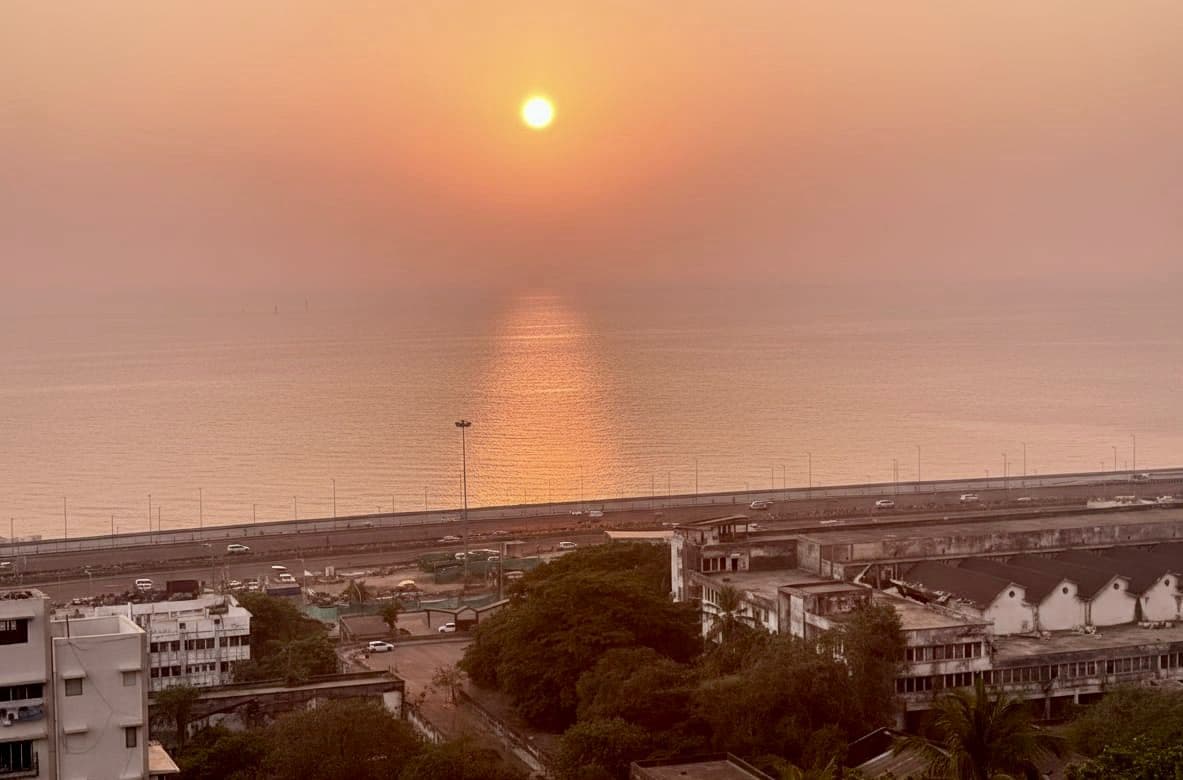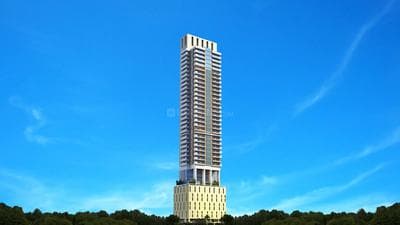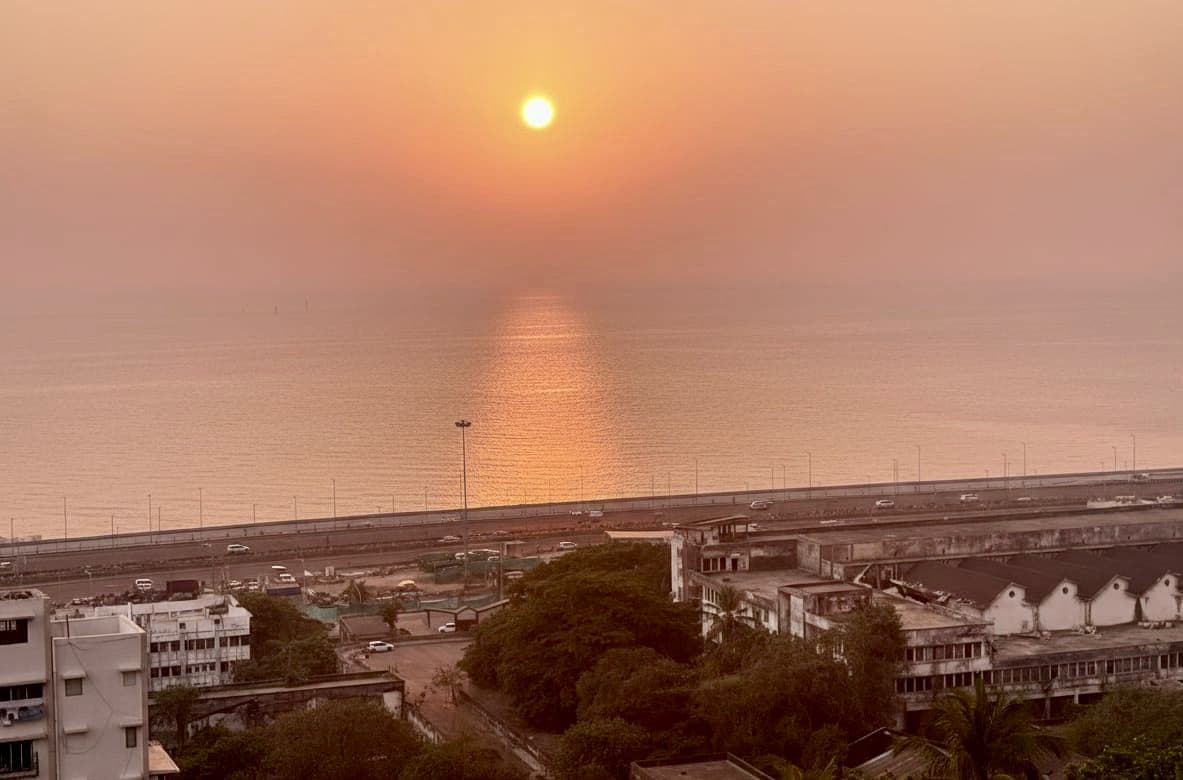
Worli is the loudest premium locality in Mumbai. The Bandra-Worli Sea Link approach generates a steady 65-72 dB ambient on the east flank. The Coastal Road tunnel ventilation shafts on the west add another 58-62 dB. The G.D. Ambekar Marg arterial pushes 68-78 dB during peak hours. The monorail viaduct adds intermittent 70-75 dB pulses every 8-12 minutes. The metro line 3 (operational from 2025-2026) adds underground vibration plus surface station noise. And yet — within this acoustic environment, well-engineered Worli luxury inventory delivers indoor noise levels of 32-38 dB during the day and 28-32 dB overnight, indistinguishable from a quiet suburban Mumbai address. The differentiator is acoustic engineering. Here is the tower-by-tower spec audit.
The numbers that matter
World Health Organisation guidance for healthy indoor sleep places the night-time noise threshold at 30 dB. Indian Standard IS 1950 sets the residential indoor target at 35-40 dB daytime for habitable rooms. Worli outdoor noise typically sits 20-30 dB above either threshold. The tower's acoustic design must therefore deliver at minimum 25 dB of attenuation, ideally 30-35 dB. Inventory that doesn't has its noise problem priced in at resale — but most buyers don't measure before they sign.
The four-component acoustic envelope
- Window glazing: Single-glazed glass attenuates ~22-28 dB. Double-glazed insulated units (DGU) attenuate 32-38 dB. Triple-glazed laminated acoustic glass attenuates 42-48 dB. The single biggest acoustic decision in any Worli tower is the window spec.
- External wall construction: A 230mm brick-and-plaster wall provides ~50 dB attenuation. AAC block construction with proper plaster delivers 45-52 dB. RCC structural walls deliver 55-62 dB. The wall isn't usually the bottleneck — the windows are — but the wall spec sets the ceiling.
- Inter-apartment partition: The wall between you and your neighbour matters as much as the external wall when it comes to liveability. Code minimum is 35 dB; luxury spec targets 50-55 dB. Single-leaf 230mm brick is below code; engineered double-leaf with damping cavity is the luxury standard.
- Floor-ceiling slab: Footstep impact noise from the apartment above is the most-complained-about acoustic problem in luxury Mumbai inventory. Bare RCC slab transmits ~60 dB of impact noise; with floor underlay (cork, rubber, or proprietary acoustic system) this drops to 40-45 dB. Quality matters — many luxury Worli buildings cut this corner.
Tower-by-tower window-glazing audit
| Tower | Standard Glazing Spec | Acoustic Rating | Tier |
|---|---|---|---|
| Birla Niyaara (under construction) | Triple-glazed laminated DGU, argon-filled | ~42-46 dB | Tier 1 |
| Lodha World One | Double-glazed laminated, low-e | ~36-40 dB | Tier 1 |
| Lodha Trump / World View / Adrina | Double-glazed insulated, standard low-e | ~32-36 dB | Tier 1 |
| Lodha The Park / World Crest | Double-glazed insulated, standard | ~30-34 dB | Tier 2 |
| Embassy Citadel | Double-glazed laminated | ~34-38 dB | Tier 1 |
| Raheja Imperia / Riviere Skyline | Double-glazed insulated | ~30-34 dB | Tier 2 |
| Indiabulls Blu / Hubtown Celeste | Single + secondary, partial DGU upper floors | ~26-32 dB | Tier 2 |
| Ahuja Towers / Chaitanya Towers | Single-glazed standard, retrofit DGU optional | ~22-28 dB | Tier 3 |
| Worli Sea Face heritage co-ops | Single-glazed legacy, individual retrofit possible | ~20-26 dB | Tier 3 |
The acoustic-rating column is a crucial number that brochures rarely surface. Buyers should ask explicitly for the manufacturer-rated dB attenuation of the glazing system, not just the marketing label "DGU" or "laminated". Two double-glazed systems can differ by 6-8 dB depending on glass thickness, air gap, and lamination — that's the difference between sleeping with the windows closed in a quiet bedroom and sleeping with the windows closed in a still-hearing-the-Sea-Link bedroom.
The orientation overlay
✓ Quieter Worli orientations
- West-facing sea-front (Worli Sea Face) — ocean ambient ~50-55 dB only
- North-facing inland (race-course view) — ~55-60 dB ambient
- High-floor (45+) units in any orientation — ambient drops 4-7 dB above the urban hum
✗ Louder Worli orientations
- East-facing toward Sea Link approach — ~65-72 dB ambient
- South-facing toward Worli Naka arterial — ~65-75 dB peak hour
- Low-floor units (below 12) regardless of orientation — direct exposure to street, BEST bus routes, deliveries
- Units within 80m of Coastal Road tunnel ventilation shaft
The footstep-impact spec — the hidden acoustic problem
Property Butler's resident-network survey of Worli luxury complexes found that footstep-impact noise from the apartment above is the single most-complained-about acoustic issue, ranking ahead of traffic noise, neighbour-conversation, and HVAC noise. The reason: most luxury Worli buildings cut the floor-acoustic-underlay corner. The structural slab is well-engineered for vibration and structural integrity, but the sound-attenuation underlay (cork, rubber, or proprietary acoustic mat) between slab and floor finish is either thinly-specced or skipped entirely.
For buyers: ask for the floor-acoustic-underlay spec. The right answer is a documented system — typically 5-12 mm cork or rubber underlay, or a proprietary system like Sika Sarnafil or Acoustic Sciences AcoustiMat. The wrong answer is silence or vague reassurance. If the spec is not documented, the impact-noise transmission will be at the higher end of the range (50-58 dB), and footstep transmission from above will be a daily resident-experience issue.
The Coastal Road and Metro Line 3 acoustic effect
The 2024-2026 commissioning of major infrastructure has materially changed Worli's acoustic profile. The Coastal Road has reduced surface arterial traffic on the inland routes (Khan Abdul Gaffar Khan Road, Annie Besant Road) by 25-40% — a measurable 4-7 dB ambient reduction on these corridors. Conversely, the Coastal Road's tunnel ventilation shafts have introduced new localised noise sources (60-65 dB at 80m radius). Metro Line 3 underground operations are largely silent at the surface level, but the surface station entrances generate 55-62 dB during peak operation hours.
The implication: Worli's acoustic environment is rebalancing. Some addresses became quieter (inland routes off the new arterials); some became louder (proximity to ventilation shafts and metro stations). Buyers should not rely on pre-2024 noise assessments and should perform a 24-hour decibel measurement specific to the apartment they intend to buy, ideally during a weekday peak-hour and a weekend night.
Worli Outdoor-to-Indoor dB Translation
68 dB outdoor (Sea Link approach) + 38 dB attenuation (Tier 1 glazing) = 30 dB indoor
Tier 3 glazing same outdoor input = 44 dB indoor — above WHO sleep threshold. The window is the difference.
Pre-purchase acoustic audit (45 minutes, ₹0 cost)
- Visit the apartment during weekday peak hour (8:30-10 a.m. or 6:30-8 p.m.). Stand in the main bedroom, close the windows, and listen for 5 minutes. Use a smartphone decibel-meter app for indicative reading.
- Open one window 4 inches and re-measure. The delta tells you the glazing attenuation specific to that window.
- Stand in the master bedroom and have someone walk normally in the apartment above. If the impact noise is clearly audible, the floor-underlay is inadequate.
- Listen for the AC indoor unit operation. Modern ducted VRV systems should be inaudible at 5 feet; older split AC indoors at 35-42 dB is acceptable but adds to the indoor baseline.
- Ask the seller for the resale incident log. Has the apartment ever had a noise-related complaint to the society or BMC? If yes, what was the resolution?
The cost of post-purchase acoustic upgrade
If you discover a noise problem after purchase, the most effective remediation is window replacement. Tier 1 acoustic glazing (laminated DGU rated 38-42 dB) costs roughly ₹4,500-7,500 per square foot of glazing area, including installation. A typical 4 BHK with 220 sqft of glazing area would run ₹10-16 lakh for a complete window upgrade. Adding secondary internal acoustic glazing (a second window inside the existing one) is cheaper at ₹1,500-3,000 per sqft and adds 6-12 dB of attenuation, but visually compromises the apartment's interior aesthetic.
For floor-impact noise, the only practical remediation is an underlay retrofit during a future floor-finish change — adding 8-12 mm cork or rubber underlay before re-laying the flooring, which adds ~₹50-150 per sqft to a flooring change and 8-15 dB of impact-noise attenuation. For inter-apartment partition noise, retrofit is rarely practical.
Frequently asked questions
Is double-glazing always quieter than single-glazing?
Yes for thermal performance, almost always for acoustics, but the acoustic gain depends on the spec. Two thin glass panes with a small air gap can perform marginally better than thick laminated single-glazing. The right comparison is the manufacturer's Rw (weighted sound reduction index) value, ideally 35+ for luxury Worli inventory. If the developer can't produce the Rw certificate, the spec is below specification regardless of marketing.
Will the Bandra-Worli Sea Link noise eventually be mitigated?
Acoustic barriers along the Sea Link approach were partially installed in 2019 and have been incrementally extended. They reduce the noise transmission to inland Worli by roughly 4-7 dB. Further extensions are planned but not committed on a specific timeline. The base case for buyers should assume the current acoustic load persists for the next 10+ years; any improvement is incremental upside, not the central planning assumption.
Does a higher floor automatically mean a quieter apartment?
Partially — ambient noise typically drops 4-7 dB between floor 5 and floor 45 due to inverse-square-law spreading and intervening building reflections. But aircraft overflight noise (Mumbai approach pattern over central Worli) becomes more audible at higher floors. Helicopter charter routes between Mumbai-Pune-Goa pass over Worli at 1,800-3,000 feet, creating intermittent 55-65 dB events. The net effect: high-floor units are generally quieter for steady ambient noise but more exposed to overhead intermittent events.
Should I avoid Worli if I'm noise-sensitive?
Not necessarily — Tier 1 acoustic-engineered Worli inventory delivers indoor environments comparable to suburban Mumbai, sometimes quieter due to the high-floor effect. The diligence list shifts toward acoustic-spec verification: triple-glazed glazing, documented floor underlay, inter-apartment partition spec, and a 24-hour decibel measurement of the specific apartment. Buyers willing to do this audit can find genuinely quiet ₹15 Cr+ Worli inventory; buyers who skip it can end up with a residential environment that doesn't match the price.
Does acoustic spec affect resale?
Yes — Property Butler's tracking shows a 3-5% PSF discount on Worli inventory with documented noise issues (Tier 3 glazing, audible footstep transmission), particularly for primary-residence buyers. The discount widens for senior-occupancy and family-with-young-children profiles. Conversely, Tier 1 acoustic-spec inventory holds pricing well during resale because the buyer pool that values it (UHNI primary residence, NRI returnees, senior-occupancy households) is willing to pay a premium for the verified specification.
Want a 24-hour acoustic measurement on a shortlisted Worli unit?
Property Butler arranges decibel measurements on shortlisted units across weekday peak, weekend night, and early-morning windows. We rank the inventory against your noise tolerance profile.
Search Quiet Worli Inventory