Property Butler has fielded 31 enquiries in 2026 from owners wanting to convert a Lower Parel or Prabhadevi residential flat into a commercial use — a chartered-accountant boutique, a dermatology clinic, a boutique architecture studio, an investment-advisory office, a fashion studio. Of the 31, 4 have closed. The other 27 either dropped (after seeing the procedure), pivoted to a leasehold of a true commercial property elsewhere, or are still navigating the change-of-user pipeline. The conversion is technically possible under BMC Section 44 of the MRTP Act read with the Mumbai DCR — but only in towers where the original IOD/CC permits the change, only after a society NOC most committees resist, and only at a property-tax and GST cost that surprises owners who didn't model it.
Key Insight
A successful change-of-user in the corridor adds 180-310% to the annual BMC property-tax outflow and shifts the GST treatment of any future rent from exempt (residential let) to 18% (commercial let). On a ₹12 Cr flat earning ₹14-18 lakh annual rent, that's a meaningful cash-flow change. The conversion makes economic sense only when the owner-occupier or commercial tenant is paying premium over the residential rental benchmark.
What change-of-user actually means
Every Mumbai building has an Intimation of Disapproval (IOD) and Commencement Certificate (CC) on file with the BMC. The IOD/CC defines the building's permitted use — residential, commercial, mixed-use, or specific sub-categories like 'residential with professional consulting room'. The DCR (Development Control Regulations) governs which uses can be combined and which require fresh approval. Section 44 of the MRTP Act gives the BMC the power to grant or deny a change of user, subject to DCR provisions, neighbour notice, and policy considerations.
For a Lower Parel or Prabhadevi residential flat to become commercial, three legal facts must align: (1) the underlying IOD/CC must permit residential-with-commercial use in the relevant floor, OR be amenable to amendment; (2) the DC zone the building sits in must permit the proposed commercial activity; (3) the society must agree by formal NOC. The corridor has roughly 30% of towers where item (1) is workable, perhaps 60% where item (2) is workable, and a tiny minority where item (3) is workable. The intersection of all three is where the 4 successful conversions Property Butler tracks have happened.
The four buildings types in the corridor — by conversion-friendliness
Mixed-use towers (originally commercial-residential)
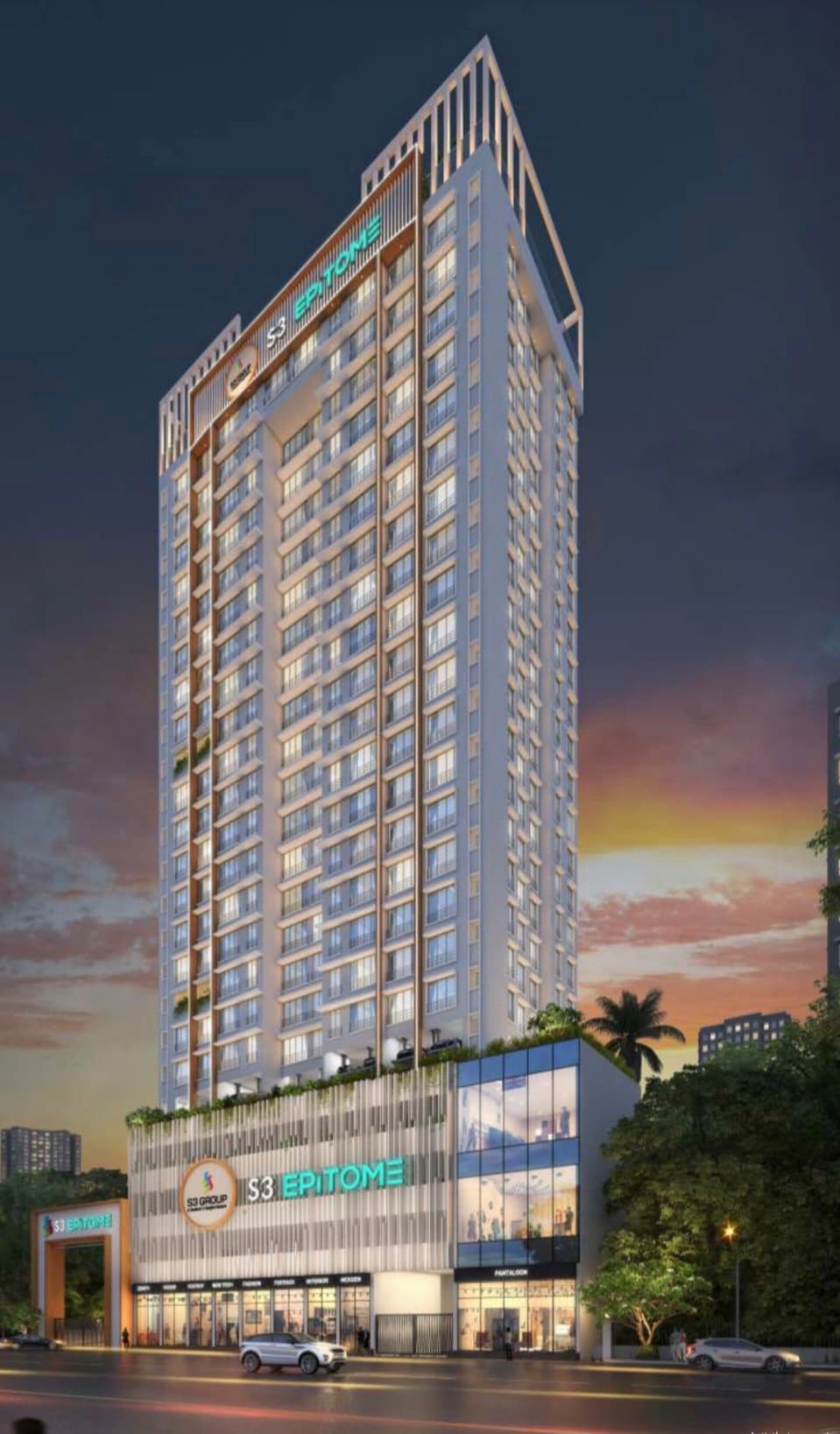
- Lower Parel mill-land towers with lower 4-12 commercial floors
- Conversion possible on residential floors immediately above commercial belt
- Society NOC easier — already used to mixed traffic
- Property Butler-tracked conversions: 3 of 4 successful cases sit here
Pure residential luxury towers
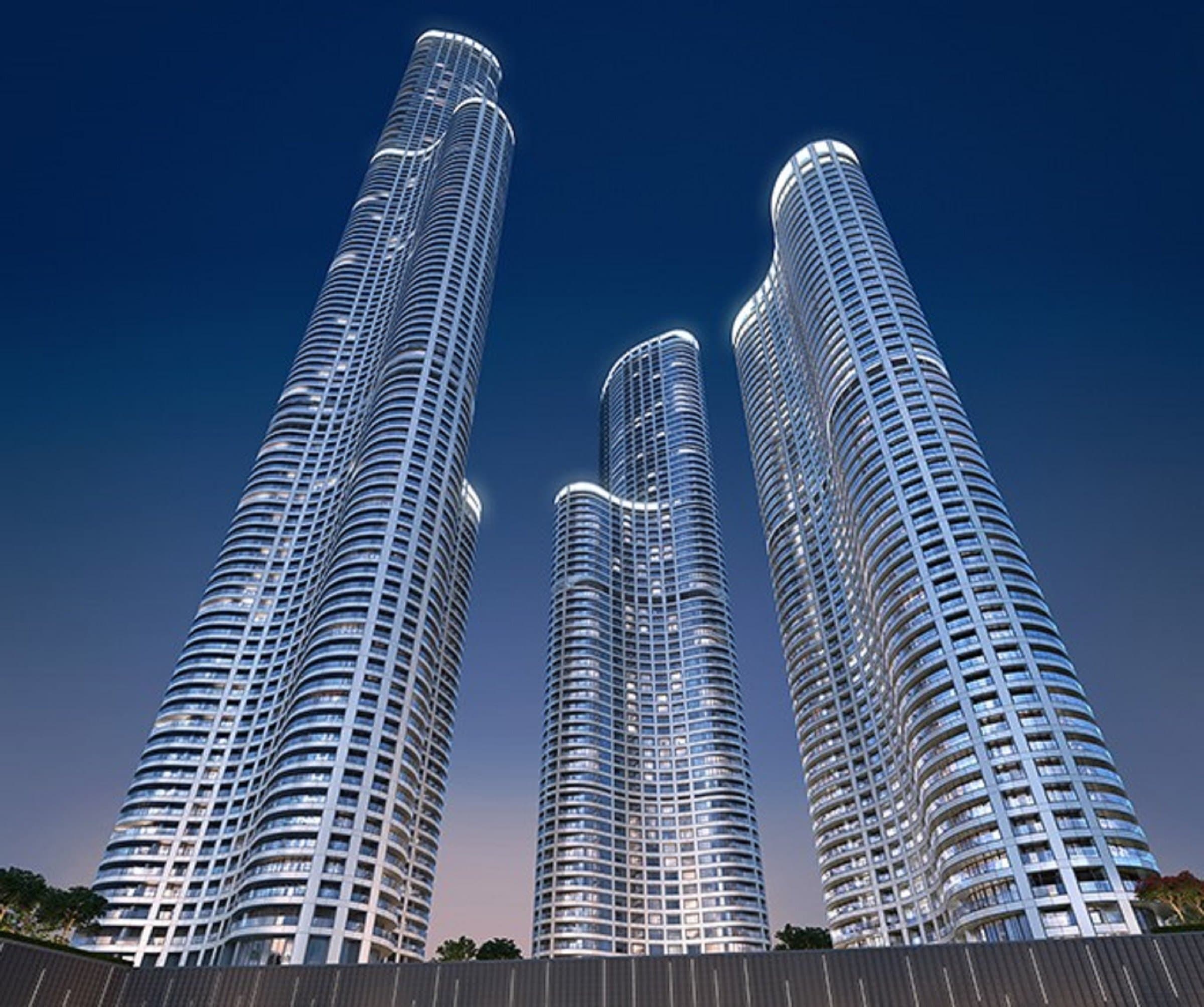
- Rustomjee Crown, Kalpataru Oceana, Lodha Grandeur, Indiabulls Sky Forest, V Mansion
- IOD/CC strictly residential — amendment requires DCR re-zoning
- Society NOC consistently denied
- Property Butler advises buyers: do not attempt
Older towers with 'professional consulting room' clause
- Pre-2005 corridor towers often carry a clause permitting professional consulting (doctor, lawyer, architect, CA)
- Limited to 1/3 of carpet area used commercially
- No IOD amendment needed if within clause
- 1 of 4 successful Property Butler conversions sits here
Pure commercial buildings (already commercial)
- Lower Parel financial-cluster offices — not residential, no conversion needed
- Different lending, GST, and ownership regime — see separate decoder
- Out of scope for this playbook
- Property Butler tracks 217 active such units in Lower Parel
The cost of being commercial — property tax, GST, lender refinance
Property tax. BMC property tax on commercial property in the G-South and G-North wards (which cover most of the corridor) is set by the BMC's capital-value-based formula with a usage multiplier. The residential multiplier is roughly 0.65; commercial multiplier ranges 1.85-2.95 depending on the specific sub-category. The practical outcome on a ₹12 Cr capital-value flat: residential tax ₹78,000-1,15,000/year flips to ₹2.20-3.55 lakh/year. Multiply by the corridor's typical 10-15 year hold and the change is material.
GST applicability. Residential rent is exempt from GST. Commercial rent above ₹20 lakh annual aggregate (₹10 lakh in specified states) attracts 18% GST. A ₹15 lakh/year corridor flat earning rent residentially loses no GST. Earning the same ₹15 lakh as commercial rent attracts ₹2.70 lakh annual GST — payable by the tenant in principle, but in practice a negotiation lever the tenant uses to push the rent down.
Home-loan refinance. A residential home loan cannot fund a commercial-use property. If the flat was acquired with a home loan and is now converted, the lender's policy on the conversion varies: (a) require accelerated repayment of the existing home loan, (b) convert the facility to a commercial property loan at +160-220 basis points, or (c) refinance into a Loan Against Property (LAP) product at +120-180 bps. Property Butler's lender desk has not yet seen any of the top-6 private banks comfortable leaving a residential home loan in place against a converted-commercial use property.
Property Tax Uplift After Conversion
+180-310%
Annual BMC outflow, G-South / G-North wards, Property Butler 2026 data
The procedural sequence — six steps in order
- Pre-check IOD/CC and DC zoning via BMC online portal or architect-on-record. Cost: ₹15,000-40,000. Timeline: 1-2 weeks. The single most important step — most conversion attempts die here.
- Society managing-committee resolution approving the proposed use. If denied, the conversion stops. There is no statutory override. Cost: ₹0 (only your time). Timeline: 2-8 weeks for committee consideration.
- Neighbour notice and objection period as required by BMC procedure. Adjacent flats get written notice; 21 working days to object. Cost: ₹5,000-25,000 in notice fees. Timeline: 3-5 weeks.
- BMC change-of-user application under Section 44 MRTP with architect-stamped plans, society NOC, neighbour-objection clearance, fee payment. Cost: ₹50,000-3,50,000 in BMC fees depending on carpet area and proposed use. Timeline: 12-26 weeks for approval.
- Property-tax assessment update via BMC ward office — fresh capital-value commercial assessment issued. Cost: administrative. Timeline: 4-12 weeks post-approval.
- GST registration (if planning to let commercially) + lender refinance. Cost: ₹0 GST registration + refinance closure cost 0.5-1.5% of outstanding loan. Timeline: 4-8 weeks.
When the conversion makes economic sense — and when it doesn't
The break-even calculation Property Butler runs for owners considering conversion uses six inputs: (a) current residential rental yield, (b) proposed commercial rent uplift, (c) incremental property tax, (d) GST applicability and tenant pass-through, (e) one-time conversion cost, and (f) likely hold period before exit.
The rule of thumb that emerges across 31 enquiries: commercial conversion requires a 35-55% rent uplift over residential benchmark to break even on a 7-year hold, assuming the conversion cost is ₹4-9 lakh and the property tax uplift is 250%. Below 35% uplift, residential let dominates. Above 55% uplift, the conversion is clearly accretive. Most boutique-professional uses fall in the 25-45% uplift band — sometimes accretive, often not.
The clearest accretive case is owner-occupied professional use where the owner would otherwise rent commercial office space elsewhere. A specialist doctor occupying their own converted flat as both consulting room and residence avoids ₹35-65 lakh/year in commercial rent. That's the economic logic behind the 4 successful Property Butler conversions.
Related Reading
→ Doctor + Surgeon Buyer Playbook — Hospital Proximity → Senior Counsel Lawyer Buyer Playbook → Office Space Lower Parel Rent Guide → Lower Parel Commercial Office Investment Playbook → BMC Property Tax Annual Outflow WorkbookFrequently Asked Questions
Can I run a small clinic or consulting practice from my flat without conversion?
Possibly, if the building's IOD/CC contains the 'professional consulting room' clause common to pre-2005 corridor stock. Under that clause, a doctor, lawyer, architect, or chartered accountant can use up to one-third of carpet area for professional consultation without triggering a change-of-user. The use must remain consulting (not retail, not boarding), the staff count is typically capped at 3, and a society NOC is still required. Property Butler advises confirming the clause in your specific tower's IOD before assuming it applies.
Will the society agree to a change-of-user?
In Tier-1 pure-residential towers in the corridor (Rustomjee Crown, Kalpataru Oceana, Lodha Grandeur, Indiabulls Sky Forest, V Mansion and similar) — consistently no. In mill-land mixed-use towers with existing commercial floors below — typically yes for specific uses (CA office, consulting clinic, advisory firm). In older 'consulting clause' towers — yes within the one-third limit. Property Butler's empirical rate across 31 enquiries: 13 societies denied, 9 deferred indefinitely, 9 approved (of which 4 progressed to BMC sign-off).
What's the BMC fee for change-of-user?
Sub-category dependent. For office / consulting / advisory use the BMC fee ranges ₹50,000-3,50,000 keyed to carpet area and ward. For retail, food and beverage, or salon uses the fee is materially higher (often 1.5-3× the office equivalent) plus health licence, food licence, fire NOC fees that compound. Property Butler advises modelling the full fee stack with the architect-on-record before applying — incomplete fee modelling is the second-largest reason corridor conversion attempts stall after society denial.
Can I reverse the conversion later if the commercial use ends?
Yes, but it's not automatic. A reverse change-of-user under the same Section 44 MRTP procedure is required to revert the BMC's property-tax classification and the IOD/CC use designation. Lenders generally welcome the reversion (residential collateral is preferred). Society NOCs for reversion are typically straightforward. Plan a 12-20 week timeline for full reversion. Property Butler advises owners considering conversion to model the reversion cost into the original break-even — typically ₹2-5 lakh including BMC fees and architect work.
Does conversion impact future resale value?
It limits the buyer pool. A converted-commercial flat in a residential tower appeals to other professional buyers seeking owner-occupied commercial use. Pure residential upgrader buyers will discount the asking PSF by 8-14% to account for reversion cost and society friction. The premium-residential exit market in the corridor is materially deeper than the converted-commercial-flat exit market. Property Butler recommends: convert only if hold period is 8+ years OR if the owner-occupier value clearly exceeds the residential-let alternative.
Considering residential-to-commercial conversion in Lower Parel or Prabhadevi?
Property Butler's procedural desk pre-checks IOD/CC, DC zoning, society stance, and BMC fee stack before any application — the four-step diligence that prevents the typical 12-26 week stall.
Search Convertible Inventory