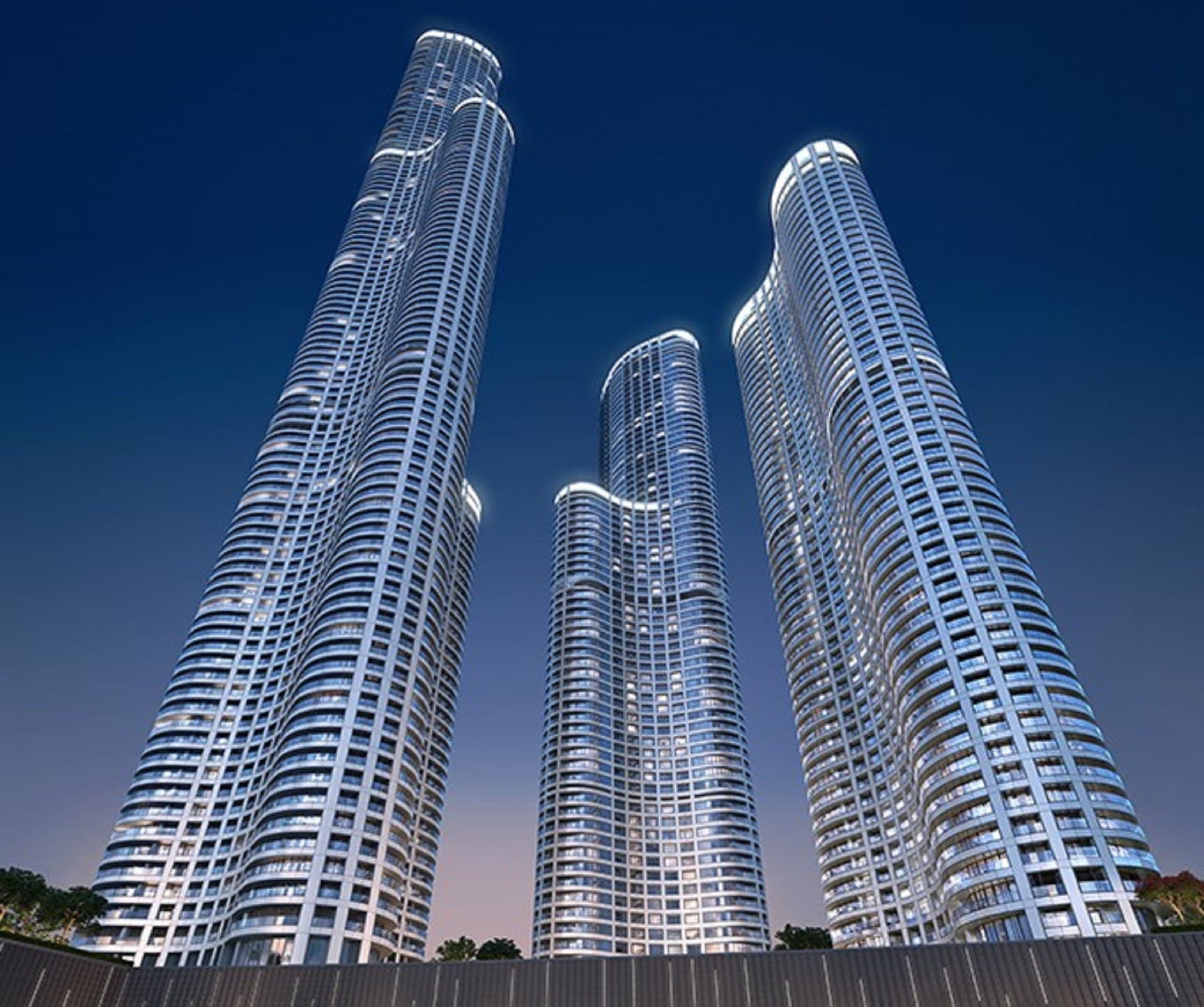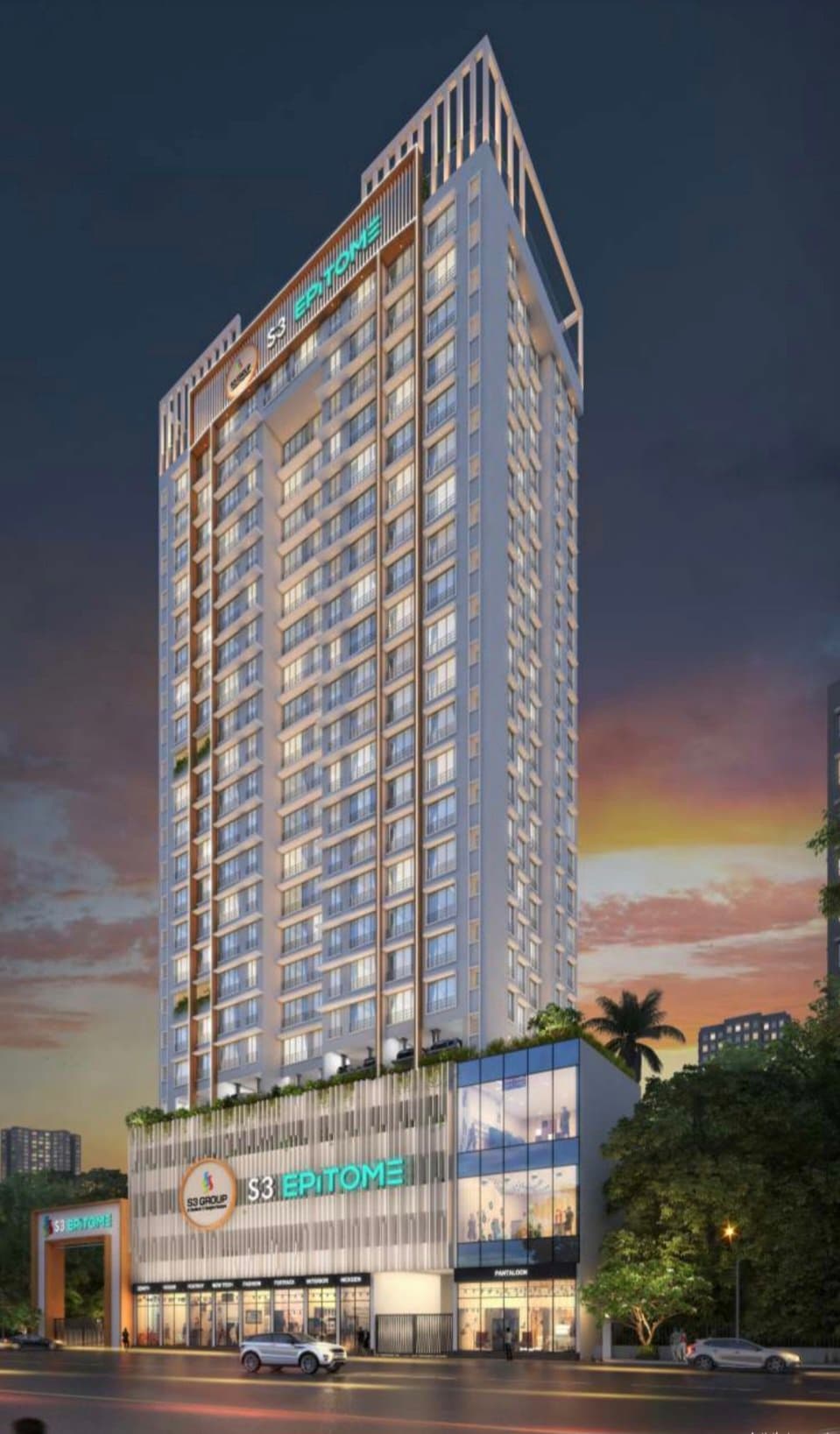
The plot under your prospective ₹15 Cr apartment in Lower Parel was, until about thirty years ago, almost certainly a textile mill. The plot under your ₹20 Cr apartment in Prabhadevi may have been a chawl, a private mill, or a residual MIDC industrial allocation. The land status under your building — freehold, occupancy-class, lessee-class, sub-leased, or redeveloped under the DCR 58 framework — directly determines (a) whether banks discount your loan-to-value ratio, (b) how the BMC computes annual property tax, and (c) how much friction your future resale faces.
Property Butler's title-audit work across 60+ towers in this corridor finds that roughly 38% of Lower Parel residential stock sits on former mill or industrial land where the title chain crosses a regulatory regime change. In Prabhadevi the figure is lower — around 18% — but the legacy lease structures there are older and less standardised. A buyer who closes without understanding their title class can pay a 0.25–0.35% higher home-loan rate and face an extra 4–6 weeks of resale friction.
Key Insight — Title Class Costs Real Money
A clear-freehold society in Lower Parel typically secures 90% LTV at the lowest tier rate from major lenders. A DCR 58 mill-land redevelopment with full conveyance secures 80–85% LTV at the same rate. A building still on an unexpired industrial lease with sub-lease to the society can drop to 75% LTV and add 25–35 basis points. On a ₹15 Cr property, that 25 bps spread compounds to roughly ₹38–55 lakh of extra interest across a 20-year tenor. Title diligence pays for itself many times over.
The Seven Title Categories in the Lower Parel & Prabhadevi Corridor
Property Butler classifies the land underneath this corridor's residential towers into seven title categories. Each behaves differently for bank valuation, BMC taxation, and resale liquidity.
| Title Class | Typical Buildings | Bank Comfort | Resale Liquidity |
|---|---|---|---|
| 1. Clear Freehold | Older Bombay Improvement Trust plots, conveyed cooperative societies | Top — 90% LTV, base rate | High — 30–60 days typical |
| 2. DCR 58 Mill-Land Redevelopment (post-2001) | Most Lodha, Indiabulls, Marathon, Lodha Vista stock in LP | High — 85–90% LTV, base rate (post-conveyance) | High once OC + conveyance complete |
| 3. NTC Mill-Land Redevelopment | National Textile Corp ex-mill plots redeveloped via tendered process | Moderate-High — 80–85% LTV, +5–10 bps | Moderate — buyer due diligence longer |
| 4. MIDC Industrial Lease (long unexpired) | Some older Prabhadevi industrial-converted stock | Moderate — 75–80% LTV, +15–25 bps | Slower — lease assignment friction |
| 5. BMC / Collector Lease | Some chawl-redevelopment buildings under SRA / DCR 33(7) | Moderate — 75% LTV, conditional | Moderate — depends on lease assignment terms |
| 6. Private Lease (corporate / family trust) | Rare — usually older bungalow plot redevelopments | Variable — case-by-case bank review | Slow — most buyers exit at offer stage |
| 7. Sub-leased / Encumbered | Avoid — title chain not clean, litigation risk | Low — many lenders decline outright | Very slow — discounts required |
DCR 58 vs Clear Freehold — What Actually Changes for the Buyer
DCR 58 (Development Control Regulation 58) governed Mumbai's mill-land redevelopment post the late-1990s textile-strike era. The framework allowed mill plots to be carved into three parts — one for housing, one for open space, one for the original mill owner / NTC. Almost every major Lower Parel residential project sits on a DCR 58 plot. Functionally, once the developer secures OC and society conveyance completes, a DCR 58 freehold-converted plot behaves identically to clear freehold for a buyer.
The catch: the chain matters. Three documents to demand:
✓ Documents That Confirm Clean Title
- Property Card (7/12) showing the society or developer as the recorded owner with no encumbrance entries
- Conveyance Deed transferring title from developer to housing society (or deemed conveyance order)
- Mill-land NOC from the Mill Workers Commissioner (specific to DCR 58)
- Search Report for the last 30 years from a Mumbai-empanelled solicitor
- BMC Approved Plan + Commencement Certificate + Occupation Certificate
✗ Red Flags That Demand a Hard Pause
- Conveyance still pending more than 5 years after OC
- Sub-lease structure (developer leases from owner, society sub-leases from developer)
- Pending court matters disclosed in search report (especially TPA / specific performance suits)
- Mill workers' workmen's union dues unsettled (specific to NTC plots)
- BMC / MCGM tax arrears or sealing notices in the title chain
The Lower Parel Mill-Land Map — Which Mills Became Which Buildings
Useful context for any buyer: Lower Parel and Parel hosted dozens of textile mills until the mid-1990s. Property Butler's tracked map links most of the corridor's current residential addresses back to the original mill name. Knowing the predecessor mill helps surface the title chain quickly.
Mill-to-Tower Quick Reference (illustrative)
- Phoenix Mills cluster — now Phoenix Palladium, High Street Phoenix, and surrounding residential stock. Phoenix Mills Ltd. converted title under DCR 58 to mixed-use.
- Kohinoor Mills — Kohinoor Square, Kohinoor City. Conversion via DCR 58 with one-third housing carve-out.
- Apollo Mills / Mafatlal Mills — multiple Lodha and Indiabulls projects sit on plots originally owned or operated by Mafatlal Industries.
- India United Mills (NTC) — significant NTC plots in Lower Parel released for tendered redevelopment in the 2000s; some Lodha and Marathon projects trace lineage here.
- Bombay Dyeing — Wadia plot residual stock and ICC Centre / IT-park developments.
Property Butler retains the full mill-to-plot mapping internally and can verify the predecessor mill for any specific tower on request.
Prabhadevi — A Different Title Story
Prabhadevi's title pattern is older and more fragmented. The locality never had Lower Parel's industrial scale; instead it grew out of bungalow plots, smaller chawls, BMC-leased land, and a smaller number of mill / industrial plots. Property Butler's tracked Prabhadevi inventory of 48 active listings sits in buildings across at least 12 different title genealogies — including some unusual ones:
- Cooperative Housing Society conveyed-freehold plots — clear title, typical of Rustomjee Crown, Kalpataru Oceana, Lodha Grandeur.
- Cluster redevelopment under DCR 33(9) — multiple adjacent chawls or buildings consolidated under one rehabilitation framework. The V Mansion, Akruti Kalaya Tower, and similar projects fall under cluster DCR 33(9).
- Bungalow plot redevelopment — older single-family bungalows sold and re-developed under standard freehold conveyance.
- Government-leased plots — a handful of older buildings sit on Collector-leased land with assignment-on-sale clauses still operative.
For Prabhadevi buyers, the most common title-side surprise is the cluster redevelopment overhang: even if the building you are buying into is post-OC and conveyance-complete, surrounding plots in the cluster may still be in litigation with original chawl tenants. This rarely affects title in your unit but can extend resale timelines if a neighbouring sub-cluster blows up.
How Banks Actually Read Title Class — A Property Butler View
Mumbai's seven largest home-loan lenders treat title class differently. Some are aggressive on DCR 58 redevelopments (treat them as freehold once conveyance closes), some apply a 5–10% LTV haircut, and one major private lender explicitly refuses sub-leased industrial-converted plots regardless of OC.
Aggressive Banks
SBI, HDFC, ICICI
Treat DCR 58 post-conveyance as freehold-equivalent. 90% LTV on most Lower Parel inventory. Acceptable on long-unexpired MIDC leases.
Moderate Banks
Axis, Kotak
Generally fine on DCR 58. Some haircut on MIDC-converted. Will not lend on un-conveyed projects.
Conservative Banks
Some private lenders
Will decline sub-leased or encumbered title chains outright. May refuse industrial-converted plots even with OC.
The Property Butler Title Diligence Checklist
Before paying token, demand and verify the following from the seller, society, or developer:
Pre-Token Title Audit — 9-Point Checklist
- Property Card (7/12 extract) — current ownership column matches society / developer
- Conveyance Deed or Deemed Conveyance Order (post-OC societies)
- Search Report from solicitor — 30-year title chain
- Mill-land NOC from Mill Workers Commissioner (DCR 58 plots only)
- RERA registration certificate + RERA-filed sanctioned plans
- Approved Plans, Commencement Certificate, Occupation Certificate
- BMC property tax paid receipt for the last 3 financial years
- Society NOC for transfer (resale only)
- Bank empanelment list — confirm at least 2 of the top-3 lenders empanel the building
Frequently Asked Questions
Is Lower Parel mill-land different from regular freehold once OC is received?
In practical terms, no — once the building has OC, the society has conveyance, and the Mill Workers Commissioner NOC is on file, a DCR 58 mill-land plot behaves identically to clear freehold for buyer, banker, and BMC. The gap shows up only when conveyance is still pending or the original mill workmen's dues remain unsettled.
How do I find out if my Prabhadevi building sits on government-leased land?
Pull the current Property Card (7/12 extract) from the City Survey Office for the plot. The ownership column will name either the housing society, the original landlord, or the Collector / BMC / MIDC. If you see Collector or MIDC, the property sits on a government lease and your conveyance deed will have lease-assignment terms that need closer review.
Will a leasehold title reduce my apartment's resale value compared to freehold?
A long-unexpired leasehold (60+ years remaining) typically trades within 3–5% of comparable freehold stock. A short-tail leasehold (under 30 years remaining) can discount 8–15%. The bigger drag is liquidity — leasehold flats spend 30–60% longer on the resale market because buyers and bankers run more diligence.
My society's conveyance is still pending — should I buy a resale flat there?
It depends on why. If conveyance is pending because of administrative delay and the society has filed for deemed conveyance, the residual risk is modest and the property is bankable. If conveyance is pending because of a dispute between the developer and the society over occupancy quanta or open-space allocations, walk away. Always demand a copy of the deemed-conveyance application or court order before token.
How much does a proper title search cost?
A 30-year search report from a Mumbai-empanelled solicitor on a single residential plot typically runs ₹25,000–₹75,000 depending on complexity. For a high-stakes Lower Parel or Prabhadevi purchase, demand a top-tier firm and budget the higher end. The cost is roughly 0.04% of a ₹15 Cr purchase — and it is the single highest-ROI line item in the entire transaction.
Need a title diligence read on a specific Lower Parel or Prabhadevi property?
Property Butler maintains a tower-by-tower title classification covering the full 1.8 km corridor — mill predecessor, DCR clause, conveyance status, bank empanelment.
Search Title-Clear Listings