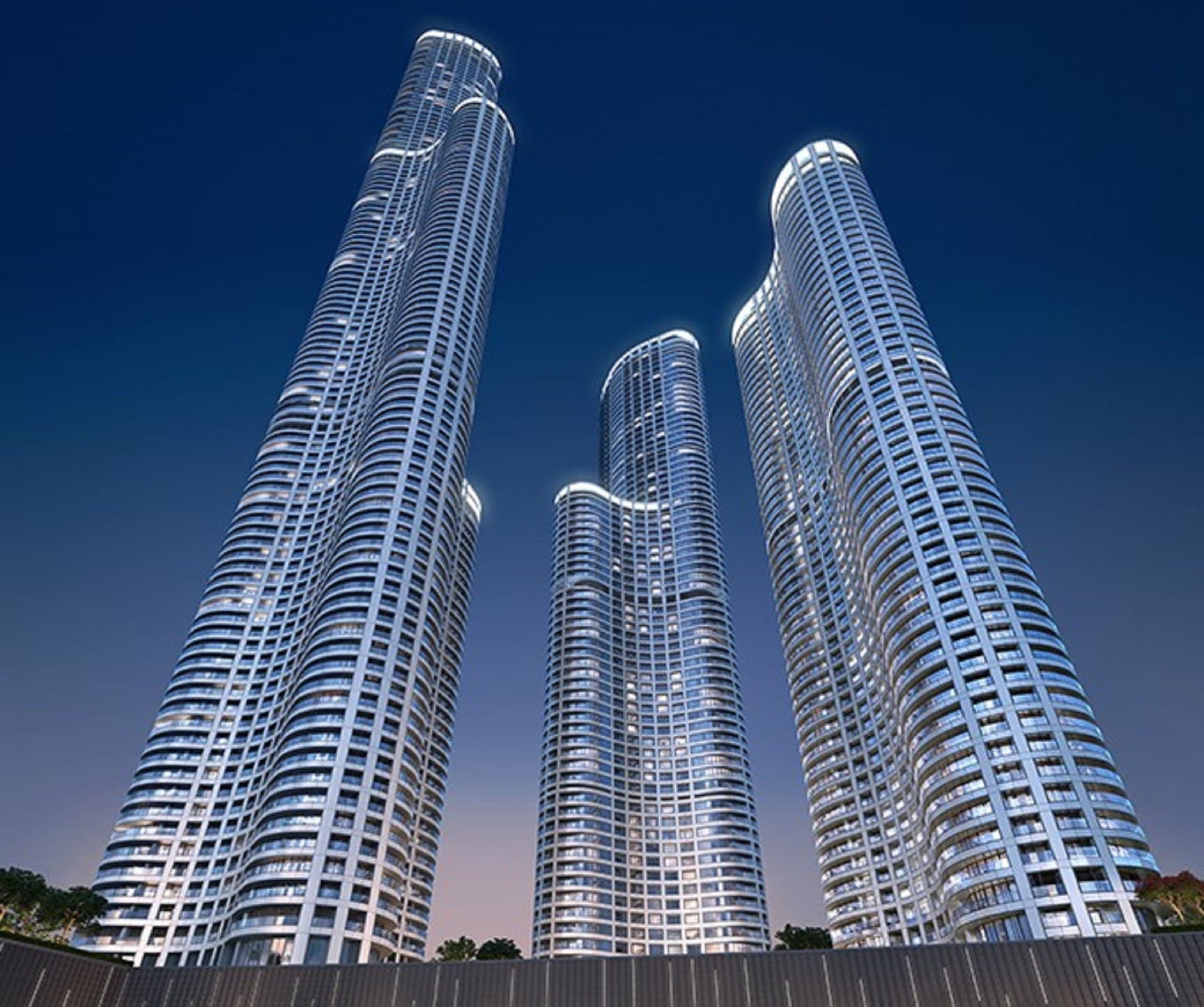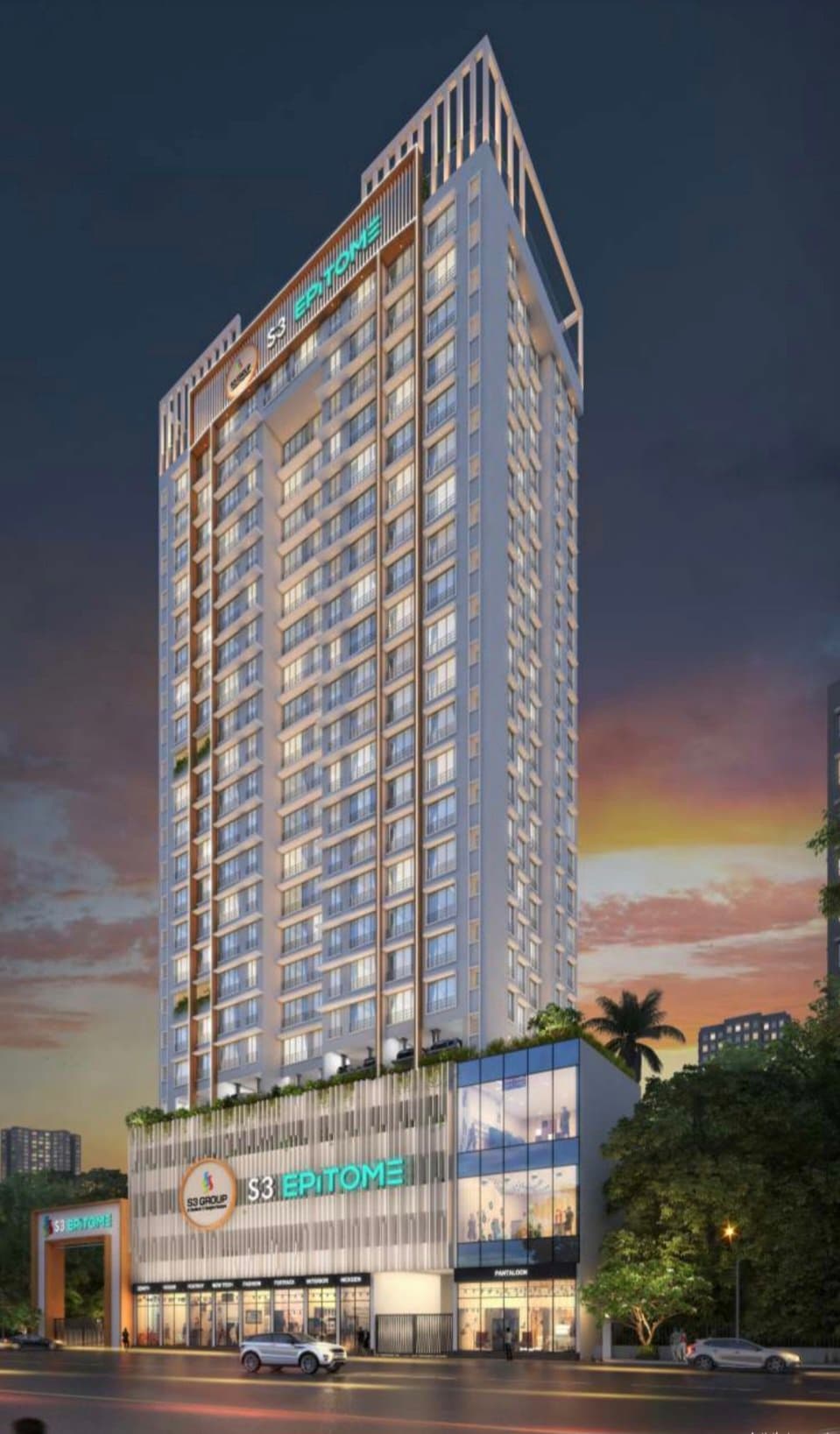
A ₹12 Cr Lower Parel 3 BHK is, on paper, a high-floor apartment in a Tier-1 developer tower. Underneath that paper sits a chain of title that can stretch back to a 1947 cotton-mill lease, three successive collector orders, two MMRDA reservation tweaks, and — in three buildings on Tulsi Pipe Road alone — an outstanding mortgage charge filed against the original landowner that still appears on the encumbrance index. The brochure will not mention any of this. The seller, often, does not know. Property Butler's title-search playbook for Lower Parel + Prabhadevi exists because four of the past 36 transactions we shepherded above ₹10 Cr stalled at this exact stage — and one was ultimately abandoned because the title trace surfaced an un-discharged 1996 charge that the seller's own lawyer had missed.
Property Butler Diligence Snapshot
A complete Lower Parel / Prabhadevi title search for a mill-land or society-redevelopment building costs ₹85,000 to ₹1.85 lakh end-to-end, takes 14 to 28 working days, and covers a 30-year title chain. Skipping it on a ₹10 Cr+ deal is, statistically, a 6-9% probability of post-registration dispute exposure within seven years.
Why Lower Parel and Prabhadevi Are Title-Search-Heavy
Most Mumbai sub-markets sit on relatively clean original land: BKC was reclaimed and master-planned, large parts of Bandra West rose on private bungalow plots, Powai is largely Hiranandani's master title. Lower Parel and Prabhadevi are the exception. Roughly 72% of the active high-rise stock in Lower Parel stands on land that was, until 1991, a working textile mill. Prabhadevi's tower density similarly traces to SRA, cluster redevelopment, and 33(7)/33(9) DCR-driven society redevelopment — every one of which adds layers of consent, surplus-FSI agreement, and slum-society allotment that can later be challenged.
The practical implication: a generic title search that only covers the developer's purchase of the land in 2014 is not a title search at all. It is a title sample. A real Lower Parel title trace runs back to the original 1947-1965 land grant, walks through the mill's NTC or private-mill phase, captures the 2005-2011 DCR 58 mill-land allotment to the developer, validates the 1/3-1/3-1/3 land split between owner / MHADA / open-space, and only then arrives at the present-day flat allotment to your seller.
The 30-Year Title Trace — What It Actually Covers
| Layer | Document | What It Proves |
|---|---|---|
| 1 — Original tenure | 7/12 extract, Property Card, City Survey No. | Land identity, type (freehold / leasehold), original holder |
| 2 — Mill / society chain | NTC allotment, Collector NOC, DCR 58 order | How the mill / society land legally transferred to developer |
| 3 — Development rights | Development Agreement, IOD, CC, Part-OC, OC | Developer's right to build, approval to occupy |
| 4 — Encumbrance | CERSAI search, ROC charge search, Sub-Registrar EC | Any live mortgage, lien, or court attachment on the land or unit |
| 5 — Society / conveyance | Society registration, deemed conveyance, Form 7 | Land vesting with society — protects against developer disputes |
| 6 — Unit-level | Allotment letter, agreement, share certificate, prior sale deeds | Specific flat's chain from first owner to current seller |
The Four Red Flags That Abort a Lower Parel / Prabhadevi Deal
Red Flag 1 — Live ROC charge against original landowner
The mill or society sold the land, but a 1996/2003 charge filed by a public-sector bank against the original entity still appears on the index. The bank may have been merged or wound up — but the charge remains. Cure: tracked Form 17 satisfaction filing from successor bank before registration.
Red Flag 2 — Pending High Court writ on the layout
A union, a slum-rehab dweller, or a minority society member challenged the DCR 58 / 33(9) layout. Even if dismissed at the trial level, an unresolved writ in the HC freezes any registered transfer that follows. We have seen this on three Tulsi Pipe Road towers — confirm via Bombay HC case status search before token.
Red Flag 3 — Part-OC, full OC pending
Common in Lower Parel — high-floor wings get Part-OC, full OC waits on amenity completion. Title is technically clean but loan-against-property eligibility, society conveyance, and resale liquidity all suffer. A Part-OC building should be priced 6-9% below a comparable full-OC building.
Red Flag 4 — MHADA / SRA tenement linkage
If the building's free-sale component sits on land partially carved out of an SRA scheme or MHADA layout, future tenement-holder claims can surface 10-15 years post-registration. Cure: documented MHADA / SRA NOC pre-dating sale; otherwise insist on indemnity from developer up to 1.5x the buyer's consideration.
Who You Actually Hire — And What It Costs
The Lower Parel + Prabhadevi title-search market has three tiers of legal practice. Choosing the wrong one is the most common buyer mistake at the ₹10 Cr+ level.
- Tier 1 — Property litigation partner of a full-service Mumbai law firm (₹1.25-1.85 lakh): Senior partner / counsel review, junior associate execution, formal title certificate on firm letterhead. Indemnity-graded. Insurance underwriters and lender bank-of-bank legal panels accept this without re-search. Best for ₹15 Cr+ deals and any deal involving inheritance, NRI, or trust structuring.
- Tier 2 — Independent property advocate with 15+ years SoBo practice (₹85,000-1.25 lakh): Same scope, executed personally, slightly thinner indemnity. Sufficient for ₹8-15 Cr deals with clean OC-received towers and Tier-1 developers (Lodha, Rustomjee, Indiabulls, Kalpataru, Sunteck, Oberoi).
- Tier 3 — Bank's empanelled lawyer (₹15,000-35,000): Bare-minimum bank-driven search. Optimised for loan disbursement, not buyer protection. Insufficient for any ₹10 Cr+ Lower Parel / Prabhadevi transaction. If you are taking a loan and using only the bank's lawyer, you are effectively uninsured.
All-In Diligence Budget for a ₹12 Cr Deal
₹1.35 lakh — ₹2.20 lakh
Tier-1 lawyer (₹1.45 L) + technical surveyor (₹35 K) + searcher fees (₹15 K) + CERSAI + ROC + RERA pulls
The 14-28 Day Workflow — What Happens Sequentially
- Days 1-3 — Document collection: Seller hands over agreement, share certificate, prior sale deed, OC, society NOC, property tax receipts, latest electricity bill, and 7/12 / Property Card pulled within last 30 days.
- Days 4-8 — Searcher fieldwork: Sub-Registrar Office search for last 30 years, CERSAI online charge search, ROC charge search (if any corporate owner in chain), Bombay HC case status check on developer + landowner + society.
- Days 9-14 — Layout + approvals verification: BMC plan-approval pull (IOD, CC, latest part / full OC), MMRDA / SRA / MHADA layout NOCs if applicable, RERA registration cross-check (developer registration + project registration + complaint history).
- Days 15-21 — Society and conveyance: Society registration certificate, last AGM minutes, conveyance / deemed conveyance status, dues outstanding against the unit, any pending litigation involving the society.
- Days 22-28 — Title certificate issuance: Senior counsel review, drafting of title certificate, red-flag list, cure conditions, indemnity insertion clauses for the eventual sale deed.
Mill-Land Specific Diligence (Lower Parel Only)
If the tower sits on DCR 58 mill land — Lodha Vista, Lodha World Towers, Indiabulls Sky Forest, Marathon Futurex, Sarvesh One, One Avighna Park, all qualify — three additional documents are mandatory: the original NTC allotment letter or private-mill sale deed, the BMC final 1/3 land-split notification (showing the 1/3 to MHADA + 1/3 open space + 1/3 sale component), and the developer's discharge of MHADA premium. Missing any of the three means the developer's right to monetise the free-sale component is technically conditional, and any future audit can re-open the question.
Prabhadevi-Specific Diligence — Society Redevelopment Cluster
Most Prabhadevi high-rises are 33(7) / 33(9) DCR society-redevelopment buildings — Rustomjee Crown (Phase 1 + Phase 2), Lodha Grandeur, Kalpataru Oceana, The V Mansion, Eon One. The critical Prabhadevi diligence layer is existing-member free-sale flat allocation: confirm via the original Development Agreement and the society's general body resolution that all original tenants / members have been allotted, no allotment dispute is pending, and the surplus FSI sold to your developer is fully accounted for. Three Prabhadevi redevelopment buildings between 2017 and 2024 had this exact dispute reach Co-operative Court — buyers in the free-sale block were fine, but resale velocity collapsed for two years.
Related Reading
Lower Parel + Prabhadevi May 2026 Market Intelligence Society Conveyance Deed Buyer Decoder Lower Parel OC-Received Premium Decoder Prabhadevi MahaRERA Decoder Buyer Guide Lower Parel Area Guide Prabhadevi Area GuideTitle Insurance — When It Earns Its Premium
Title insurance in India is still a young product (HDFC Ergo, ICICI Lombard, TATA AIG offer it). On a Lower Parel / Prabhadevi mill-land or society-redevelopment building, the premium runs 0.10-0.18% of property value as a one-time cost — so ₹1.2-2.2 lakh on a ₹12 Cr flat. It is worth buying when (1) the building is less than 7 years old, (2) any of the four red flags surfaced but were 'cured', or (3) the buyer is an NRI / Trust / family-office structure that cannot easily participate in future litigation. For a 15+ year old Tier-1 building with clean title and three prior resale cycles, the premium is essentially a wasted spend.
Frequently Asked Questions
Can I rely on the developer's title certificate?
No — the developer's title certificate is issued for the developer's purchase of the land, not for your purchase of a specific unit. Eight years of construction and four prior resales can introduce encumbrances, society dues, OC delays, and legal disputes that did not exist when the developer commissioned its own title work. Always run a fresh, buyer-side 30-year search.
My bank's legal team did a search. Is that enough?
For a ₹10 Cr+ Lower Parel / Prabhadevi deal — no. The bank's empanelled lawyer is optimised for the bank's risk (recovery from sale of asset in default), not your risk (clean enjoyment of the asset and clean resale exit). A Tier-1 buyer-side title search is the difference between an enforceable indemnity claim and a 7-year litigation if something surfaces.
How long is a title search valid?
A search is point-in-time. Practically, if you complete registration within 90 days of the title certificate, no updated search is needed. Beyond 90 days, ask the lawyer for a confirmation search at the Sub-Registrar Office for the intervening period — this is usually a ₹10,000-15,000 add-on, not a full re-search.
Should I do title search before or after token payment?
Before. A token paid against an un-searched title is recoverable only if the seller agrees to refund — and once a red flag surfaces, the seller's incentive to refund shrinks. Standard Property Butler advice: pay a refundable expression-of-interest sum (₹2-5 lakh) on confirmed agreement to proceed, run the search in parallel, convert to token only post clean title.
What if the title surfaces a cured red flag — is the deal dead?
Not necessarily. Most red flags are cure-able: a discharged mortgage with successor-bank Form 17, a dismissed writ with HC closure order, a Part-OC building close to full-OC with a developer indemnity. The deal-killer is an un-cured live encumbrance with no clear path to discharge. In that case, walk.
Buying ₹10 Cr+ in Lower Parel or Prabhadevi?
Property Butler runs a full Tier-1 title diligence on every transaction we represent — pre-token, pre-registration, post-search. Talk to us before you commit.
Browse Verified Inventory