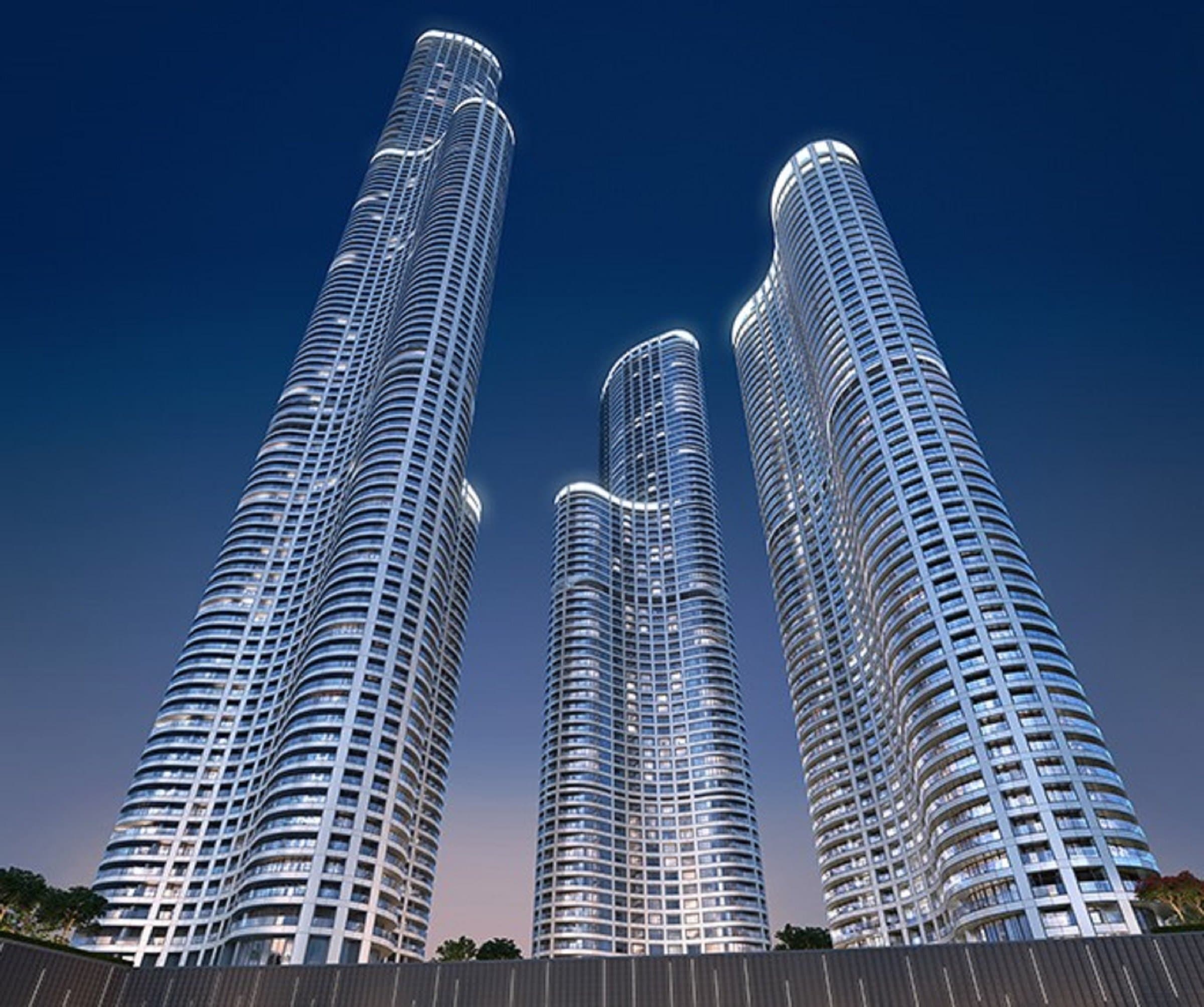
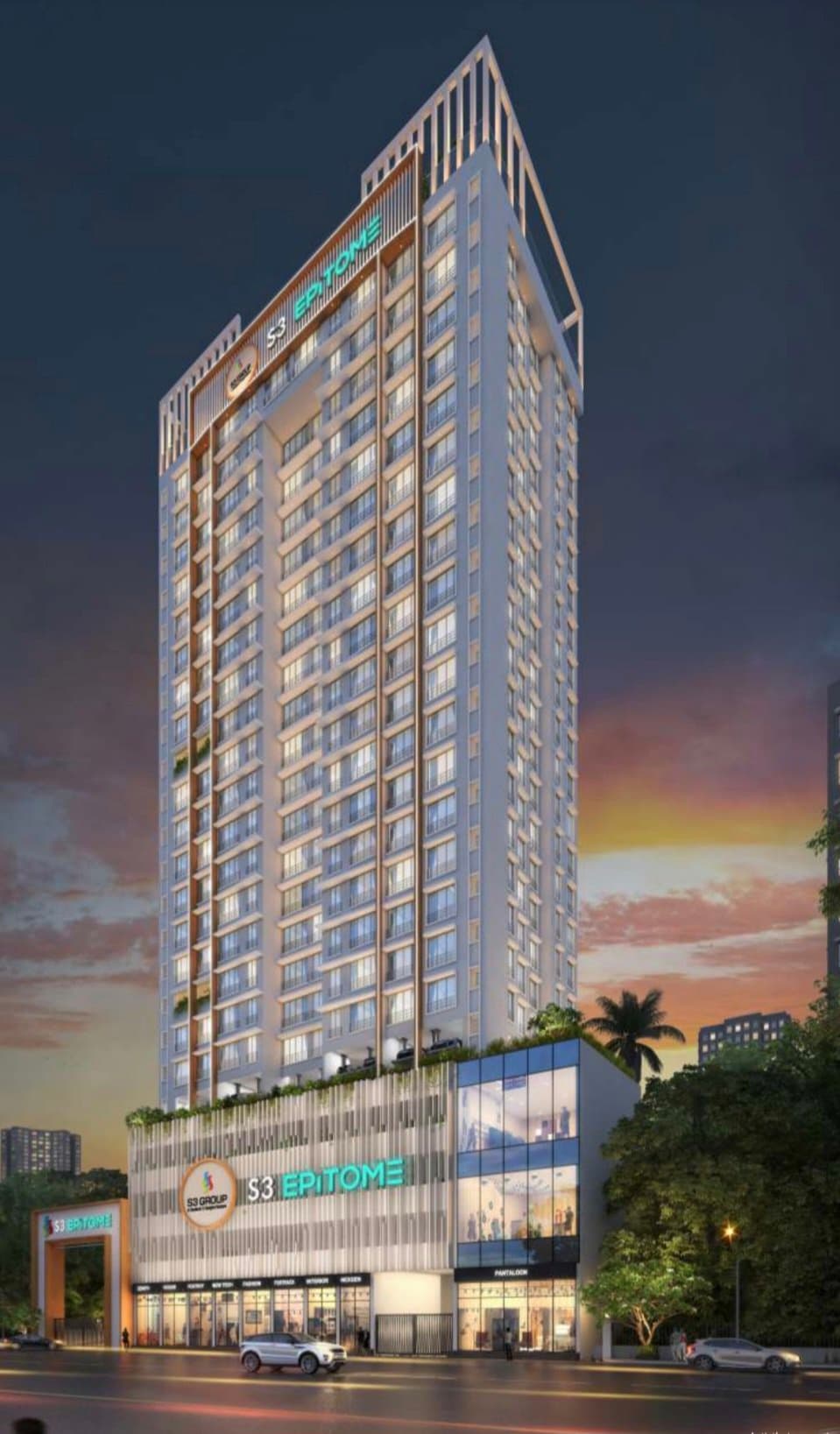
A ₹15 Cr 3 BHK at Rustomjee Crown Prabhadevi or Lodha World Crest Lower Parel does not just buy you 1,400 sq ft of carpet — structured correctly, the same purchase compresses ₹15-40 lakh of annual income tax for the next 4-7 years. Property Butler tracks 543 active sale listings in Prabhadevi (median ₹59,222 / sqft on 3 BHK, ₹70,334 on 4 BHK) and 304 in Lower Parel (median ₹41,061 / sqft on 3 BHK, ₹55,737 on 4 BHK), and the buyers who walk away with the highest post-tax IRR are not the ones who negotiated the hardest on PSF — they are the ones who structured the loan, the deduction stack, and the capital-loss set-off before signing the agreement.
This is the working tax map for a Lower Parel or Prabhadevi buyer in FY 2026-27. Every number reflects current law (Finance Act 2025, AY 2026-27) — not the New Tax Regime defaults that suburban buyers default into. For SoBo ticket sizes, the old regime is almost always the higher-net-of-tax outcome.
Key Insight — Why SoBo Buyers Stay on Old Regime
On a ₹15 Cr Prabhadevi 3 BHK with a ₹5 Cr loan at 8.5%, the old regime delivers ₹12.5-14 lakh of legitimate annual tax savings the new regime forfeits — Section 24 interest deduction, set-off of let-out loss against salary, 80C principal repayment, and 80EEA on the affordable component. That's ₹50-65 lakh of compressed tax over 4-5 years on a single purchase.
The Deduction Stack — Section by Section
Six sections of the Income Tax Act stack on a Mumbai home purchase. Property Butler advises every Lower Parel and Prabhadevi buyer to map all six against their CTC + carry-forward losses before signing the agreement to sell, because two of them (80EEA, 80EE) require declarations at the registration stage and are gone forever if the cost-cap thresholds are crossed without planning.
| Section | What It Covers | Annual Cap | SoBo Buyer Reality |
|---|---|---|---|
| Section 24(b) | Home loan interest, self-occupied | ₹2,00,000 | Hits the cap on any loan above ₹24 L. Largely symbolic for a ₹5 Cr SoBo loan. |
| Section 24(b) — let-out | Home loan interest, deemed-let-out 2nd property | No cap on interest deduction; ₹2 L cap on house-property loss set-off against salary | The biggest lever. Excess loss carries forward 8 years. |
| Section 80C | Principal repayment + stamp duty + registration | ₹1,50,000 (shared with PF, ELSS, LIC, etc.) | Stamp duty alone (~₹90 L on ₹15 Cr) hits the cap in registration year. |
| Section 80EEA | Additional interest, first-home, agreement value ≤ ₹45 L, loan sanctioned in window | ₹1,50,000 | Almost never hits — SoBo prices crossed ₹45 L two decades ago. Out of scope. |
| Section 54 | LTCG re-investment in new residential property | ₹10 Cr exemption ceiling per asset (FY 2024-25 onwards) | Critical for HNI second-home upgrades. Plan around the ₹10 Cr cap. |
| Section 54F | LTCG (non-house assets) re-invested in residential property | ₹10 Cr exemption ceiling | Equity / gold / land sales rolled into a Lower Parel or Prabhadevi flat. Must hold 3 years. |
The Working Example — ₹15 Cr Prabhadevi 3 BHK, ₹5 Cr Loan, ₹2 Cr Salaried Buyer
The math is easier to follow on a real example than abstract sections. The buyer below is an investment banker at Nariman Point earning a fixed ₹2 Cr CTC, buying a 1,500 sq ft 3 BHK at Rustomjee Crown Prabhadevi for ₹15 Cr. Loan: ₹5 Cr at 8.5% from ICICI/HDFC. Self-occupied. Filing under old regime.
Year-1 Tax Compression — Self-Occupied
₹6.0 Lakh saved
Section 24 (₹2 L) + Section 80C (₹1.5 L) compressed at 39% marginal rate
That's underwhelming on paper, and it's why the New Tax Regime feels reasonable to most salaried Mumbai buyers — the headline cap of ₹2 lakh under Section 24 simply doesn't move the needle on a ₹2 Cr CTC. But the real game starts with Move Two: declaring the property as deemed let-out, or buying a second flat (or letting an existing flat) and using the let-out structure on the cheaper one.
✓ Self-Occupied Structure
- Section 24 capped at ₹2 L
- No notional rent added to income
- No HRA exemption if salaried
- Cleaner audit trail — no scrutiny of FMV
- Total Year-1 saving: ~₹6 L
★ Let-Out / Deemed-Let-Out Structure
- Full Section 24 interest deduction (no ₹2 L cap on interest itself)
- Notional rent added but offset by 30% standard deduction + interest
- House-property loss set-off ₹2 L vs salary + excess carries forward 8 years
- HRA exemption restored if you stay in another rental
- Total Year-1 saving: ~₹14-16 L
The ₹14-16 lakh number requires a worked sheet. Property Butler's standard SoBo deduction model on this exact profile runs as follows for FY 2026-27:
| Line | Amount (₹) |
|---|---|
| Annual interest @ 8.5% on ₹5 Cr (Year 1) | 42,28,000 |
| Less: notional annual rent (Property Butler median ₹2 L/mo on 3 BHK Prabhadevi) | (24,00,000) |
| Add: 30% standard deduction on rent (Section 24(a)) | 7,20,000 |
| Net loss from house property | (25,48,000) |
| Set-off vs salary, capped (Section 71(3A)) | (2,00,000) |
| Carried-forward loss (8-year window) | (23,48,000) |
| Section 80C principal + stamp/registration | (1,50,000) |
| Year-1 net taxable income reduction | 3,50,000 |
| Year-1 tax saved @ 39% marginal (incl. cess + surcharge) | ₹13,86,000 |
Years 2-5 operate identically while the carry-forward losses unwind — the ₹23.5 L parked in Year 1 sets off in chunks against future house-property income or up to ₹2 L/year against salary. Total tax compressed across the first five years on this single Prabhadevi purchase: ₹50-65 lakh, depending on rent escalation and rate trajectory.
HRA Double-Claim — The Move Most Mumbai Buyers Miss
The single biggest under-utilised lever for Lower Parel and Prabhadevi buyers is the HRA-plus-housing-loan double claim. The Income Tax Act explicitly permits both deductions simultaneously when the conditions are met — but the conditions require structuring at the time of move-in.
When HRA + Section 24 Both Apply
You own a flat (under construction or let out) and stay in a different rental whose tenancy you can document. Common SoBo cases: (1) you bought an under-construction Lower Parel flat with possession 2027 and stayed in a Worli rental; (2) you own a ready Lower Parel 3 BHK that you let out, and you live in a Prabhadevi rental for proximity to the office. Both are clean, both work, both have been litigated and upheld.
The numbers, on the same ₹2 Cr CTC profile: a Worli rental at ₹2.5 lakh/month produces an HRA exemption of approximately ₹26 lakh/year (the lower of HRA received, 50% of basic, or rent paid minus 10% of basic). At a 39% marginal, that is an additional ₹10 lakh of tax compressed annually — over and above the Section 24 stack above. The combined Year-1 saving on a Lower Parel under-construction purchase, with the buyer staying in a Worli rental, can cross ₹24 lakh.
Capital Loss Set-Off — The HNI Move
Section 71 permits set-off of long-term capital losses against long-term capital gains, and short-term against any capital gain. For HNI Mumbai buyers, the cleanest move is to harvest equity losses in March and crystallise capital gains during the Lower Parel or Prabhadevi purchase to wash out gains tax. A ₹3 Cr equity portfolio with a ₹40 lakh embedded loss, sold and re-invested, washes out ₹40 lakh of LTCG that would otherwise be taxable at 12.5% (post Finance Act 2024). That's ₹5 lakh saved — and the capital is now compounding inside an asset that itself generates Section 24 deductions.
Section 54 / 54F — The Trade-Up Engine
Section 54 is the engine that lets a Bandra West 2 BHK seller move up to a Lower Parel 4 BHK without losing 12.5% to LTCG. The mechanics: any LTCG on a residential property re-invested in another residential property within 1 year before / 2 years after sale (or 3 years for new construction) is fully exempt — capped at ₹10 Cr per asset since FY 2024-25. Property Butler tracks this on every Bandra-to-SoBo and Worli-to-Prabhadevi trade-up the team runs:
| Trade-Up Path | Sale Side | Buy Side | LTCG Sheltered |
|---|---|---|---|
| Worli 2 BHK → Lower Parel 4 BHK | ₹6.5 Cr (held 8 yrs) | ₹14 Cr | ~₹3.2 Cr LTCG → ₹0 tax |
| Bandra W 3 BHK → Prabhadevi 4 BHK | ₹9 Cr (held 6 yrs) | ₹16 Cr | ~₹4.5 Cr LTCG → ₹0 tax |
| Lower Parel 3 BHK → Prabhadevi 5 BHK trophy | ₹11 Cr (held 7 yrs) | ₹22 Cr | ₹6 Cr LTCG, ₹10 Cr cap exhausted on new asset; balance ₹0 |
Above the ₹10 Cr cap (introduced FY 2024-25), the excess LTCG is taxable. For trophy purchases above ₹15 Cr, the workaround Property Butler structures is splitting the LTCG across two assets — one residential, one through 54EC bonds (₹50 lakh/year cap in NHAI/REC) — to compress the post-cap exposure to nil over 24 months.
Old Regime vs New Regime — The Crossover Math
The new regime has lower headline slabs and higher standard deduction, but it forfeits Section 24 (let-out interest), 80C, 80D-uncapped components, HRA, and house-property loss set-off. For a SoBo buyer, the crossover where old regime starts winning is sharp. Property Butler's working rule:
Crossover Threshold for Old vs New Regime
Old regime wins above ₹4 Cr ticket
Or any case where the buyer is salaried with deemed-let-out structure + HRA
Below ₹2 Cr ticket and ₹15 lakh CTC, the new regime usually wins because the cap on Section 24 (₹2 L) is too small to outweigh the higher slabs. Above ₹4 Cr ticket the let-out structure dominates regardless of CTC — the ₹23 L+ carry-forward loss creates an 8-year drag on taxable income that the new regime cannot replicate.
Frequently Asked Questions
Can I claim HRA and Section 24 both if I work in Mumbai and own my Lower Parel flat?
Yes, but only if you can document a genuine reason for renting elsewhere — distance to office, family, or you've let out the owned flat. The rental tenancy must be at arm's length and the rent paid through banking channels. Property Butler routinely sees clients owning a Lower Parel flat (let out) and renting in Worli or Prabhadevi for proximity. Both deductions stack legally.
What happens to the carry-forward loss if I move to a self-occupied structure later?
The carry-forward loss survives the structural change for the 8-year window from creation. So if you let out a Prabhadevi flat for 3 years (creating ₹70 lakh of carry-forward) and then move in, you can still set off the parked ₹70 lakh against any other house-property income (rental from a second property, for example) for the next 5 years. This is one reason owning a smaller second flat alongside a SoBo trophy makes tax sense.
Does Section 80EEA work for a Lower Parel or Prabhadevi purchase?
Almost never. Section 80EEA caps the agreement value at ₹45 lakh — Property Butler hasn't seen a Lower Parel or Prabhadevi unit at that price point in over a decade. The relief was structured for affordable housing and doesn't reach SoBo. If your spouse buys a separate sub-₹45-lakh investment unit jointly elsewhere, that unit can attract 80EEA, but the SoBo purchase itself cannot.
How does the joint-loan structure change the math?
A joint loan with both spouses as borrowers and co-owners doubles the Section 24 and 80C ceilings — each spouse claims their share. On a ₹5 Cr loan with 50/50 ownership, both husband and wife independently claim up to ₹2 L Section 24 (self-occupied) or unlimited interest (let-out, capped ₹2 L set-off). The carry-forward loss is also split — useful when one spouse has ₹3 Cr CTC and the other ₹80 lakh, since the lower-bracket spouse has less capacity to absorb the loss but the higher-bracket spouse banks the larger marginal rate. Property Butler structures the ownership ratio at registration to optimise this.
What's the tax treatment of pre-EMI interest on under-construction Lower Parel projects?
Under-construction interest paid before possession is aggregated and deducted in 5 equal instalments starting from the year of possession, subject to the Section 24 ceilings. So a Lower Parel under-construction flat with ₹40 lakh of pre-EMI interest paid across 3 years before OC will deduct ₹8 lakh/year for 5 years from possession year — capped at ₹2 lakh self-occupied or fully deductible let-out. Time the let-out declaration to maximise the unlock.
Related Reading
→ Jumbo Home Loan Structuring for Lower Parel & Prabhadevi 2026 → Real Buyer Cost — Stamp Duty, GST & All-In Pricing → NRI Buying Lower Parel & Prabhadevi — FEMA/RERA Handbook → Prabhadevi Property Buying Guide 2026 → Lower Parel Area GuideStructuring a Lower Parel or Prabhadevi purchase?
Property Butler runs the deduction stack and trade-up math before you sign the agreement. We'll model your specific CTC, loan, and ownership ratio against both regimes and show you the exact post-tax IRR.
Explore Lower Parel & Prabhadevi 3 BHK Inventory