A Lower Parel 3 BHK at ₹9.75 Cr with a ₹6 Cr home loan moves on a 21-day clock from token to registration. The seller wants the registration done. The buyer needs the bank to disburse on registration day. If the bank takes 28 days to sanction-and-disburse, the deal goes past token expiry, the seller renegotiates or walks, and the buyer either pays a top-up token (typically 0.5-1% of agreement value, ₹4.8-9.75 lakh) or loses the flat. Property Butler closes 60+ end-user mortgages a year in Lower Parel and Prabhadevi. The single variable that decides whether a deal lands clean is approval velocity. Bank choice matters more than rate.
The velocity benchmark, in one line
A complete, well-prepared end-user file at HDFC clears in 14-18 days from application to disbursement. The same file at SBI takes 28-35 days. Property Butler's mortgage desk tracks this metric every month across HDFC, ICICI, Axis, SBI, Kotak, Standard Chartered, IDFC First and LIC Housing for ticket sizes ₹2-25 Cr in Lower Parel and Prabhadevi. Velocity ranks the lenders better than interest rate.
The 21-day deal clock and where it breaks
A typical Lower Parel or Prabhadevi resale transaction structures the timeline like this: token paid on day 0, agreement registration on day 18-22, balance consideration paid at registration via banker's cheque drawn by the buyer's bank, possession on day 25-30. The bank's role is to produce a banker's cheque dated for registration day. To do that, the bank must complete: sanction, legal opinion on the property, valuation, agreement vetting, sanction letter, disbursement memo, banker's cheque preparation. Most of these steps take days, not hours.
Bank-by-bank approval velocity, Lower Parel/Prabhadevi end-user, ₹3-15 Cr ticket, May 2026
| Bank | Median sanction | Median disbursement | May 2026 rate (salaried) | Processing fee |
|---|---|---|---|---|
| HDFC | 9-12 days | 14-18 days | 8.45-8.85% | 0.50% (max ₹1.5L) |
| ICICI | 10-14 days | 18-22 days | 8.55-9.00% | 0.50% |
| Axis | 11-15 days | 20-25 days | 8.65-9.10% | 0.50% |
| Kotak | 10-14 days | 18-24 days | 8.55-8.95% | 0.50% |
| SBI (Maxgain) | 14-20 days | 25-35 days | 8.35-8.75% | 0.40% (max ₹1L) |
| Standard Chartered | 8-12 days | 15-20 days | 8.70-9.25% | 0.50% |
| IDFC First | 10-13 days | 17-22 days | 8.60-9.15% | 0.50% |
| LIC Housing | 12-18 days | 22-30 days | 8.50-8.90% | 0.50% |
Based on Property Butler's tracking of 60+ end-user disbursements in Lower Parel and Prabhadevi, May 2025-April 2026. Rates assume CIBIL 800+ salaried borrower, LTV 70-75%.
The 15-day gap between HDFC and SBI at the disbursement end is the difference between a 21-day token expiry holding and a token-extension penalty. SBI's 30-basis-point rate advantage over HDFC saves ₹18,000 a year on a ₹6 Cr loan. A 14-day delay on a ₹9.75 Cr agreement, if it forces a token extension at 0.5% of agreement value, costs ₹4.875 lakh. The math doesn't favour SBI unless the rate gap is paid back over a multi-year hold.
The four documentation tiers that separate fast from slow files
Approval velocity is mostly a function of file completeness. The complete-on-day-one file gets sanctioned in the bank's minimum window. The file with missing pieces drifts to the median or worse. The four tiers Property Butler classifies buyer files into:
| Tier | Profile | Median HDFC velocity |
|---|---|---|
| Tier 1 | Salaried, single employer 3+ yrs, listed company, CIBIL 800+, all 3 months payslips + 12 months banking, ITR 3 yrs, agreement + RERA-stamped floor plan ready | 12-15 days |
| Tier 2 | Self-employed / professional, 5 yrs ITR + audited balance sheet, CIBIL 770+, banking + capital trail | 18-25 days |
| Tier 3 | NRI, FEMA-compliant remittance trail, NRO/NRE statements 2 yrs, overseas employer letter, CIBIL or international credit report | 22-30 days |
| Tier 4 | Multiple income sources, recent job change, derived income (capital gains, dividends), HUF structure | 28-45 days |
The 17-document complete-file checklist
Buyer-side documents
- PAN, Aadhaar, passport (self-attested)
- 3 months latest payslips
- Form 16 last 3 years
- ITR last 3 years with computation
- 12 months salary account statement
- 12 months personal/savings statement
- Employment confirmation letter
- Existing loan statements + EMI schedule (if any)
- Networth certificate from CA (₹5 Cr+ loans)
Property-side documents
- Draft sale agreement (final version)
- RERA registration certificate + floor plan
- OC + sanctioned plan (ready stock)
- Title chain documents (30 years)
- Encumbrance certificate (30 years)
- Society share certificate copy
- Property tax receipts last 3 years
- Seller's NOC + dues clearance
The pre-approval move — buying yourself 7-10 days
Pre-approval is sanction without security. The bank assesses the borrower's income and credit standalone, issues a sanction letter valid 6 months, and parks it pending property identification. When the buyer finds the property, the bank completes only the legal-and-valuation legs (typically 5-9 days) before disbursement. Pre-approval converts a 18-day timeline into an 8-10 day timeline.
Five banks aggressively support pre-approval for Lower Parel and Prabhadevi prospects: HDFC, ICICI, Axis, Kotak, Standard Chartered. Property Butler routes serious buyers through pre-approval before they finalise a property — especially for first-time SoBo buyers entering a 21-day token clock. The pre-approval costs ₹0 (assessed against the eventual loan's processing fee) and is non-binding.
The technical valuation — the single most common delay cause
Every bank requires a technical valuation report from an empanelled valuer (HDFC uses 6 firms, ICICI uses 4, SBI uses regional empanelled valuers). The valuer visits the property, inspects, and issues a report normalised to RERA carpet area. The visit takes 1 day; the report turnaround is 3-7 days depending on the firm's queue. The most common delay causes:
- Seller unavailable for inspection access — Property Butler's standard protocol is to schedule valuation in the token-to-registration window with explicit access slots, not on a "call when ready" basis.
- Valuation lower than agreement value — the bank's loan is capped at LTV × valuation, not LTV × agreement value. A Lower Parel 3 BHK at ₹9.75 Cr that values at ₹9.2 Cr supports ₹6.9 Cr loan at 75% LTV, not ₹7.31 Cr. Buyer covers the gap.
- Title-chain discrepancy flagged by valuer — the report routes back to the bank's legal team, adding 5-12 days.
- Building under construction — bank releases tranche-wise against construction milestones; the valuation needs re-trigger at each milestone, slowing the overall flow.
The right-rate trap — when chasing 30 bps costs you ₹3 lakh
Buyers who shop home loans by interest rate alone miss the velocity cost. The annual benefit of a 30-basis-point rate advantage on a ₹6 Cr 20-year loan is roughly ₹18,000. Over 8 years (the typical SoBo loan tenure before pre-payment), the benefit is ₹1.45 lakh. The cost of a 10-day token extension on a ₹9.75 Cr deal at 0.5% is ₹4.875 lakh. Velocity wins.
Property Butler's recommendation for Lower Parel and Prabhadevi buyers in May 2026 — when the deal clock is the binding constraint — is HDFC for salaried Tier 1 profiles, Standard Chartered for HNI / capital-trail-funded buyers, and ICICI for everything in between. SBI Maxgain offers the best rate but is rarely the best fit unless the buyer has 35+ days of token flexibility.
The 24-hour pre-token mortgage stress test
- Pull your CIBIL. Free copy at cibil.com — if below 770, the rate increases and the velocity drops. Fix any errors (closed-loan flags showing open) before applying.
- Compute your FOIR. Fixed Obligations to Income Ratio = (total EMIs + planned EMI) ÷ gross monthly income. Banks cap at 60-65% for salaried; 50-55% for self-employed. The planned EMI on a ₹6 Cr 20-year loan at 8.7% is approximately ₹5.28 lakh.
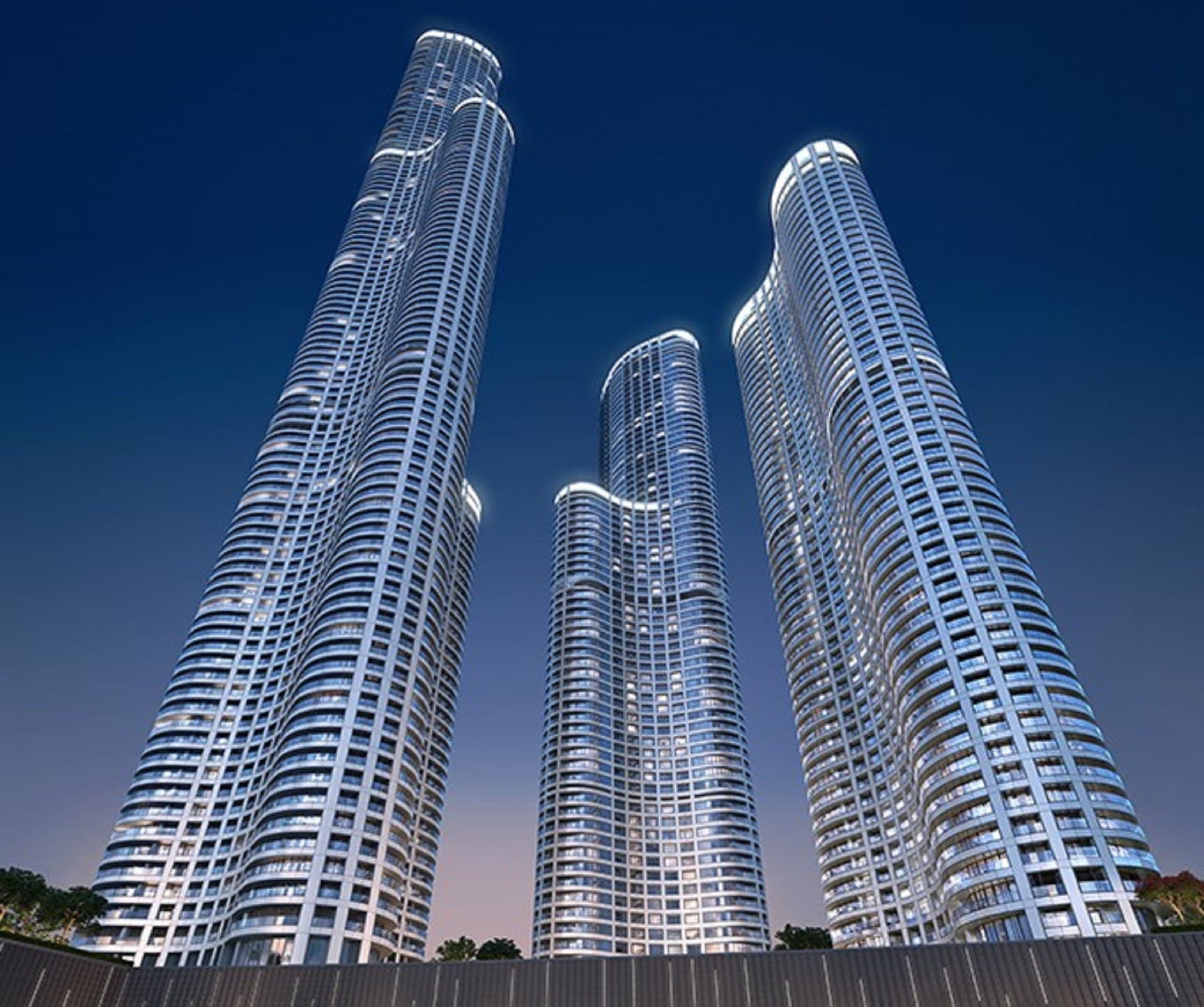
- Verify property is bank-approved. HDFC, ICICI, Axis maintain lists of pre-approved Lower Parel and Prabhadevi projects (most marquee towers — Indiabulls Sky Forest, Lodha World Crest, Rustomjee Crown, Lodha Grandeur, Kalpataru Oceana — are on multi-bank approval lists). Pre-approved projects skip 5-9 days of legal/valuation.
- Get pre-approval before token. 6-9 days. Parks the credit risk. Frees you to negotiate harder.
- Run a parallel application at a backup bank. Approval costs are ₹0 if the application is withdrawn before disbursement. Property Butler routes 30% of files dual-track to insure against single-bank delay.
Frequently asked questions
What's the maximum LTV available on a Lower Parel ₹15 Cr 4 BHK?
RBI's home loan LTV norms cap at 75% for loans above ₹75 lakh and 75% for loans up to ₹75 lakh-₹1.5 Cr. On a ₹15 Cr Lower Parel agreement, the maximum loan is ₹11.25 Cr theoretically. In practice, banks cap their internal exposure at ₹8-10 Cr for end-user mortgages, with anything above requiring multi-bank syndication or NBFC participation. HDFC Realty Finance, ICICI Home Finance, Standard Chartered and Citi Wealth Management support ₹10 Cr+ single-bank exposures for HNI clients.
Can I switch banks mid-process if one bank is dragging?
Yes — until disbursement. Processing fees paid to the first bank are non-refundable (typically ₹50,000-₹1.5 lakh on a ₹6 Cr loan), but the application can be withdrawn without further penalty. Property Butler routes dual-track applications for clients on short token windows; only the faster-disbursing bank receives the agreement registration. The second bank's file closes without disbursement.
How does the velocity differ for under-construction vs ready stock?
Ready stock with OC clears 3-7 days faster because the valuation, title, and possession all resolve cleanly. Under-construction requires tranche-wise disbursement against builder demand letters, RERA milestone certification, and architect's progress reports. The first tranche on a Lower Parel under-construction tower typically clears 22-30 days from sanction. Subsequent tranches clear in 7-10 days against trigger documentation.
What's the typical processing fee negotiation range?
Banks routinely waive 50-100% of the processing fee for SoBo HNI clients with ₹3 Cr+ loans, especially when the loan competes against another bank's offer. The negotiation lever is highest at the sanction-letter stage, before disbursement. Property Butler typically negotiates fees down to ₹25,000-₹50,000 on ₹5 Cr+ Lower Parel and Prabhadevi loans, against the default 0.5% (which would otherwise be ₹2.5 lakh on ₹5 Cr).
Does an existing relationship at the bank speed approval?
Materially yes for HDFC, ICICI and Kotak. A buyer who has held a salary account, savings account or wealth-management relationship with the same bank for 3+ years typically receives sanction in 7-10 days vs 12-15 for a fresh customer. Standard Chartered Priority Banking and Citi Wealth Management customers see similar acceleration. The relationship signal goes to credit underwriting as an additional confidence layer.
Related reading
→ Lower Parel Home Loan Eligibility Bank Matrix → Jumbo Home Loan Structuring for Lower Parel/Prabhadevi → Token to Registration Deal Closure Timeline → Loan Against Property (LAP) for Lower Parel/Prabhadevi Owners → Lower Parel Area GuideNeed a Lower Parel or Prabhadevi mortgage that clears in 18 days?
Property Butler's mortgage desk pre-qualifies your profile, packages your file, and routes it to the fastest-clearing bank for your tier. Closure rate: 94%.
Browse Lower Parel Sale Stock