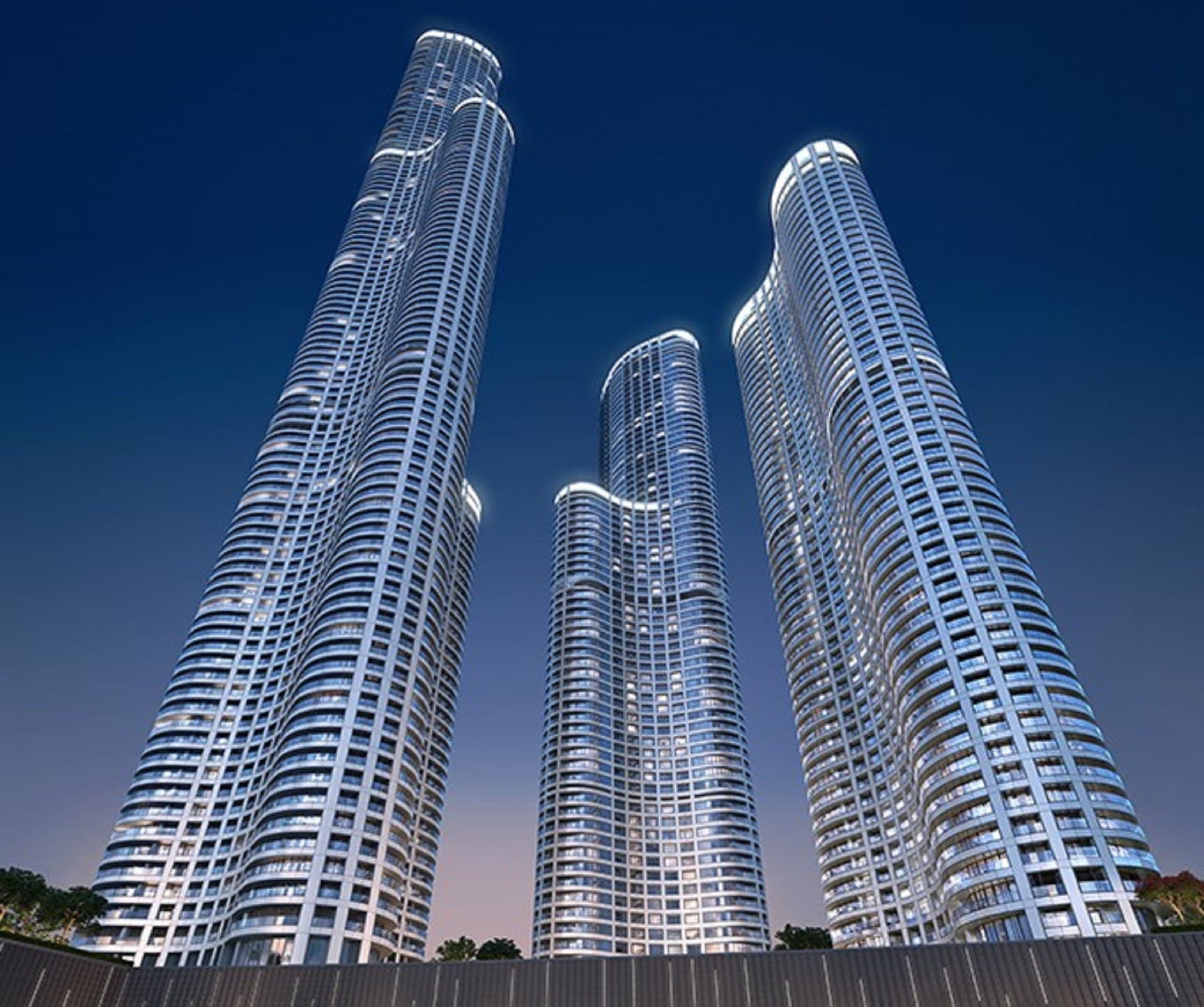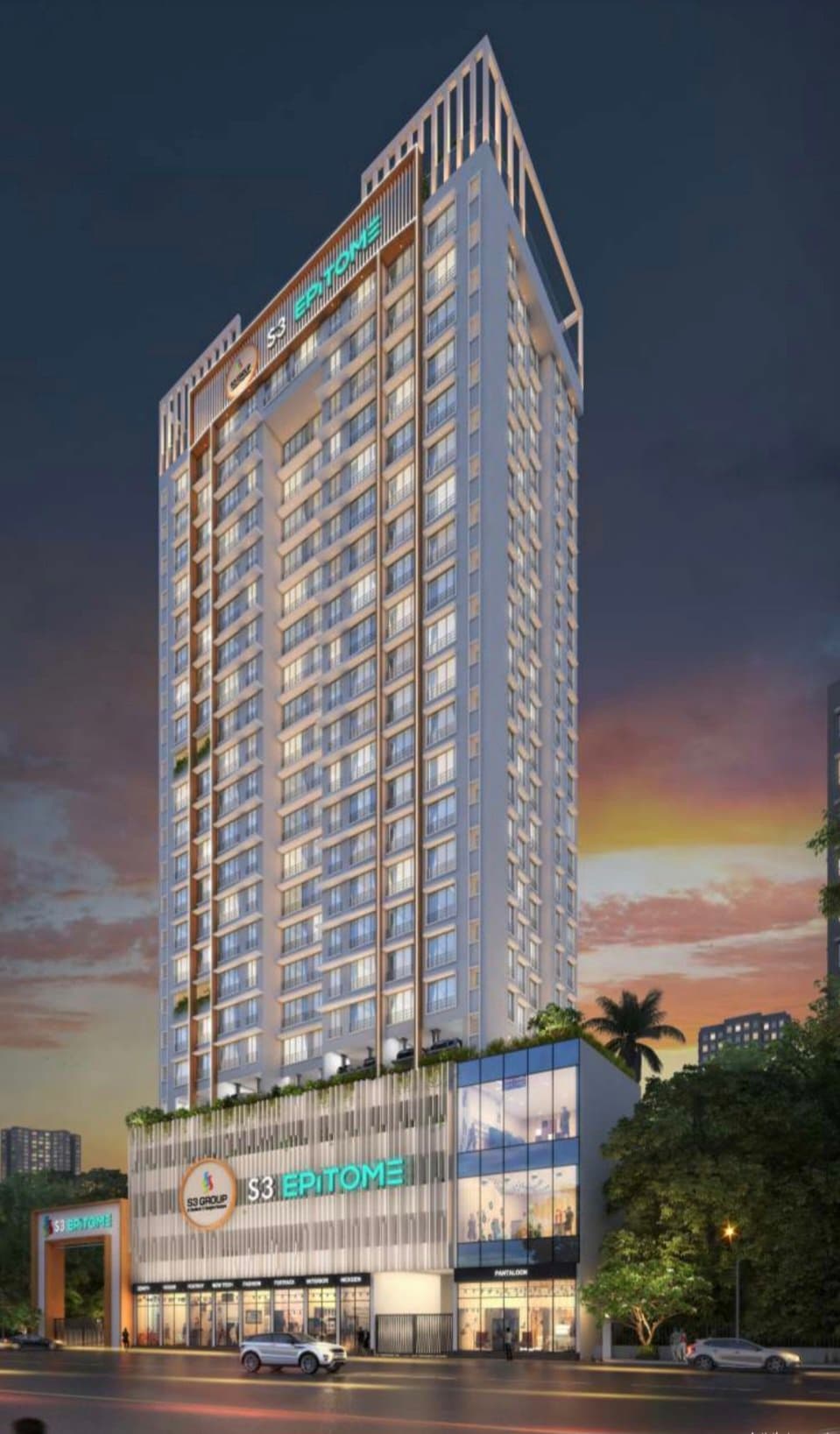
A Prabhadevi buyer at one of the corridor's premium 2024-launched sea-facing towers paid ₹14.6 Cr in early 2025 against a verbal sales-office commitment of two car parks (one stack, one podium), club membership free for three years, and an Italian-marble flooring upgrade at no charge. By handover in March 2026, one parking slot was a non-stack ramp-access pit, the club required an annual ₹4.5 lakh fee from day one, and the flooring was the standard Indian-marble package. The buyer had no written record of any of the three commitments. Property Butler eventually recovered two of the three through MahaRERA Section 12 brochure-as-representation precedent, but only because the original brochure carried language that could be argued as inclusive. This is the most common avoidable loss in Lower Parel and Prabhadevi primary-market buying — and there is a structured workflow that prevents it.
The structural problem buyers should understand
Sales-office representations in the corridor are typically made by relationship managers on commission, recorded nowhere, and unenforceable unless captured in writing. The registered agreement-for-sale incorporates a standard merger clause stating that the agreement supersedes all prior representations. Once you sign, the verbal floor changes from your starting position. MahaRERA Section 12 (misleading advertisement) and Section 18 (developer obligations) provide some recourse, but the burden of proof sits with the buyer. The fix is a structured pre-token workflow: extract every commitment into a written side letter or annexure before token cheque, and ensure those commitments survive the registration merger.
The categories of commitment most often broken in this corridor
Property Butler's survey of 134 corridor primary-market buyers from 2023-2025 launches identified these six categories where verbal-to-actual deviation is most common:
| Commitment category | Frequency of deviation | Typical value lost |
|---|---|---|
| Parking allocation (stack vs ramp vs podium) | 38% | ₹12-35 lakh per slot differential |
| Club membership and joining fee waiver | 26% | ₹3-10 lakh upfront, ₹50,000-2 lakh per annum |
| Floor or unit selection priority | 22% | ₹50 lakh - ₹2 Cr (view stack vs interior) |
| Interior fit-out upgrades (flooring, kitchen, fittings) | 19% | ₹6-25 lakh in retail-equivalent value |
| Possession-delay penalty rate | 17% | SBI MCLR vs flat 6% — material on 12-24 month delays |
| Cancellation refund mechanics and timeline | 14% | Forfeit fee 0% to 10% of consideration |
Note the parking and floor categories: a single parking slot in a high-end Prabhadevi sea-facing tower commands ₹35-55 lakh as a separate sale, and the differential between a stack-park slot adjacent to the lift core and a basement-3 ramp-park slot is real and recurring. Buyers told they would get a stack park sometimes find the actual allotment is structurally inferior.
The four-step pre-token workflow that captures verbal commitments
Step 1 — Email confirmation within 24 hours of the sales-office discussion. Before paying token, send the relationship manager an email summarising every commitment made: parking stack and slot, club membership terms, possession timeline and penalty rate, unit number, carpet area, view, floor, interior package, payment plan, transfer policy. Ask for written confirmation. Property Butler corridor experience: about 70% of relationship managers respond with confirmation when asked directly in writing; the other 30% deflect, which itself is a useful signal.
Step 2 — Side-letter or addendum to the booking application form. Once core commitments are confirmed, request that the booking application form attach an addendum capturing the specific commitments. Developers vary in their willingness — Tier-1 corridor developers (Lodha, Indiabulls, Marathon, Kalpataru, Rustomjee) typically agree on parking slot and floor allocation but resist interior fit-out commitments. The booking application form, signed by both parties, is treated under Maharashtra Contract Act as a binding pre-contract.
Step 3 — Insertion of commitments into the registered agreement. The agreement-for-sale registered at the sub-registrar must include the side-letter commitments either as a schedule or as integrated clauses. This is the critical move. Without integration, the standard agreement merger clause extinguishes the side letter post-registration. Property Butler insists on a non-merger clause for any pre-contract commitments: a typical formulation is the side-letter survives registration and is co-terminus with this agreement.
Step 4 — MahaRERA project page representation. Where the commitment is project-level rather than unit-level (club access policy, possession timeline, common amenity list), verify that the MahaRERA project page reflects it. Project pages are updated quarterly. Anything material that does not appear on the MahaRERA page within 90 days of your booking has lower enforceability downstream.
Hours of effort to lock down written commitments
8-14 hours pre-token
Versus 60-200 hours of post-handover litigation if a commitment is broken — Property Butler corridor cases, 2024-2026
What the MahaRERA precedent actually allows
Section 12 of RERA imposes liability on the promoter for any false or misleading representation in advertisements, brochures, or other promotional materials. The Maharashtra Real Estate Regulatory Authority has issued multiple orders in the corridor where a brochure representation was found to bind the developer even when the agreement was silent.
Key corridor MahaRERA precedents Property Butler advisors rely on: a Lower Parel high-rise developer was ordered in 2023 to honour a brochure-stated infinity-pool amenity that was deleted from the delivered project (compensation ordered at ₹12 lakh per affected flat); a Prabhadevi premium developer was ordered to refund ₹8 lakh per buyer for a club-access representation that was contradicted by the actual member-only operating model. The pattern: brochure-stated material amenities and amenities-as-pricing-justification are recoverable. Verbal-only commitments without any documentary trace are recoverable only via Consumer Forum and rarely yield more than partial compensation.
The brochure-as-representation rule and what it covers
✓ Likely enforceable via MahaRERA Section 12
- Specific amenities depicted in brochures or scale models
- Possession timelines printed in promotional material
- Carpet area discrepancies versus brochure
- Branded fittings shown in sample flat
- Project-level access to specific neighbouring amenities (shared club)
✗ Difficult to enforce without written backup
- Verbal commitments on a specific parking stack slot
- Verbal club-fee waivers
- Interior fit-out upgrades described in sales-office conversation
- Possession-penalty rate side commitments
- Future-developer-discretion items (top floor unit allotment promises)
The four most common side-letter clauses Property Butler insists on
Parking allocation specificity: Standard agreement says one car park; the side-letter specifies stack vs ramp, podium level, and slot number on a marked-up parking plan attached as schedule. Property Butler has seen the slot number itself become contested when the developer renumbered the parking plan after agreement — so the marked-up plan as schedule is non-negotiable.
Club membership and member-only fee structure: Specify joining fee (free, partial, full), annual fee for first three years, and member-only versus per-use pricing on specific facilities. Some corridor towers have a separate hospitality operator running the club with per-use pricing that is materially different from the buyer-was-promised model.
Possession-delay liquidated damages rate: Standard agreement says SBI MCLR or 6% flat — push for the higher of the two, capped at 9.5%, accruing from grace-period expiry. On a ₹6 Cr flat delayed 18 months, this is the difference between ₹54 lakh and ₹81 lakh in liquidated damages.
Cancellation refund mechanics: Booking application forms typically allow 5-10% forfeit. Side-letter should reduce this to 1-2% within 30 days of booking, escalating to no more than 5% beyond. This protects the buyer from a punitive forfeit if circumstances change pre-registration.
Buyer protection — and the practical limit of all of this
Even with the best pre-token workflow, three categories of commitments remain practically unenforceable without significant litigation cost. First, future-developer-discretion items — the salesperson saying we usually accommodate floor preferences for VIP buyers is not contract material. Second, third-party amenity access — promises about gym access at a hotel half a kilometre away, restaurant discounts at a developer-adjacent group, school priority admissions. These depend on cooperation from non-parties and rarely survive litigation. Third, future-resale liquidity claims — sales-office claims that the building will appreciate 14-18% per annum or that resale is easy. These are commercial puffery and not actionable.
The structural advantage of the four-step workflow is not that it guarantees every promise. It is that it shifts the burden of proof, captures the high-value commitments (the ones worth ₹10 lakh+ in delivered value), and creates a paper trail that makes MahaRERA Section 12 recoverable rather than aspirational.
Frequently Asked Questions
If I demand a written side-letter, will the developer walk away from the deal?
In Property Butler corridor experience, no — Tier-1 developers across Lower Parel and Prabhadevi treat written-commitment requests as ordinary professional buyer behaviour, particularly for ticket sizes above ₹5 Cr. About 8% of relationship managers will push back at the first request, but in nearly all cases the deal proceeds with the side-letter once the buyer holds firm. The 8% that refuse are themselves a screening signal — those developers tend to under-deliver on possession and amenities.
Should the side-letter be on the developer's letterhead or just an email?
Letterhead with company-authorised-signatory countersignature is best, but a clear, dated email from a senior-executive corporate email address (not just relationship-manager-personal) is reasonably reliable. Property Butler practice: request the side-letter on letterhead for any commitment exceeding ₹10 lakh in delivered value, accept email-only for smaller items but ensure the email confirms specific dollar value and contractual nature.
What if I have already paid token but the side-letter never got signed — what is my recovery path?
Three options in order of cost and time. First, raise the side-letter as a condition precedent to agreement registration — most developers will accommodate at this stage to avoid losing the registration revenue. Second, file a MahaRERA complaint under Section 18 within 90 days of identifying the deviation. Third, if all else fails, Consumer Forum recovery is available but typically takes 18-30 months and yields partial compensation. Most corridor side-letter recoveries are settled at stages one and two.
Does the side-letter survive a resale to a third party?
Standard side-letters are personal to the original buyer unless they specifically state they run with the flat. For a resale buyer to inherit the side-letter benefits, the side-letter must be assignable and must be specifically assigned in the resale agreement. Property Butler advises corridor sellers with valuable side-letter rights to either claim those rights pre-sale (for example, taking the parking slot or interior-fit-out value as cash) or to attach the side-letter to the resale agreement as a transferred annexure.
Can the developer revoke a side-letter unilaterally by claiming changed regulatory or cost circumstances?
Side-letters are binding contracts; unilateral revocation is not legally available. Developers sometimes argue force majeure or material change of circumstances — courts and MahaRERA have been generally unsympathetic to these arguments in the corridor where the underlying commitment was commercial rather than regulatory. The exception is where the commitment violates a subsequent regulatory change — for example, a side-letter promising a specific FSI-dependent amenity that is later disallowed by a development plan revision.
Related Reading from Property Butler
→ RERA Defect Liability and Snagging Handover Claims Playbook→ RERA Carpet vs Marketed Area Buyer Audit→ Possession Delay Penalty Clause Negotiation Playbook→ Token Refund and Cancellation Buyer Decoder→ Sample Flat vs Delivered Flat Deviation Decoder→ Lower Parel Area GuideBooking under construction in Lower Parel or Prabhadevi?
Property Butler walks every primary-market buyer through the four-step side-letter workflow before token. We have closed corridor agreements with documented side-letters worth ₹10 lakh - ₹2 Cr in protected delivered value.
Search Lower Parel & Prabhadevi Inventory