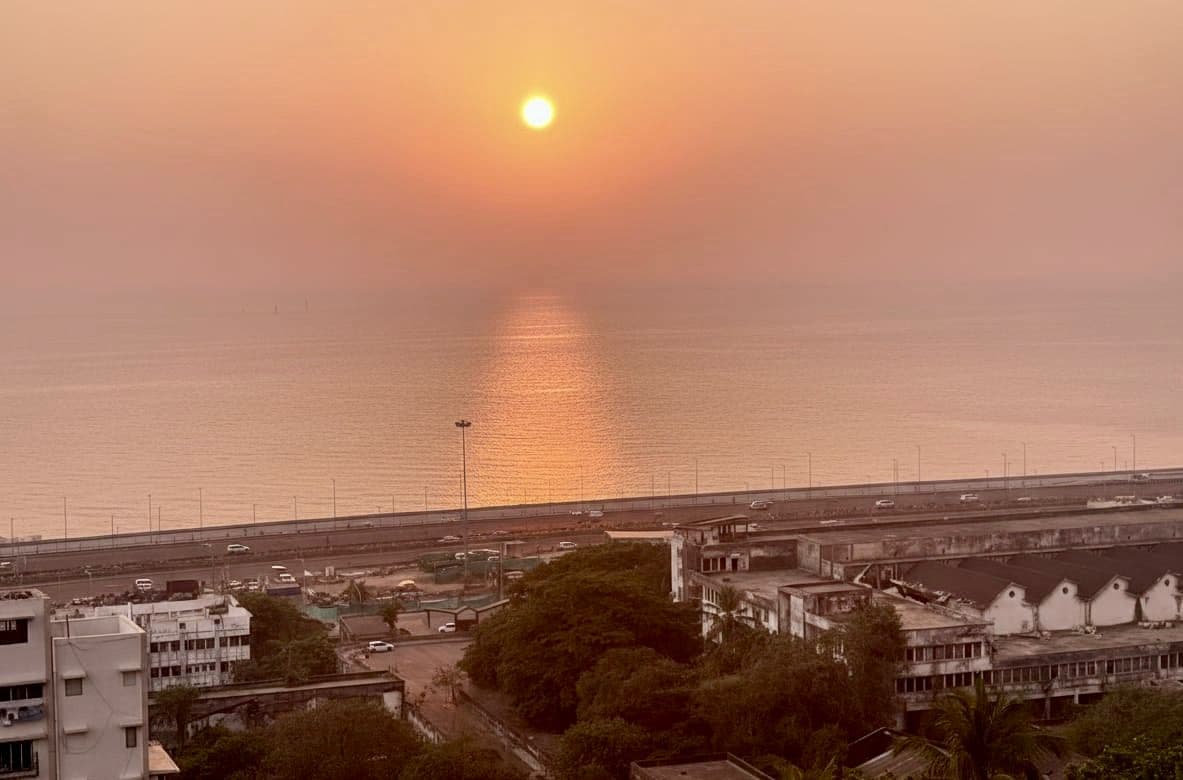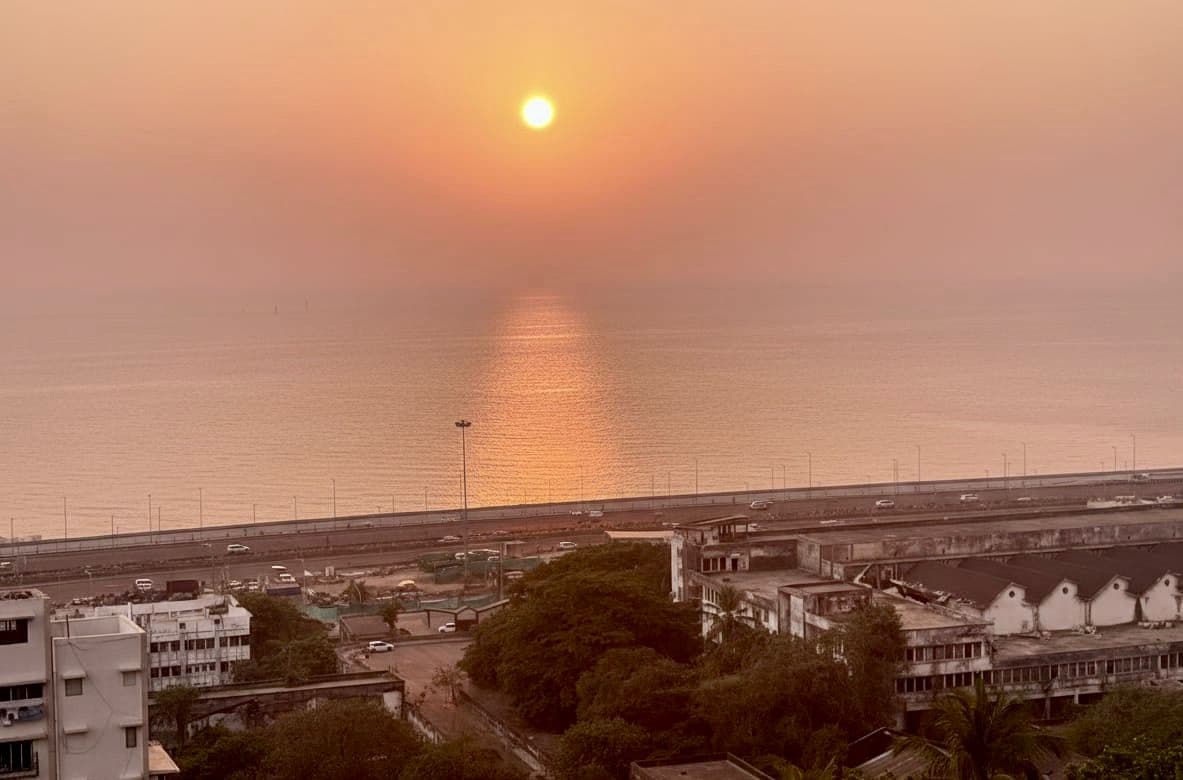
Four Tier-1 developers — Lodha, Birla Estates, K Raheja Corp, and Runwal — collectively account for roughly 62% of Property Butler's tracked active Worli supply in Q2 2026. This is unusually concentrated for a residential micro-market and has direct implications for buyer leverage, project quality dispersion, and the velocity of supply. This post decodes the Q2 2026 market share landscape — who is gaining, who is losing, and what buyers should do with the information.
The data anchor: across Property Butler's 96 active Worli listings, the developer-attributed inventory breaks down as follows when accounting for active listings, brand stack, and ongoing project pipeline.
Key Insight
Lodha alone controls roughly 28-32% of Worli's tracked active inventory through World Towers, World One, World Crest, World View, Adriana, Adrina, Trump Towers, Marquise, The Park, Kiara, and Parkside. This is the single highest developer concentration in any South Mumbai residential micro-market — and creates both pricing discipline and buyer-side concentration risk.
The Q2 2026 share map
| Developer | Tracked Active Supply | Project Footprint | Q2 2026 Direction |
|---|---|---|---|
| Lodha Group | 28-32% | 11+ projects across Worli | Stable, dominant |
| Birla Estates | 10-14% | Niyaara Phase 1+2, Centurion | Rising — Phase 2 launching |
| K Raheja Corp | 10-13% | Riviera, Riviere, Imperia, Atlantis, Artesia | Stable |
| Runwal | 7-10% | Raaya, The Reserve | Rising — new launch supply |
| Other Tier-1 / Tier-2 | ~38% | Hubtown, Indiabulls, Prestige, Embassy, Godrej, Omkar, Sugee, Kabra, Kalpataru | Fragmented |
Why developer concentration matters to a buyer
Most Worli buyers focus on building-level attributes — view, floor, configuration, amenity — and rarely think about the developer-portfolio context. They should. Concentration creates four buyer-relevant effects:
- Pricing discipline. A dominant developer can hold ask-prices firm even when smaller developers discount. Worli's Lodha-led concentration means primary-launch pricing rarely slips materially below the cluster benchmark — buyer leverage on builder-direct pricing is structurally compressed.
- Quality cluster effects. Concentrated developers tend to standardise specifications across their projects in the same micro-market. Lodha World One, World Crest, and World Towers share construction protocols, vendor partners, and post-handover service infrastructure — quality dispersion within the cluster is low.
- Resale liquidity skew. Concentrated developer stock has deeper resale demand from buyers who know the builder. Less-concentrated boutique buildings can offer better entry pricing but face thinner exit liquidity. Buyers should weigh entry discount against exit horizon.
- Concentration risk. When 28-32% of a micro-market depends on one developer's financial health, market-level risk can spike if that developer hits stress. Worli buyers should monitor Lodha's listed financials, cash flow disclosures, and debt servicing — not because of immediate concern but because the structural exposure is real.
Tier-1 vs boutique developer trade-off
Buying Tier-1 Lodha / Birla / Raheja
- Stronger resale liquidity
- Predictable handover quality
- Brand premium on rent
- Better society management at scale
- Less negotiation room (3-5% off ask)
Buying boutique / Tier-2
- Better entry pricing (7-12% off Tier-1)
- More floor / view choice
- Direct-with-developer relationships
- Thinner resale market
- Variable handover quality
Building-level rollup by developer
The concentration figures translate into specific tower-level positioning that buyers should recognise:
- Lodha (28-32%): Worli's super-prime stack — Lodha World One, Lodha World Crest, and Lodha World Towers dominate the ₹15-25 crore 4 BHK sea-facing band. Lodha Adriana and Lodha Adrina extend the new-construction frontier. Lodha Trump Towers and Lodha Marquise hold the branded-luxury floor. Lodha The Park and Kiara position at lower price points but inside the same brand network — the most diversified single-developer stack in any SoBo micro-market.
- Birla Estates (10-14%): Birla Niyaara Phase 1 and Phase 2 represent the boldest new-developer entry into Worli in five years. Phase 2's ₹34.73-47.6 crore positioning targets the trophy buyer who specifically wants a Lodha alternative. Birla Centurion is the commercial anchor that gives the brand corridor credibility.
- K Raheja Corp (10-13%): Raheja Riviera Tower remains the classic SoBo trophy address. Raheja Riviere Worli Skyline brings new high-rise stack. Raheja Imperia and Raheja Atlantis maintain mid-tier positioning. The Raheja brand's value is in continuity — buyers have decade-long visibility into building performance and society management.
- Runwal (7-10%): Runwal Raaya is the most-listed Worli project on portal data — 29+ active listings traced. Runwal The Reserve adds a second front. Pricing sits 5-9% below Lodha-Birla comparables; buyer leverage is meaningfully higher for direct negotiation.
The 18-month forward pipeline
Worli New Launch Pipeline — 18 Months Forward
Birla, Runwal lead net-new supply
Lodha's share consolidates; boutique developer activity narrows
Property Butler's tracked launch pipeline for Worli through Q4 2027 shows Birla Niyaara Phase 2, Runwal Raaya new wings, and selective Lodha re-launches as the principal supply additions. Boutique developer activity is narrowing — partly because of high land-acquisition costs in Worli, partly because Tier-1 brand premium has widened versus boutique offerings.
Net impact on share map by mid-2027: Lodha consolidates roughly to current levels (28-32%), Birla rises to 13-16% on Niyaara Phase 2 inflow, Runwal climbs to 10-13% on new wings, Raheja remains stable at 10-13%. The four-developer concentration could approach 67-72% by mid-2027.
What the buyer should actually do
Three practical positions for buyers reading the concentration data:
- Don't be developer-loyal — be view-loyal first. The dominant variable for Worli property performance over 5-10 years is view orientation (sea-facing vs internal). Developer brand matters second. Buy the right view in any Tier-1 building before optimising for which Tier-1 brand.
- Pay the brand premium when you intend to resell or rent. If exit liquidity matters to you in a 3-7 year window, Tier-1 stock pays for itself in faster sale velocity and stronger rental yield. If you intend to occupy for 10+ years, boutique developer pricing leverage can be attractive.
- Monitor Lodha-cluster concentration in your specific portfolio. If you already own one Lodha unit and are buying a second Worli property, consider diversifying developer brand to limit single-name exposure. This is the most under-applied portfolio principle in Worli HNI buying patterns.
Frequently Asked Questions
Is Lodha's Worli concentration a risk or a feature?
Both. For buyers, Lodha concentration delivers consistent product quality, branded resale liquidity, and predictable post-handover service. The risk is single-developer dependency at the cluster level — Worli's residential market sensitivity to Lodha's financial health is high. Buyers concerned about concentration can balance their Worli exposure across Lodha, Birla, Raheja, and Runwal to diversify within the trophy stack.
Will Birla Niyaara Phase 2 break Lodha's pricing hold?
Unlikely to break, but will compress the premium gap. Birla Niyaara Phase 2 ask-pricing in the ₹34.73-47.6 cr band positions Birla as a credible top-of-stack alternative to Lodha World Towers. The brand differentiator matters more than headline ask — Birla appeals to buyers who specifically don't want Lodha-cluster concentration in their portfolio. Net effect: 4-7% narrowing of Lodha premium over 18 months, not displacement.
Does Raheja's older Worli stock still hold value?
Yes, with caveats. Raheja Riviera Tower remains one of SoBo's most-desired addresses — vintage matters less than view and society quality for top-stack buildings. Raheja Riviere Worli Skyline is a newer high-end stack with strong sea-facing premium. Older Raheja buildings (Imperia, Atlantis) trade on view and floor — buyers must due-diligence each building specifically rather than relying on developer brand alone.
How does Runwal compare to Lodha at the same Worli PSF?
Runwal Raaya and The Reserve sit at a 5-9% PSF discount to comparable Lodha World Towers or Adriana units. Build quality is broadly comparable; design language is different; brand premium on resale is somewhat lower for Runwal than Lodha. Buyers prioritising entry pricing and indifferent to brand-loyalty effects on resale velocity should consider Runwal seriously — buyers who specifically need branded-trophy stock for resale or corporate-rental positioning should weight Lodha-Birla-Raheja first.
Should developer financial health be a buyer due-diligence item?
For under-construction buying: absolutely yes. For ready possession: less material but still relevant for post-handover service. Lodha is publicly listed and reports quarterly — financial health is visible. Birla Estates is part of Aditya Birla Group, also visible. Raheja is closely-held but with strong cash position. Runwal is unlisted but with established delivery record. All four are credit-quality-positive for buyer due-diligence purposes. Boutique developers warrant case-by-case review.
Related Reading
Worli Developer Track Record Deep Dive
Worli Lodha Developer Concentration Impact
Worli Builder Financial Health Q2 2026
Comparing developer options in Worli?
Property Butler tracks every active Worli project across all four Tier-1 developers. Talk to our SoBo team for tailored shortlists.
Compare Worli Developer Options