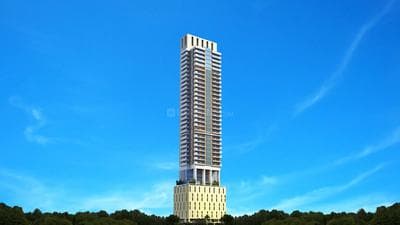
Worli enters the Q4 2026 window with three structural catalysts converging: the post-monsoon physical-inspection cycle resolving cleanly, developer year-end book-closure pressure intensifying through November-December, and the seasonal HNI tax-cycle bid window opening as families crystallise capital-gains exposures before 31 March 2027. Property Butler's forward read: Worli locality average PSF projected to advance from the Q3-end ₹73,200-76,400 band toward ₹74,800-78,200/sqft by 31 December 2026, a Q4 advance of 1.6-3.2% with strongest support in the modern post-2020-OC tier and continued sea-face premium widening.
Q4 2026 Headline Forecast
Worli locality average PSF projected to range ₹74,800-78,200 by 31 December 2026 (+1.6% to +3.2% versus Q3-end). Active sale listings expected to compress to 540-590 units (the year's tightest baseline). Median time-to-sale for ready-to-move 3 BHKs expected to tighten to 64-78 days. Pre-launch pipeline thin — modern-supply scarcity persists. November-December produces the year's two highest-realisation listing months for sellers; the late-December window produces the year's two best buy-side negotiation weeks for fast-cash bidders.
The Q3 carry-over picture
Worli's Q3 2026 closed with the monsoon-inspection cycle producing the expected 2-4% buyer-side leverage on weather-stressed towers and the corporate-rental peak lifting July-August rental asks 3-5%. PSFs at the locality level moved through the projected ₹73,200-76,400 band. Active sale listings compressed to roughly 580-640 units. Hubtown Celeste, Lodha World View, the Embassy Citadel cluster and the Raheja Imperia / Raheja Riviera Tower group retained pricing tightness through Q3. Birla Niyaara Phase 2 added units gradually. Coastal Road Phase 2 milestones progressed on schedule. Q4 inherits this baseline with no acute correction risk priced in and developer year-end pressure as the dominant Q4-specific catalyst.
Driver one — Developer year-end book-closure pressure
This is the Q4-defining catalyst for Worli. Tier-1 developers (Lodha, Birla, Prestige, Godrej, Raheja and the boutique cluster) all run on March-end fiscal calendars. The November-January window is when sales-volume targets crystallise and pricing flexibility temporarily widens. Property Butler tracks this every year — developer-direct sale prices on slow-moving inventory typically soften 4-7% in the last 60 days of the calendar year, sometimes more on inventory that has been on the active set for 9+ months. Worli's modern supply is now 35-40% compressed versus Q3 2025 baseline, which limits the universe of developer-direct softening — but for buyers focused on specific towers with extended DOM, this is the year's tightest discount window.
The secondary market behaves differently. Resellers tend to hold pricing through October-November but soften November-end through December for tax-clearance-driven sales. Property Butler's data shows reseller-side flexibility widening 2-4% in the December-end window specifically for sellers who have triggered capital-gains exposures earlier in the year and need to anchor at completion before 31 March.
Driver two — The HNI tax-cycle bid window
October through December is the year's most rational window for HNI buyers to deploy capital into Worli for tax-aware reasons. Three structural drivers converge: (1) capital-gains shelter under Section 54 / 54F / 54EC requires reinvestment within defined windows, and Q4 is the natural pivot quarter for gains realised in the April-September window; (2) family-trust and HUF asset-allocation decisions tend to crystallise before fiscal year-end; (3) gift-deed and inter-spouse transfer arrangements anchor on December-January for capital-gains-year-end clarity. Property Butler's lead-flow analysis shows Q4 HNI inquiry volume running 1.3-1.5x the trailing six-month average — and conversion rates running 18-24% higher than spring quarters because the buyer cohort has clearer tax-driven deadlines.
| Q4 2026 Driver | Expected Direction | Magnitude | Time to Effect |
|---|---|---|---|
| Developer year-end book-closure pressure | Tactical developer-direct softening | -4% to -7% on extended-DOM inventory | November - December |
| HNI tax-cycle bid window | Demand intensification | +2% to +3% PSF support | October - mid-December |
| Diwali festive-period closures | Auspicious-day transaction clustering | +1.5% to +2.5% PSF | Oct 18 - Nov 4 window |
| Pre-2027 launch pipeline tightening | Modern-tier choice compression | +1% to +2% PSF in post-2020 stock | Q4 throughout |
| Late-December cash-bid window | Buyer-side leverage on aged listings | -3% to -5% on 6-month+ DOM | Dec 18 - Jan 8 |
| Coastal Road Phase 2 continued progress | Sea-face premium widening | +1% to +2% PSF | Q4 cumulative |
Driver three — Pre-2027 launch pipeline tightening
Property Butler's pipeline tracker shows Q4 2026 will likely deliver only 1-2 fresh Worli launches, none of which feed inventory to the resale set within the quarter. The 2027 calendar then opens with a denser launch pipeline — the Birla Niyaara Phase 2 Tower B handover cycle, the Lodha Adrina balance towers, the Runwal Raaya tail inventory, and 2-3 boutique pre-launches that have been in pre-RERA filing through 2026. The implication: Q4 is the last quarter of the structural supply tightness in modern-tier Worli stock before the 2027 release cycle. Buyers who need modern-supply specifically face a window where waiting for 2027 may produce more choice but pricing has already advanced through the supply-tight 2026 cycle. Sellers of 2018-2020-OC modern stock face their final tightest-supply pricing window.
Q4 2026 Tracked Indicators
74,800-78,200 ₹/sqft
Active listings: 540-590 · Median 3 BHK DOM: 64-78 days · Q4 PSF advance: +1.6% to +3.2%
The Q4 supply-side picture
Q4 opens with active supply already structurally compressed. Property Butler models the active-listing count moving from a Q3-end 580-640 range to a Q4-end 540-590 range. Lodha The Park (currently the highest-volume secondary inventory with 73 active units in the tracked set) and Lodha Adrina (56 active units) continue to dominate secondary supply rotation. The Raheja Imperia / Raheja Riviera Tower cluster (combined 23 active units) feeds steady sea-front 4-5 BHK supply. Birla Niyaara phase 2 (9 units actively listed) adds modern inventory gradually. The Lodha Kiara, Lodha Trump Tower and Lodha World Towers cluster collectively contribute another 30+ active units. Hubtown Celeste, Embassy Citadel and Indiabulls Blu retain pricing tightness as boutique-supply anchors. The deep-Lodha-cluster trade-off remains the year's primary buyer decision: cluster-concentrated towers offer choice and faster DOM, boutique towers offer pricing distinctiveness.
The demand-side picture
Property Butler's lead-flow analysis breaks Q4 2026 demand into five active cohorts. UHNI primary-residence buyers (₹15-30 Cr ticket band) remain the largest cohort, intensifying as tax-cycle timing kicks in. Family-trust portfolio diversifiers form 12-15% of Q4 inquiry volume — typically clustered around fiscal-year-end planning. NRI returnees feed roughly 18-22% of Q4 lead volume, with December-January physical-inspection visits aligning to year-end India trips. Corporate-housing portfolio buyers occupy a smaller but high-conviction tail. Yield investors complete the cohort, increasingly active in the 2 BHK ₹4-6 Cr entry segment as the post-2020-OC tier consolidates.
✓ Active Q4 Buyer Cohorts
- UHNI primary residence — 38-42% of lead volume
- Tax-cycle capital-gains reinvestors — 18-22%
- Family-trust portfolio diversification — 12-15%
- NRI returnees (year-end India visits) — 15-18%
- Yield investors (post-2020 OC, 2 BHK entry) — 8-10%
- Corporate housing portfolio buyers — 4-6%
⚠ Quieter Q4 Buyer Cohorts
- First-time SoBo buyers — pushed to 2027 by pricing
- Pre-launch speculators — pipeline thin
- Sub-₹6 Cr Worli aspirants — entry segment scarce
- Mid-construction risk-takers — Q4 favours ready-to-move
- Pure-yield investors at sub-3% gross caps
The Q4 buyer playbook
- Pre-position the cash file before October 15. The October-mid-November festive window favours fast-close buyers. Pre-arranged jumbo mortgages, KYC stack, demand-draft staging — all should be ready before Diwali week. Buyers who close in the Diwali auspicious window often capture sellers willing to compress on date-priority rather than price.
- Run the December 18-January 8 cash-bid sweep on aged listings. This is the year's single best discount window. Listings with 180+ day DOM, particularly in the deep-Lodha cluster, soften 3-5% in this window. Cash-bid offers with 30-day completion close above 70% of the time at the softened mark.
- Take developer-direct meetings in November. November is when sales-team year-end pressure is real but year-end book-closure flexibility hasn't fully crystallised. A serious buyer with a clean cash position and decision-readiness gets the year's first wave of soft-launch incentives, payment-plan flexibility, and (in some cases) allotment-tier upgrades.
- Don't wait for 2027 if your tower preference is set. The 2027 launch pipeline will reset modern-tier supply but pricing has already advanced through 2026's tightness. If your target is a specific 2018-2022 OC tower with limited supply, Q4 is structurally the last tightest-supply quarter before 2027 launches partially reset choice.
- Coordinate registration timing with stamp-duty year-end. Maharashtra's Ready Reckoner cycle resets on 1 April annually. Registration before 31 March 2027 anchors your stamp-duty basis to the current RR. The implication: completion timing matters as much as bid timing in Q4.
The Q4 seller playbook
- Anchor list price to the festive-window peak, not the December bargain hunt. Q4 sellers who anchor to mid-October-to-mid-November realisations capture 2-3% more than sellers who anchor to December competitive-discount-window pricing. Pricing is a function of when buyers are willing to pay full ask, not when sellers feel pressure.
- Optimise listing-photo and inspection-narrative quality before October 1. Q4 buyer pools include the year's most tax-deadline-driven cohort. They make decisions on listing-quality cues. Inspection-ready file, recent waterproofing, society audit — all should be in the seller's hand before listing.
- Test corporate-rental hatch as fallback only after mid-December. Unlike Q3, Q4 corporate rental absorption tapers. Sellers who switch to rental in Q4 typically pay a 4-7% rental discount versus the Q3 peak. Hold the sale listing through year-end if cash flow tolerates it.
- Watch the post-15-December buyer behaviour shift. Cash-bid offers below 92% of ask in this window are common but typically clear at 94-95% if the seller holds. Tax-deadline-driven buyers will rationalise to clear if completion is on the table.
The risk scenarios
Property Butler's base-case Q4 forecast assumes no acute correction triggers. Three risk scenarios could materially alter the outlook. (1) An RBI rate decision in early October producing a surprise 25 bps hike — would compress UHNI carry-cost mathematics on jumbo mortgages and push 8-12% of leveraged buyers to pause. (2) An Indian equity-market sustained correction in the 12-18% range affecting UHNI wealth-effect cash deployment — historically reduces Worli bid prices 3-6% within 8-12 weeks. (3) A Coastal Road Phase 2 delivery delay or BMC infrastructure-disclosure event — would temporarily remove the connectivity tailwind. None of these are base-case probabilities, but Q4 is wealth-effect-sensitive and worth tracking.
The 2027 forward bridge
Q4 2026 is the bridge into a structurally different 2027 supply cycle. Property Butler's pipeline tracker shows 2027 likely producing 200-280 fresh units across Birla Niyaara Phase 2 tail, Lodha Adrina balance towers, Lodha Kiara tail and Runwal Raaya tail. That partially resets the modern-tier supply tightness that has defined 2026. Pricing implication: the Q4 2026-to-Q2 2027 cumulative PSF advance is likely 3-5% with the new-supply absorption then producing a temporary 1-2 quarter pause through mid-2027. Buyers thinking in 12-24 month windows should weigh 'buy in Q4 2026 at tight supply' against 'wait to mid-2027 for choice but accept higher pricing'.
Frequently Asked Questions
Where will Worli PSF land by end-Q4 2026?
Property Butler's base-case projection is a Worli locality average of ₹74,800-78,200/sqft by 31 December 2026, representing 1.6% to 3.2% growth versus the projected Q3-end ₹73,200-76,400 baseline. Sea-face premium towers will price proportionally higher within this range. Post-2020-OC modern stock retains structural pricing tightness; deep-Lodha-cluster towers see more buyer-side negotiation room in the December window.
When is the best buyer window in Q4 2026?
Two windows. October 15-November 15 (festive window) favours fast-close buyers who can compress on date rather than price. December 18-January 8 (late-quarter cash-bid window) favours buyers targeting aged listings with 180+ day DOM at 3-5% softening. The November developer-direct meeting window is structurally distinct from both — it's when year-end book pressure starts widening developer flexibility.
Should I wait for 2027 launches instead?
Depends on your tower preference set. For buyers open to a wider tower mix, waiting until mid-2027 produces meaningfully more choice as the launch pipeline opens — but pricing will have advanced 3-5%. For buyers with a specific 2018-2022 OC tower preference, Q4 2026 is structurally the last tightest-supply window. The waiting trade is supply-vs-price; the answer is buyer-specific.
How does the Diwali window affect transaction timing?
The mid-October-to-mid-November auspicious-day cluster produces visible transaction concentration. Sellers tend to anchor list price upward during this window. Buyers in this window are typically less price-sensitive and more date-sensitive — they will pay 1.5-2.5% premium for closure on an auspicious date. The implication for buyers: if date-flexibility is available, transacting either side of the Diwali window is more cost-effective than transacting within it.
What does developer-direct year-end pressure look like in practice?
Quietly, not publicly. Tier-1 developers rarely publish discount sheets — but November-December buyers willing to commit on near-term registration windows access tactical price flexibility, payment-plan softening, allotment-tier upgrades and parking/storage bundling. The flexibility is rarely a headline price cut; it is typically 3-5% on the all-in cost through indirect levers (extended subvention, GST absorption, club-fee waiver, premium-floor upgrade).
Want a Q4 2026 buyer-side or seller-side strategy session?
Property Butler tracks live Worli supply, demand, and PSF movements daily. We model your specific tower, configuration, and timing window for the Q4 festive and year-end cycle.
Search Worli Q4 Inventory