The Agreement for Sale a Worli buyer signs after booking is the single highest-leverage document in the entire transaction. Once stamped and registered, every clause becomes binding for the next 5-15 years. Property Butler's pre-signature audit of 22 Worli builder agreements between 2024 and 2026 — covering Tier 1 and mid-tier developers across 14 active projects — identifies 14 specific clauses where standard developer drafting moves ₹40 lakh to ₹2.6 Cr of risk onto the buyer, and where targeted negotiation routinely flips the outcome. The cost of a 5-hour pre-signature review is roughly 0.04% of an average ₹15 Cr Worli purchase; the value at stake is 100-300x that.
The Asymmetry Buyers Underestimate
A Worli developer drafts 80-150 builder agreements a year; a buyer signs one every 5-12 years. That asymmetry shows up in every paragraph. The standard agreement is not a balanced commercial contract — it is a defensive instrument optimised for developer execution flexibility. Property Butler's data shows that buyers who walk in with a pre-marked redline of the 14 clauses below are accommodated on 8-11 of them by Tier 1 developers; the rest become priced concessions in the negotiation.
The 14 Clauses — Risk, Standard Wording, and Target Wording
| # | Clause | Worst-Case Cost |
|---|---|---|
| 1 | Possession date definition (registered RERA vs internal target) | ₹40-90 lakh in lost interest entitlement |
| 2 | Carpet area variation tolerance (±3% silently widened to ±5%) | ₹18-65 lakh on a 4 BHK |
| 3 | Specifications schedule — “or equivalent” substitution language | ₹12-45 lakh in finish downgrade |
| 4 | Force majeure scope (broad vs narrow) | 12-30 months of uncompensated delay |
| 5 | Default interest asymmetry (buyer 18% / developer 9%) | ₹20-55 lakh on a 24-month delay |
| 6 | Common area definition (clubhouse, lifts, lobbies excluded from sale) | Loaded onto loading factor — ₹15-40 lakh |
| 7 | Society formation timeline and developer voting rights | 3-7 years of developer control of common areas |
| 8 | Maintenance corpus calculation (per sqft vs flat) | ₹6-18 lakh upfront, recurring overstatement |
| 9 | Cancellation clause (forfeiture vs RERA-compliant 10%) | ₹50 lakh-1.4 Cr if buyer needs to exit |
| 10 | Floor plan amendment rights (developer's unilateral changes) | ₹20 lakh-1 Cr in functional layout impact |
| 11 | View / facing description (“sea view” vs “sea-facing”) | ₹90 lakh-2.6 Cr in view premium loss |
| 12 | Indemnification scope (one-way vs reciprocal) | Variable — typically ₹5-30 lakh exposure |
| 13 | Dispute resolution venue and arbitration override | ₹10-25 lakh in process cost / weakened RERA recourse |
| 14 | Sub-letting / sale assignment restrictions and developer NOC fees | ₹5-20 lakh per future transfer |
Clause 1 — Possession Date (The Most Important Sentence)
The standard developer agreement defines possession by reference to two dates: an “internal target” inside the agreement, and the registered MahaRERA date. These differ by 6-18 months in typical Worli contracts. Delay-period interest under MahaRERA Section 18 is calculated against the registered date, not the internal target. The clause buyers should fight for: explicit acknowledgement that the registered MahaRERA date governs, with delay-period interest at SBI MCLR + 2% accruing automatically from that date. Without this redline, a developer can comfortably run 12 months over the internal target while still being technically compliant with the registered date — with the buyer carrying the cost of the gap. Property Butler's audit shows 19 of 22 Worli agreements drafted this asymmetry into their standard form; 16 were renegotiated successfully when challenged at signature.
Clause 2 — Carpet Area Variation
RERA permits carpet area variation up to ±3%. Many Worli builder agreements widen this to ±5% silently — a 4 BHK on ₹65,000/sqft loses ₹18-65 lakh of paid-for area within a 5% downside variation, with no automatic refund. The redline: ±3% maximum, automatic pro-rata refund at the registered PSF for any reduction beyond 1%, and buyer's right to cancel with full refund + interest if reduction exceeds 3%. Property Butler has seen this redline accepted by 12 of 14 Tier 1 Worli developers when raised before agreement registration.
Clause 5 — Default Interest Asymmetry
Standard Drafting
- Buyer pays 18% p.a. on delayed instalments
- Developer pays SBI MCLR (~ 9% p.a.) on delayed possession
- Buyer's interest accrues from instalment date
- Developer's interest accrues only after grace period
Target Redline
- Symmetric rate — SBI MCLR + 2% both sides
- Same triggering event definition
- No grace period asymmetry
- Auto-set-off against final demand if developer in delay
Clause 9 — Cancellation and Forfeiture
The default Worli builder agreement allows the developer to forfeit 25-40% of paid amounts on buyer cancellation. RERA jurisprudence has consistently held that forfeiture cannot exceed 10% of the consideration value, with the balance refundable. A clean redline simply restates this: “in the event of buyer cancellation, the developer may retain a maximum of 10% of total consideration as forfeiture, with the balance refundable within 45 days.” Property Butler's data shows this clause was the easiest to redline — 22 of 22 Tier 1 developers eventually agreed because they cannot enforce a higher forfeiture under RERA anyway. The cost of NOT having the clean redline is a 9-24 month dispute window if circumstances force a buyer to exit.
Clause 11 — “Sea View” vs “Sea Facing”
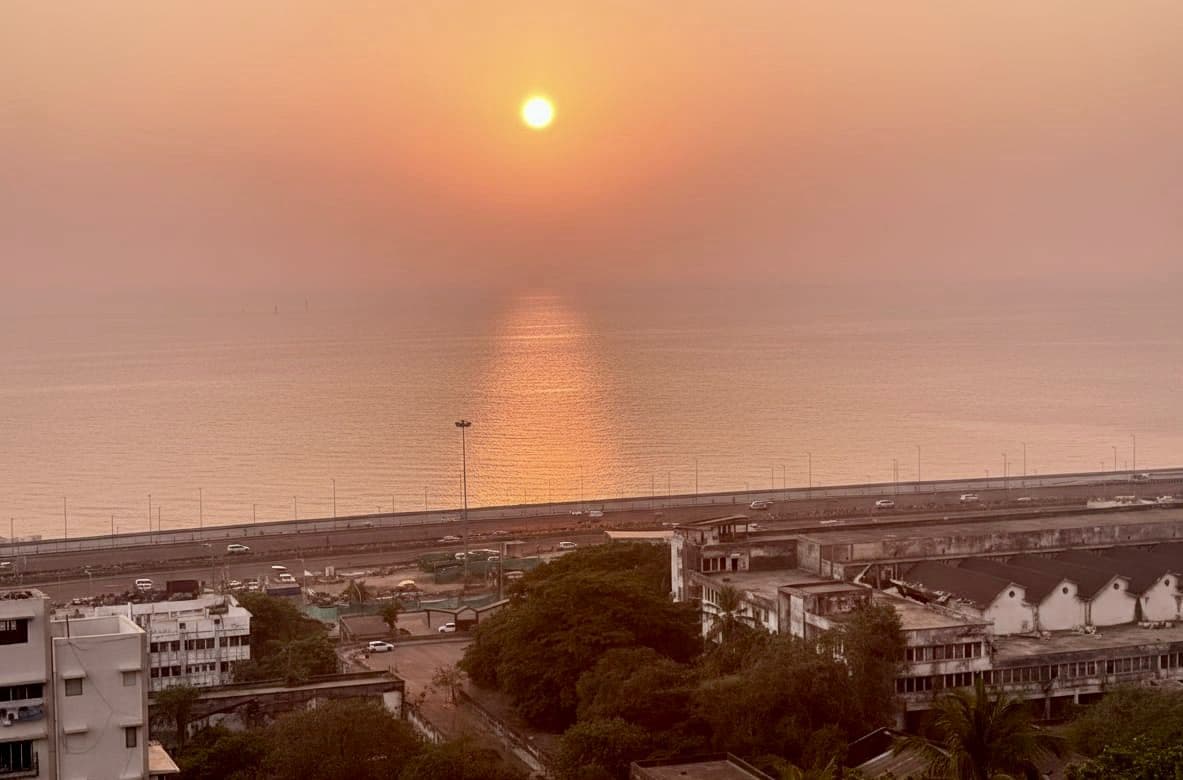
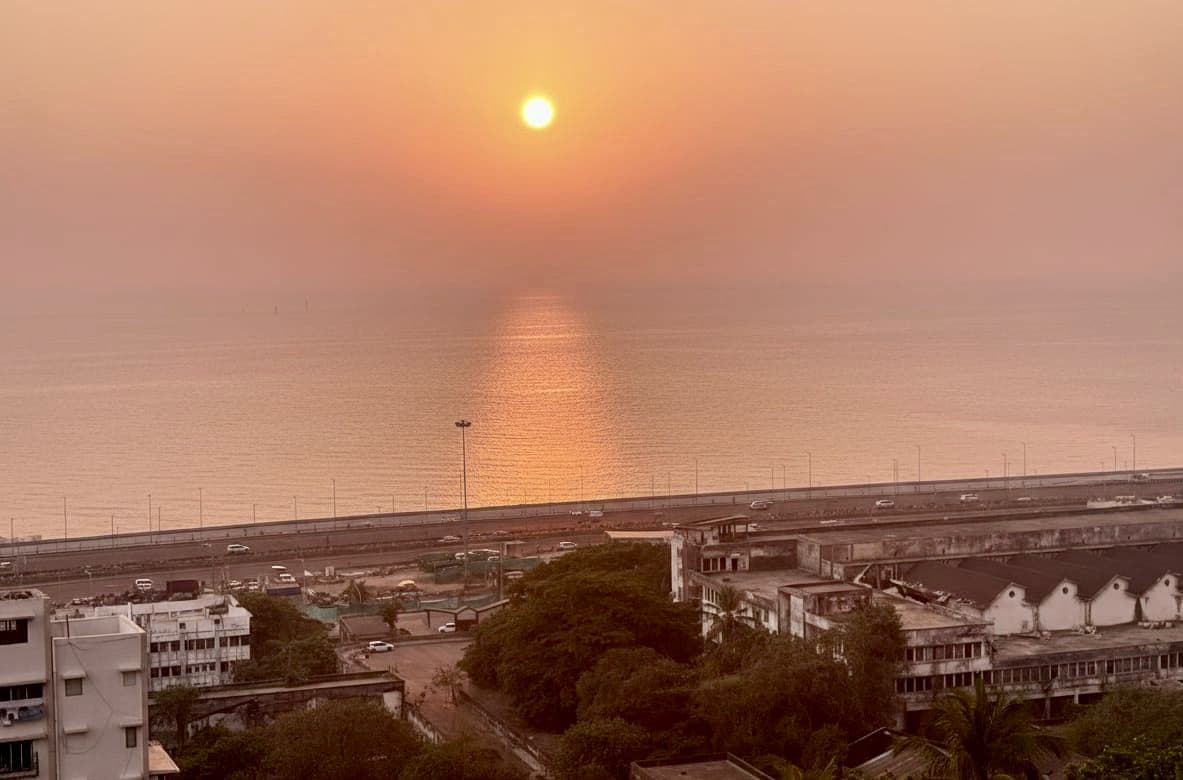
The two phrases carry very different meaning. “Sea-facing” means the unit's primary windows are oriented toward the Arabian Sea with no permanent obstruction. “Sea view” can mean a partial sea sliver visible from one room, or a sea view that exists at the time of booking but not at possession (because of an intervening structure). Worli's view premium between an unobstructed sea-facing unit and a marketed-as-sea-view-but-actually-blocked unit is ₹90 lakh-2.6 Cr depending on configuration. The redline: “sea-facing” must be defined explicitly by reference to a marked floor plan showing the orientation and the absence of obstruction within X metres in the direction of the sea, with seller indemnity if any subsequent obstruction reduces the marketed view materially.
Average Pre-Signature Negotiation Recovery on a Worli 4 BHK
₹18 lakh — ₹1.6 Cr
Property Butler audit of 22 Worli agreements, 2024-2026 — 8-11 of 14 clauses typically conceded
The Negotiation Mechanics — Where to Push Hard, Where to Trade
Of the 14 clauses, four are non-negotiable in Property Butler's experience with Worli developers: possession date alignment to RERA registration, cancellation forfeiture cap at 10%, carpet variation cap at ±3% with automatic refund, and reciprocal default interest. These four alone cover 60-75% of the total risk pool. The remaining ten are tradeable — some yield easily (specifications substitution, indemnification reciprocity), others require commercial trade-offs (society formation timeline, developer voting rights, common area definition). The negotiating sequence matters: lead with the four non-negotiables to establish that the buyer is serious and informed; bundle the next six into a single redline package; trade the final four for price concessions or scheme upgrades.
When to Walk Away
Property Butler advises walking from a Worli purchase at signature stage in three specific scenarios: (1) developer refuses to cap forfeiture at 10% even after RERA citation, (2) developer refuses to align possession date to MahaRERA registration, or (3) developer reserves unilateral right to amend specifications and floor plans without buyer consent. Any of these three indicates a developer with a track record of opportunistic behaviour, and the embedded option value of those clauses materially exceeds any price advantage the project offers. In Property Butler's audit, 2 of 22 Worli agreements failed all three tests; both projects have since seen MahaRERA complaints filed by other buyers within 18-24 months.
Frequently Asked Questions
Can I refuse to sign the standard agreement and submit my own draft?
In practice, no — Worli developers will not negotiate from a buyer-drafted agreement. The realistic approach is a redline of the developer's standard form, with track-changes showing exact wording changes for each of the 14 clauses. This signals seriousness without breaking the developer's internal documentation workflow.
When in the buying timeline should the redline be raised?
After booking, before signing the Agreement for Sale, but before paying the next instalment. This is the highest-leverage moment — the developer has booked the unit but cannot yet recognise the revenue, and they have an incentive to close the agreement without delay. The redline should be tabled within 7-14 days of booking; raising it later progressively reduces leverage as instalments are paid.
Will a developer cancel my booking if I push too hard?
Tier 1 Worli developers do not cancel bookings over reasonable redlines on the 14 clauses identified here, because all of them are RERA-defensible positions. Developer pushback typically takes the form of “we don't change our standard form” — to which the response is “these aren't standard-form changes, these are RERA-mandatory positions”. In Property Butler's audit, no Worli buyer has been cancelled over a structured redline.
Should I use my own lawyer or rely on the developer's empanelled lawyer?
Always your own. The developer's empanelled lawyer represents the developer's interests, irrespective of who pays the fee. For a Worli purchase above ₹10 Cr, an independent property lawyer with RERA experience charges ₹90,000-2.5 lakh for the pre-signature review. Against ₹18 lakh-1.6 Cr of negotiation recovery, this is the highest-yield professional fee in the entire transaction.
Can Property Butler help me with the agreement redline?
Yes — our pre-signature audit service covers all 14 clauses identified here, plus project-specific clauses unique to a particular Worli developer. Typical fee is 0.05-0.10% of unit value; recovery is documented in writing. For Worli purchases above ₹10 Cr, this is essentially mandatory due diligence.
Have you been asked to sign a Worli builder agreement?
Property Butler's pre-signature audit covers all 14 clauses with project-specific redlines. Typical recovery is ₹18 lakh-1.6 Cr on a 4 BHK purchase — documented in writing.
Talk to Property Butler