Of the eight roads that frame the Lower Parel address book, only four junctions actually determine how long a resident spends in traffic on a weekday morning. Property Butler's commute mapping across 36 office trips by tracked buyers between February and May 2026 shows that roughly 80% of all peak-hour delay between a Lower Parel home and a BKC, Worli or Fort office happens inside a 1.2 km box around these four junctions: Senapati Bapat Marg / Pandurang Budhkar Marg, Tulsi Pipe Road / Curry Road junction, Worli Naka / Annie Besant Road, and the Lower Parel Junction East-West underpass. Choosing the right address inside this corridor is, in large part, a question of which of these four junctions your building sits on.
May 2026 Junction Pain Index — Lower Parel Corridor
Worst peak window: 8:55-10:10 AM weekdays | Highest delay: Worli Naka northbound (avg 14 min wait at signal) | Most volatile: Tulsi Pipe Road / Curry Road (range 4-22 min) | Best-engineered: Lower Parel Junction underpass (avg 3 min) | Quietest: Senapati Bapat Marg northbound past Phoenix (avg 6 min). All numbers from Property Butler's commute-tracked buyer cohort.
Junction 1 — Senapati Bapat Marg / Pandurang Budhkar Marg
The defining junction of mid-Lower Parel. Senapati Bapat Marg is the arterial connecting Mahalaxmi to Worli; Pandurang Budhkar Marg cuts west from Worli Naka into the BDD chawl redevelopment zone. The junction sits between Phoenix Palladium / High Street Phoenix on the east side and Kamala Mills compound on the west side, which means it bears the cumulative weekday load of office traffic, mall traffic (highest Friday-Sunday), and the spillover from Worli Sea Link entry queues at peak commute hours.
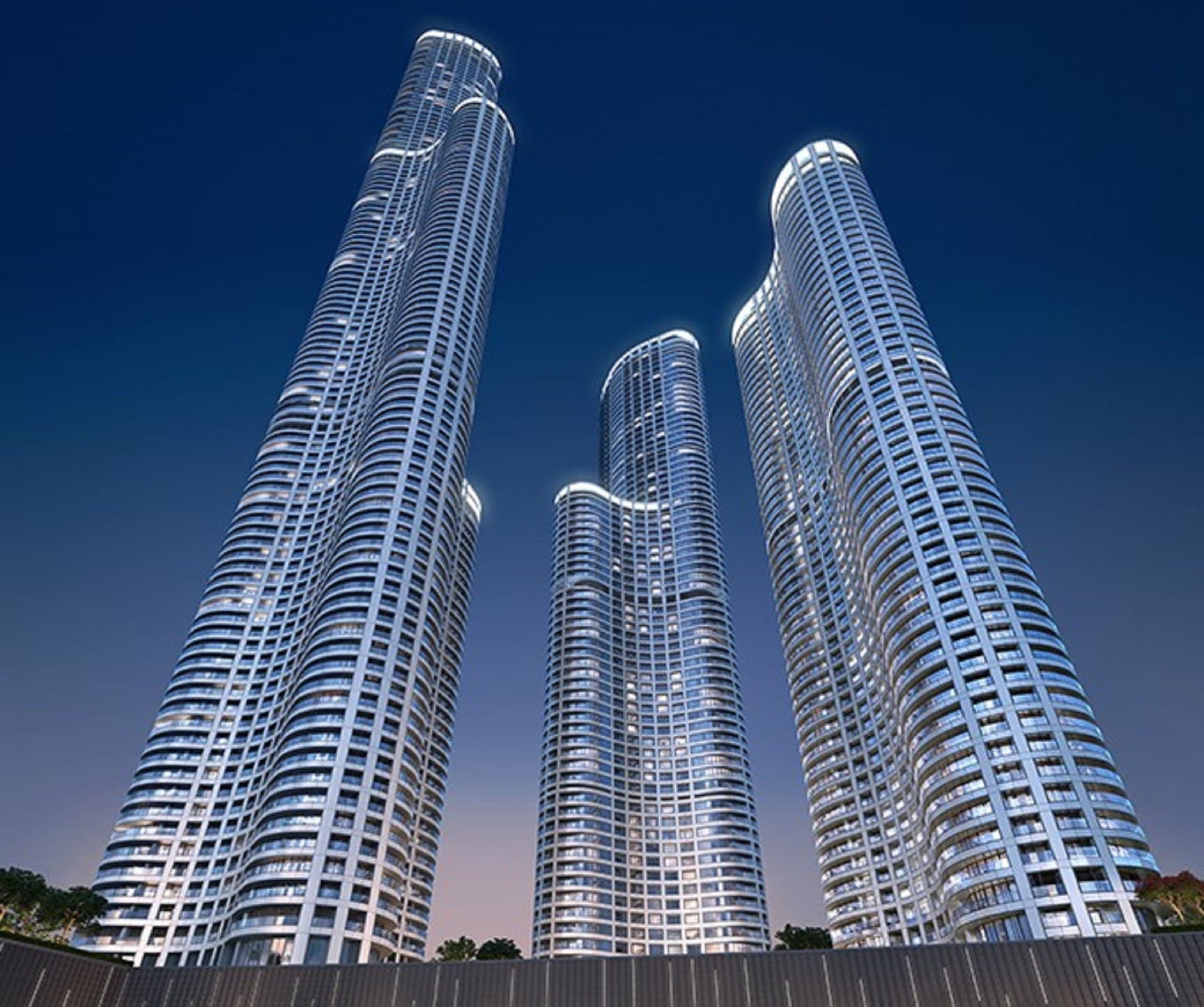
Buildings within 250m of this junction: One Avighna Park, Lodha World Towers, Lodha World Crest, Lodha Ciel (under construction), Indiabulls Sky Forest, Marathon Futurex. Property Butler's tracked buyer cohort spends an average of 7-11 minutes clearing this junction in either direction during 9-10 AM and 6:30-8 PM windows. Saturday afternoon peak (mall-driven) adds another 4-6 minutes. The directional asymmetry matters: westbound from Phoenix toward Worli Naka is roughly twice as bad as eastbound from Worli toward Phoenix.
Junction 2 — Tulsi Pipe Road / Curry Road
The most volatile junction in this corridor. Tulsi Pipe Road runs north-south parallel to the Western Railway tracks, connecting north Lower Parel to Mahim and Bandra. Curry Road station sits 80m east of the junction, which means the junction bears auto-rickshaw congestion, second-class commuter foot traffic from the station, and through-traffic running between northern Lower Parel and southern Prabhadevi.
The volatility comes from two structural factors. First, the railway signal cycle creates 90-second blocks where Curry Road station traffic spills onto the road. Second, Tulsi Pipe Road's two-lane width does not accommodate three-vehicle-deep right turns into Senapati Bapat Marg eastbound. The result: average wait of 8-10 minutes on most weekday mornings, with periodic spikes to 18-22 minutes on Tuesdays and Thursdays (the days local mandi truck movements coincide with peak office commute). Buildings within 300m of this junction: Sarvesh One, Arihant Towers, Times Tower, several mid-cap redevelopment projects in pre-OC stage.
| Junction | Avg AM Peak Delay | Avg PM Peak Delay | Saturday Peak Add-on |
|---|---|---|---|
| Senapati Bapat / Pandurang Budhkar | 7-11 min | 8-12 min | +4-6 min |
| Tulsi Pipe Road / Curry Road | 8-22 min | 9-18 min | +2-3 min |
| Worli Naka / Annie Besant | 12-16 min | 10-14 min | +6-9 min |
| Lower Parel Junction Underpass | 3-5 min | 4-6 min | +1-2 min |
Junction 3 — Worli Naka / Annie Besant Road
The worst junction by raw delay numbers. Worli Naka sits at the convergence of four arterials — Annie Besant Road from BKC-BDD direction, Senapati Bapat Marg from north Lower Parel, Doctor Annie Besant Road southbound to Worli Sea Face, and the slip road feeding the Worli Sea Link western entry ramp. The Sea Link queue alone consumes one of the four signal phases at this junction, which means waiting time for the other three approaches is structurally squeezed.
Average wait at this junction in AM peak: 12-16 minutes, with Saturday mall-traffic peaks pushing it to 18-25 minutes. Buildings within 500m that absorb this junction's load: One Avighna Park (closest to the bottleneck), Lodha World Crest and Lodha World One (250m back), Indiabulls Sky Forest (350m east, sheltered by the Phoenix mall buffer). Buyers who plan to commute to BKC daily should weigh this number heavily — it is the only Lower Parel junction whose May 2026 average commute time has actually worsened versus December 2025, primarily because of the coastal road plus Metro Line 3 construction barricades that have narrowed the southbound flow.
Junction 4 — Lower Parel Junction Underpass (Best-Engineered)
The cleanest commute artery in the corridor. The east-west underpass connecting Lower Parel station to Senapati Bapat Marg was widened in 2022, and the four-lane geometry plus the absence of pedestrian crossings at the underpass mouth means an average 3-5 minute clearance in peak hours. Buildings adjacent to this underpass — Lodha Allura, Lodha Vista, Marathon Next Gen, Equinox Embassy Citadel — benefit from the fastest east-bound exit toward Tulsi Pipe Road and the fastest north-bound exit toward Curry Road. The compromise: Lower Parel station's morning rush of commuter foot traffic at the underpass mouth between 8:45 and 10 AM, which auto-rickshaws read as informal stop-zones.
What Coastal Road + Metro Line 3 Change in This Map
Two infrastructure projects are reshaping the junction map. Coastal Road Phase 2 (Worli to Versova) opened its southern stretches in March 2026, which has begun draining a measurable slice of north-bound traffic off Annie Besant Road and onto the Coastal Road northbound from Worli Sea Face. Property Butler's tracked cohort data shows Worli Naka northbound delay has reduced by 11-15% versus December 2025 — partial relief on what remains the corridor's worst junction.
Metro Line 3 (Aqua Line) stations at Worli Naka and Acharya Atre Chowk (Lower Parel) opened phased between January and April 2026. The Worli Naka station has begun shifting 6-8% of corridor commuters off road and onto rail for BKC and Airport trips. Combined effect on the Worli Naka junction: a 5-7 minute reduction in average AM peak delay forecast over the 2026-2028 period as both projects mature. The catch: construction barricades around the Acharya Atre Chowk station entrance continue to add 2-3 minutes to Tulsi Pipe Road northbound until the surrounding street furniture is restored, expected by Q3 2026.
Buildings Closest to Best Junctions
- Lodha Allura, Lodha Vista: Lower Parel Junction underpass — 3-5 min clearance
- Indiabulls Sky Forest: Phoenix mall buffer shelters from Worli Naka spillover
- Marathon Next Gen Era: direct underpass access
- Equinox Embassy Citadel: sub-2 min walk to Acharya Atre Chowk Metro
Buildings Closest to Worst Junctions
- One Avighna Park: directly on Worli Naka spillover line
- Lodha World Crest: 250m back from Worli Naka, BKC commute adds 6-9 min
- Sarvesh One, Arihant Towers: Tulsi Pipe Road volatility band
- Times Tower: closest to Curry Road auto-rickshaw congestion
BKC, Fort and Worli Sea Face — Commute Time Reality from Each Junction
Property Butler's tracked cohort logged average door-to-door times for the three most common Lower Parel commute destinations. From a Lower Parel home (assumed midpoint of the corridor), average door-to-door times are roughly:
- BKC (Bandra Kurla Complex) AM peak: 32-48 minutes by road via Sea Link, 28-35 minutes via Metro Line 3 to BKC station (door-to-door including walk). Metro is the new winner for any non-meeting-day commute.
- Worli Sea Face AM peak: 12-22 minutes depending on junction load. The Worli Naka junction adds 8-12 of those minutes by itself.
- Fort / Nariman Point AM peak: 38-55 minutes by road, with most of the variance at Mahalaxmi flyover and the Hindmata stretch. Western Railway from Lower Parel station remains the fastest option at 22-28 minutes door-to-door.
The Buyer Playbook for Junction-Aware Address Selection
If your daily commute is to BKC, prioritise Lodha Allura, Lodha Vista or Equinox Embassy Citadel — proximity to Acharya Atre Chowk Metro plus Lower Parel Junction underpass means you have two fast exits. If your daily commute is to Worli Sea Face or Worli BKC corridor offices, prioritise Indiabulls Sky Forest's Phoenix-buffer geometry over One Avighna Park's Worli Naka-adjacent geometry — the 200m additional distance from the junction saves 4-6 minutes on most mornings. If your daily commute is to Fort or Nariman Point, the underpass-adjacent buildings dominate because the Western Railway entry from Lower Parel station is your fastest route and that entry is a 3-minute walk from Lodha Allura, Lodha Vista or Marathon Next Gen.
Building-to-junction proximity is also the most-underweighted variable in luxury property selection. Property Butler's lead data shows that fewer than 12% of buyers ask explicitly about junction proximity during shortlisting — but 100% of them mention it within six months of moving in. The numbers above are what you actually live with.
Related Reading
Prabhadevi Commute Decoder — BKC, Airport, Fort Prabhadevi Coastal Road + Metro 3 Connectivity Premium Lower Parel Phoenix Palladium Mall Premium Economics Lower Parel Area Guide Prabhadevi Area GuideFrequently Asked Questions
Which Lower Parel junction is the worst for daily commute?
Worli Naka / Annie Besant Road junction — average AM peak delay of 12-16 minutes, with Saturday spikes to 25+ minutes. The Sea Link queue eats one full signal phase, structurally squeezing the other three approaches. Coastal Road Phase 2 has reduced northbound delay by 11-15% since March 2026 but it remains the corridor's worst junction.
Is Metro Line 3 actually faster than driving for BKC commute?
Yes for non-meeting-day commutes. Metro from Acharya Atre Chowk to BKC station is 28-35 minutes door-to-door including walk on either end, versus 32-48 minutes by road via Sea Link. The Metro wins on consistency and removes monsoon-day variability. For meeting days where you need car access at the destination, road still wins.
Why is Tulsi Pipe Road / Curry Road junction so volatile?
Three structural factors: (a) railway signal cycle creates 90-second blocks of foot traffic from Curry Road station, (b) two-lane width on Tulsi Pipe Road does not accommodate three-vehicle-deep right turns into Senapati Bapat eastbound, (c) local mandi truck movements on Tuesdays and Thursdays coincide with peak office commute. Range: 4-22 minutes wait.
Which buildings are best for a Worli Sea Face commute?
Indiabulls Sky Forest and the Phoenix-buffer-adjacent buildings — the 200m additional distance from Worli Naka junction saves 4-6 minutes on most mornings. Lodha World Crest and Lodha World One also work well because the Annie Besant Road southbound is less congested than the Sea Link northbound. One Avighna Park is closest to the junction itself and absorbs the most spillover.
Will the junction map improve in 2027 or 2028?
Yes — once the Acharya Atre Chowk Metro 3 station's surrounding street furniture is restored (Q3 2026) and Coastal Road Phase 2 fully matures (Q4 2026 onwards), corridor-wide average AM peak delay is forecast to reduce by 14-18%. Worli Naka, the worst junction, sees the biggest projected improvement. Tulsi Pipe Road volatility remains unchanged because its structural drivers are not addressed by either infrastructure project.
Choosing a Lower Parel address for daily commute?
Property Butler shortlists building options by your exact commute destination — BKC, Fort, Worli Sea Face, or Airport — using the junction data above. Share your office address and we match.
Search Lower Parel by Commute