Mumbai Property Market May 2026 — The Numbers That Matter
April 2026 delivered Mumbai's strongest registration month in 14 years: 13,864 residential registrations, up 6% year-on-year, generating Rs1,114 crore in stamp duty for the Maharashtra exchequer. Q1 2026 total: 40,231 registrations. Mumbai South continues to lead on value density — the average asking price in the South Mumbai belt tracked by Property Butler is Rs46,342/sqft, up from Rs43,200/sqft a year ago. The RBI held repo rate at 5.25% on April 8, keeping home loan rates at ~7.25% (SBI, HDFC, ICICI), which sustains the affordability mathematics that drove the Q1 surge.
Mumbai Market — April 2026 Scorecard
13,864 registrations
Best April in 14 years | +6% YoY | Stamp duty: Rs1,114 Cr
Q1 2026: 40,231 | Mumbai South avg: Rs46,342/sqft | Repo: 5.25%
Q1 2026 Scorecard — Mumbai Residential
| Metric | Q1 2026 | Q1 2025 | Change |
|---|---|---|---|
| Total registrations | 40,231 | ~37,900 | +6.1% |
| April registrations | 13,864 | ~13,080 | +6.0% |
| Stamp duty collected (April) | Rs1,114 Cr | ~Rs1,040 Cr | +7.1% |
| Mumbai South avg PSF | Rs46,342 | ~Rs43,200 | +7.3% |
What Is Driving the Surge
1. RBI Rate Stability — Home Loans at 7.25%
The RBI's April 8 decision to hold the repo rate at 5.25% maintains home loan rates at 7.25% for salaried borrowers at SBI, HDFC, and ICICI. At 7.25%, a Rs1 crore home loan at 20 years costs Rs8,278/month EMI. This is the most affordable loan rate Mumbai has seen in 3 years — buyers who have been waiting for rates to fall have capitulated to "rates are not going lower" and are transacting. Property Butler's enquiry volume in April was 40% higher than April 2025.
2. Coastal Road Phase 1 — South Mumbai Rerating
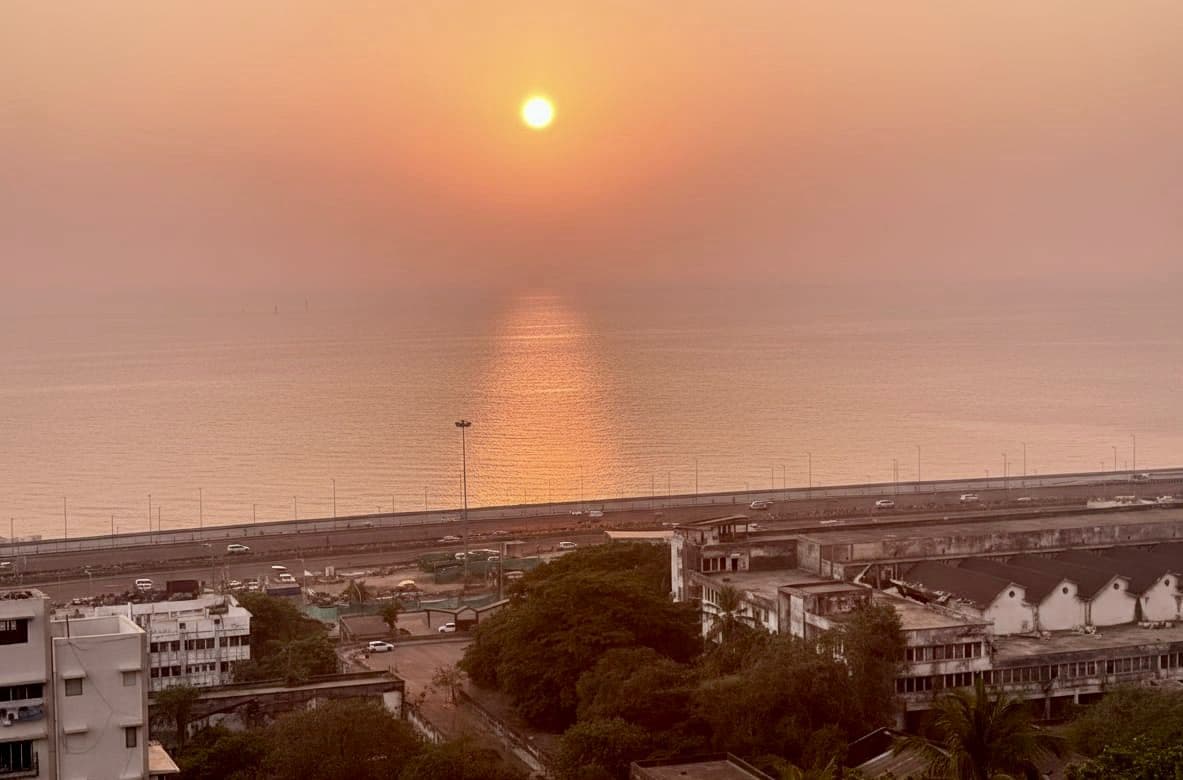
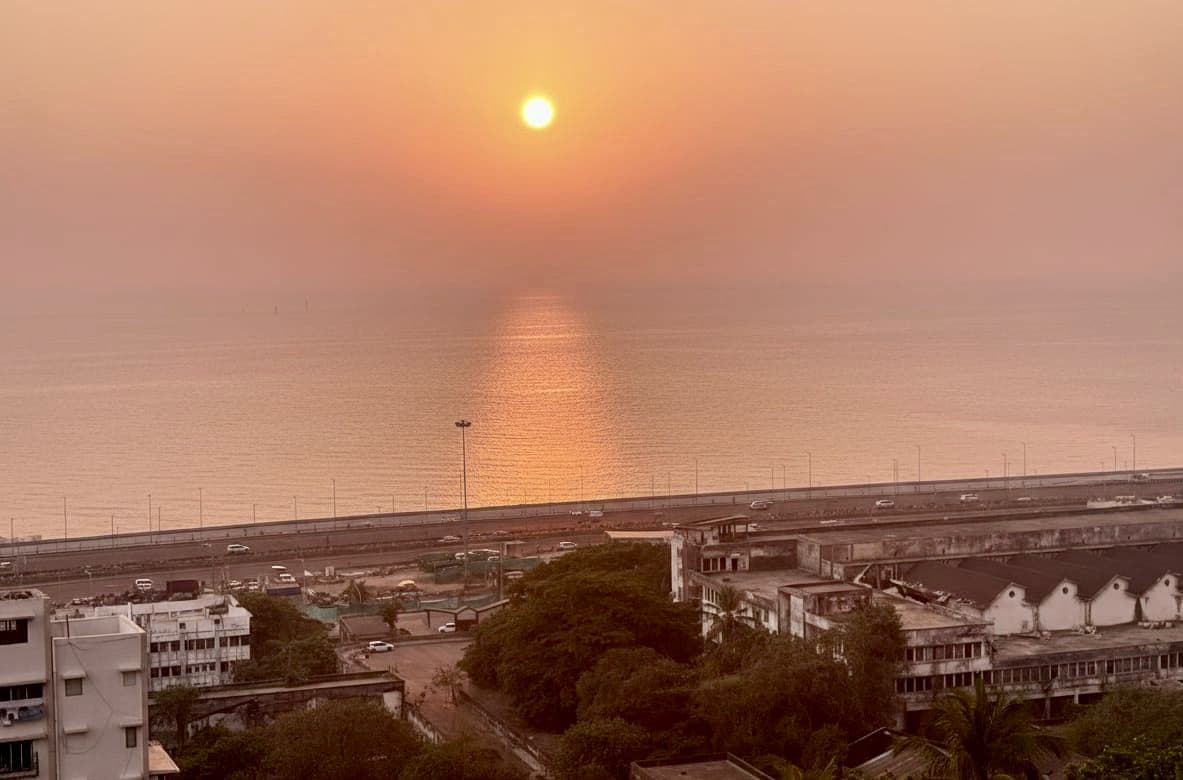
The Coastal Road from Marine Drive to Worli has permanently re-rated South Mumbai connectivity. Buyers who previously rejected SoBo for western suburb convenience are now reconsidering Worli, Lower Parel, Prabhadevi, and even Colaba-Cuffe Parade. This is a demand expansion, not a demand shift — it adds a new buyer segment to South Mumbai rather than taking from western suburbs.
3. Metro Line 3 — Full 27-Station Operations
All 27 Metro Line 3 stations have been operational since October 2025. The connection from Cuffe Parade to SEEPZ (via Worli, BKC, Andheri) has materially expanded the commute radius of South Mumbai living. Property Butler tracks approximately 20% of April 2026 SoBo transactions where the buyer cited Metro Line 3 as a primary location driver — up from near zero a year ago.
Segment-by-Segment Performance
| Segment | April Trend | Avg PSF | YoY |
|---|---|---|---|
| Worli Sea Face ultra-luxury | Strong (Birla, Raheja leading) | Rs80,000-1,20,000 | +15-21% |
| Malabar Hill ultra-premium | Very strong (Lodha Malabar) | Rs90,900 | +21% |
| Lower Parel mid-luxury | Active (ready-to-move focus) | Rs35,000-55,000 | +5-8% |
| Parel / Dadar affordable | Steady (first-time buyers) | Rs28,000-45,000 | +3-5% |
| Bandra West premium | Strong (Metro-driven) | Rs51,000-60,000 | +7-10% |
Affordability Math at 7.25%
EMI Calculator at 7.25% (20-Year Loan)
Rs50 lakh loan: Rs3,930/month
Rs1 crore loan: Rs7,861/month
Rs2 crore loan: Rs15,721/month
Rs5 crore loan: Rs39,303/month
For a Rs5 Cr Worli 2 BHK (buyer contributes Rs2.5 Cr, borrows Rs2.5 Cr), the EMI is Rs19,652/month. Against a rental income of Rs80,000-1,00,000/month, the net carry cost is positive from day one. This is the arithmetic that is driving decision-making in Q2 2026.
What to Watch in May-June 2026
RBI June meeting: If the RBI cuts 25 bps (repo to 5.0%), expect another registration surge in July — the psychological trigger of sub-7% home loans would activate a large pool of fence-sitters. Q1 corporate earnings: If Nifty50 earnings season (May) beats estimates, HNI and UHNI buyers who deferred property purchases pending equity portfolio confidence will transact in Q2. Coastal Road Phase 2 update: Any acceleration of the Phase 2 timeline (Worli to Haji Ali to Bandra, July 2029 target) will immediately re-rate Bandra West and Juhu land values. Election factor: Maharashtra elections (if scheduled for Q3 2026) typically cause a 1-2 month pre-election activity surge as buyers front-run potential policy changes.
SoBo vs MMR — The Divergence
Mumbai Metropolitan Region (MMR) — Thane, Navi Mumbai, Mira Road, Kalyan — is growing at 8-12% in volume terms but 3-5% in PSF terms. South Mumbai is growing at 5-8% in volume but 7-21% in PSF terms. The divergence reflects two separate markets: MMR is volume-driven affordable housing (first-time buyers, mid-income); South Mumbai is value-driven luxury (UHNI, NRI, senior executive). Both are growing, but the investment thesis differs sharply by segment.
FAQs
Is this the right time to buy in Mumbai?
The data suggests yes for South Mumbai specifically. 14-year high registrations, 7.25% home loan rates (the lowest in 3 years), infrastructure improvements (Coastal Road, Metro Line 3) that are permanent, and a supply pipeline in luxury segments that remains constrained. The only scenario where waiting makes sense: if you believe the RBI will cut 50+ bps in the next 12 months (possible but not certain) or if you are buying for investment and prefer post-election policy clarity.
Which SoBo localities are seeing the fastest appreciation in 2026?
Malabar Hill (+21% YoY) is the standout, driven by the Lodha Malabar launch anchoring up the entire locality. Worli Sea Face (+15-21%) driven by Birla Niyaara and Raheja Riviera. Cuffe Parade (+16.2% over 5 years) driven by Metro Line 3 terminus. Bandra West (+7-10%) driven by Metro Line 3 connectivity. Lower Parel and Parel are growing more steadily at 5-8% — suitable for buyers who want appreciation without trophy pricing.
Will Mumbai property prices fall in 2026?
Property Butler does not forecast price corrections in South Mumbai's luxury segment in 2026. The structural supply constraints (no new land, slow redevelopment pipeline, limited new launches at Worli Sea Face and Malabar Hill) combined with strong demand from NRIs, HNIs, and Coastal Road-enabled new buyers make a price fall scenario unlikely in the near term. The more plausible risk is a velocity slowdown — fewer transactions at the same or higher prices — if macro conditions deteriorate.
Related guides: Mumbai Market April 2026 Report | Ready Reckoner Rate 2026-27 | South Mumbai Buying Guide