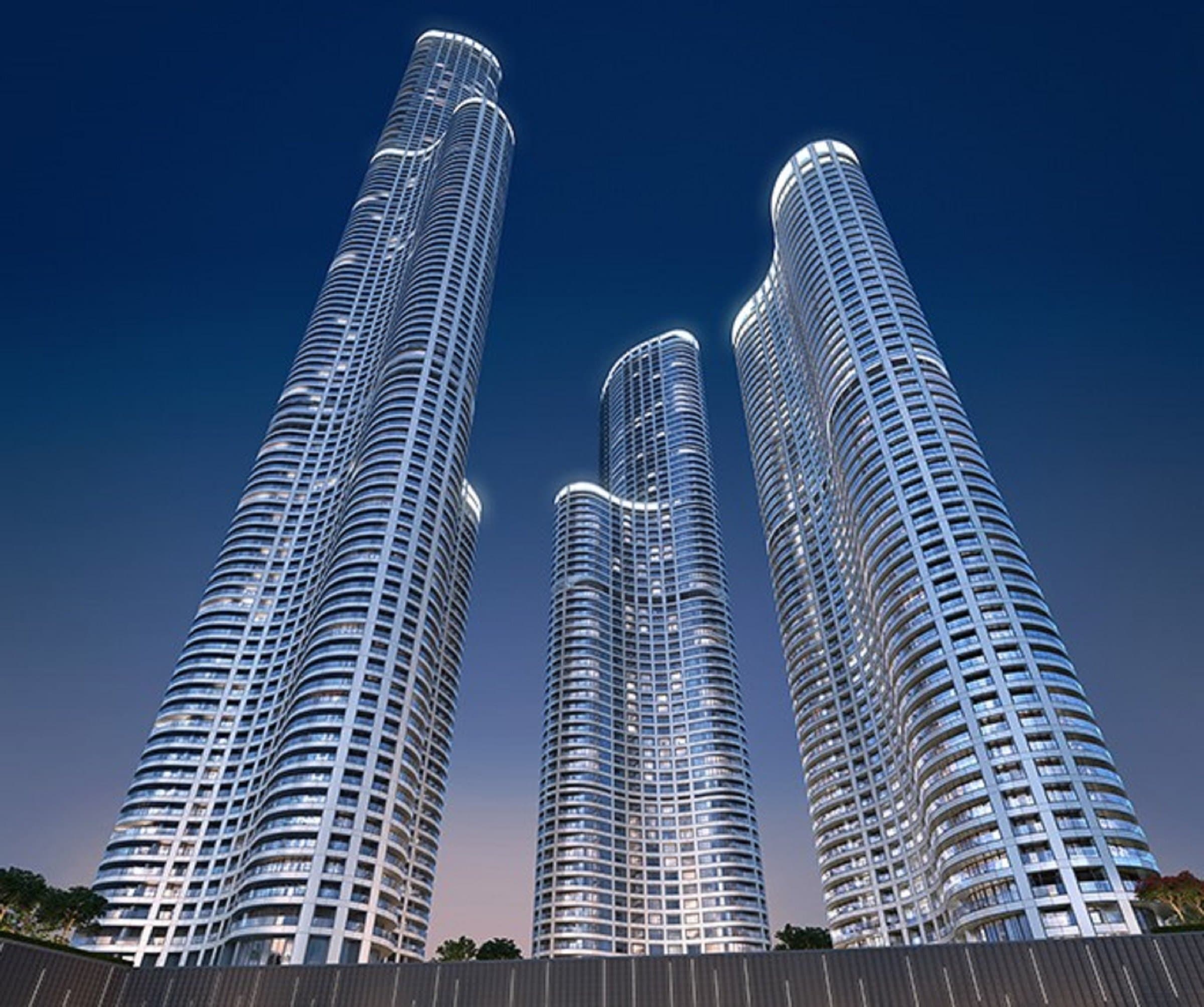
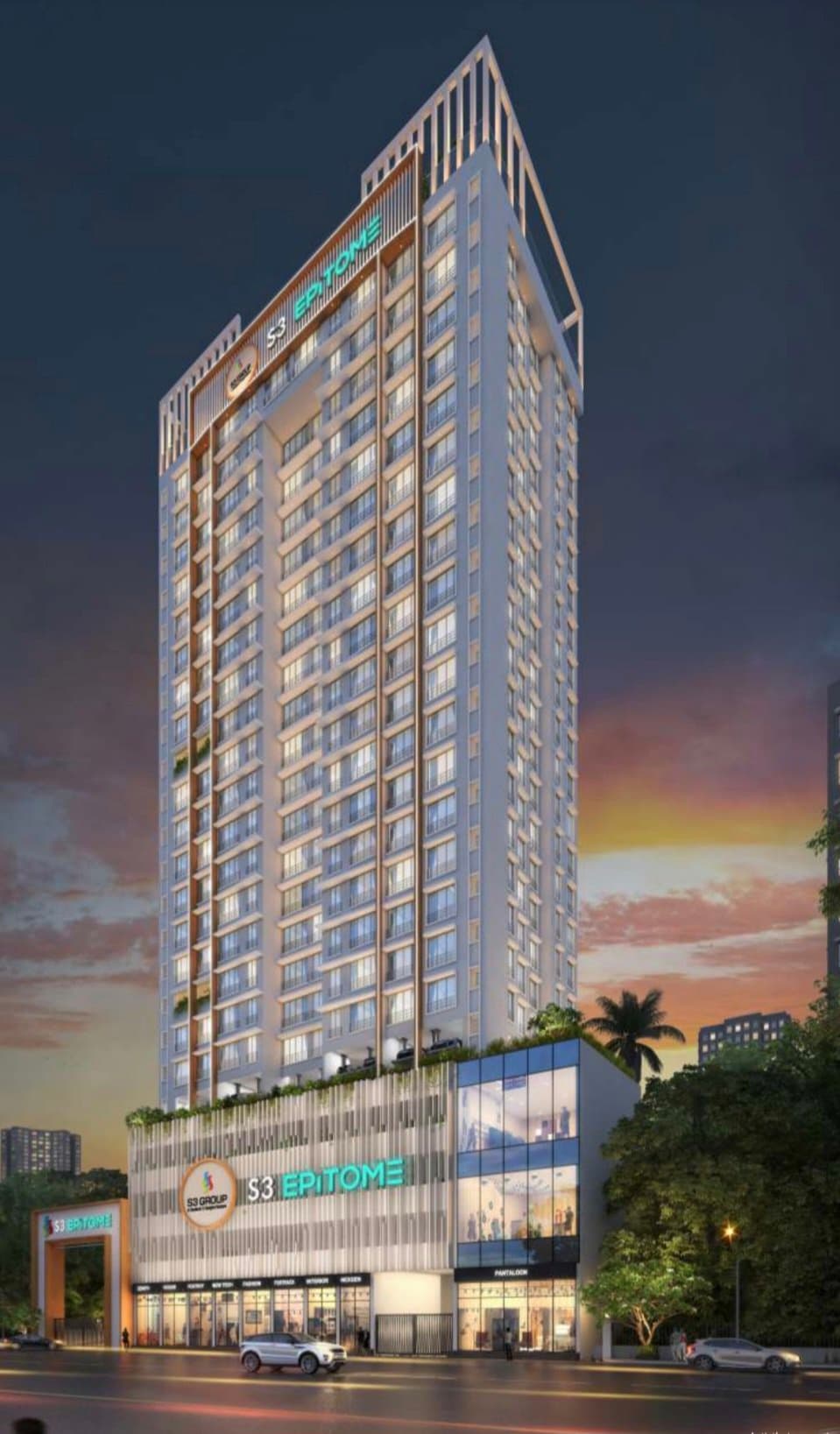
A Labrador in a ₹15 Cr Lower Parel 4 BHK or a Persian cat in a Rustomjee Crown Prabhadevi sea-facing 3 BHK is not a small-print issue — Property Butler tracks at least 14 SoBo cooperative housing societies that have litigated pet-related disputes in the last five years, and the outcome usually depends less on the law and more on which tower the buyer chose. Across Property Butler's tracked SoBo inventory of 1,000+ active sale and rent listings, the practical pet-friendliness of any building is one of the top three questions a meaningful share of HNI buyers ask in their first call — yet it almost never appears in the listing metadata. This is the working decoder.
Key Insight — The Law and the Bylaw Are Not the Same
The Animal Welfare Board of India (AWBI) circular of February 2015, reinforced by Bombay High Court rulings, holds that a society cannot ban a flat owner from keeping a pet — the underlying flat ownership right includes pet ownership. Societies can regulate (lift use, common-area conduct, leashing, defecation cleanup, noise, breed restrictions for dangerous animals). In practice, the gap between the legal right and the day-to-day social experience inside the society is enormous, and that's what determines whether your pet is welcome or quietly ostracised.
The Three Tiers of SoBo Society Pet Reality
Property Butler's classification of SoBo towers across the Lower Parel and Prabhadevi corridor places every building into one of three tiers. The tier is what matters in practice — not the bylaw text, which all read similarly. The tier is determined by (1) the share of existing pet-owning families, (2) the developer's design choices (separate pet lift, dog-relief area, etc.), and (3) historical complaint pattern with the managing committee.
| Tier | Description | Buyer Reality |
|---|---|---|
| Tier A — Pet-Welcoming | More than 15% of households own a pet. Service lift designated for pets in some towers. Dog-relief landscaping or rooftop runs. Active pet WhatsApp group inside the society. | No friction. Common-area conduct expected and respected. Vet/groomer visits routine. |
| Tier B — Tolerant | 5-15% pet-owning households. Bylaw permits pets but requires separate lift use during prescribed hours, leash mandatory, defecation deposit. Occasional friction with senior residents. | Workable. Build neighbour goodwill, follow bylaws strictly, expect occasional letters. |
| Tier C — Restrictive / Hostile | Below 5% pet households. Bylaws may attempt size/breed bans (legally weak but socially enforced). Lift restrictions broad. Recurring AGM disputes. | Avoid for pet families. Even if you win the legal case, the day-to-day social environment damages family quality of life. |
Lower Parel — Tower-by-Tower Pet Profile
Property Butler's working tier classification for the major Lower Parel towers, derived from on-ground inquiries with managing committees, existing residents, and listing-agent flagging during the diligence phase. This is current as of Q2 2026 and is updated quarterly.
| Tower | Tier | Notes |
|---|---|---|
| One Avighna Park | Tier A | Higher pet-owning resident base, designated grass area on podium for dog relief. |
| Lodha World Crest / World View | Tier A | Active pet community, podium garden permits leashed walks. Service lift convention. |
| Indiabulls Sky Forest | Tier B | Permits but lift-time restrictions; verify with managing committee on breed. |
| Lodha Vista | Tier B | Mixed — top floors more pet-tolerant; lower-floor walkers report friction. |
| Marathon NextGen Era | Tier B | Permits, podium walking corridor. Cats unrestricted. |
| Darsshan Ricco | Tier B | Boutique tower — informal arrangements; verify with current residents. |
| Arihant Towers (MJ Shah) | Tier B | Permits with deposit; buildings backing onto Phoenix Mills compound have less green for relief walks. |
| Sarvesh One | Tier A | Newer tower, higher young-family base, more pet-positive culture. |
Prabhadevi — Tower-by-Tower Pet Profile
Prabhadevi has a distinctive demographic skew — older trophy-buyer base, more multi-generational households, more conservative society politics. Property Butler observes that the pet-tolerance gradient in Prabhadevi correlates strongly with building age: newer towers (post-2018) skew Tier A or B; older trophy buildings skew Tier B or C.
| Tower | Tier | Notes |
|---|---|---|
| Rustomjee Crown | Tier A | 222 active listings, broadly pet-positive. Podium garden walks routine. |
| Lodha Grandeur | Tier A | Newer base, family-skewed demographic. Pet-positive AGMs. |
| Kalpataru Oceana | Tier B | Permits, lift conventions; verify breed declarations. |
| Ahuja Towers | Tier B | Older trophy base, conservative; mid-tower units more friction-prone. |
| 25 South Central Tower | Tier A | Newer demographic, higher pet share. Service lift well-organised. |
| Eon One | Tier B | Permits, with verbal protocols on lift hours. |
| Sea Sequence (B Vardhan) | Tier B | Smaller floor count, neighbour goodwill matters most. |
| The V Mansion | Tier B | Boutique luxury, very low resident count, depends on individual building's AGM history. |
| Chaitanya Towers | Tier B | Older base; permits in practice, but less institutionalised than newer towers. |
| Older Prabhadevi co-ops (pre-2005) | Tier C (varies) | Highly society-specific. Verify pet history before bidding. Some have never permitted in three decades of operation. |
The Bylaw Audit — What to Read Before You Sign
Every cooperative housing society maintains a registered bylaw set under the Maharashtra Cooperative Societies Act. Property Butler's standard pre-purchase pet diligence is to read the bylaw plus the last three AGM minutes. The signal is in the AGM minutes, not the bylaw text.
✓ Green Signals in AGM Minutes
- Pet-related agenda items resolved without dispute
- Society fund allocated for pet-relief landscaping
- Service-lift schedule formalised (not contentious)
- Pet-owner WhatsApp group referenced positively
- Vet visits / grooming services pre-approved
✗ Red Signals in AGM Minutes
- Recurring complaints about specific flat-owners' pets
- Attempted bylaw amendments to ban pets (regardless of legality)
- Lift cleaning fees for "pet damage"
- Specific breed bans referenced
- Letters from senior-resident faction objecting
The Five Verification Steps Before You Bid
Property Butler's working pet-diligence checklist:
| Step | Action |
|---|---|
| 1 | Pull society bylaw and last three AGM minutes via your conveyancer or the listing agent. |
| 2 | Identify three current pet-owning households on your target floor or adjacent. Speak to one. |
| 3 | Verify lift policy: passenger-lift permission with timing, service-lift convention, weight/size restrictions. |
| 4 | Walk the podium and rooftop at sunrise on a weekday — observe how many leashed dogs are out, how the security and other residents respond. |
| 5 | Get pre-purchase written confirmation from managing committee — pet permission, breed declaration, deposit, lift terms — separately from the agreement to sell. |
The AWBI/Bombay HC Position — When You Have to Fight
Sometimes the diligence fails or the politics shift after purchase. The legal floor is set by the Animal Welfare Board of India circular dated February 2015 and a series of Bombay High Court rulings (notably the 2018 PETA-Bombay-HC case on dog breeding restrictions, and earlier rulings on cooperative-society pet bans). Three principles recur:
The Three Legal Floors
No outright ban · No retrospective restriction · No discriminatory enforcement
Society's regulation power is limited to common-area conduct and reasonable hygiene
Practically, if the managing committee attempts to fine you for owning a pet, ban the pet from the lift, or pass a no-pets-allowed resolution, the buyer's recourse is (1) raise a written objection at the next AGM, (2) file a complaint with the District Cooperative Court under the MCS Act, or (3) file a writ in the Bombay HC if fundamental rights are implicated. The HC route has a high success rate but takes 12-24 months — most disputes settle long before that on lawyer's notice.
Frequently Asked Questions
Can a SoBo society legally ban large-breed dogs like Labradors or German Shepherds?
A blanket breed ban is generally unenforceable — the AWBI circular and Bombay HC have struck down arbitrary breed exclusions. Society can require leash, muzzling in common areas if behavioural concerns are documented, and reasonable conduct rules. "All Labs are noisy" is not a documented behavioural concern. "Specific dog has bitten residents three times" is. The line is documented behaviour, not breed.
Can the society force me to use the service lift only?
A reasonable service-lift convention with documented hygiene rationale is generally upheld — particularly for large dogs in passenger lifts shared with senior residents. A blanket forever-ban from the passenger lift, regardless of dog size or behaviour, is not. The pragmatic SoBo settlement is service-lift use during peak hours (8-11 AM, 5-8 PM) and passenger-lift permission off-peak. Property Butler advises agreeing in writing to whatever protocol exists at purchase to avoid post-move-in dispute.
What's the deposit / fee that societies typically charge for pet ownership?
Property Butler observes Lower Parel and Prabhadevi societies asking ₹15,000-50,000 as a one-time "pet hygiene deposit" (refundable on exit, less any documented damage). Monthly pet maintenance charges of ₹500-2,000 for lift cleaning are not uncommon. Fees substantially above this range are weak under MCS Act and could be challenged — but most buyers pay the asked deposit to avoid friction.
If I buy a Lower Parel flat and the AGM later passes a no-pets resolution, can they evict my pet?
No — retrospective application of a new rule against an existing flat-owner's pet is consistently rejected by the courts. Even where a society passes a no-pets bylaw amendment by majority, it cannot apply to pets already in residence. New flat-owners moving in after the amendment can be barred prospectively — but even that is on weak ground given the AWBI position. The practical outcome: a no-pets AGM resolution against you is a social hostility signal, not an enforceable order. Many families find the social experience untenable even with the law on their side.
Should I declare my pet at the time of registration or after move-in?
Always declare upfront and get the society's written acknowledgement before signing the agreement to sell. Post-purchase declaration triggers managing-committee scrutiny on a weak footing. Property Butler structures every pet-family purchase with a written confirmation in the diligence file: pet permission, breed, deposit terms, lift protocol — collected before token money changes hands. This single step has prevented every pet-related dispute Property Butler has seen across SoBo trades.
Related Reading
→ MSR & Servant Quarter Decoder — Lower Parel & Prabhadevi → Prabhadevi Society Financial Health Audit Buyer Guide → Lower Parel School Catchment Buyer Guide → Lower Parel High-Rise Utility & Infrastructure Decoder → Prabhadevi Area GuideLooking for a pet-friendly Lower Parel or Prabhadevi flat?
Property Butler's diligence team filters inventory by pet-tier, runs the AGM check, and gets pre-purchase written confirmation from the managing committee before you put down a token. We've structured 40+ pet-family SoBo purchases without a single post-purchase dispute.
Browse Pet-Friendly Inventory