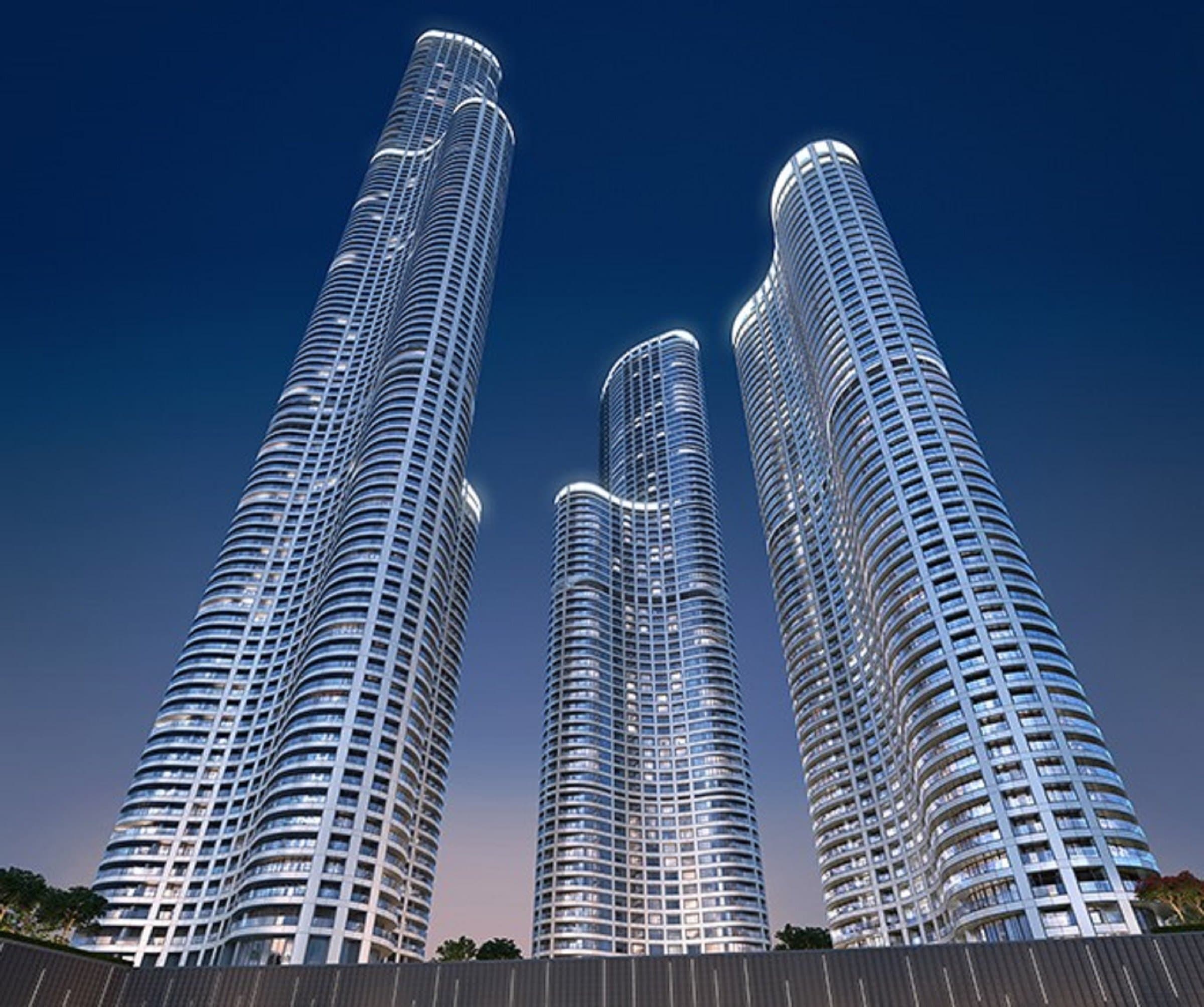
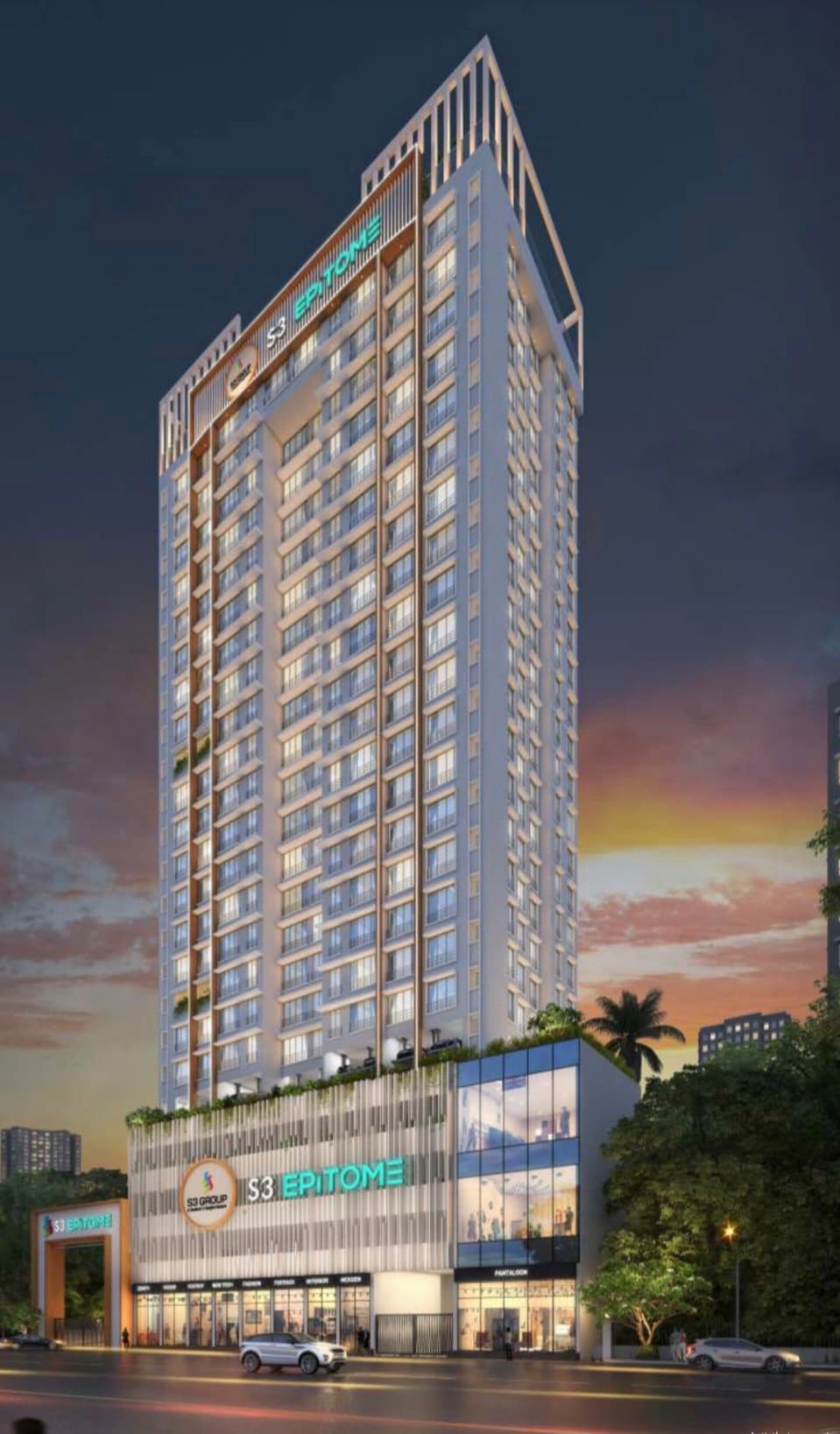
A buyer recently took possession of a ₹13 Cr 3 BHK in a Lower Parel under-construction project. The developer’s handover certificate said “Occupation Certificate received”. Six months later, the buyer’s home insurance renewal triggered a routine OC verification — turns out the developer had a part-OC for floors 1-22 only. The buyer’s flat on the 26th floor was outside the OC envelope. His mortgage lender immediately flagged it. Property registration was complete, possession was real — but the building wasn’t legally fit for occupation on his floor. This is the part-OC trap. Property Butler unpacks the distinction between full OC, part OC, and CC-only buildings in the LP/Prabhadevi corridor — and what each means for buyers.
The Three Statuses You Need to Know
Across ~600 LP/Prabhadevi possession deals Property Butler has reviewed in 2024-26, the OC stack breaks down as follows: roughly 62% full OC, 22% part OC (some floors / wings only), 9% CC-only with deferred OC (commencement certificate, no OC yet — possession on undertaking), and 7% mixed status (newer wings have OC, older phases pending). Each tier has different price, financeability, and exit-liquidity implications.
OC vs CC vs Part-OC — The Definitions
- Commencement Certificate (CC): Issued by BMC at the start of construction, authorising the developer to begin building per the sanctioned plan. CC is NOT permission to occupy. Possession against CC alone is an undertaking-based arrangement and carries material risk.
- Part Occupation Certificate (Part OC): Issued by BMC when only a portion of the building is fit for occupation — typically lower floors, while upper floors are still under finishing or pending fire-NOC verification. Floors covered by Part OC are legally fit; floors outside are technically un-occupied per BMC records.
- Full Occupation Certificate (Full OC): Issued by BMC when the entire building (all floors, wings, common areas, amenities, parking, fire-safety systems) has been verified against sanctioned plan + all NOCs (fire, environment, water, drainage, structural) are in place. Full OC is the clean legal title for any flat in the building.
- Building Completion Certificate (BCC): A precursor to OC — confirms construction is complete per plan, but OC may still require additional NOCs. BCC alone is not legal occupation permission.
What “Full OC” Actually Requires
For BMC to issue a Full Occupation Certificate, the developer must hand over a stack of about 14-18 documents and clearances, depending on building category. The critical ones:
- Architect’s certificate of completion per sanctioned plan
- Structural engineer’s certificate of stability
- Fire NOC from MFB (Mumbai Fire Brigade)
- Lift inspector’s license + lift operating certificate
- Water connection + sewage NOC from BMC water department
- Pollution NOC (MPCB) for STP / DG sets
- Tree authority NOC (compensatory plantation compliance)
- Coastal Regulation Zone clearance (where applicable — relevant on Prabhadevi sea-side)
- Aviation NOC (for towers above height threshold — most LP/Prabhadevi luxury towers)
- Garbage segregation NOC + waste-management system in place
- Solar / rainwater harvesting installation certificate (mandated post-2020)
- EV charging readiness (mandated post-2022 in Mumbai)
- Property tax registration with BMC
- Society formation / co-operative registration (recommended pre-OC)
Any single missing NOC defers Full OC. Most LP/Prabhadevi part-OC situations are caused by aviation NOC pending, fire NOC re-verification, or environmental NOC re-issue — not construction-quality issues.
The Price + Financing Implications
| OC Status | Buyer Price Adjustment | Lender Treatment | Stamp Duty Trigger | Resale Liquidity |
|---|---|---|---|---|
| Full OC | Baseline (project mid-PSF) | Standard LTV 75-80% | Full stamp duty on agreement | Median 52 days |
| Part OC (your floor covered) | −1 to −3% | LTV 70-78% with covenants | Full stamp duty | Median 80-110 days |
| Part OC (your floor NOT covered) | −4 to −8% | Many lenders refuse; some give 60% LTV | Full + GST until Full OC | Median 150-200 days |
| CC only (no OC) | −5 to −12% vs comparable OC | Pre-OC stage funding; LTV varies | Full + GST | Median 180-240 days |
| BCC only / OC application filed | −2 to −5% | LTV 70-75% with OC-receipt covenant | Full + GST until OC | Median 100-140 days |
The GST + Stamp Duty Cliff
Pre-OC: stamp duty 6% + GST 5% = 11%
Post-OC: stamp duty 6%, GST exempt
On a ₹14 Cr LP buy, buying pre-OC costs ~₹70 lakh in GST that vanishes once Full OC is in place. Waiting for OC, when feasible, saves materially.
How to Verify OC Status Yourself
- Ask the developer for a copy of the OC. A photocopy is not sufficient — ask for the BMC-stamped original. If only Part OC, get the page that lists which floors / wings are covered.
- Pull the BMC online verification. The BMC building-proposal portal (autoDCR) shows OC status by CTS / sub-plot. Cross-check that the developer’s OC number matches the BMC record for your specific tower + wing.
- Search BMC notice board / Sub-Registrar records. OC issuance is published. A document that hasn’t hit BMC public records yet is not verifiable.
- Ask the society chairperson / managing committee. Once handover is done, the society holds copies of all OC variants for the building. Ask in writing — verbal confirmations don’t count.
- Cross-check with the bank lender. If the lender funded your purchase, they ran their own OC verification. Pull their valuation report (you have a right to a copy under RBI rules).
What to Do If You Realise You Bought Part-OC and Your Floor Isn’t Covered
✓ Recoverable Situations
- Developer has filed for Full OC; remaining clearances expected within 6-12 months
- Only pending NOC is aviation / pollution / minor administrative — common path to closure
- Society can sponsor escalation to BMC if developer is slow (most LP/Prab societies have legal panels)
- Lender willing to convert pre-OC loan to standard once OC arrives
✗ Hard Situations
- Building has plan-deviation issues (excess FSI consumed without compounding)
- Developer under IBC / NCLT, OC clearances frozen
- Fire NOC denied repeatedly due to structural issues
- CRZ / environmental dispute with no clear resolution path
- Aviation NOC denied due to height violation
The Pre-Purchase Diligence Stack
For any LP/Prabhadevi buy, Property Butler runs the following OC-verification stack before agreement signing:
- Pull the CC + all part-OC + Full OC documents from the developer
- Cross-verify against BMC autoDCR portal (URL match + signature match)
- Independent search at the Sub-Registrar office for any pending applications or rejection orders
- Lender-side valuation report review (if buyer is using loan)
- Society side confirmation in writing (if handover is complete)
- Site visit physical verification — the fire-NOC certificate should be displayed in the building’s common lobby; absence is a flag
- Independent property advocate search report — must explicitly cover OC status with date + reference number
This stack costs about ₹15-40K to run. On a ₹12-30 Cr buy, that’s 0.02% of consideration — and it’s the single most important diligence step in the resale luxury segment.
Frequently Asked Questions
Can I take possession before Full OC is issued?
Technically possession can be handed over against Part OC (if your floor is covered) or even CC-only (with undertaking). It is not advisable. Without Full OC, you are technically a non-OC occupant and face: lender constraints, GST exposure (5% till OC arrives), insurance pushback, society-formation delays, and resale-liquidity drag. If you must take possession before Full OC, build an OC-receipt timeline + holdback in escrow into your agreement.
Is buying a Part-OC building always riskier than a Full-OC one?
Not always, if your floor is covered by the Part OC and the remaining floors’ OC is expected on a defined timeline. But the discount should reflect the wait. Property Butler’s typical comparison: a flat on a Part-OC-covered floor in a marquee tower trades 1-3% below a comparable Full-OC building. The savings can be worth it if the remaining-OC path is clear. If your floor is NOT covered, the discount widens to 4-8% and liquidity suffers materially.
If the developer says OC is “in process”, how long does it really take?
Property Butler’s working data for LP/Prabhadevi: clean Full-OC applications close within 4-8 months once all NOCs are in place. Cases with one pending NOC (most common: aviation, fire re-verification, or environmental) close in 6-14 months. Cases with structural / plan-deviation issues can drag 2-4 years or never close at all. Always ask which specific NOC is pending and what the developer is doing to close it. “In process” without specifics is a signal to dig deeper.
Does buying a CC-only flat give me title?
You get title to the flat (registered sale deed transfers ownership) but the building is not legally fit for occupation. You become an under-construction stage buyer. The developer is bound by RERA to deliver OC; if delayed beyond the RERA-registered timeline, you have refund / penalty rights. Your home loan will be disbursed against milestones (not against OC). Resale before OC is possible but the next buyer faces the same OC-pending discount and lender friction you do.
Can I refuse to take possession until Full OC is issued?
If your sale agreement says “possession on Full OC” — yes, absolutely refuse. If the agreement says “possession on OC (including Part OC)” — the developer is contractually within rights to hand over. The negotiation moment is at the sale-agreement signing stage; insist that the possession trigger is Full OC, not any OC variant. Most marquee developers will concede this on RERA-registered projects. If they refuse, that itself is a signal worth weighing.
Related Reading
→ Lower Parel OC-Received Premium Decoder → Lower Parel RTM Handover Diligence Checklist → Society Conveyance Deed Buyer Decoder → RERA Defect Liability + Snagging Playbook → Prabhadevi RTM vs UC Supply Pipeline → Lower Parel Area Guide → Prabhadevi Area GuideClosing a Lower Parel or Prabhadevi buy? Verify OC status before signing.
Property Butler’s diligence stack includes a full OC + Part OC verification across BMC autoDCR + Sub-Registrar + developer documents. Average diligence cost: ₹15-40K on a ₹12-30 Cr buy. Skipping it can leave your flat sitting outside the legally-occupable envelope of the building. Bring the file early; we’ll run the OC trace before you pay any earnest money.
Browse OC-Verified Stock →