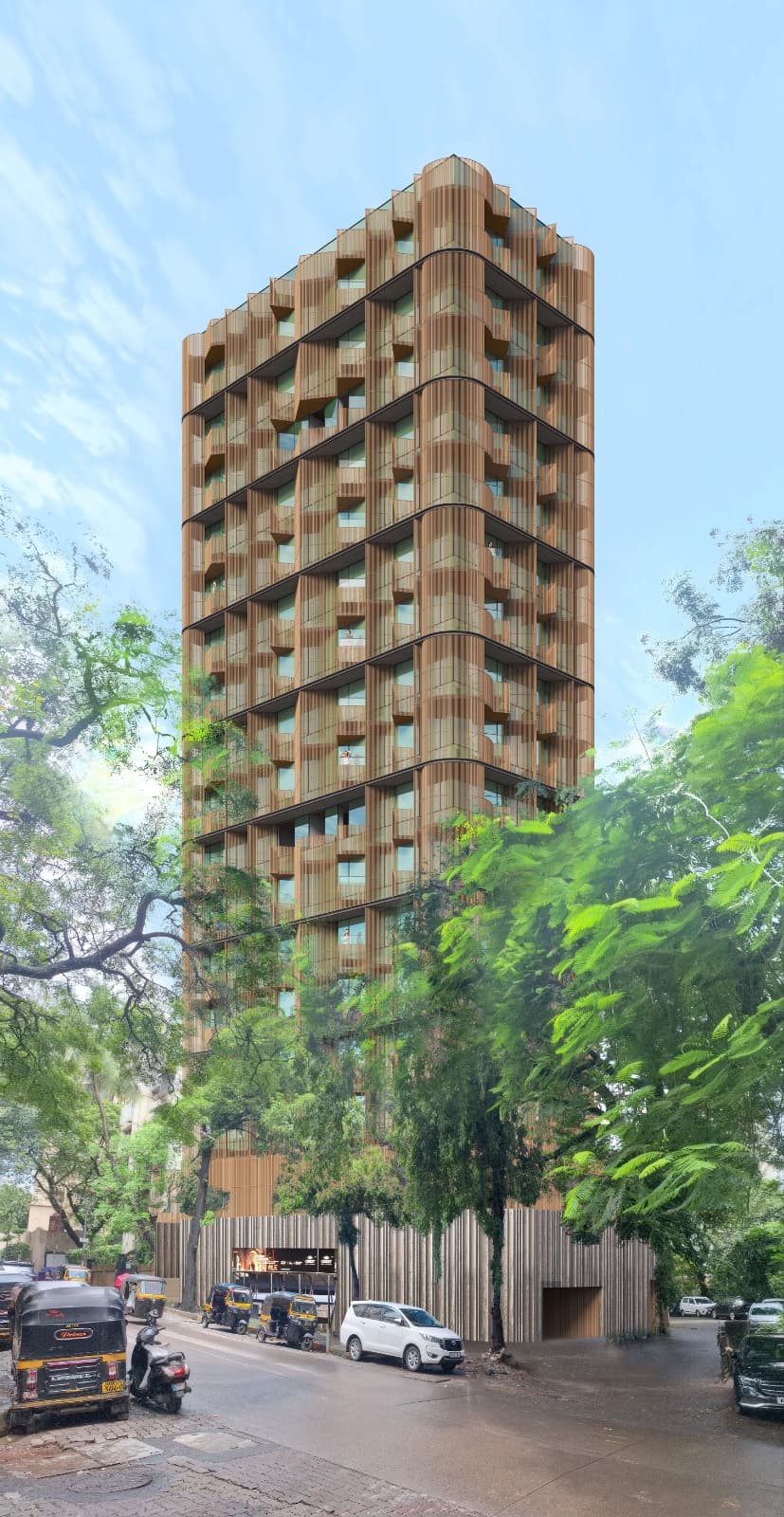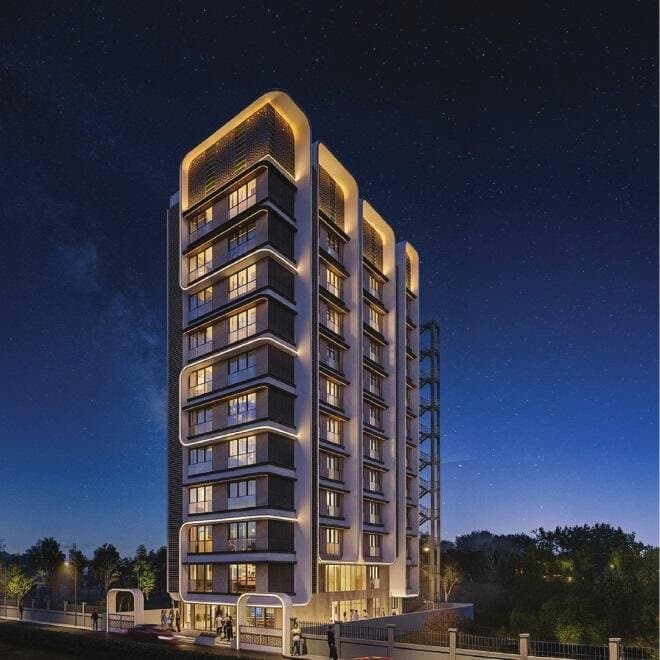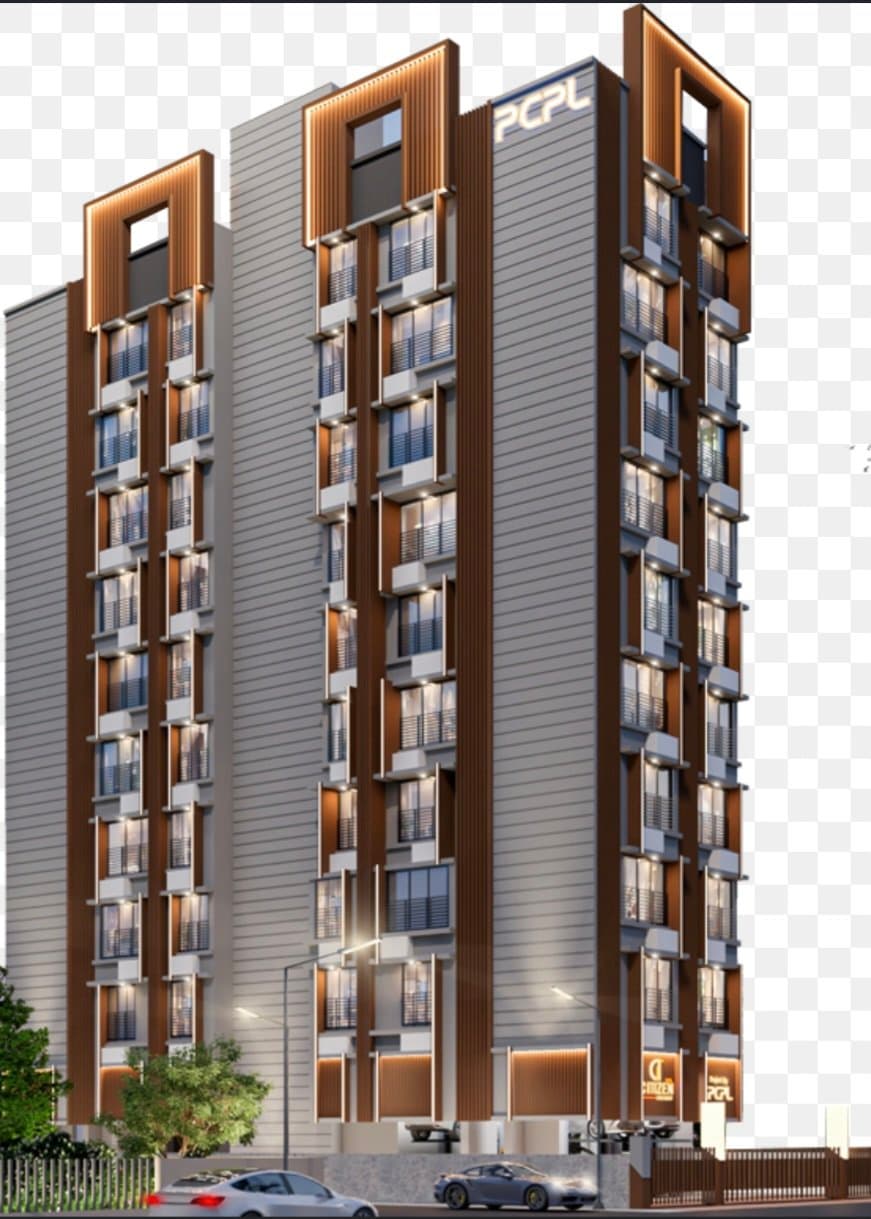
Here is a fact most Bandra West buyers discover too late: if you buy an under-construction flat from the developer, you pay 5% GST on the full agreement value. If you buy the exact same flat from an investor who booked it at launch, you pay zero GST. On a Rs 12.24 crore Mio Miraya 4 BHK, that is a Rs 61 lakh difference. On Paradigm Superstar's Rs 23 crore configuration, it is Rs 1.15 crore saved before a single rupee of negotiation has happened.
This is not a grey-area loophole. The Maharashtra GST framework explicitly exempts property transfers between individuals from GST liability, because GST applies only to supply of services by the developer. When an early investor transfers their booking to you, they are transferring a right in the property, not a taxable service. Every year, hundreds of Bandra West buyers miss this and pay crores more than they needed to.
GST Savings: Buying Secondary vs Developer Direct
| Project | Agreement Value | GST Saved at 5% |
|---|---|---|
| Mio Miraya 4 BHK entry | Rs 12.24 Cr | Rs 61.2 lakh |
| Mio Miraya 4 BHK upper floor | Rs 16.94 Cr | Rs 84.7 lakh |
| Paradigm Superstar 4 BHK | Rs 23 Cr | Rs 1.15 Cr |
| Paradigm Superstar upper floor | Rs 33 Cr+ | Rs 1.65 Cr+ |
Stamp duty at 6% Maharashtra rate applies in both primary and secondary transactions.
Why the Bandra West Secondary Market Is Active Right Now
Bandra West has four significant under-construction projects converging on the December 2027 to December 2028 delivery window: Mio Miraya by Sayaji Realty at 1,603 to 2,230 sqft carpet area and Rs 76,000 to Rs 78,000 per sqft; Paradigm Superstar by Paradigm Realty at 1,799 to 2,389 sqft sea-facing and Rs 1.28 lakh per sqft and above; Ekta Victoria penthouses at Rs 40 crore; and the 7 Elements and 9 Elements towers targeting December 2028. Construction is now visibly above-grade on Mio Miraya and Paradigm Superstar, the stage at which early investors who booked during the pre-launch window at 10 to 20 percent discounts typically evaluate whether to hold to OC or liquidate for profit.
Property Butler's funnel currently tracks 4 active Mio Miraya units and 2 Paradigm Superstar units in the Rs 12.24 to Rs 33 crore range as developer-direct listings. The secondary market, where early investors exit their bookings, is largely off-market and handled through broker networks. That makes it harder to find and easier to miss. This guide explains how to access it systematically.
The Investor Profile: Who Is Selling and Why
Most secondary sellers in Bandra West fall into three categories: HNI investors who booked 2 to 3 units at launch and are now trimming positions; corporate executives who were relocated internationally after booking; and joint-family buyers where one sibling wants to exit. All three create motivated sellers who may accept below-developer pricing in exchange for a clean, fast transaction. The key is identifying them before the property reverts to the developer's resale inventory.
The Secondary Allottee Transfer: How It Actually Works
Maharashtra does not have a standardised form for under-construction flat transfers. Three mechanisms are in common use, and the right one depends on how far construction has progressed and whether a formal agreement has been registered.
Tripartite Agreement is the most common route for projects above Rs 5 crore. All three parties, the original allottee, the new buyer, and the developer, sign a single agreement acknowledging the change in allottee. The developer endorses the original allotment letter in the new buyer's name. This requires the developer's formal NOC and provides the cleanest title legally. MahaRERA recognises the new buyer as the allottee with all original rights from this point, including the right to delay penalty interest if the developer misses the registered possession date.
Assignment Deed plus Developer Cancellation and Fresh Allotment is simpler for home loan documentation, since the bank sees a fresh allotment rather than a transfer. However, this can trigger a developer markup on the re-allotment, particularly if market prices have moved since the original booking. Critically, the GST saving disappears here since the new buyer is now purchasing from the developer.
Sale Agreement for Allotment Rights applies when the original sale agreement has not yet been registered. The original allottee assigns rights under the agreement to the new buyer via a separate assignment deed. This carries more title risk and is the route most prone to disputes if the developer later contests the transfer. Avoid this for transactions above Rs 5 crore.
For Bandra West projects in the Rs 12 crore and above range, the Tripartite Agreement route is almost always the right choice. It provides the cleanest title, is RERA-compliant, and gives banks the documentation required for a clean disbursal schedule.
What the Transfer Costs You Beyond the Purchase Price
| Cost Component | Typical Range | Notes |
|---|---|---|
| Developer Transfer Charges | 1 to 3% of flat value | Rs 12 to Rs 37 lakh on a Rs 12.24 Cr flat. Negotiable for creditworthy buyers |
| Stamp Duty | 6% of agreement value | Same as direct purchase. Rs 73.4 lakh on a Rs 12.24 Cr flat |
| Registration Fee | 1% capped at Rs 30,000 | Standard Maharashtra cap applies to both primary and secondary transactions |
| GST | Zero | Not applicable on secondary transfer from an individual. Saves 5% vs developer-direct |
| Broker Fee | 1 to 2% negotiable | Shared between buyer and seller in most Bandra West transactions above Rs 5 crore |
| Legal Fees for Title Review | Rs 50,000 to Rs 1.5 lakh | Non-negotiable above Rs 5 crore. Checks existing loans, allotment authenticity, RERA standing |
Net of the GST saving minus developer transfer charges, a buyer purchasing secondary at the same sticker price as developer-direct typically saves between 2% and 3.5% of the purchase price before any further negotiation. On a Rs 12.24 crore Mio Miraya unit, that is Rs 24 to Rs 43 lakh net saving before any price discussion with the investor.
Getting a Home Loan on a Secondary Under-Construction Purchase
SBI, HDFC Bank, ICICI Bank, Axis Bank, Kotak Mahindra, Tata Capital Housing Finance, and LIC Housing Finance all lend against under-construction properties on secondary allottee transfers. The key difference from developer-direct: the bank's disbursement schedule is now tied to construction milestones, not the developer's demand letters, because the developer no longer has a direct relationship with the buyer's bank.
In practice, the tripartite agreement must include a developer acknowledgement of the new buyer as allottee, a construction-linked payment schedule, and the developer's undertaking to provide NOC to the bank at each disbursal stage. Tata Capital Housing Finance and LIC Housing Finance have more flexible documentation requirements than large private banks for secondary purchases above Rs 5 crore, making them the preferred lenders in the Bandra West segment for this transaction type.
LTV on secondary under-construction: most banks lend up to 75% of agreement value on projects where construction is below 40% complete, dropping to 70% as the project approaches structure completion. On a Rs 12.24 crore Mio Miraya unit, expect loan eligibility of approximately Rs 9.18 crore, meaning the buyer needs Rs 3.06 crore in equity before transfer charges and stamp duty are factored in.
RERA Compliance: What to Check Before You Sign
RERA 2.0, effective March 2026, introduced 70% escrow protection and mandatory quarterly construction updates for all registered Maharashtra projects. Before executing any assignment or tripartite agreement for a Bandra West under-construction unit, run these five checks on the MahaRERA portal:
- Confirm the project's RERA registration is active with no compliance notice against it
- Verify the unit number and carpet area in the allotment letter match the RERA-registered unit to within 3 percent
- Confirm the original allottee's name appears in the RERA project allottee list, not just the allotment letter they hand you
- Check that no registered complaint is pending against the developer or specifically the unit being sold
- Verify the latest quarterly construction update is dated within 90 days. Approximately 25% of Maharashtra projects missed Q1 2026 quarterly deadlines
A project with persistent RERA non-compliance is a red flag for a secondary buyer. If the developer later disputes the transfer, the original allottee's rights become harder to enforce through MahaRERA when the developer is already in a compliance dispute.
When Secondary Makes Sense
- Project is 30 to 70% complete, the sweet spot for loan clarity and title certainty
- Investor is motivated by relocation or a family split, not holding for appreciation
- Developer charges under 1.5% transfer fee or waives it for a creditworthy buyer
- Net saving from no-GST minus transfer charges exceeds Rs 20 lakh on your budget
- RERA compliance is clean and the project has no delay history
When to Walk Away
- Developer refuses NOC or transfer process exceeds 60 days with no clear timeline
- Investor cannot produce a registered sale agreement with a valid document number
- There is an active home loan on the unit that the investor has not yet cleared
- Carpet area in allotment letter differs from RERA registration by more than 3 percent
- Developer transfer fee demand exceeds 3.5%: at that level, buying developer-direct is cheaper net of GST
The Existing Investor Loan: The Single Biggest Risk
The most dangerous scenario in an under-construction secondary purchase is an investor who has an active home loan on the unit they are selling. Under RBI guidelines, a home loan cannot simply be transferred from one borrower to another. If an investor carries a Rs 7 crore loan on a Rs 12.24 crore Mio Miraya unit, your purchase is contingent on the investor repaying that loan before or at the time of transfer, or on the developer obtaining the bank's consent to substitute borrowers, which rarely happens quickly. Always ask the investor: do you have an active home loan against this flat? If yes, budget for a 60 to 90 day closure timeline rather than 30, and structure the purchase agreement so that your funds are released to the investor only after the bank confirms in writing that the lien is cleared.
The Projects Worth Tracking in 2026
Mio Miraya by Sayaji Realty, Bandra West: 4 BHK configurations at 1,603 to 2,230 sqft carpet area, Rs 12.24 to Rs 16.94 crore, December 2027 possession. Property Butler tracks this project's PSF at Rs 76,000 to Rs 78,000 per sqft, making it the most competitively priced large-format luxury project in Bandra West for the current delivery window. Sayaji Realty charges a standardised 1.5% transfer fee, one of the more transparent developer policies in the segment. Developer-direct inventory is still available, which moderates secondary-market seller leverage. Best secondary opportunity: upper-floor units where early buyers paid a high-floor premium that they may not recover in a quick-exit scenario.
Paradigm Superstar by Paradigm Realty, Bandra West: 4 BHK sea-facing at 1,799 to 2,389 sqft, Rs 23 to Rs 33 crore and above, December 2027 possession. At Rs 1.28 lakh per sqft and above, this is one of the highest-PSF active projects in Bandra West. Secondary market activity is thinner because most buyers at this price point have holding power. When a secondary deal does emerge, it is typically from a family estate situation or an NRI liquidation event. The GST saving at this level, Rs 1.15 to Rs 1.65 crore or more, is the primary reason sophisticated buyers specifically seek secondary transactions here rather than buying from the developer.
Ekta Victoria by Ekta World, Bandra West: Penthouses at Rs 40 crore range, December 2027 delivery. Very thin secondary market given unit count and price point. For buyers at this level, the GST saving on a secondary transaction alone exceeds Rs 2 crore, justifying significant due-diligence investment to source the deal before it reaches the open market.
For Bandra East buyers considering a similar approach, the projects to track are Agami Legends at December 2028 with pricing at Rs 7.53 to Rs 10.85 crore and a GST saving of Rs 37 to Rs 54 lakh, and Rustomjee Prive at December 2028 with pricing at Rs 5.40 to Rs 6.50 crore and a GST saving of Rs 27 to Rs 32 lakh. See our Bandra East Rs 8 to Rs 12 crore buyer guide and Rustomjee Prive possession strategy guide for the full picture on those projects.
Related Reading
The complete Bandra West property buying guide 2026 Mio Miraya vs Paradigm Superstar: which December 2027 project wins? Bandra West ready vs under-construction: the 2026 decision guide How to negotiate 5 to 8 percent off in Bandra West Bandra East ready-to-move guide: Ten BKC, Kalpataru Magnus and moreFrequently Asked Questions
Does stamp duty apply when I buy from an investor, or only when buying from the developer?
Stamp duty applies in both cases. Maharashtra charges 6% on the agreement value regardless of whether you buy from the developer or a secondary investor. The critical difference is GST: buying from the developer triggers 5% GST on top of stamp duty, while buying from an individual investor does not attract GST. On a Rs 12 crore flat, the GST saving on a secondary purchase is approximately Rs 60 lakh.
Can I get a home loan when buying from an investor rather than the developer?
Yes. SBI, HDFC Bank, ICICI Bank, Axis Bank, Kotak Mahindra, Tata Capital Housing Finance, and LIC Housing Finance all finance under-construction secondary purchases. The critical requirement is a tripartite agreement that formally makes you the official allottee in the developer's records. Without this, banks cannot disburse against construction milestones. Tata Capital and LIC HF are generally more flexible on documentation for secondary transactions above Rs 5 crore.
Can the developer legally refuse to provide an NOC for the transfer?
RERA mandates that developers cannot unreasonably withhold NOC for under-construction transfers, though they can charge a transfer fee. If a developer refuses without a valid legal reason, the original allottee can escalate to MahaRERA. In practice, established Bandra West developers such as Sayaji Realty, Paradigm Realty, and Ekta World process NOC within 30 to 45 days of receiving complete documentation.
Do I inherit the original investor's possession date and RERA protections?
Yes. Under RERA, the secondary allottee inherits all rights of the original allottee including the RERA-registered possession date. If the developer delays beyond that date, you have the same right to interest penalty at 10.25% per annum on the amount paid as the original buyer would have had. This is one of the most under-appreciated protections in RERA for secondary buyers and makes a properly structured tripartite transfer significantly safer than a cancellation-and-fresh-allotment route.
How do I find investors looking to sell in Mio Miraya or Paradigm Superstar?
The secondary market for high-value Bandra West projects is largely off-market. The most reliable routes: tell your Property Butler advisor you are specifically looking for secondary allottee transfers in a named project, since advisors with developer relationships often hear of these before they reach the open market; contact the developer's resale desk directly, since most developers maintain an internal list of allottees who have flagged intent to transfer; and in some cases the developer will facilitate introductions between motivated sellers and new buyers to keep the transaction in-house.
Looking for Under-Construction or Secondary Listings in Bandra West?
Property Butler's advisors have access to both developer inventory and off-market secondary allottee transfers in Mio Miraya, Paradigm Superstar, and Bandra East projects. Tell us your budget and possession timeline.
Search Bandra West Properties