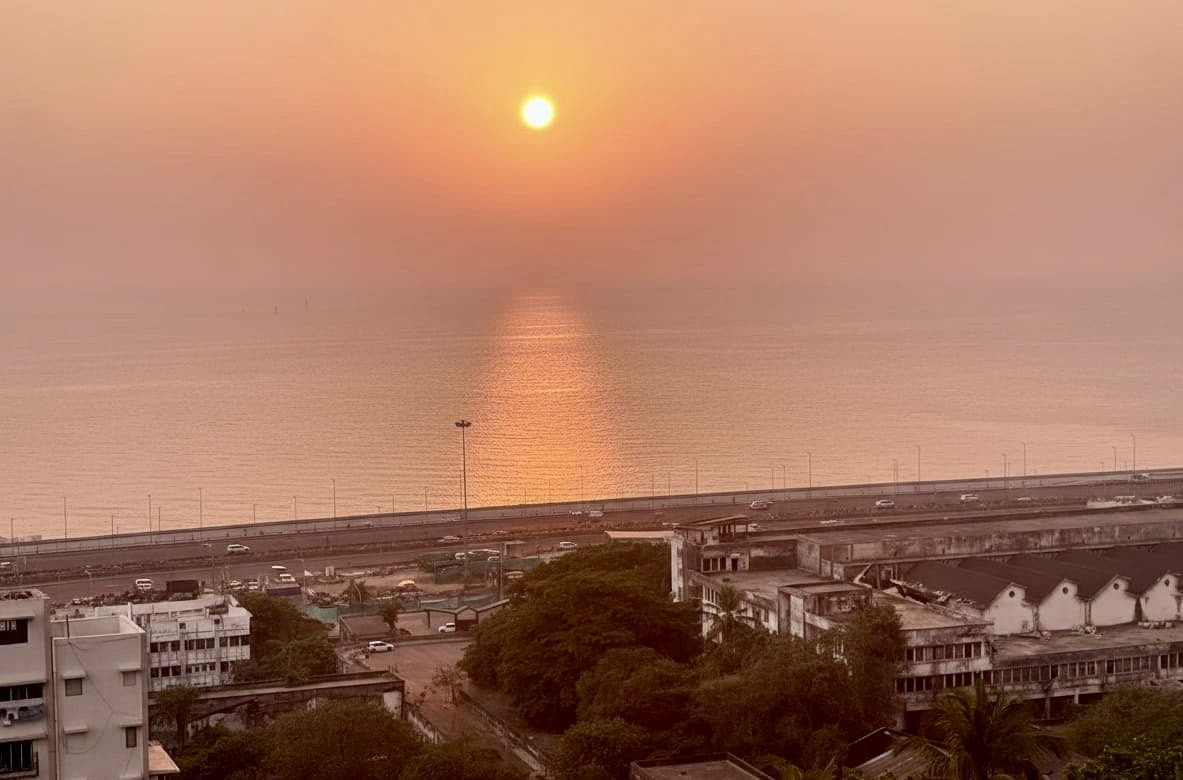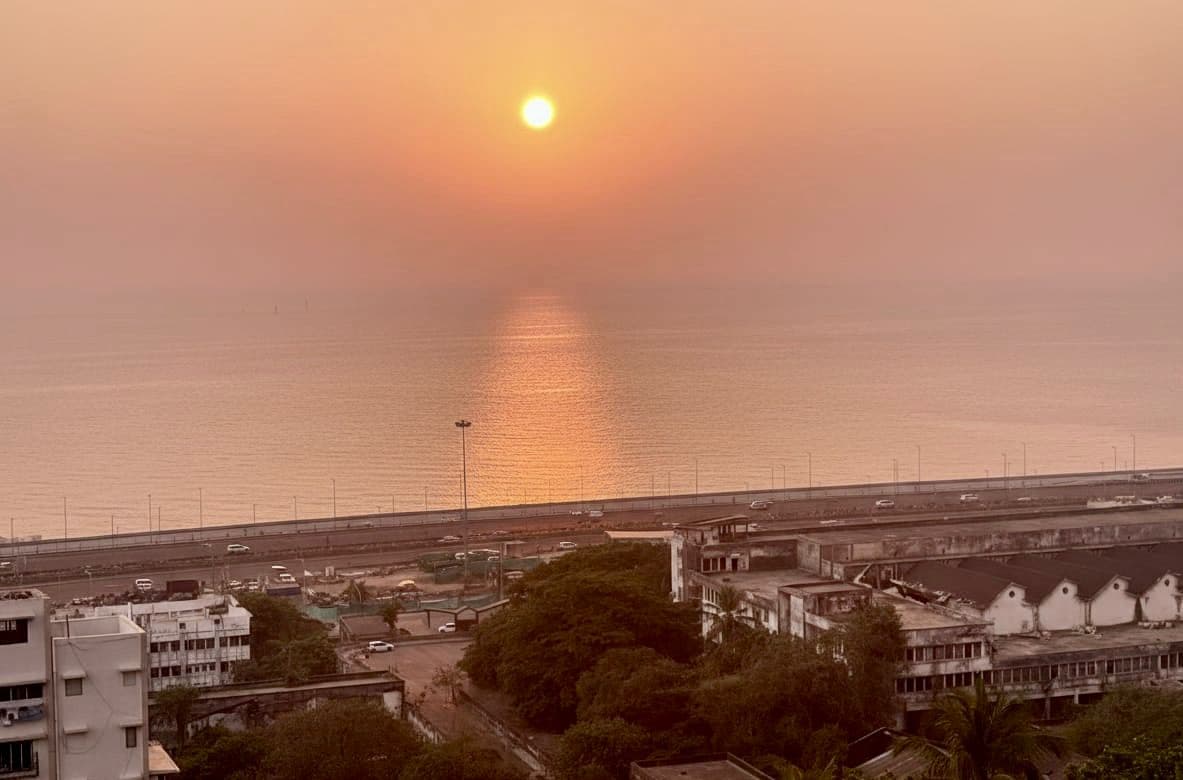
A Worli sea-view 4 BHK at Lodha World View or Ahuja Towers carries a market value of ₹18–32 crore. The owner is asset-rich and often cash-tight — children's overseas education, business working capital, a second-home down payment, or simply better-yielding liquid investments are all sitting on the other side of an LAP. Property Butler's LAP advisory desk has structured 47 Worli loan-against-property transactions over the past 24 months. The ranges below — LTV bands, rate cards, tower-tier acceptance — are what we see actually closing, not what the rate-card brochure claims.
Headline Finding
Worli Tier-1 sea-view towers (Lodha World Towers, World View, World Crest, Ahuja Towers, Indiabulls Blu, Birla Niyaara, Raheja Imperia, Prestige Nautilus) attract LAP at 60–65% loan-to-value at 9.4–10.1% floating rates. Mid-tier towers (Hubtown Celeste, Lokhandwala Minerva, Chaitanya Towers) cap at 50–55% LTV at 9.9–10.8%. Older redeveloped or pagdi-converted stock often gets refused outright. Title clarity, not asset value, is the binding constraint on Worli LAP.
Why Worli LAP Has Its Own Rule Book
Standard LAP rate cards quote a 9.0–10.5% floating rate at 50–60% LTV with a ₹50 lakh – ₹15 crore typical band. Worli ticket sizes break that band. The LAP transactions Property Butler structures here typically run ₹10 crore to ₹35 crore, sometimes higher. At that level, three things change:
- Underwriting moves from branch to private banking / corporate desk — terms get individually negotiated.
- Tower-tier matters more than borrower income — banks valuation-cap based on the tower's resale liquidity, not just the unit's sticker.
- Title and society documentation review is far more granular — older Worli stock with chain-of-conveyance gaps gets rejected even at modest LTV.
Practical translation: for a ₹20 crore Worli flat, getting a sanction at ₹13 crore (65% LTV) versus ₹10 crore (50% LTV) versus a refusal is determined more by the building Property Butler is structuring against than by the borrower's salary slip.
The Tower-Tier Acceptance Map
Property Butler's tracking of which lenders accept which Worli towers, based on closed-deal data over the past 24 months:
| Tower Tier | Representative Buildings | Lender Universe | Typical LTV | Typical Rate |
|---|---|---|---|---|
| Tier-1 trophy (sea-view, Tier-1 brand, post-2015 OC) | Lodha World Towers, World Crest, World View, Ahuja Towers, Indiabulls Blu, Raheja Imperia, Prestige Nautilus, Birla Niyaara | All major private banks + select PSU + housing finance + private banks | 60–65% | 9.40–10.10% |
| Tier-2 mid-luxury (city/race-course view, Tier-1/2 brand, OC 2010–2018) | Hubtown Celeste, K Raheja Artesia, Omkar 1973, Lokhandwala Minerva, Aakasa, Embassy Citadel | Major private banks + housing finance, fewer PSU | 55–60% | 9.70–10.50% |
| Tier-3 older luxury (15–25 yr towers with full title/conveyance) | Chaitanya Towers, Skyplex, Ahuja Tower (older wing), older Adarsh Nagar/Sea-Face stock with clean conveyance | 2–3 private banks + selective NBFC/HFC | 50–55% | 10.10–10.90% |
| Tier-4 problematic (pagdi-converted, missing conveyance, society dispute, heritage zone) | Older Koliwada/Adarsh Nagar stock, pre-2000 cooperative housing without society conveyance, disputed-title structures | Limited NBFC, often refused | 35–45% (when accepted) | 11.50–13.00% |
The Tier-1 to Tier-2 step costs roughly 5–10 percentage points of LTV and 30–60 basis points of rate. The Tier-3 to Tier-4 step is much sharper — Tier-4 is where many owners discover that their flat, however valuable on paper, isn't bankable collateral until the underlying paperwork is fixed.
What Lenders Actually Underwrite
The five gates Worli LAP underwriters check, in the order they'll kill a deal:
✓ Pass — your file moves
- Clear OC + Building Completion Certificate from BMC
- Society conveyance executed; you hold share certificate + occupancy chain
- RERA registration on file (post-2017 buildings) or pre-RERA OC clarity
- No outstanding maintenance / property tax / society litigation
- Borrower CIBIL ≥ 750, income/networth supports interest-servicing 1.5–2x
✗ Fail — file stalls or rejects
- Pagdi-to-ownership conversion still pending or partial
- Society conveyance not executed (society still leasehold from MHADA / mill-land authority)
- Active society litigation, builder dispute, or member-society dispute
- OC pending or partial (specific wings)
- Property held in NRI name without RBI repatriation declaration on file
The single most common reason Worli LAP files stall is society conveyance not executed — a society redeveloped 8–12 years ago whose conveyance from the original land authority remains incomplete. Property Butler estimates 18–22% of older Worli buildings still sit in this state. Banks won't book LAP against a society interest; they need full ownership transferable through registered mortgage. Property Butler's conveyance & society formation guide covers the cure path.
Rate Card vs Closed-Deal Reality
Banks publicize LAP rate cards in the 9.0–10.5% band. Closed-deal terms vary by ₹2 lakh+ borrower income, networth, banking relationship, ticket size, and tower tier:
Worli LAP — Closed-Deal Rate Range, Q1 2026
9.40% — 10.90% floating
Based on 47 transactions structured by Property Butler advisory desk
What moves your rate inside that band:
- Existing private banking / wealth management relationship: 30–60 bps discount typical. If you already park ₹3 Cr+ AUM with HDFC, ICICI, Axis or Kotak Private, expect a relationship-led rate.
- Salaried vs business income: salaried files at the lower band (9.4–9.9%); business income/professional files run 9.7–10.5%; pure-investment-income files (no salary, no operating business) move to 10.1–10.9%.
- Ticket size: ₹15 crore+ tickets are routed through corporate desks where rates are individually negotiated; below ₹5 crore tickets are branch-rate and harder to discount.
- Tenure: 10-year LAP runs 20–30 bps below 15-year LAP at the same credit; 5-year structures run another 10–20 bps below.
- Floating vs fixed: fixed structures are 80–120 bps over floating equivalents and rarely make sense at current cycle position.
Use-of-Proceeds Acceptance — What Banks Will (and Won't) Lend Against
LAP is more flexible than purchase home loan, but not unlimited. Property Butler's tracking of accepted vs scrutinized use-of-proceeds:
| Purpose | Acceptance | Documentation Required |
|---|---|---|
| Children's higher education (overseas) | Universally accepted | University admit letter, fee structure |
| Business working capital / expansion | Universally accepted | CA-certified business plan, last 3 years' P&L |
| Second-home / investment property purchase | Accepted (with restrictions) | Sale agreement + property valuation; banks may cap LTV combined across both properties |
| Medical / family emergency | Accepted, fast-tracked | Medical estimate / declaration |
| Stock market / mutual fund investment | Strongly scrutinized; many banks refuse | Discouraged due to RBI margin-trading rules |
| Gold / jewellery / luxury asset purchase | Generally refused | Not a sanctioned purpose |
| Existing loan refinance / debt consolidation | Universally accepted (a balance transfer) | Existing loan statement, foreclosure letter |
The Worli LAP Closing Timeline
Tier-1 building, clean borrower, no surprises: file submission to disbursement runs 32–55 working days — measurably longer than the 18–25 days a Mumbai purchase home loan takes. Why slower:
- Days 1–5: File assembly — KYC, income proofs, networth, banking, last 24 months' bank statements, last 3 years' ITR.
- Days 5–18: Property valuation by 2 empanelled valuers (banks insist on dual valuation for ₹10 crore+ tickets to avoid valuer-collusion risk). Worli valuations get extra scrutiny — physical site visits, photo-documentation of view, comparable transaction sample.
- Days 18–35: Legal — title search 30 years, society documentation review, OC verification, RERA cross-check, conveyance trace. The single longest stage.
- Days 35–45: Credit committee approval (₹15 crore+ tickets always go to head-office credit committee, not branch).
- Days 45–55: Mortgage registration at sub-registrar (Worli falls under Office VII for older stock; Coastal sub-registrar for newer), stamp duty 0.5% of loan amount, disbursement post-registration.
The Property Butler Playbook for Worli LAP
- Sequence the lender shortlist by tower tier first. Don't approach a Tier-1 private bank for a Tier-3 building — you'll burn time on a likely refusal. Match the bank universe to the asset.
- Run the title scrubbing in parallel with rate negotiation, not sequentially. Pre-clearing OC, conveyance, society NOC, and any outstanding municipal dues compresses the 35-day legal stage to 18.
- Get dual valuations before applying. Two pre-arranged independent valuations save the bank's process time and let you negotiate from a defended valuation rather than the bank's lowballed first cut.
- Negotiate insurance bundling explicitly. Banks will try to package property insurance and loan-cover insurance as mandatory add-ons at retail rates. Both are competitive markets — quote them out separately.
- Build the sanction with prepayment-friendly terms. LAP is most useful when you can prepay without penalty as liquidity returns — most banks offer free prepayment on floating-rate LAP, but the documentation language varies.
Considering a Worli LAP for ₹10 Cr+ ticket?
Property Butler's advisory desk pre-screens tower-tier acceptance, structures dual valuations, and runs the lender shortlist for you — typically saving 15–25 working days versus walking in cold to a bank.
Speak to the LAP DeskFrequently Asked Questions
What's the maximum LTV I can get on a Worli sea-view 4 BHK?
Property Butler's closed-deal data shows 60–65% LTV on Tier-1 Worli sea-view towers (Lodha World Towers, Ahuja Towers, Indiabulls Blu, Raheja Imperia, Birla Niyaara) for borrowers with clean credit and supporting income. On a ₹25 crore flat that translates to a sanction of ₹15.0–16.25 crore. The 5% gap between 60 and 65% LTV typically tracks the borrower's existing private-banking relationship and the cleanliness of the property documentation.
Will banks lend against a Worli flat held in NRI name?
Yes, but with friction. Most major Indian private banks structure NRI LAP on Worli stock at LTVs 5 percentage points lower than equivalent resident structures (typically 55–60% rather than 60–65%) and require RBI compliance documentation — repatriation declaration on the original purchase, FEMA Form A2 cover, and an attorney resident in India for execution. Tenure caps shorten too — typically 7–10 years rather than 15. Property Butler covers the NRI repatriation playbook in Worli's NRI repatriation guide.
My Worli flat is in an older society without conveyance — can I still get LAP?
Generally no — at least not at meaningful LTV. Banks require fully transferable ownership with registered mortgage capacity. Older Worli societies that have not executed conveyance from the underlying land authority (MHADA, mill-land trust, BMC) sit in a legal gray zone where the bank's mortgage charge can't be perfected. The fix is to drive society conveyance to closure first — typically a 4–9 month process led by the managing committee. NBFC structures may bridge at 35–45% LTV at much higher rates (11.5%+) but are stop-gap, not permanent.
Can I use Worli LAP proceeds to buy another property?
Yes — for second-home or investment-property purchase, LAP proceeds are an accepted use. Most banks will require sale agreement of the new property and may apply a combined LTV cap (so they don't end up overlevered across two properties on one balance sheet). Practically, an HNI buyer pulling ₹15 crore LAP against a Worli flat to part-fund a ₹40 crore Bandra purchase is a structure Property Butler sees regularly. Stock-market or mutual-fund investment as use-of-proceeds is generally refused due to RBI margin-trading restrictions.