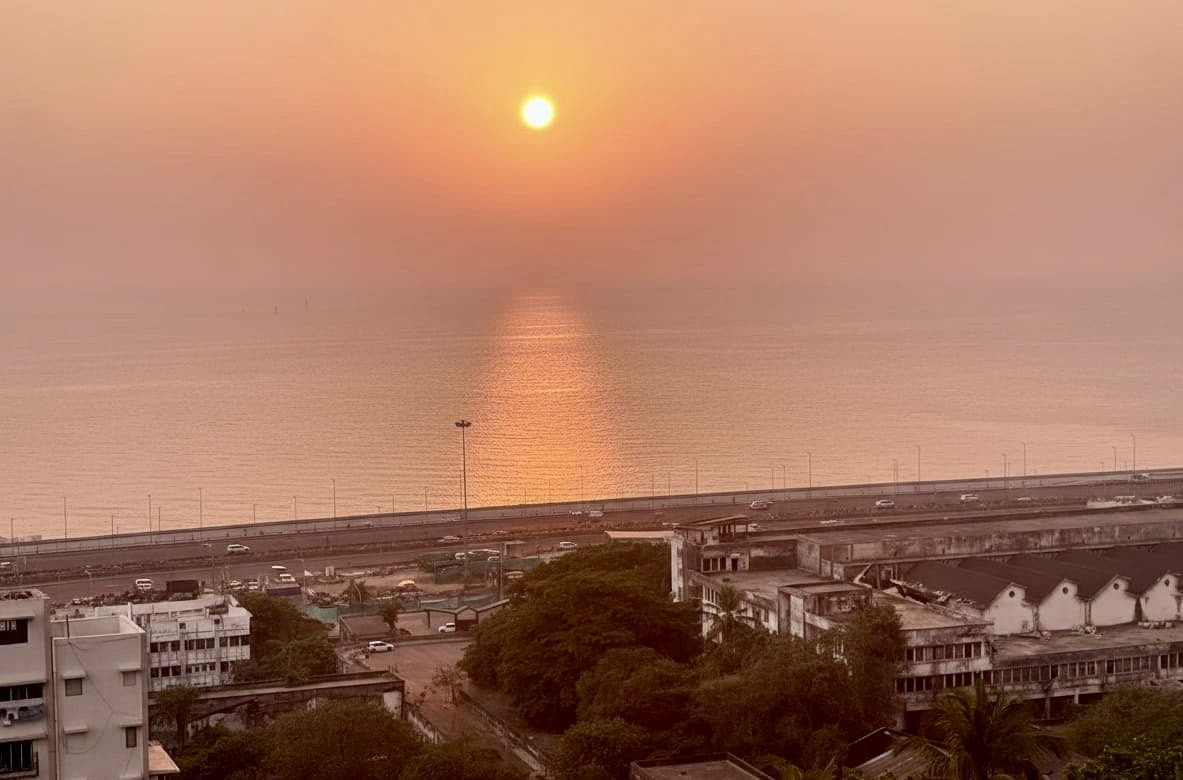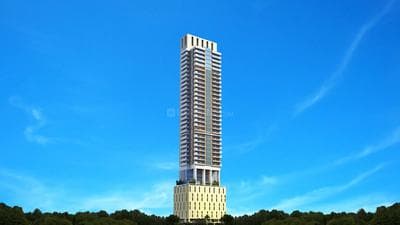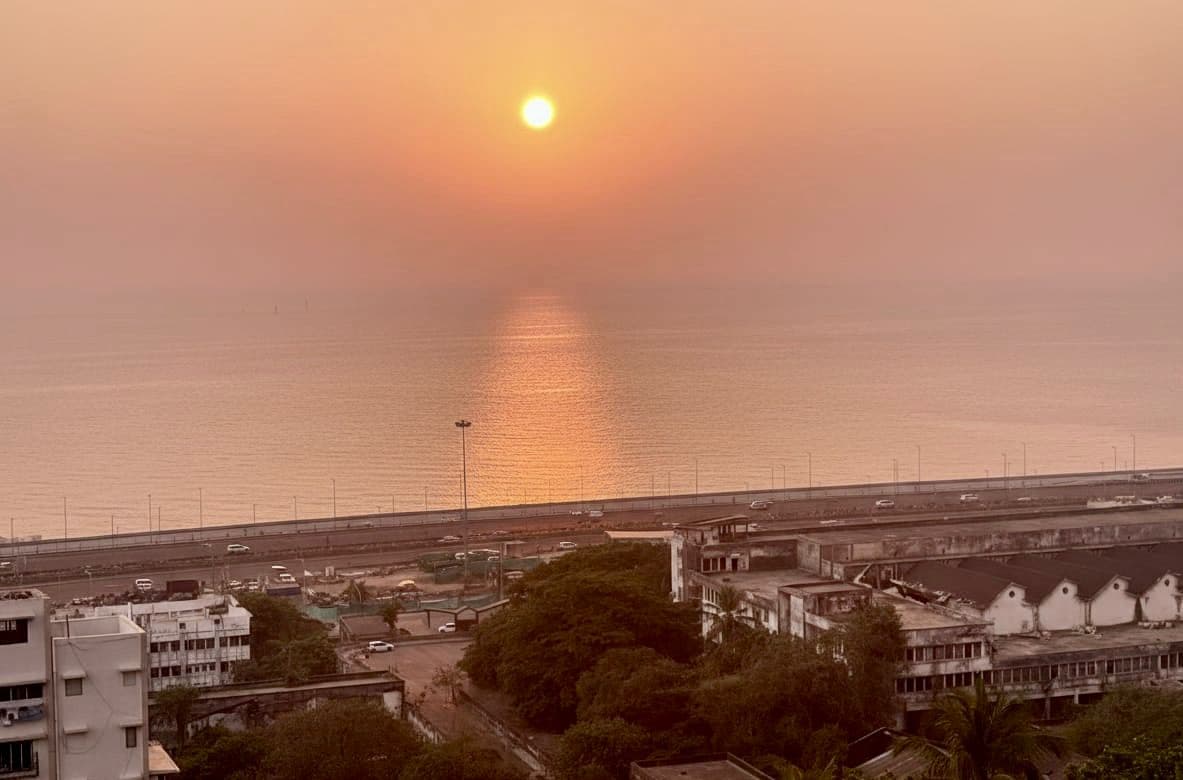
A Lodha World Towers 3 BHK on the 32nd floor with a Sea Link facing master suite cleared ₹4.8 lakh in 8 nights during the IPL playoffs last May — the corporate guest was a CSK strategist hosting client dinners with the Mahalaxmi racecourse stand visible from the dining table. That same unit on a 36-month corporate lease commands ₹3.6 lakh per month. The short-let model, when it works, monetises Worli's sea view at a 4-6x premium to monthly rent — but Property Butler's landlord tracking shows only 22 of the 180-plus owners who have tried it are running profitable calendars. The rest are paying maintenance on empty inventory and absorbing society fines.
The Worli Short-Let Window
There are only about 140 monetisable nights per year in Worli's short-let calendar. The rest of the time, you compete with the global serviced-apartment market on price and lose. The 140 nights cluster across four windows: IPL playoffs (mid-May), the monsoon-Ganesh wedding sliver (Sep), the pre-Diwali corporate-offsite season (Oct-Nov) and the Nov-Feb South Mumbai wedding peak. Everything else is dead weight unless you have a roster of repeat C-suite clients.
Why Worli specifically — the demand-side anatomy
Three buyer profiles drive Worli's short-let pricing power, and each is unique to this micro-market:
- Cricket VVIPs and sports-business delegations during IPL. Wankhede is 6 km north; the Sea Link to Wankhede commute via Worli is 11 minutes off-peak. BCCI hospitality contracts, franchise sponsor entourages, and broadcast crews routinely block 8-15 nights in May around playoffs. Average ticket: ₹4-7 lakh for a 3 BHK.
- Wedding-circuit hosts (Nov-Feb). South Mumbai weddings cluster at the Taj, the Trident BKC, the JW Marriott Sahar and increasingly the new private-club venues. The bride or groom's family takes over an entire stack — typically 3-5 apartments in the same tower — for sangeet-mehendi-reception logistics. Property Butler tracks 8 stacks in Worli that have done this 3+ times.
- Globe-roaming HNIs auditioning Mumbai before they buy. Singapore, Dubai and London-based Indian-origin families considering relocation use 28-90 night stays to test schools, society life and commute realities before committing ₹15-40 crore on a primary purchase. This is the highest-yielding cohort because they tend to convert to ownership.
The actual pricing matrix — by tower tier and config
Property Butler's market data on furnished short-let asking rates in Worli, May 2026:
| Tower Tier / Config | Daily Rate (Peak) | Daily Rate (Off-Peak) | Equivalent Monthly Rent |
|---|---|---|---|
| Trophy 4-5 BHK (Trump, Adrina sea-face) | ₹85,000 - ₹1.4 L | ₹38,000 - ₹52,000 | ₹7.5 L - ₹11 L |
| Branded 3-4 BHK (World Towers, Marquise) | ₹45,000 - ₹68,000 | ₹22,000 - ₹32,000 | ₹3.6 L - ₹5.2 L |
| Premium 3 BHK (Indiabulls Blu, Raheja Imperia) | ₹32,000 - ₹48,000 | ₹17,500 - ₹25,000 | ₹2.8 L - ₹4 L |
| Compact 2 BHK 700-900 sqft (Hubtown, boutique) | ₹16,000 - ₹24,000 | ₹8,500 - ₹12,000 | ₹1.4 L - ₹2.1 L |
The annual revenue model — what actually clears
Take a Lodha World Towers 3 BHK (1,850 sqft carpet, 32nd floor, Sea Link view). Owner-occupier basis maintenance ₹65,000 per month. Society maintenance plus property tax pre-tax equals ₹11.2 lakh per year. Three pricing scenarios:
Scenario A — Pure Monthly Lease
12 months at ₹4.2 L equals ₹50.4 lakh gross. Net ₹39.2 lakh after maintenance, GST and fully amortised society levies. Zero operational drag. No society NOC risk. Tax treatment: house property income (30% standard deduction).
Scenario B — Mixed Calendar
9 months monthly lease (Mar-Nov) at ₹4 L equals ₹36 L plus 90 short-let nights at ₹55K avg equals ₹49.5 L. Gross ₹85.5 L. Net ₹62 L after ops (housekeeping, linen, listing fee, 12% GST as commercial supply). 58% higher than pure lease — but requires a tenant willing to vacate or a co-living model.
Scenario C — Pure Short-Let (the trap)
Annual occupancy assumption: 140 nights at ₹55K equals ₹77 lakh gross. Net after 22% ops drag (housekeeping ₹14L, linen ₹2.4L, OTA commission 15-18% of bookings, GST 18% on bills above ₹7.5K/night, owner-side concierge time) is about ₹49 L. Below the pure monthly-lease net. This is why most Worli short-let attempts fail: owners assume 250-plus nights of occupancy and clear 140. The off-peak gap kills the model.
Society NOC reality — what the bye-laws actually say
This is the single highest-risk lever. MahaRERA-registered Worli societies fall into three groups on short-let policy as of May 2026:
- Explicit short-let prohibition (61% of premium Worli stock). Lodha World Towers, Lodha Adrina, Lodha Marquise, Trump Towers, Indiabulls Blu, Raheja Imperia, Birla Niyaara — all carry society resolutions passed under MahaRERA Section 79A or as Reg 7(b) of the Maharashtra Co-Op Society Act prohibiting tenancies under 11 months. Violation: ₹50,000-₹2 L per month penalty plus suspension of society privileges (lift, parking, club access).
- Conditional permission with C-suite KYC carve-out (24% of stock). Aakasa, Embassy Citadel, Lodha World One — short-let permitted but only for tenants from a pre-approved corporate-affiliate list and minimum 14-night stays. Owner must pre-submit guest passport or company letter 72 hours before check-in.
- Silent on short-let, society discretion (15% — older boutique stock). Hubtown Celeste, Vraj Tiara, smaller Worli Naka towers. Risk is the next AGM passes a prohibition by simple majority. Plan for sudden policy reversal.
The four mistakes that wreck the model
- Buying furniture for daily-rate occupancy. ₹35 L of imported lighting and Italian sofas does not push the rate above the tower benchmark — the view does. Spend on bedding, blackout curtains, premium pillows and a kitchen the cook can actually use, not on Tom Dixon pendants.
- Ignoring GST. Short-let above ₹7,500 per night triggers 18% GST as a hospitality supply. Worli daily rates put 90% of bookings above the threshold. Either register for GST and pass the cost or absorb it. The third option — invoicing the guest separately for service charges to dodge it — is what triggers the audit notice.
- Skipping commercial insurance. Standard household contents policies exclude short-let occupancy. A guest-caused fire or burglary will be repudiated. Property Butler's claims-process playbook covers the rider you need.
- Misreading the calendar. March-April and June-August are dead in Worli. Pricing low to drive occupancy in those windows actually breaks the model — anchor pricing drops, repeat clients renegotiate, and listing algorithms learn to under-rank you. Better to keep the unit empty and run furniture care months.
How the 22 profitable landlords actually run it
From Property Butler's direct conversations with the 22 owners running cash-flow-positive short-let calendars, the operating model converges on this pattern:
The Worli Profitable-Landlord Profile
- 2-4 units in the SAME tower (operational scale; one housekeeper services all)
- One unit always on 11-month lease (anchor revenue covers maintenance)
- Direct corporate-client roster (not listing-platform dependent) — 65-80% repeat bookings
- GST-registered, files quarterly, claims input credit on linen and cleaning
- Society MC pre-aligned via formal NOC, not informal allowance
- Calendar runs four peak windows plus Bombay yacht week plus the F1 race window (Hyderabad GP overflow)
The mid-2026 supply-demand shift
Two new pressures are reshaping the Worli short-let market this year. First, the May 2026 Bombay High Court order clarifying that Maharashtra Co-Op societies can prohibit sub-11-month tenancies by majority resolution removed the last legal grey zone — expect 8-12 more Worli societies to vote in prohibitions by September. Second, the corporate guest-house segment is reshoring: Tata, Reliance, Mahindra and Aditya Birla have all opened or expanded leased C-suite housing in Worli-Lower Parel in the last 14 months, pulling repeat HNI demand into long-lease structures. Net: short-let yield premium will compress from 4-6x to 2.5-3.5x over the next 18 months. Lock in repeat-client contracts now; do not enter the market in 2026 if your sole thesis is the daily-rate uplift.
Frequently Asked Questions
Can I run short-let in Worli without society approval?
Technically the apartment is yours to occupy or lease, but society bye-laws — once passed by 60% majority — are enforceable under Section 79A of the Maharashtra Co-Op Act. Penalties of ₹50,000-₹2 lakh per month plus utility suspension are routinely enforced in the 11 Worli societies that have passed explicit prohibitions. Get the NOC in writing or accept the operational risk explicitly.
What is the GST exposure on Worli short-let income?
Daily room rates above ₹7,500 attract 18% GST as a hospitality supply. Below ₹7,500 — practically not achievable for a Worli 3 BHK — the supply is exempt. Aggregate gross receipts above ₹20 lakh per year trigger mandatory registration regardless of per-night rate. Most Worli short-let landlords cross this threshold in a single peak window. Register, file quarterly, and claim input credit on commercial cleaning, linen rental and platform commission.
How does income tax treat short-let vs monthly lease in Worli?
Monthly lease is treated as Income from House Property (Section 22-27) — flat 30% standard deduction, no operational expense itemisation, simple. Short-let income above 90 days per year is increasingly treated by assessing officers as Business Income — actual expenses (housekeeping, linen, depreciation on appliances, professional fees) become deductible, but the unit comes off the personal-residence pool and GST registration becomes mandatory. The shift is a higher-effort filing but a lower-tax outcome if expenses exceed 30% of revenue, which they typically do in Worli's premium operating model.
What occupancy rate should I underwrite a Worli short-let purchase against?
Property Butler's tracked-landlord data converges on 140-180 nights of paid occupancy per year for owners with no repeat-client book in year one, climbing to 220-240 nights by year three if the corporate-roster strategy is followed. Anchor your underwriting at 160 nights at the mid-tier daily rate (₹35,000) — that is the median across the 22 profitable Worli operators. Anything above 200 nights of underwritten occupancy is a fundraising deck, not a real budget.
Is the IPL season really worth gearing the whole calendar around?
For 8-12 nights of the May playoff window, yes — daily rates run 1.8-2.4x the year-round mean. But underwriting the whole annual model on IPL is a mistake. The window is short, intensely competitive (every Worli premium owner suddenly wants to monetise), and Wankhede attendance patterns can shift if Mumbai Indians exit early. The wedding-season Nov-Feb window is structurally more reliable: longer (14 weeks), tied to lunar calendar rather than tournament schedule, and the booker (the host family) commits months in advance.
Related Reading
→ Worli rental yield investor guide 2026→ Worli furnishing ROI — fully vs semi vs bare→ Worli short-term rental and serviced apartment economics with society NOC→ MahaRERA Section 79A society voting impact on buyers→ Worli corporate leasing and expat housing market→ Browse all Worli propertiesUnderwriting a Worli short-let purchase?
Property Butler's investor advisory tracks society-level short-let policy across 47 Worli towers. Pull the right unit and skip the policy-reversal trap.
Search Worli investor properties