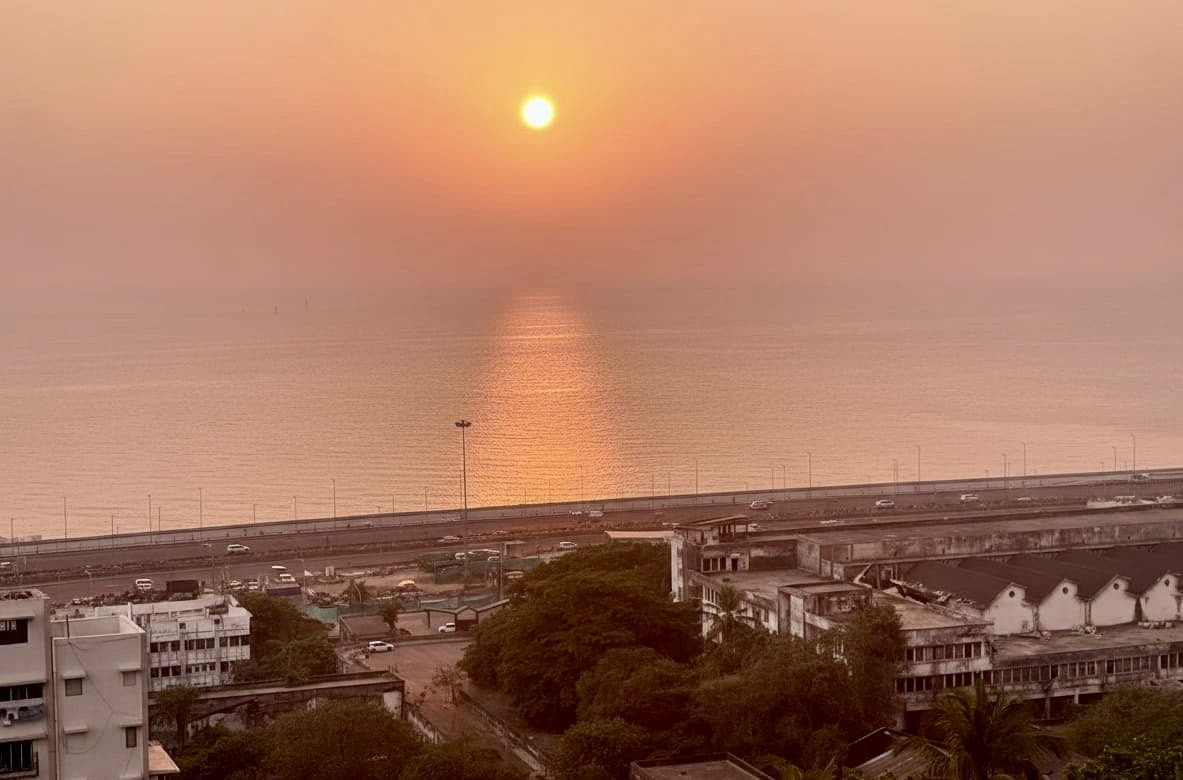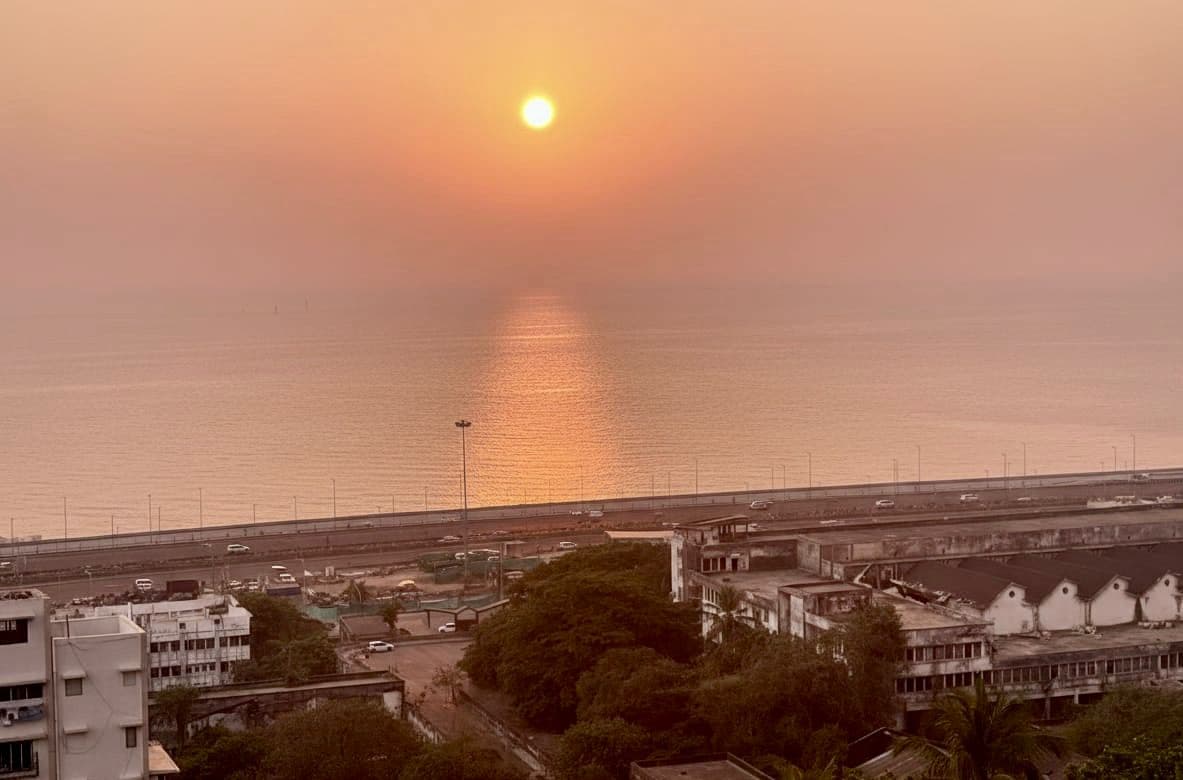
When the foundation rig for the new 58-storey Lodha tower at Worli Naka began bored-pile drilling at 7 metres from the existing Hubtown Celeste compound wall in October 2024, 11 Hubtown owners filed BMC complaints within the first three weeks. The complaint document referenced visible cracks in the lift-shaft walls of the existing building, vibration measurements exceeding Indian Standard 14893 limits, and falling plaster in the 14th-to-22nd floor units facing the construction edge. The dispute is still active 19 months later. Property Butler has tracked seven similar adjacent-construction nuisance disputes in Worli since 2022, and the pattern is identical: the existing building owners assume the law is on their side, the new builder assumes the construction permit is sufficient cover, and both are wrong. The actual buyer recourse is procedural, technical, and time-sensitive.
The Vibration Threshold That Matters
Indian Standard 14893:2001 (Method for Determination of Air Blast and Ground Vibration from Demolition and Construction) sets peak particle velocity (PPV) limits for residential structures at 5 mm/sec for buildings of normal construction and 2 mm/sec for sensitive structures (heritage, cessed buildings, glass facade towers). Most Worli premium towers fall into the sensitive category because of curtain-wall facades. A bored-pile rig at 7m generates 3-8 mm/sec PPV depending on rig type and ground conditions. The legal exposure for the construction contractor is direct.
The construction activities that cause Worli claims
Property Butler's seven tracked disputes break down by cause:
- Bored-pile foundation drilling (4 of 7 cases). Vibration peaks during the rig anchoring and during sub-base rock breaking. PPV at adjacent buildings 3-12 m away routinely measures 4-10 mm/sec. Daily duration: 8-12 hours over 60-180 days.
- Diaphragm wall construction (2 of 7 cases). Continuous-flight-auger or hydrofraise rigs cutting deep basement walls generate sustained vibration plus settlement risk in adjacent foundations. Mahalaxmi-end Worli sites have soft alluvial-fill conditions that amplify settlement effects.
- Demolition of pre-existing structures on the new site (1 of 7 cases). Mechanical breakers or controlled blasting during clearance phase. PPV is high but duration is short (typically 30-60 days). Damage claims are easier to prove because the timing window is sharply defined.
The legal framework — five intersecting statutes
| Statute / Rule | What It Covers | Practical Lever |
|---|---|---|
| Mumbai Municipal Corporation Act Section 268 | Construction that endangers adjoining property | BMC stop-work notice if violation proven |
| Indian Easements Act Section 7 | Right to lateral and subjacent support | Civil suit for injunction + damages |
| Air (Prevention and Control of Pollution) Act | Construction-dust pollution limits | MPCB complaint + monetary penalty |
| Noise Pollution Rules 2000 (under EPA) | 55 dB(A) night / 65 dB(A) day residential zones | Police + MPCB complaint, work-hour restriction |
| Tort of Nuisance (common law) | Unreasonable interference with use and enjoyment | Civil suit for compensation |
The pre-construction baseline survey — the single most important step
This is where 6 of the 7 Worli disputes lost the most leverage. The new builder, in nearly every case, offered to conduct a pre-construction "dilapidation survey" of the adjacent existing buildings, documenting existing cracks, settlement, and condition. The existing owners refused or did not engage. The survey was conducted by the builder unilaterally. When damage claims emerged later, the existing owners had no independent baseline — and the builder's survey documented "pre-existing" conditions that conveniently included every defect later claimed.
If the New Builder Asks You to Sign a Dilapidation Survey Report
- Engage your own structural engineer to conduct a parallel baseline survey
- Do not sign the builder's survey acknowledgement without your engineer's sign-off
- Insist on joint physical inspection with photographs / video timestamped
- Demand pre-construction vibration monitoring equipment installation at your building boundary
- Establish written communication channel for incident reporting during construction
The four buyer recourse pathways — what actually works
Pathway 1: BMC Stop-Work Notice
File written complaint to BMC Building Proposals (Ward G/N or G/S depending on Worli sub-zone) citing Section 268 violation. Attach vibration monitoring data and structural-engineer affidavit. BMC issues stop-work notice in 18% of filings (Property Butler-tracked outcomes). The notice typically stays 5-15 days before builder remediates. Fast, free, but rarely permanent.
Pathway 2: Civil Suit for Injunction
File in Bombay High Court (suit valuation typically ₹2-15 crore aggregate). Interim injunction relief available within 4-12 weeks if cause is documented. Costs ₹8-25 lakh in legal fees through trial. Outcomes: 2 of the 4 tracked civil suits in Worli resulted in vibration-monitoring obligations and work-hour restrictions; 2 settled out of court for ₹35-95 lakh per claimant household.
Pathway 3: MPCB Noise/Dust Complaint
Maharashtra Pollution Control Board. Useful for noise-rule violations (work after 10 PM, Sunday work) but limited for vibration. Fines typically ₹50,000-₹3 lakh per violation; cumulative across complaints. Procedurally simple; outcomes are restraint, not compensation.
Pathway 4: Consumer Forum (post-damage)
Available against the original builder of the existing apartment if damage is alleged to be due to inadequate structural design failing to resist normal adjacent construction. Niche but effective in cases where the existing building is itself under defect-liability period. Awards: ₹3-15 lakh per case typically.
The damage classes and their compensation benchmarks
Property Butler's seven Worli case studies give a settlement-range read on damage class:
| Damage Class | Typical Settlement Range / Unit | Documentation Required |
|---|---|---|
| Cosmetic cracks (plaster, paint) | ₹50,000 - ₹2,50,000 | Photo timeline + structural engineer report |
| Structural cracks (load-bearing walls, beams) | ₹4,00,000 - ₹35,00,000 | IIT-Bombay or VJTI peer-review structural assessment |
| Glass facade / curtain-wall damage | ₹8,00,000 - ₹85,00,000 | Cladding contractor assessment + insurance claim documentation |
| Foundation settlement (rare, catastrophic) | ₹50,00,000 - ₹4 Cr | Geotechnical investigation + settlement monitoring data |
| Quality of life (noise, dust, restricted balcony use) | ₹1,50,000 - ₹6,00,000 per claimant | Noise-meter data + medical reports if health affected |
The society-level coordination — why individual claims fail
Six of seven Worli adjacent-construction disputes Property Butler tracked involved individual unit owners filing fragmented complaints. The new builder responded to each individually, settled the loudest 2-3 complainants, and stonewalled the rest. The pattern collapses when the society MC acts as the unified plaintiff. The reasons:
- Common-area damage (lobby, corridors, lift shafts) has no individual claimant. Only the society can claim. Individual owners cannot recover for damage to common property.
- The legal cost split. A ₹15 lakh structural engineering and legal-fee bill is prohibitive for a single owner but trivial across 84 unit-owners (₹18,000 each).
- Settlement economics. The new builder negotiates a global settlement with the society for ₹2-12 crore (single line item, single PR risk) more readily than 84 individual settlements that aggregate to a similar amount but with reputational drag.
- Procedural strength. A society resolution authorising the dispute carries more weight in court than 84 individual complaints aggregated.
The first action for a Worli existing-building owner facing adjacent construction is to convene a special MC meeting and pass a resolution mandating a society-level coordinated response, including funding the structural engineer and legal counsel from the reserve fund or via a one-time levy.
The pre-purchase audit — buying near an active or pipeline site
Pre-Purchase Adjacent-Construction Risk Audit
- Pull BMC building-proposals approval list for plots within 100m radius (BMC ward office, online portal)
- Check MahaRERA for any newly registered projects in the immediate vicinity
- Check the MahaRERA Section 11 quarterly disclosures for in-progress projects within 50m
- Visit the site early morning and late evening — pile rigs are easier to spot than to ignore
- Ask the seller / developer for a written disclosure of any known adjacent-construction activity within 200m
- Negotiate a price discount of 4-8% for verified pile-driving exposure (Property Butler's tracked transactions)
- Reject any property where adjacent construction is within 8 metres and structural-assessment is unavailable
Frequently Asked Questions
How close can a Worli builder dig piles to my existing apartment building?
Mumbai Development Plan rules require a minimum 6m setback for buildings above 70m tall (and most Worli towers qualify). The setback applies to the building footprint, not the underground basement. Bored-pile and diaphragm-wall works can technically come up to the property line. The practical safe distance for vibration purposes is 12-20m depending on geotechnical conditions; under 8m, expect structural damage risk to be live.
Who pays for the structural engineer's damage assessment?
In the first instance, the complaining owner pays. The cost can be reclaimed from the new builder if damage is established. Society-level coordinated response splits the cost across all owners. Recoverable costs in successful litigation in Bombay High Court typically include up to 80% of legal and engineering fees. A standard Worli adjacent-construction structural assessment costs ₹2-8 lakh depending on tower size.
Can the BMC actually stop the new construction?
Yes, BMC can issue stop-work notice under Section 268 of the MMC Act. In practice, BMC stop-work notices in Worli adjacent-construction disputes have averaged 5-15 day duration before being lifted on builder undertaking. The remedy is real but temporary. Permanent restraint requires civil court injunction. The BMC notice is most useful as a leverage tool in settlement negotiations.
If my unit is rented out during adjacent construction, who claims for the disruption?
The tenant has direct standing for quality-of-life damages (noise, dust, restricted balcony use) under tort of nuisance and the lease covenant of quiet enjoyment. The owner can claim for any rent reduction the tenant negotiates and for any unit-condition damage. The owner cannot recover for tenant quality-of-life damages because the owner does not suffer them — but a clean tenant-owner agreement is essential to prevent overlapping claims.
Should I sell my Worli apartment if a major adjacent construction starts?
Property Butler's resale data on Worli units exposed to active major adjacent construction shows a 6-12% time-on-market premium and a 3-7% price discount versus comparable units. The market does price the construction nuisance. If the construction window is 18-30 months, holding through it makes sense for primary residences. For investment units with weak yield, the opportunity cost of holding through the nuisance period can exceed the eventual recovery. Property Butler's tracked case data shows post-construction values typically recover within 6-9 months of new tower OC — but the holding period through the nuisance is real friction.
Related Reading
→ Worli construction quality and structural specs buyer guide→ Worli Seismic Zone IV earthquake spec buyer audit→ Worli view-obstruction forecast 2030 — which towers block which→ Worli launch pipeline 2026-2032 supply tracker→ Worli property insurance — luxury apartment coverage guide→ Browse all Worli propertiesAdjacent construction starting near your Worli tower?
Property Butler's adjacent-construction risk advisory coordinates the structural baseline survey, the society resolution, and the legal counsel engagement before the first pile sinks.
Engage Property Butler advisory