Buying Under-Construction in Parel 2026: Your RERA Protection and Financial Safety Guide
The Core Tension in Parel Right Now
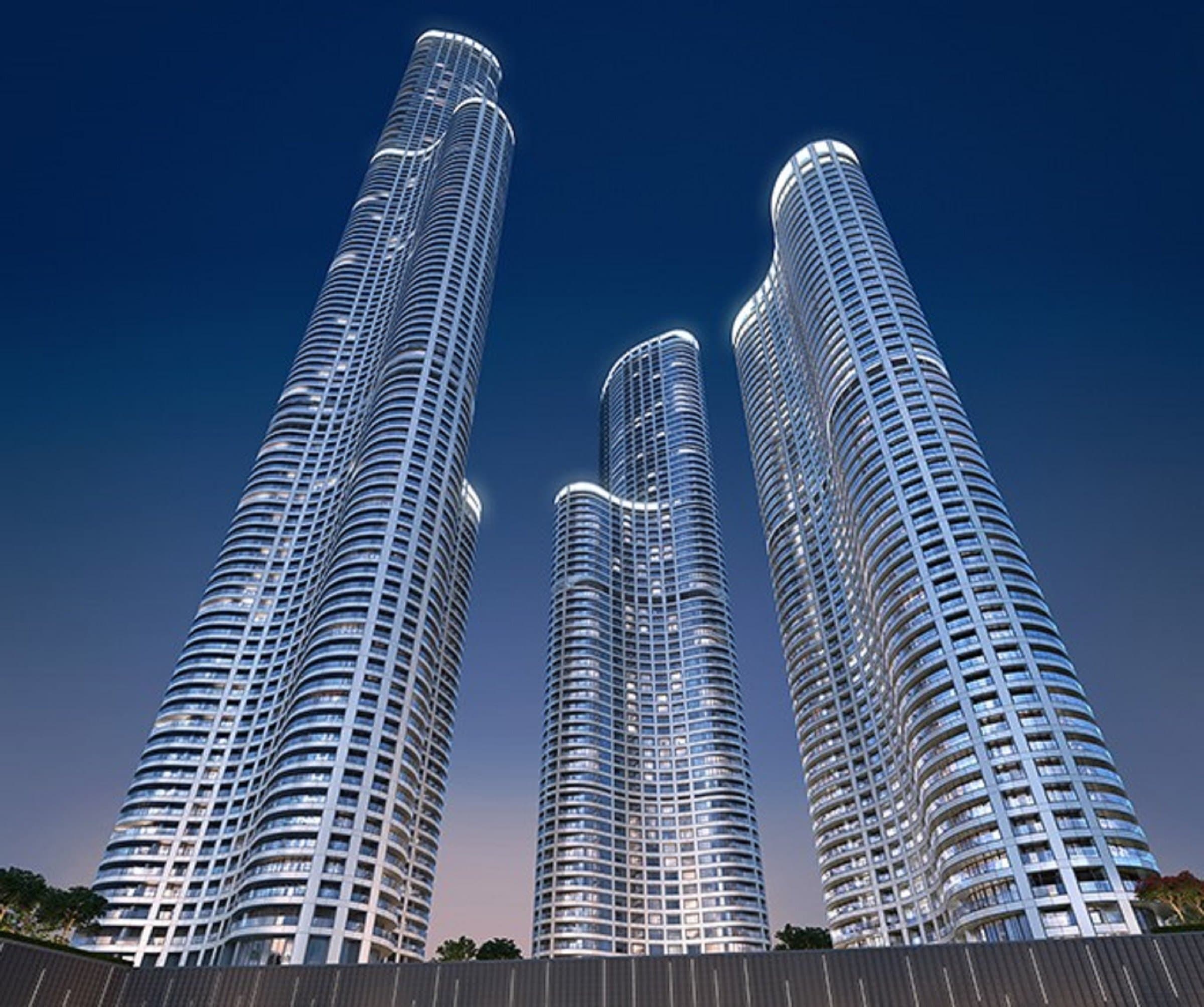
Property Butler tracks three Parel projects delivering in December 2030: Sattva Parel, Sobha Inizio, and Bhoomi Simana. That is a 54-month wait from today. At the same time, near-term deliveries — Ruparel Ariana (July 2026), Ruparel Jewel (December 2026), Lifescapes Glory (December 2026) — exist in the same locality at comparable pricing bands. This guide tells you exactly what RERA protects, what it does not, and how to financially de-risk a 54-month commitment.
Why Parel's Under-Construction Market Is Concentrated Around Two Horizons
Property Butler's market data shows Parel's current under-construction inventory clusters around two distinct possession horizons: the near-term 2026 band (Ruparel group projects) and a 2030 band anchored by listed developers Sobha and Sattva. The gap between — 2027 to 2029 — has almost nothing new launching. This creates a binary buyer decision: ready-now at a 12–18% RTM premium per sqft, or lock in at under-construction pricing and wait 54 months. Property Butler's experience tracking Parel buyer behaviour shows buyers consistently underestimate the psychological and financial toll of a 54-month wait — that is four and a half years of EMI plus rent, or EMI while living elsewhere.
Active Under-Construction Projects: Full Inventory Snapshot
| Project | Config | Price Range | Carpet (sqft) | Possession |
|---|---|---|---|---|
| Ruparel Ariana | 3 BHK | ₹7.00–7.30 Cr | 1,351–1,413 | Jul 2026 |
| Ruparel Jewel | 3 BHK / 4 BHK | ₹8.05–9.14 Cr | 1,040–2,052 | Dec 2026 |
| Lifescapes Glory | 1 / 2 / 3 BHK | ₹1.71–5.00 Cr | 450–1,307 | Dec 2026 |
| Sattva Parel | 2 BHK sea view | ₹3.15–3.40 Cr | 761–832 | Dec 2030 |
| Sattva Parel | 3 BHK | ₹4.60–6.20 Cr | 1,118–1,506 | Dec 2030 |
| Sobha Inizio | 2 BHK | ₹5.08 Cr | 847 | Dec 2030 |
| Sobha Inizio | 3 BHK | ₹6.12–7.35 Cr | 1,021–1,225 | Dec 2030 |
RERA's 70% Escrow Rule: What It Means and What It Misses
MahaRERA requires developers to deposit 70% of all collections — booking amounts and every construction-linked instalment — into a dedicated RERA escrow account with a scheduled bank. This account can only be debited for actual construction costs and land cost, with quarterly certification from an engineer and a chartered accountant.
What the 70% Rule Protects and What It Does Not
Protects: Your money from being siphoned to fund a different project. Ring-fenced per project, per account.
Does NOT protect against: Construction cost overruns consuming the escrow. A developer who correctly deposited 70% but underestimated build costs can still stall — money there but runs out before completion. This is the most common failure mode in Mumbai UC projects.
Practical check: Every MahaRERA-registered project has a page at maharera.mahaonline.gov.in. Before signing, verify quarterly progress reports are filed on time and engineer certifications are current. Gaps in quarterly filings are the earliest warning sign of financial stress — even if the construction site looks active.
Calculating Delay Compensation: The Exact Formula
Under Section 18 of the Real Estate (Regulation and Development) Act 2016, if a developer misses the RERA-registered possession date, you are entitled to interest at SBI MCLR plus 2% on every rupee paid, for every month of delay. As of May 2026, SBI 1-year MCLR is 9.10%, making the effective compensation rate approximately 11.10% per annum.
Delay Compensation Formula
Monthly Compensation = (Total Amount Paid x 11.10%) divided by 12
Example: You paid Rs 3 Cr across instalments. Possession delayed 12 months.
Annual Compensation = Rs 33.3 lakh for that year of delay
Two critical points: First, the compensation base is the cumulative amount paid, not just the booking — your entitlement grows with each instalment. Second, you can either claim compensation and keep the flat, or exit entirely and claim full refund plus interest from the date of each individual payment. Property Butler advises deciding after 6 months of delay, not immediately — developers frequently recover within the first quarter of slippage.
Developer Risk Tiers: Sobha vs Sattva vs Ruparel
| Developer | Risk Tier | Positive Factors | Key Risk |
|---|---|---|---|
| Sobha Ltd | Low | BSE-listed, clean balance sheet, vertically integrated with own precast and MEP teams | First major Mumbai project — executional risk of new geography and labour ecosystem |
| Sattva Group | Low-Medium | Large pan-India developer, IPO process underway, Parel is flagship Mumbai project | Limited Mumbai high-rise track record; IPO process may divert management bandwidth |
| Ruparel Realty | Medium | Mumbai-local, 8+ delivered projects, deep BMC ecosystem knowledge | Not listed; balance sheet not publicly audited; multiple simultaneous projects |
4 Agreement Clauses to Negotiate Before Signing
Clause 1: Possession Date Language
The agreement must state a specific possession date — "December 2030" is insufficient. Insist on "on or before 31 December 2030." Reject agreements inserting "tentatively" or "subject to timely receipt of approvals" — these phrases materially dilute RERA compensation rights. MahaRERA requires a clear, unambiguous possession date in the registered agreement for the date to be enforceable.
Clause 2: Force Majeure Scope
Post-COVID, developers have broadened force majeure clauses to cover predictable business risks. Challenge any clause covering "government policy changes," "labour disputes," or "material price fluctuations" — these are foreseeable business risks, not acts of God. Acceptable scope: natural disasters, war, declared national emergencies only. A broad force majeure clause suspends delay compensation rights for its entire duration.
Clause 3: Carpet Area Deviation
RERA allows a maximum plus-or-minus 3% variance between agreed and delivered carpet area. If deviation exceeds 3%, you have the right to withdraw with full refund. Proportionate price adjustment for sub-3% deviations is legitimate. What is not legitimate: any clause adjusting price upward if carpet comes in larger than agreed. Push back on all asymmetric deviation clauses.
Clause 4: Cancellation Refund Timeline
If you cancel voluntarily, the developer can forfeit your booking amount — typically 10–20% of agreement value. The remaining refund must happen within a defined timeline. Push for 45 days maximum. Many agreements state "within a reasonable time" — this is practically unenforceable. Specify that refunds delayed beyond 45 days attract interest at SBI MCLR plus 2%.
If Construction Stalls: The RERA to NCLT Escalation Path
Step 1 — MahaRERA Complaint: File at maharera.mahaonline.gov.in. Individual complaint fee is Rs 5,000. MahaRERA can order refund plus interest, compensation, or direct project completion under supervision. Listed developers like Sobha and Sattva are far easier to enforce against because their assets are publicly identifiable and attachable under the order.
Step 2 — NCLT: If the developer is insolvent or refuses to comply with a MahaRERA order, approach the National Company Law Tribunal to initiate insolvency proceedings. Homebuyers are classified as financial creditors — you rank above most unsecured creditors in the resolution waterfall. NCLT proceedings typically take 18–36 months but may result in a resolution professional completing the project using the RERA escrow balance. Property Butler's market experience: buyers who file MahaRERA complaints within 90 days of a possession default get faster resolution than those who wait.
Payment Plan: Construction-Linked vs Subvention
| Feature | Construction-Linked Plan | Subvention Plan |
|---|---|---|
| How it works | You pay at construction milestones — slab, plinth, floors, finishing | Bank disburses full loan upfront; developer pays EMIs until possession |
| If builder delays | Lower exposure at any point; RERA compensation on amounts actually paid | Full loan disbursed; if developer stops, full EMI burden transfers to you immediately |
| Cash flow | Gradual payments as building rises — manageable over 54 months | Zero outflow until possession — attractive but dangerous for long waits |
| Property Butler verdict | Preferred for Dec 2030 projects | Avoid for 54-month waits |
The True Cost of Waiting 54 Months
Consider two Parel buyers today. Buyer A takes Ruparel Ariana (3 BHK at Rs 7.00 Cr, July 2026 — 2 months away). Buyer B takes Sattva Parel (3 BHK at Rs 4.60 Cr, December 2030). Sticker gap: Rs 2.40 Cr in Buyer B's favour. But factor in 54 months of rent at Rs 60,000 per month (current 3 BHK rental in Parel per Property Butler data) = Rs 32.4 lakh additional cost, plus opportunity cost of the booking amount not generating returns. The real advantage narrows to approximately Rs 1.60 Cr — and Buyer A has 54 additional months of ownership, capital appreciation, and rental income potential from August 2026.
Frequently Asked Questions
Can a developer change the possession date after agreement registration?
What does OC mean, and do Parel 2030-delivery projects have one yet?
How do I verify the 70% escrow is actually funded for Sattva Parel and Sobha Inizio?
What is the smartest exit strategy if I want to sell before 2030?
Related Reading
- Parel Sample Flat vs What You Actually Get: 11 Discrepancies Buyers Discover at Possession
- Snagging Your Mahalaxmi, Tardeo or Parel Flat: The Complete Possession Handover Checklist
- Ready vs Under Construction Mumbai: Full Comparison Guide
- RERA Guide for Mumbai Property Buyers
- How to Negotiate Property Price in Mumbai
Talk to Property Butler Before You Sign
We track all active Parel under-construction projects — possession timelines, developer financials, escrow compliance, and secondary assignment markets. Before committing to a 54-month wait, get a clear-eyed view of what you are actually buying.
WhatsApp Us