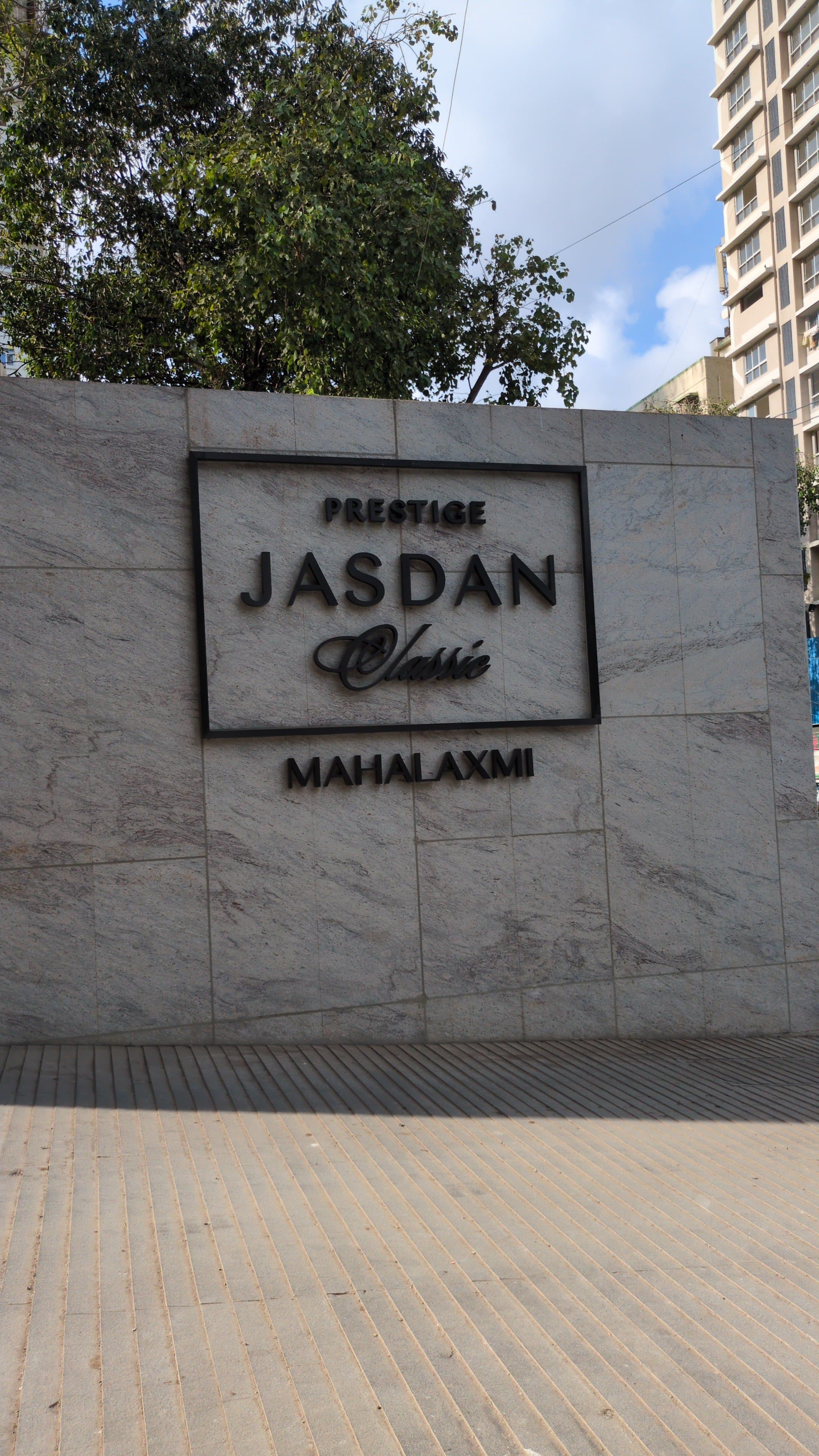
Mahalaxmi Property Gift Deed: How to Transfer Flat to Family Members in 2026
Property Butler Legal Intelligence · May 2026
What Is a Gift Deed and When Does It Apply
A gift deed is a legal instrument under the Transfer of Property Act, 1882 (Section 122–129) by which an owner voluntarily transfers immovable property to a recipient without any monetary consideration. For Mumbai properties, the deed must be registered at the Sub-Registrar of Assurances (SRO) under Maharashtra's jurisdiction.
Gift deeds are most commonly used in three scenarios:
- Parent to child — transferring a Mahalaxmi flat from a father/mother to son/daughter, typically while the parent is alive and capable.
- Between spouses — adding or replacing a spouse as owner for succession planning or loan eligibility purposes.
- HUF to individual — partitioning a Hindu Undivided Family asset into an individual's name to simplify future sale and mortgage.
Stamp Duty on Gift Deeds: Maharashtra 2026 Rates
Maharashtra stamp duty on gift deeds is governed by Article 34 of the Maharashtra Stamp Act. The critical distinction is relationship:
| Recipient Category | Stamp Duty | Registration Charge | Example (Rs.7 crore flat) |
|---|---|---|---|
| Blood relatives (children, parents, siblings, spouse) | 3% of market value | 1% (capped at Rs.30,000) | Rs.21 lakh stamp + Rs.30,000 reg |
| Non-relatives (unrelated parties) | 6% of market value | 1% (capped at Rs.30,000) | Rs.42 lakh stamp + Rs.30,000 reg |
The 3% rate for blood relatives makes gift deeds significantly cheaper than a sale transaction (which attracts 5% stamp duty + 1% metro cess + 1% registration = 7% effective). The gift route saves approximately Rs.21 lakh on a Rs.7 crore asset compared to a formal sale — but only when the recipient is a blood relative.
Income Tax Implications for the Donor and Recipient
- A gift deed is not a sale — no capital gains tax arises at the time of gifting, regardless of appreciation.
- The cost of acquisition carries forward to the recipient for future LTCG calculation.
- If donor retains some benefit (e.g., continues living in the gifted property), Section 56(2)(x) scrutiny may apply.
- Gifts from blood relatives are fully exempt from income tax (Section 56(2)(x) exempts gifts from "relative" as defined in the Income Tax Act).
- When the recipient eventually sells the property, LTCG is computed on the original donor's purchase price (indexation up to July 2024 budget; no indexation thereafter).
- Rental income from the gifted property is taxable in the recipient's hands at their applicable slab.
The Mahalaxmi Legacy Scenario: A Worked Example
A family owns a 3 BHK in Mahalaxmi purchased in 1995 at Rs.45 lakh (approx Rs.3,000/sqft). The property is now listed at Rs.7.5 crore (Rs.60,000/sqft). The father (age 68) wants to transfer to his daughter (age 38) while alive.
| Option | Cost to Transfer | Tax at Transfer | Future LTCG (if daughter sells at Rs.10cr) |
|---|---|---|---|
| Gift Deed (now) | Rs.30.3 lakh (stamp + reg) | Nil for both parties | LTCG on Rs.10cr − Rs.45L cost = Rs.9.55cr × 12.5% = Rs.1.19 crore |
| Will / Inheritance | Nil (no stamp on inheritance) | Nil at inheritance | Same LTCG calculation — cost basis inherited from father |
| Sale by father now | Rs.52.5 lakh stamp (7%) | Father pays LTCG on Rs.7.5cr − Rs.45L = Rs.7.05cr × 12.5% = Rs.88 lakh | Daughter's new cost = Rs.7.5cr; LTCG on Rs.10cr sale = Rs.2.5cr × 12.5% = Rs.31 lakh |
The will route (inheritance) is cheaper at transfer but requires probate if challenged — a process that takes 1–5 years in Mumbai courts and costs 2–3% of estate value in legal fees. The gift deed route crystallises transfer immediately, is contestable only on limited grounds (consent, capacity), and the Rs.30 lakh cost is predictable. For properties above Rs.5 crore, most Mahalaxmi families are choosing gift deeds for clarity and speed.
Step-by-Step: Executing a Gift Deed in Mumbai
- Obtain ready reckoner valuation: IGR's ready reckoner value for the property is the stamp duty base. Your SRO will compute stamp on the higher of agreement value or RR value. For a Mahalaxmi 3 BHK, RR value is typically 15–25% below current market — use a CA to confirm.
- Draft the gift deed: A property lawyer prepares the deed. Standard clauses include: nature of gift (voluntary, no consideration), property description, donee's acceptance, donor's right to retain possession (if any), and indemnity clause. Fee: Rs.5,000–15,000 for drafting.
- E-stamp and online payment: Maharashtra's e-GRAS portal accepts stamp duty payment online. Generate the challan, pay, attach to the deed.
- Register at SRO: Both donor and donee (or authorised representative with POA) must be present at the SRO on the appointment day. Bring: original title documents, recent share certificate (for co-op housing society), PAN cards, Aadhaar cards, two witnesses.
- Society name transfer: After registration, apply to the housing society for share certificate transfer to the donee's name. This is a separate process — submit the registered gift deed + form to the society secretary. Timeline: 2–4 weeks for compliant societies.
- Mutation in property records: If applicable (for properties under BMC or MCGM jurisdiction), apply for property tax name mutation using the registered deed. This ensures future property tax bills are in the new owner's name.
Frequently Asked Questions
Property Butler works with several Mahalaxmi families on succession transfers every year. We can connect you with a registrar-empanelled property lawyer for the gift deed drafting and advise on whether the gift route or will route better fits your specific situation.
WhatsApp Us for Transfer Guidance