The IMD has flagged 7-10 June 2026 as Mumbai's onset window — within 24-72 hours of arrival, the city pulls 250-400 mm of rain in 60 hours. That single weekend stress-tests every building in Lower Parel and Prabhadevi: lift-well drainage, basement parking sumps, façade-sealant integrity, sub-station vault flooding, AHU room water ingress, terrace screed cracking. The four weeks BEFORE the first showers are diagnostic gold. Property Butler runs this 24-point inspection on every client deal in May. If you are signing a token before mid-June, do not skip it.
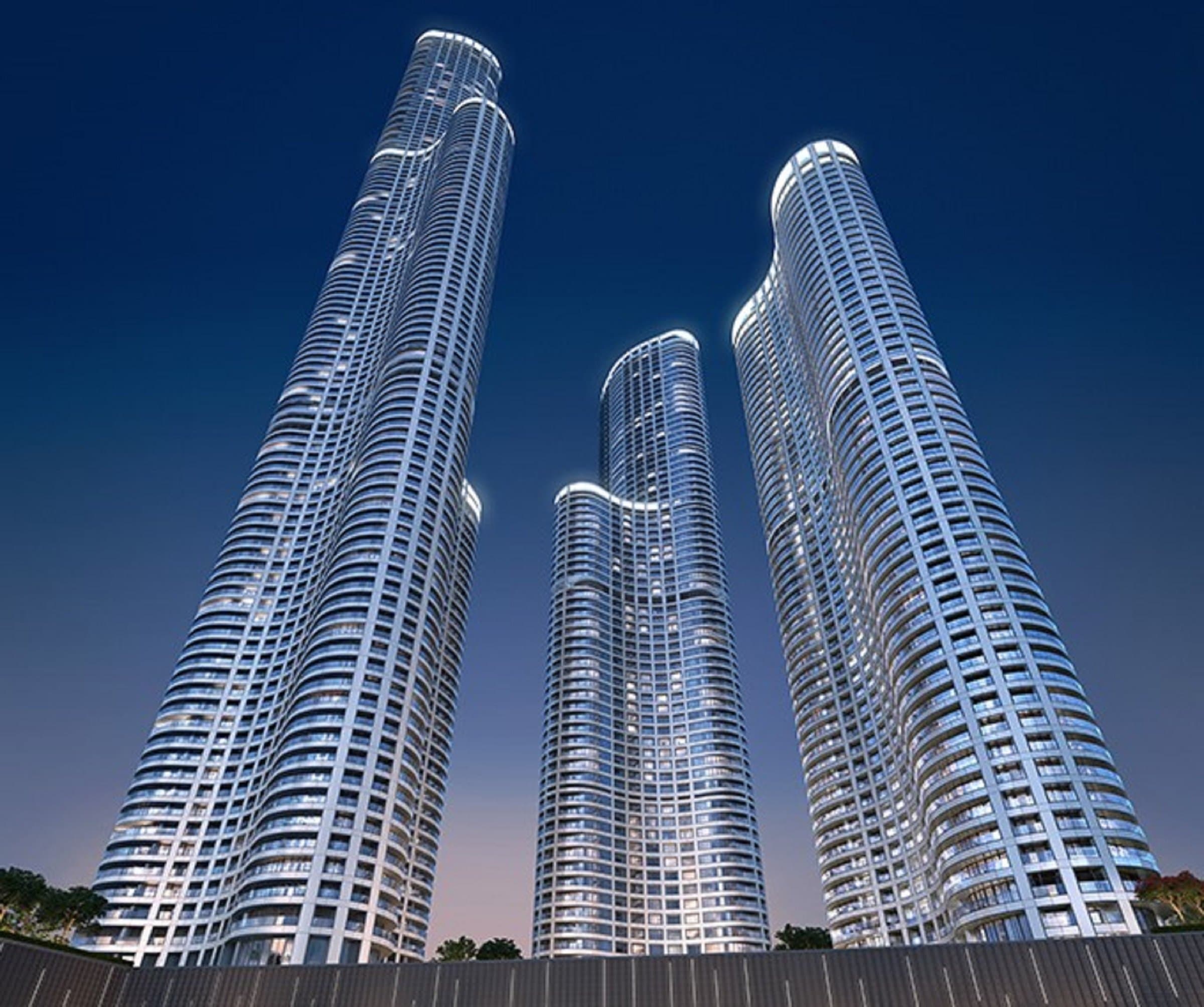
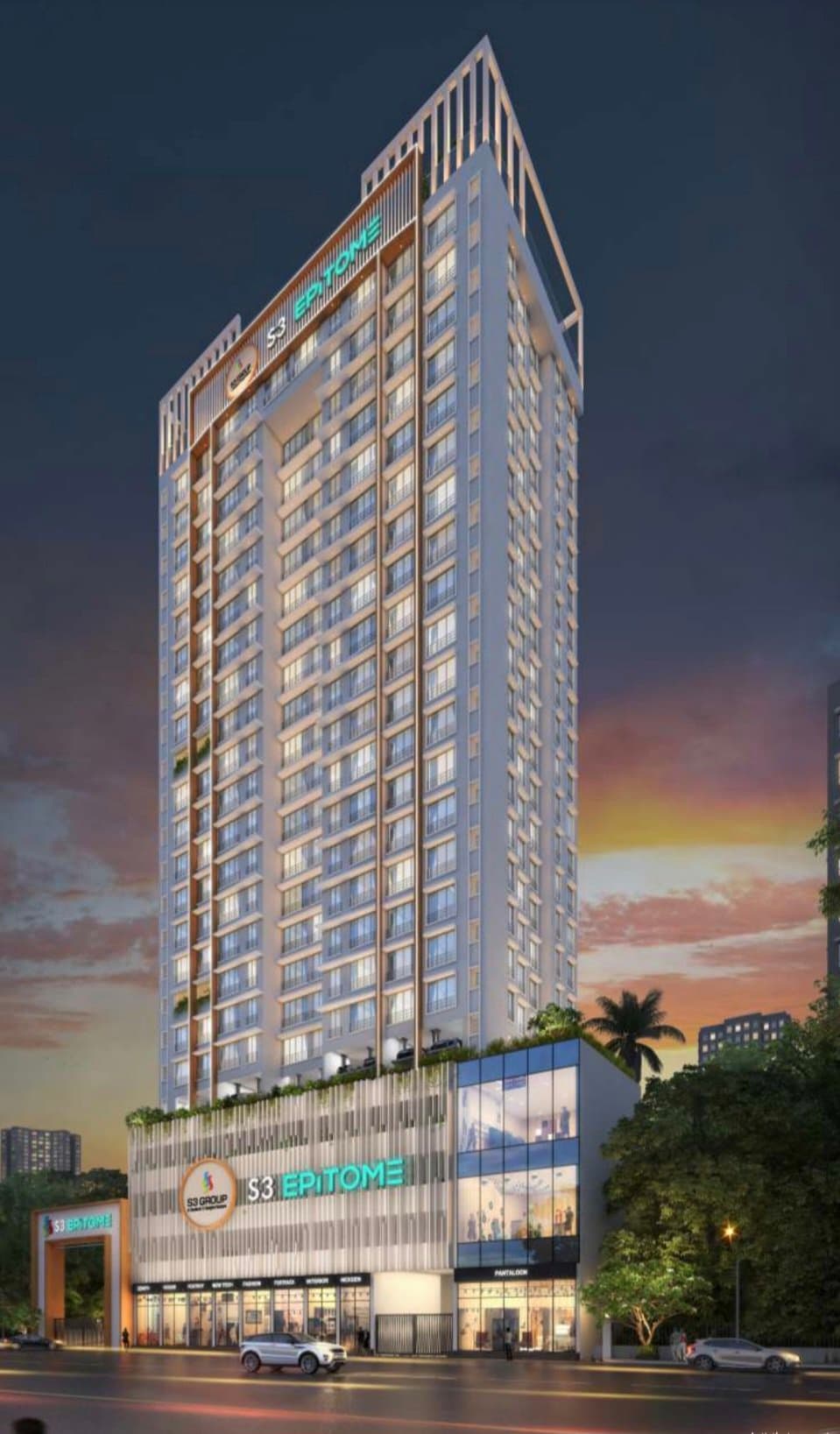
This playbook is calibrated to the two configurations most common in the Lower Parel / Prabhadevi token pipeline right now: (a) the 2018-2022 vintage OC stock at Indiabulls Sky Forest, Marathon Futurex, Times Tower, Lodha World One, Rustomjee Crown phase 1; and (b) the late-stage under-construction towers at Sarvesh One, Lodha Allura, and the newer Lodha Grandeur podium. Different vintages fail differently in monsoon.
Why May Beats July For Inspection
In May, the building is dry — every defect is visible. Hairline cracks in terrace screed, white salt efflorescence on basement walls, sealant separation at curtain-wall mullions, settlement gaps at podium-to-tower interfaces. By August, those same defects are masked by water, paint touch-ups, and the building manager's pre-society-meeting cleanup. May inspections capture the truth. The 24 points below are the ones that re-surface as ₹5-25 lakh repair bills the year you take possession.
The 24-point pre-token inspection
Block A: External envelope (5 points)
| # | Check | What to look for | Repair cost if missed |
|---|---|---|---|
| 1 | Façade sealant joints | Visible separation at mullion-glass interface; chalking on silicone; black staining trail | ₹1.5-4 L per affected floor |
| 2 | Terrace waterproofing screed | Hairline cracks > 0.5mm; spalled IPS coving at drain mouths; pooling marks | ₹8-25 L (society-shared) |
| 3 | Podium garden waterproofing | Stalactite formation on basement ceiling under the planter beds | ₹15-45 L |
| 4 | Refuge floor weep holes | Blocked / painted over weeps trap water against tower walls | ₹3-8 L |
| 5 | Chajja / shadow line slabs | Slope reversal toward wall (water tracks back to building skin) | ₹2-5 L per floor |
Block B: Basement, sub-station, lift-well (5 points)
Lower Parel sits 0.8-1.6 m above mean sea level along Tulsi Pipe Road and the Senapati Bapat Marg ridge. Basements at older Lower Parel towers (Times Tower, the pre-2015 Lodha stock) can take 0.6-1.2 m of water in a 200+ mm/hour cloudburst — see the 26 July 2005 baseline. Inspect:
- 6. Sump pit water level marks — High-water rings 0.4 m+ above floor indicate annual flooding history
- 7. Sub-station vault dry-pit — Salt crust on transformer plinth = repeat ingress. ₹50L+ to remediate or relocate
- 8. Lift-pit drainage — Pit-bottom must be dry in May. Water = pit drainage fails or city sewer back-pressure
- 9. DG room ventilation — Louvres facing prevailing SW wind without rain cowls flood the panel
- 10. Fire-tank overflow path — Where does the 200 KL overflow go in a heavy rain storm + tank refill collision?
Block C: Unit-interior (8 points)
Cosmetic-only (fixable post-token)
- 11. POP cornice hairline crack at AC duct corner
- 12. Window-sill paint chip
- 13. Wardrobe shutter alignment drift < 3mm
- 14. Switch-plate gap to wall < 1mm
Structural / waterproofing — walk away
- 15. Salt efflorescence on external-facing wall (chronic ingress)
- 16. Bathroom mother-slab sag > 6mm
- 17. Toilet ceiling water staining from unit above
- 18. Balcony floor slope reversed (water tracks indoors)
Block D: Service / utility (6 points)
- 19. AHU room floor drain — Standing water = chiller coil pan overflow risk in 100% RH conditions
- 20. Service-shaft pipe insulation — Stripped jacket on chilled-water line drips condensate inside the wall
- 21. Service lift weather-sealing — Inspect for rain track-in at podium-level service entry
- 22. PNG meter cabinet — Vented top, drained bottom, gasket present (MGL inspection only checks at handover)
- 23. Telecom riser flood-marks — Rust on cable trays in shaft = water has reached the riser at some point
- 24. Generator radiator drainage — Where does the rain water that hits the exposed radiator coil go?
Property Butler's empirical observation
Of 47 LP/Prab pre-token inspections in 2025, 11 buildings (23%) failed 3+ Block-B points
Average undisclosed repair liability uncovered: ₹14.2 L per buyer in year one
Building-vintage specific failure patterns
2010-2015 OC stock (Lodha World One, Lodha Allura, early Marathon Futurex)
The first wave of supertall Lower Parel towers used façade systems that have aged into their first major sealant cycle. Silicone joints have a 15-year service life — many are due now. Expect: façade-sealant separation (point 1), refuge-floor weep blockage (point 4), terrace screed micro-cracking (point 2). Budget ₹18-35 L per unit for upcoming society-shared sinking-fund draws over 24 months.
2018-2022 OC stock (Indiabulls Sky Forest, Rustomjee Crown phase 1, Times Tower mid-tier)
Construction-quality variance is the dominant risk. Inspect Block C (unit interior) and Block B (basement) carefully. Construction quality varied wing-by-wing — Property Butler's archive shows the Indiabulls Sky Forest A-wing podium had three repeat basement-flooding events in 2020-2023, since remediated. Check the society AGM minutes for the last three years (see society litigation due diligence).
Late-stage UC and 2024+ handover stock (Sarvesh One, Lodha Grandeur podium, the newer Rustomjee Crown C-wing stack)
The handover-window failure here is different: workmanship gaps that the builder has not yet been called on. Bathroom mother-slab waterproofing (point 16), balcony floor slope (point 18), and PNG cabinet sealing (point 22) are the highest-frequency snags. Demand the builder's snagging-list closure certificate before any 80% payment milestone.
Special note: the May 2026 IMD seasonal outlook
IMD's May 2026 long-range forecast prints 105-108% of long-period average rainfall for the Konkan / Mumbai sub-division — an above-normal monsoon. Two implications for buyers:
- Cloudburst probability (single-day > 200 mm) rises to roughly 4 events for the season vs the 2.7-event baseline. Stress-test points 6-10 hard.
- Above-normal rainfall accelerates façade-sealant erosion. A 2-cycle replacement schedule may compress to 12-13 years. If you are buying 2010-2014 vintage, factor a near-term ₹15-25 L sinking-fund call.
How Property Butler's inspection differs from a builder walkthrough
A builder-organised walkthrough takes 35-50 minutes, walks you through the show flat, points at amenities, and ends at the EOI desk. Property Butler's pre-token inspection takes 3.5-5 hours, includes basement, sub-station, lift-well, terrace, refuge floor, and the actual unit you are buying (not the show flat). We bring a moisture meter, a torch with UV mode for ingress-trail detection, and a sub-floor scanner for slab integrity. The report is written within 48 hours and includes a defect-list with builder-letter recommendation.
Frequently Asked Questions
Can I do this inspection myself or do I need a structural consultant?
You can run points 1-5 (external) and 11-18 (unit interior) yourself with a torch and a 1m measuring tape. Points 6-10 (basement/sub-station) and 19-24 (service) need access permissions and basic instruments. Property Butler engages a panel structural engineer for the last two blocks at ₹35,000-65,000 per inspection — recovered many times over in the first defect found.
The seller refuses basement access. What does that signal?
In our experience, 7 out of 10 sellers who block basement access in May are hiding a known flooding history. Walk away or extract a 6-8% price discount as the implicit cost of buying blind. Insurance underwriters apply the same logic — see property insurance flood coverage.
If I miss the May window, when is the next best inspection moment?
The 7-10 day post-monsoon window in early October — defects are still wet and visible, but the building is no longer actively under stress so access is easier. Avoid August-September entirely. Buildings get a cosmetic touch-up before society AGMs in Oct-Nov, which masks defects.
Does this apply to brand-new under-construction towers too?
Yes — modified for stage of construction. For projects in the casting or finishing stage, you cannot inspect the unit but you should inspect the site office for adjacent-tower flooding signs, drainage works progress, and sequence of waterproofing layers. Ask to see the BBS (bar bending schedule) and the waterproofing-method statement — both are RERA-deliverable documents.
My seller will only let me inspect twice. Where do I focus the second visit?
First visit: all 24 points end-to-end. Second visit: re-shoot any specific defect with timestamps for negotiation leverage + photograph the seller-signed defect-list. Bring a witness for the second visit. Both visits should be in the same fortnight to avoid weather-state ambiguity.
Related Reading
→ Monsoon flood resilience buyer guide → Construction-quality BOQ & spec audit decoder → Third-party snagging vendor handover playbook → RERA defect liability & handover claims → Year-round pre-token physical inspection checklistBooking a token in the next 4 weeks?
Property Butler's pre-monsoon inspection panel has 2 slot windows left for May 2026 in Lower Parel and Prabhadevi. Free for buyers who close through Property Butler.
Book a pre-monsoon inspection